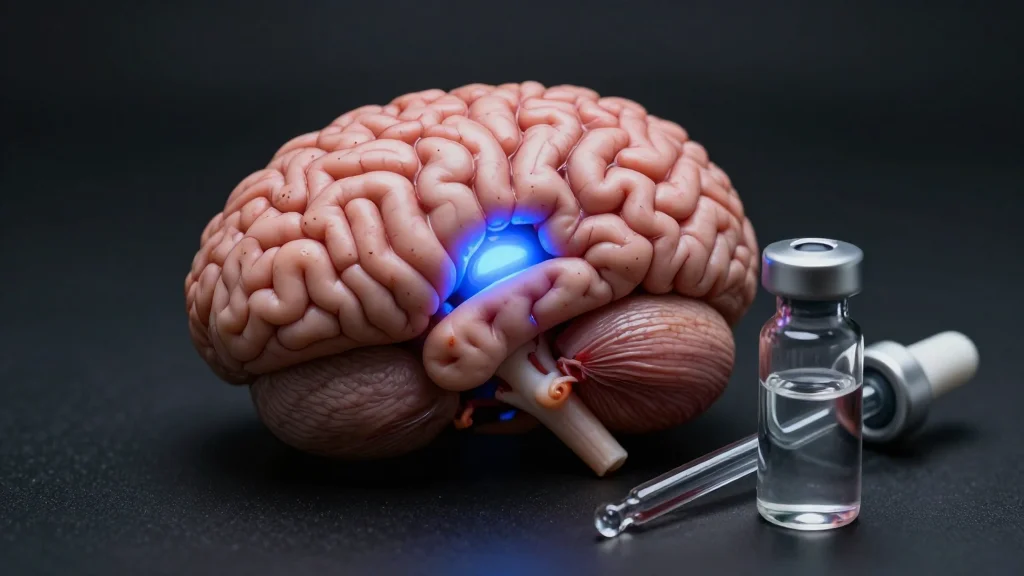
Xiamen Researchers Pinpoint Menin Decline as Aging Trigger; D‑Serine Boosts Mouse Cognition

Why It Matters
The discovery that a single hypothalamic protein can orchestrate multiple aging hallmarks reshapes how scientists and biohackers think about systemic rejuvenation. By pinpointing Menin as a master regulator, the research opens a new target for interventions that could simultaneously address metabolic, skeletal and neural decline. If D‑serine supplementation proves effective in humans, it would represent one of the few evidence‑based, over‑the‑counter compounds that directly counteracts age‑related cognitive loss. This could accelerate the adoption of neuro‑protective biohacks, shift market demand toward amino‑acid based nutraceuticals, and spur regulatory scrutiny of supplement claims.
Key Takeaways
- •Menin levels drop sharply in hypothalamic neurons of aging mice, triggering systemic inflammation.
- •Genetic restoration of Menin in 20‑month‑old mice reverses memory loss, balance deficits, skin thinning and bone loss within 30 days.
- •D‑serine production falls alongside Menin loss; supplementation improves cognition in aged mice.
- •D‑serine is a dietary amino acid found in soy, eggs, fish and nuts, already sold as a supplement.
- •Human trials are planned to test safety and efficacy of D‑serine for age‑related memory decline.
Pulse Analysis
The Menin discovery dovetails with a broader shift in longevity research toward central nervous system regulators. Historically, anti‑aging strategies focused on peripheral pathways—telomere extension, senescent cell clearance, or metabolic mimetics. By demonstrating that a hypothalamic protein can drive both neural and peripheral aging phenotypes, the Xiamen study suggests that future interventions may need to act upstream, at the brain's command center, to achieve holistic rejuvenation.
From a market perspective, the immediate translational potential lies in D‑serine. The supplement industry has long capitalized on compounds like NMN and resveratrol, yet many lack robust human data. D‑serine's dual role as a neurotransmitter and a dietary amino acid gives it a unique credibility boost, especially if early-phase trials confirm cognitive benefits without adverse effects. Companies may race to secure patents on formulation, delivery methods, or combination therapies that pair D‑serine with other hypothalamic modulators.
Looking ahead, the real test will be whether Menin can be safely up‑regulated in humans. Gene‑therapy approaches are still costly and face regulatory hurdles, but the concept of a “Menin booster” could inspire small‑molecule drug discovery programs. In the meantime, biohackers are likely to experiment with D‑serine dosing protocols, tracking subjective memory metrics alongside biomarkers. The convergence of academic insight, commercial supplement interest, and DIY biohacking could accelerate the feedback loop, turning a laboratory finding into a mainstream longevity tool within the next few years.
Xiamen Researchers Pinpoint Menin Decline as Aging Trigger; D‑Serine Boosts Mouse Cognition
Comments
Want to join the conversation?
Loading comments...