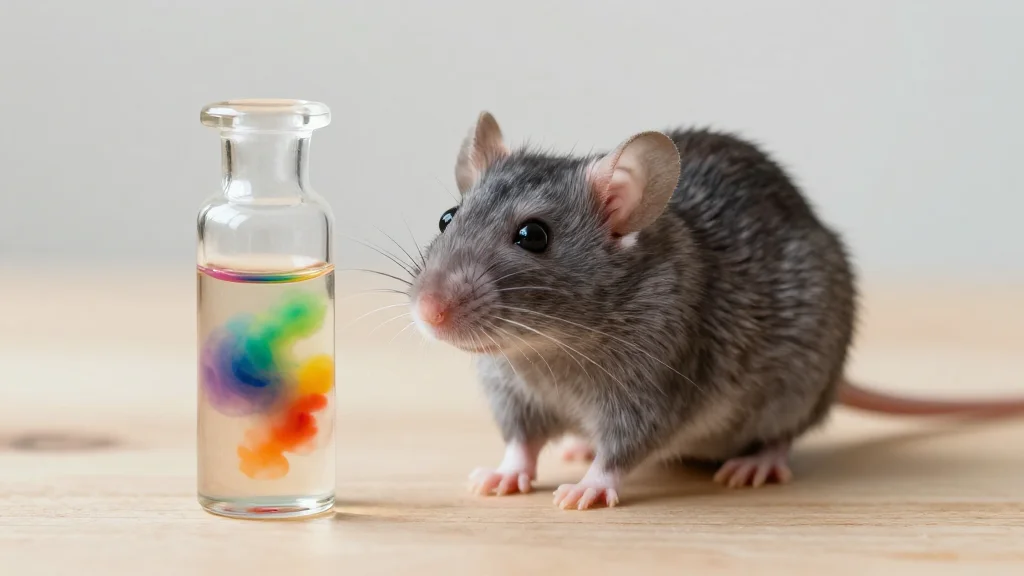
Youthful Gut Microbiome Reverses Liver Aging in Mice, Halts Cancer

Why It Matters
The study provides the first direct evidence that a youthful gut microbiome can not only slow but reverse molecular signs of liver aging, a finding that could broaden the scope of anti‑aging interventions beyond genetics and small‑molecule drugs. By linking gut bacteria to the suppression of the cancer‑associated MDM2 gene, the work suggests a tangible pathway through which microbiome engineering might lower organ‑specific cancer risk. For the biohacking community, the results validate a growing hypothesis that the gut microbiome is a master regulator of systemic health. If human trials confirm these effects, individuals could soon have access to microbiome‑based protocols—ranging from personalized FMT to designer probiotic blends—that target organ health at the cellular level, potentially extending healthspan without invasive procedures.
Key Takeaways
- •Fecal microbiota transplantation of stored youthful microbes eliminated liver cancer in all treated mice (0/8) versus 2/8 in controls
- •Treated mice showed reduced inflammation, fibrosis, mitochondrial decline, telomere attrition, and DNA damage
- •MDM2 protein, a liver‑cancer driver, was suppressed to youthful levels after microbiome restoration
- •Study presented at Digestive Disease Week 2026, highlighting clinical relevance
- •Researchers plan human‑relevant trials and larger animal studies to assess translational potential
Pulse Analysis
The gut‑liver axis has long been recognized, but this study pushes the relationship from correlation to causation, offering a mechanistic bridge via the MDM2 pathway. Historically, longevity research has leaned on metabolic and genetic interventions; microbiome manipulation introduces a dynamic, ecosystem‑based lever that can be adjusted in real time. This could democratize anti‑aging strategies, as microbiome therapies are potentially less costly and more scalable than gene editing or cell‑based therapies.
From a market perspective, the data arrive at a moment when venture capital is flowing into microbiome therapeutics, with several startups already raising multi‑digit millions to develop next‑generation probiotics. A validated animal model that links gut microbes to organ‑specific cancer prevention could accelerate funding and regulatory interest, prompting the FDA to refine guidance on FMT for non‑infectious indications. Biohackers, who often operate at the fringe of mainstream medicine, may adopt these findings to craft DIY microbiome resets, raising both opportunities for rapid innovation and concerns about safety and oversight.
Looking ahead, the critical hurdle will be translating the mouse model’s autologous transplant approach to a heterogeneous human population. Success will depend on identifying microbial consortia that reliably reproduce the anti‑aging effects without triggering adverse immune responses. If achieved, the field could witness a paradigm shift where gut microbiome composition becomes a standard biomarker—and therapeutic target—in longevity protocols, reshaping both clinical practice and the consumer biohacking market.
Youthful Gut Microbiome Reverses Liver Aging in Mice, Halts Cancer
Comments
Want to join the conversation?
Loading comments...