Nutrition Expert Quiets Food Cravings. NO GLP-1 Required | JJ Virgin
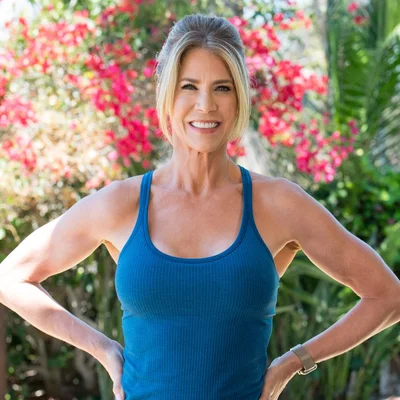
Why It Matters
Understanding the hormonal roots of mid‑life cravings enables consumers to choose nutrition and lifestyle solutions that reduce reliance on pharmaceuticals, opening growth opportunities for wellness brands.
Key Takeaways
- •Hormonal signals, not willpower, drive cravings after age 40.
- •Five main drivers: insulin spikes, cortisol, sleep hormones, muscle loss, estrogen decline.
- •Prioritize 30‑40g protein at first meal to boost satiety.
- •Adequate sleep, stress management, and resistance training curb cravings.
- •Building muscle improves insulin sensitivity, stabilizing blood sugar.
Summary
In the video, nutrition expert JJ Virgin explains that cravings after age 40 are driven by hormonal signals rather than lack of willpower, and outlines a framework for neutralizing them without relying on GLP‑1 drugs.
She identifies five primary drivers: insulin spikes and subsequent crashes, chronic cortisol elevation from stress, disrupted sleep affecting ghrelin and leptin, loss of muscle mass reducing insulin sensitivity, and declining estrogen and progesterone that raise inflammation and cortisol. Each factor is backed by peer‑reviewed studies, such as the American Journal of Clinical Nutrition linking blood‑sugar variability to hunger, and Annals of Internal Medicine showing a 24 % rise in hunger after sleep restriction.
Virgin stresses that cravings are “hormonal urgency signals,” not a mindset flaw. She cites a study in Obesity where 30‑40 g of protein increased satiety and cut cravings, and shares personal anecdotes of binge cycles during college that were triggered by under‑eating, stress, and poor sleep.
The practical takeaway is a four‑point protocol—eat protein first, avoid chronic under‑eating, protect sleep, and build muscle through resistance training—to restore hormonal balance. For health‑focused businesses, these insights highlight demand for protein‑rich meals, sleep‑optimizing products, and muscle‑maintenance programs targeting the over‑40 demographic.
Comments
Want to join the conversation?
Loading comments...