
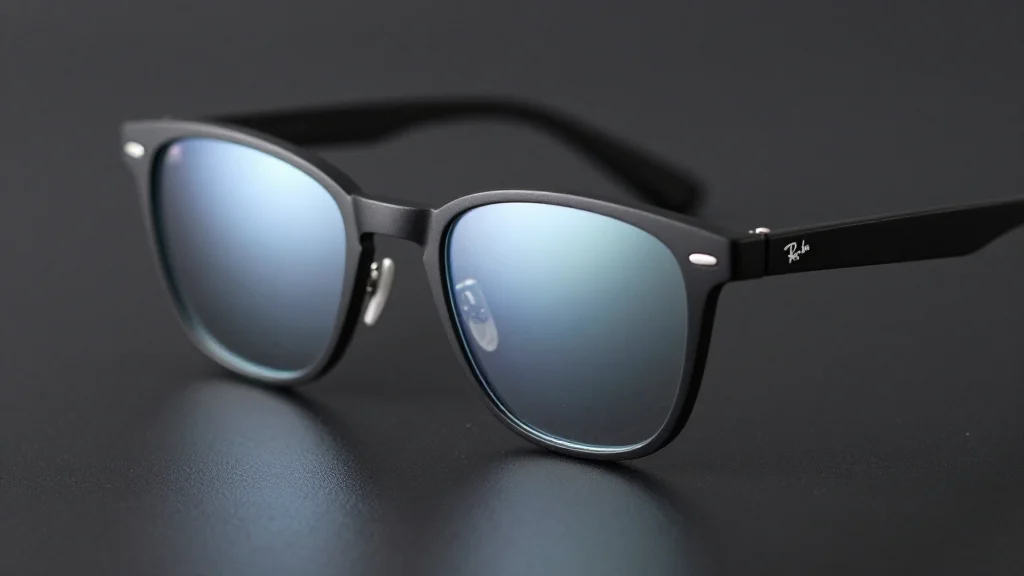
Meta Ray‑Ban Glasses Bring Practical AR Web Experiences
The AR future is here - almost… The Meta Ray-Ban display glasses launched late last year but I just had to try it when they recently announced that developers could create apps for it, and it would render true web experiences. After years of trying clunky VR headsets and disappointing AR glasses, the Meta Ray-Ban display glasses seemed like everything I'd been waiting for. Lightweight enough to jog in while coding on Claude Code (!), high-resolution display, support for full web apps, and they actually look like normal glasses (albeit a bit nerdy). The display appears only in your right eye through translucent lenses, and the frame feels surprisingly sturdy. They are not available in sunglasses. It comes with a neural band for gesture control that was comfortable and intuitive. I could envision myself scrolling through code, checking messages, getting live translations in foreign countries — all while moving through the world normally. This felt like the platform that could finally make AR mainstream. I was ready to buy this - even at the almost $800 price point. But, unfortunately, I couldn't actually SELECT anything. The double-click gesture that's essential for using the glasses simply wouldn't work for me, no matter how I tried. And without a mirrored phone app for backup control, I was completely stuck. I would have bought them on the spot if not for this fundamental UX barrier. That being said, this pair of glasses paves the way for more high quality AR glasses. I predict in the next 1-2 years, we'll finally see a barrage of AR apps. Everything from a visual CRM to geolocation apps. We are almost there…

Founders Are Constantly Selling: Hires, Product, Investors
As a founder, you're always selling. You're selling new potential hires on your company, you're selling your product to customers, and you're maybe selling to investors a piece of your company.

Rapid Customer Acquisition Is the Core Lesson for Serial Founders
Almost all of my serial founders have figured out how to get customers super quickly, even sometimes pre-product. They learned from their first business that that was the primary problem.

Pitch Insights, Not Products: Customer Acquisition Remains Key
I'm seeing a lot more businesses pitch multiple apps and even ideas, but the problem is still the same as in all prior decades: customer acquisition. Those are the insights to pitch, not the product.

Childhood Entrepreneurs Gain Early Insight Into Business Pitfalls
Founders who have run lemonade stands or other businesses as a child have a leg up because they already know where a lot of pitfalls are.

Clear, Documented Communication Makes Remote Work Thrive
Remote work can work really well and allows you to hire just about anyone in the world, but you have to have very clear communication in written and documented form.

Pair New Hires with a Buddy for Faster Success
To make a new hire successful and onboard this person properly, I found that it's actually extremely helpful to have a team member work with them side by side (virtually is ok), for a while to make sure that they...

Promotion Rewards Those Who Scale Beyond Individual Contributions
I have found that the people I've been able to promote over the years have been the ones who are able to scale beyond their own individual contributions. Unfortunately, many people may be great ICs but cannot scale themselves.

Regularly Reassess Team Fit; Past Success Doesn't Guarantee Future Fit
Firing people is never fun, but you have to constantly reevaluate whether all of your team members are the best fit for not only your company but the role that they are in at this point in time. Often, people...

Hire Now: Stop Drowning, Start Delegating
The paradox of hiring is that you are drowning in work and need to hire, but you have no time to spend on hiring in order to alleviate some of that work. This is where I see too many entrepreneurs delay...

Skills Compound Like Wealth: Early Struggles Lead to Snowball Success
Just like how wealth compounds, skills compound too. What people don't really talk about is how most first-time entrepreneurs are pretty horrible at everything in the beginning (myself included when I first started). Hiring, figuring things out is slow, learning...

Closed Doors Often Open Better Opportunities
Something I didn't understand in my 20s, but understand clearly now, is when an opportunity shuts the door in your face, very often that frees you up to pursue a new and often better one.
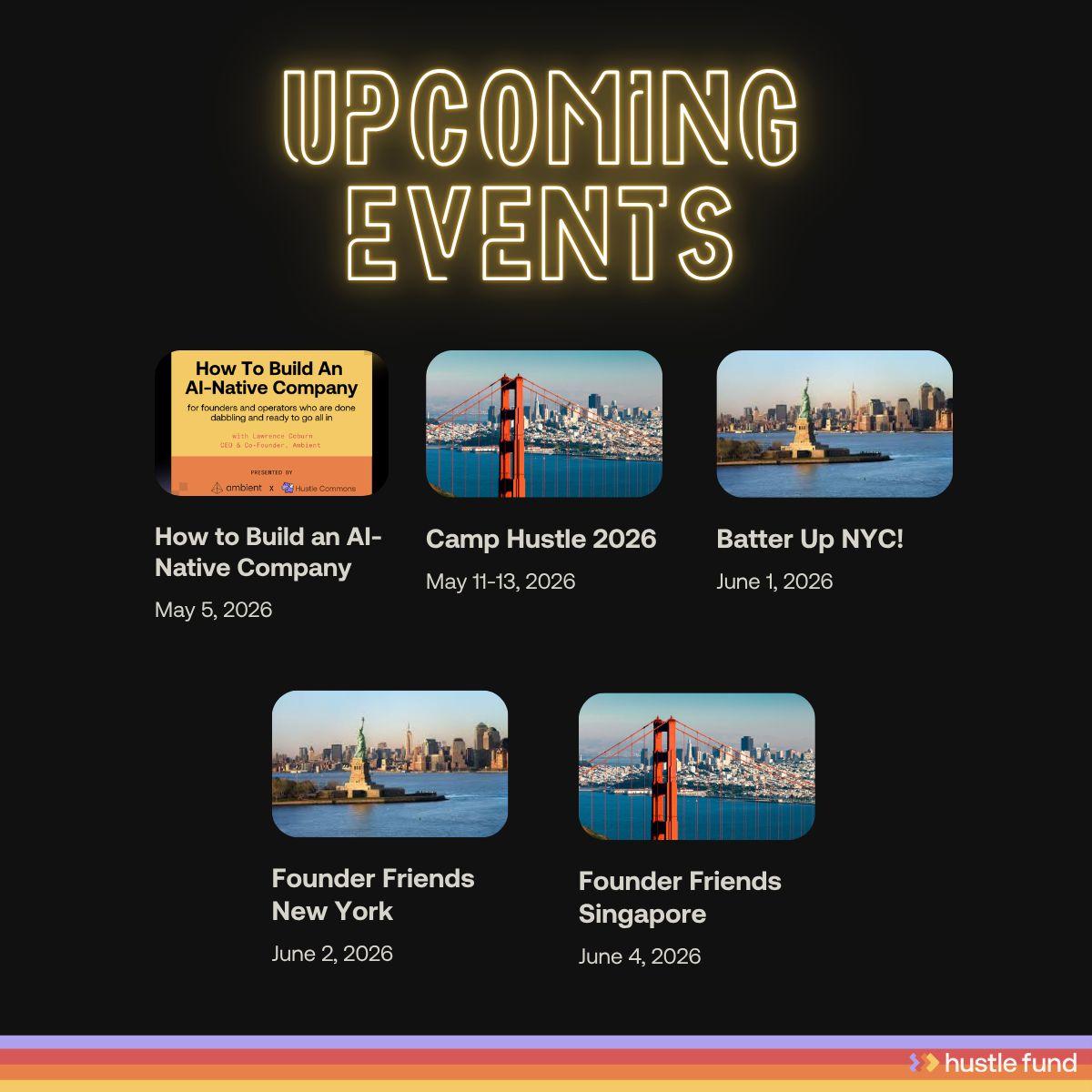
Upcoming Founder Events: AI Camp, Pitches, Global Meetups
Founders & investors, listen up — we’ve got a packed lineup coming your way. AI, camp vibes, live pitches, and founder stories included. 🤖 May 5: How to Build an AI-Native Company Vibe Camp featuring the @weareambient team - @lawrencecoburn, CEO &...

Resist Shiny Distractions; Stay Steady when Growth Slows
It can be really easy to chase shiny new objects, especially when things are not going "rocket ship style." The decision to stay the course or to change is something that is often very hard.

Hire by Collaborating First, Not Just Interviewing
As a founder, it is so important to be able to hire well. Unfortunately, I found that I was not great at this in assessing people through interviews. Ultimately, I found that the best way to hire people was to...