
Tax Cuts without Spending Cuts Simply Increase the Deficit
Lemme ’splain: calling it a “big beautiful bill” doesn’t make the maths prettier. If you cut taxes and don’t cut spending, the deficit goes up. That’s not ideology. That’s just arithmetic wearing sensible shoes. https://t.co/s6DzR88EeI
Trump’s New Tariffs Declared Unconstitutional Despite Legal Loophole
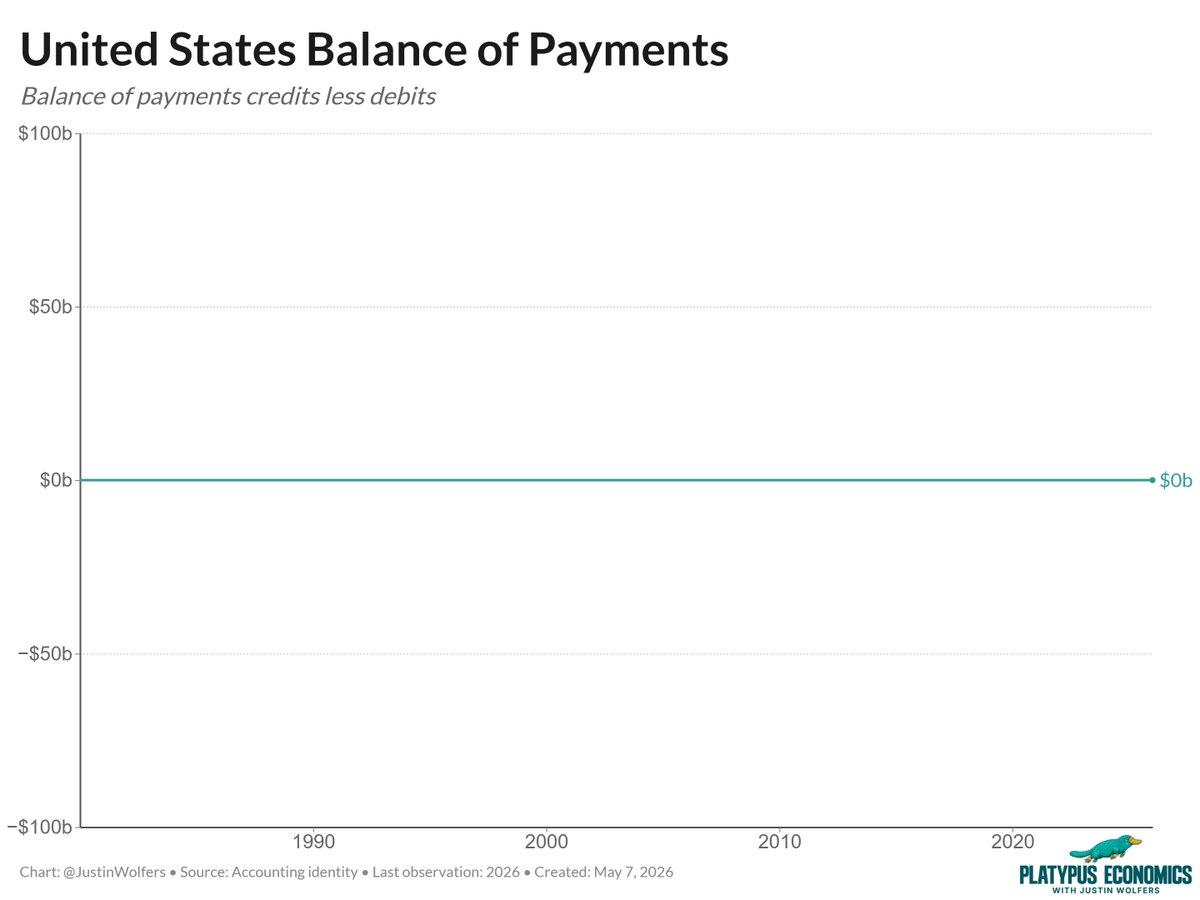
Trump's tariffs—the ones he added because the last ones were ruled unconstitutional—were just ruled unconstitutional My crack team has discovered why. This law allows him to impose temporary tariffs to "deal with large and serious US balance-of-payments deficits." Here it is: https://t.co/UDa8Tp7STS
High Debt Limits Future Crisis Response Options
Here’s the thing: debt isn’t exploding tomorrow, but the trajectory matters. If you enter the next war, recession, or pandemic already heavily indebted, you have less room to respond when you actually need it. https://t.co/EPZhyJcRrX
Debt Matters only if You Can Afford It
Debt by itself is a lousy guide. A $500,000 mortgage can be manageable or terrifying depending on salary, rates, and future earnings. Same with countries: the real question isn’t “how much debt?” but “can they carry it?”
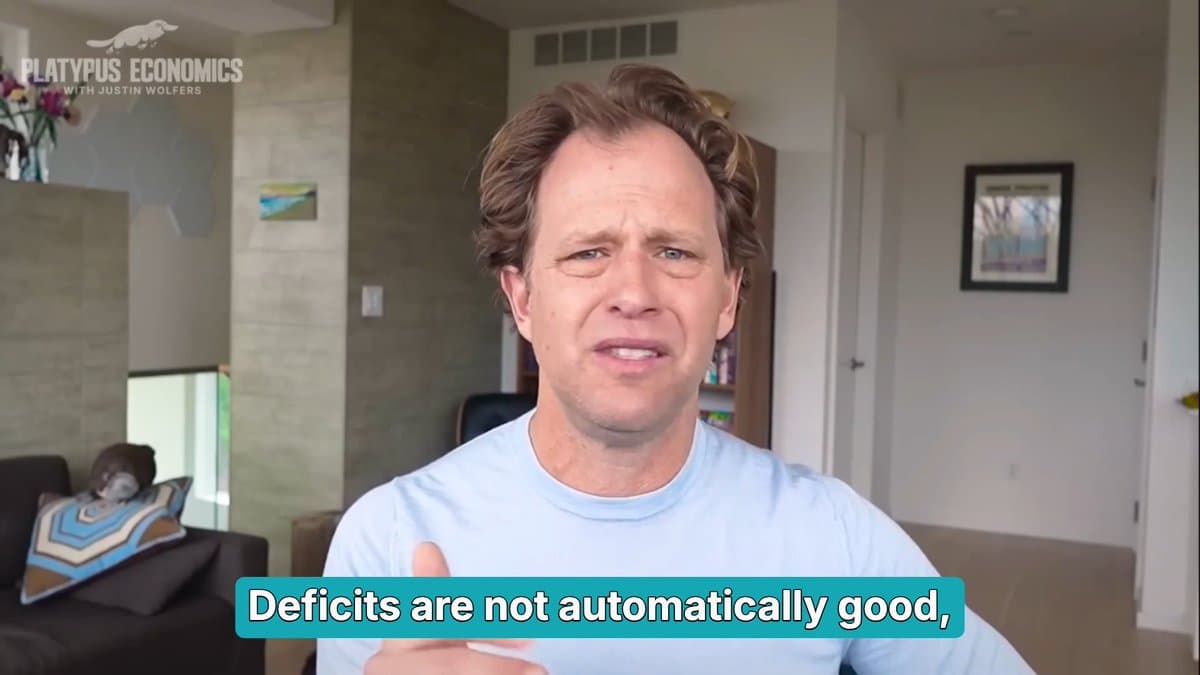
Deficits Are Tools, Not Moral Judgments—Ask What They Solve
Deficits aren’t inherently good or bad. They’re a tool. The real question is: what problem are they solving? Econ is annoyingly context-dependent like that. https://t.co/BojSAGUXL3

Economics Is Useful, Surprising, and Beautifully Universal
Announcing: @PlatypusEcon — a Substack, YouTube channel, and podcast built around one idea: Economics is one of the most useful, surprising, and weirdly beautiful subjects in the world. It belongs to everyone — not just the people who happened to...
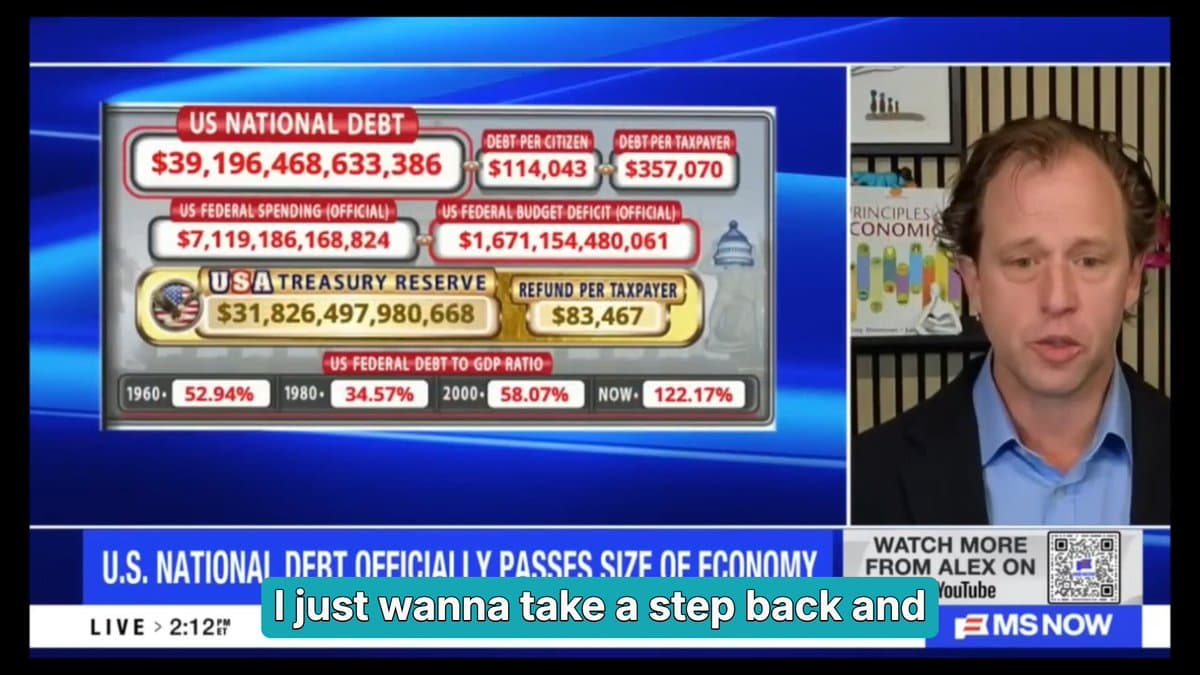
Borrow Wisely: Invest in Growth, Not Instant Gratification
"Sometimes borrowing money is a good idea." That's the whole debate in one sentence. Debt to build future capacity? Sensible. Debt for a sugar hit today? Different story. https://t.co/oSRbH3sr3K
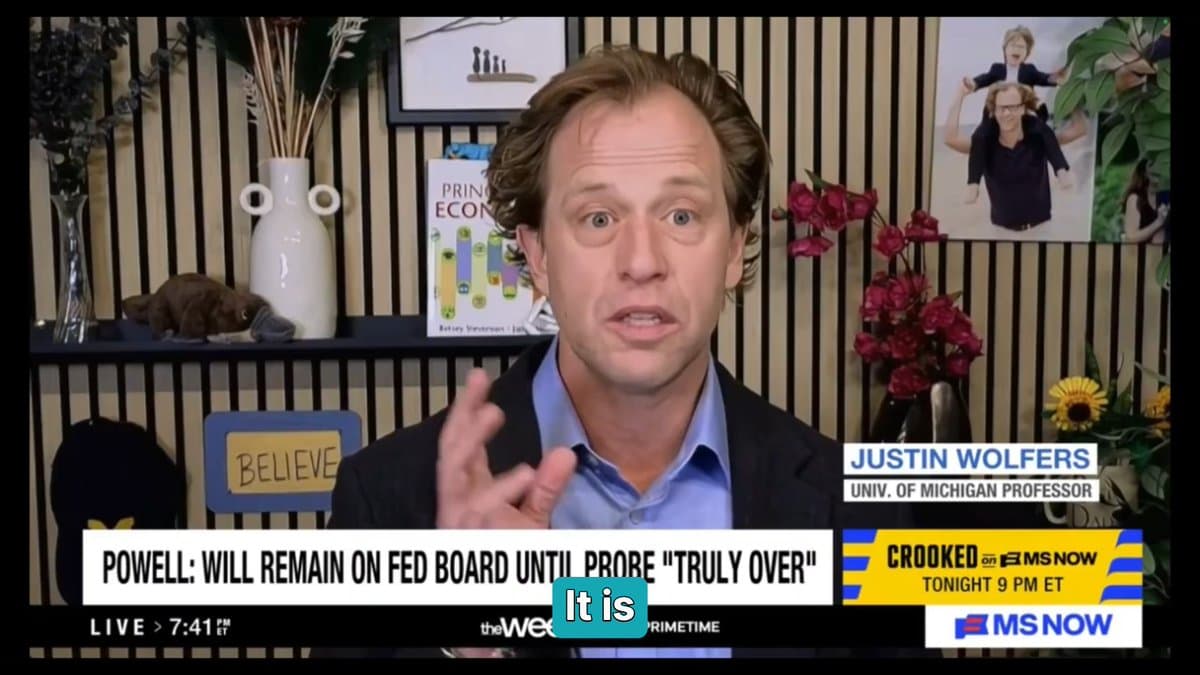
Powell's Governor Role Preserves Leverage, Safeguards Process
Powell’s term as chair may be ending, but his ability to remain a governor still gives him leverage. That matters because process is protection against capture. https://t.co/zmy1pLw79q
Regressive Taxes Hit Poor, Cuts Favor the Wealthy
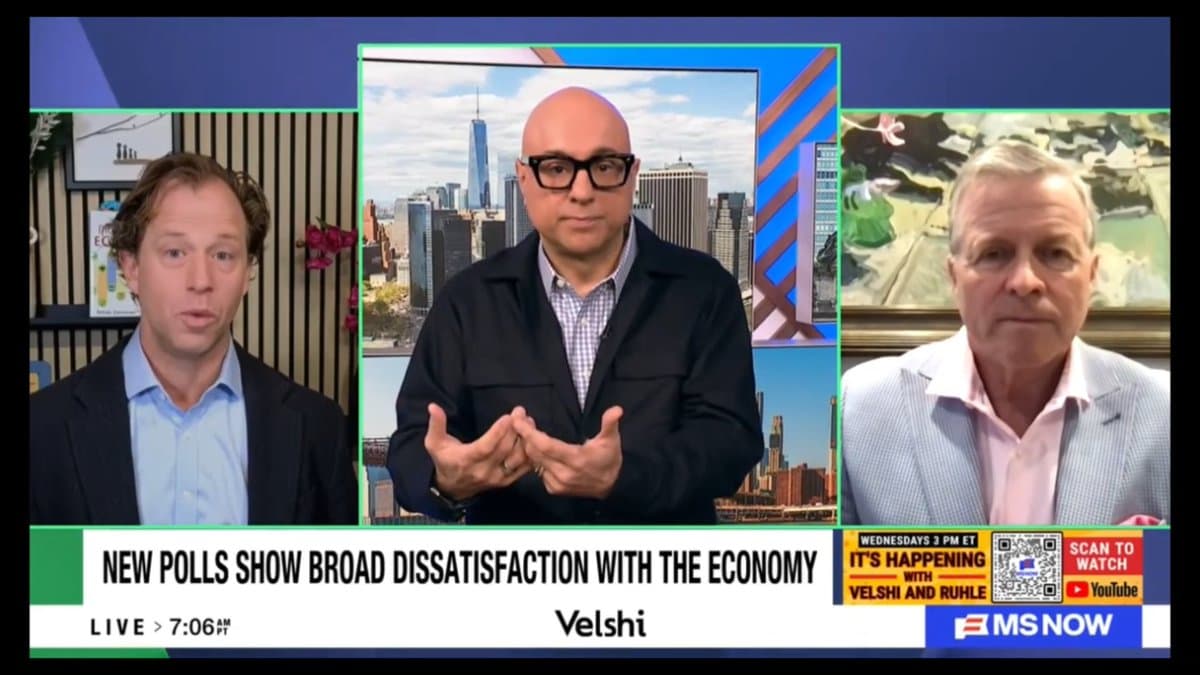
Tariffs and gas prices work like regressive taxes — the lower your income, the harder they hit. Meanwhile, the Trump tax cuts for high earners are permanent. The "gimmicks" for working Americans? They expire in 2028. Who's the economy actually working...
Working Families Face Lasting Price Hikes Despite Tax Cuts
This isn’t just about who gets a tax cut. It’s about who bears the long-run burden. Higher prices for basics plus temporary relief is a rotten deal for working households. https://t.co/Qtku9wBJjJ
Egg‑centric Analysis: Politicians Cherry‑pick, Not Forecast
When politicians zoom in from the whole economy to one carton of eggs, that's not a macro forecast. That's culinary cherry-picking. https://t.co/NCWLFtPggO
Presidential Belligerence Drags Markets Lower, Pricing Risk
"Every time the president leans into belligerence... the stock market falls." Markets can’t vote, but they can mark down the price of risk. https://t.co/BapJYuCaQL
Uncertainty Delays Decisions, Dampening Economic Growth
Why do economists obsess over uncertainty? Because waiting is easy. If the news might clear soon, firms delay big irreversible decisions. Multiply that across the economy and growth softens. https://t.co/qHrOYGLij5
Politicized Monetary Policy Costs Jobs, Prices, Stability
For families and firms, this isn’t academic. If the people steering monetary policy are chosen for cable-news combat rather than analytic clarity, the cost shows up in jobs, prices, and uncertainty. https://t.co/ofgo8OR3dX
Futures
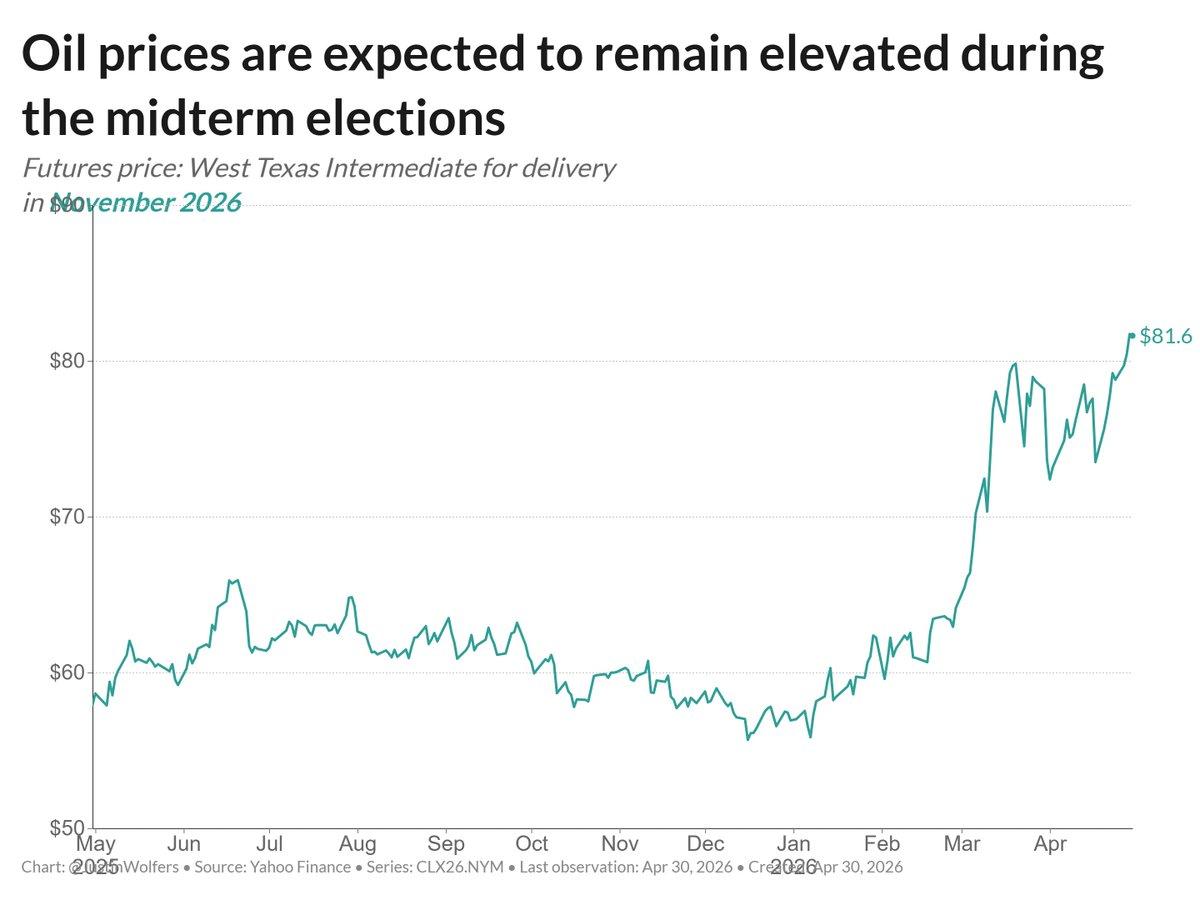
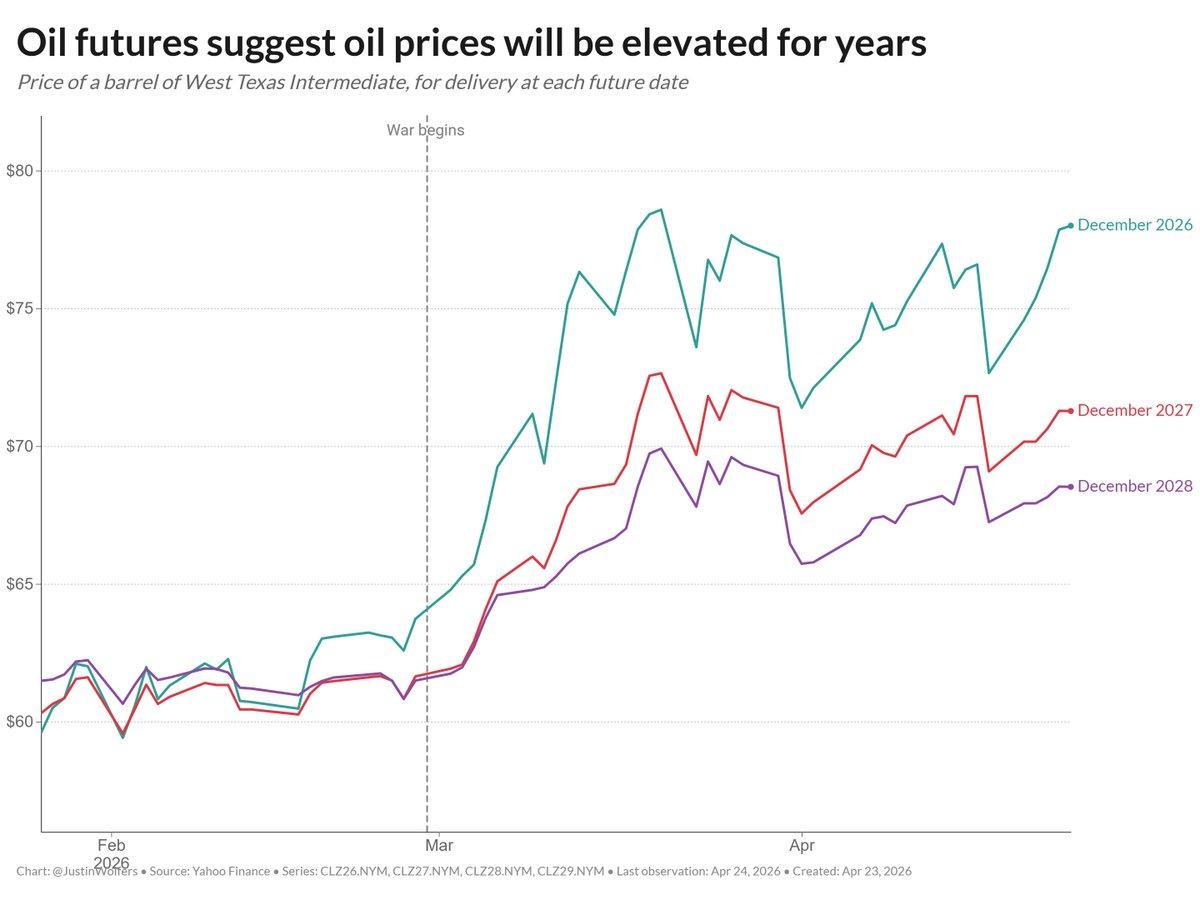
Futures markets suggest that trouble in the Middle East -- and higher energy prices -- will still be with us during the U.S. midterm elections in November. https://t.co/sX0oV15qiq
US Iran Invasion Derails Expected Fed Rate Cuts
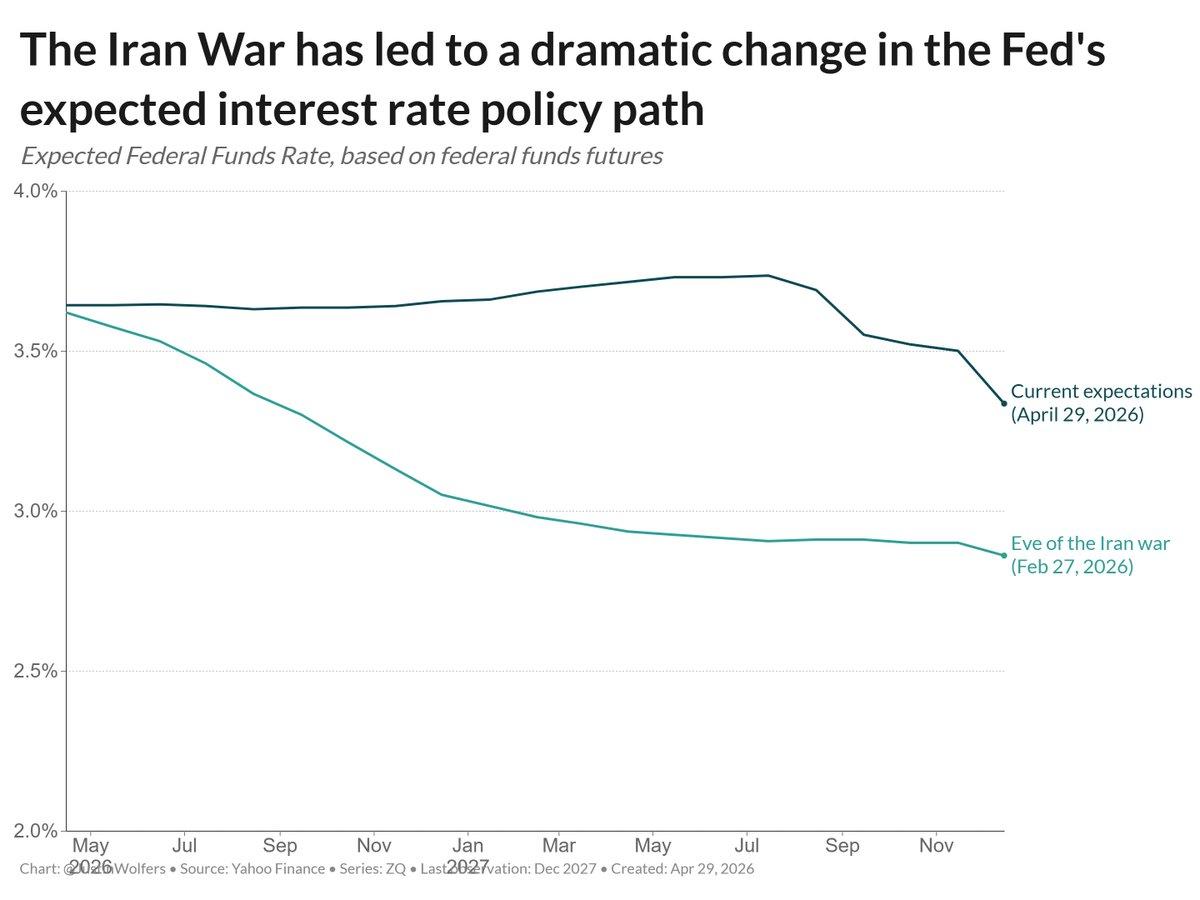
Fed rate cuts were on the cards. But then the U.S. invaded Iran. Now the outlook is very different. https://t.co/Hlv6G6KO9D
Fed Faces Unprecedented Internal Division in 21st Century
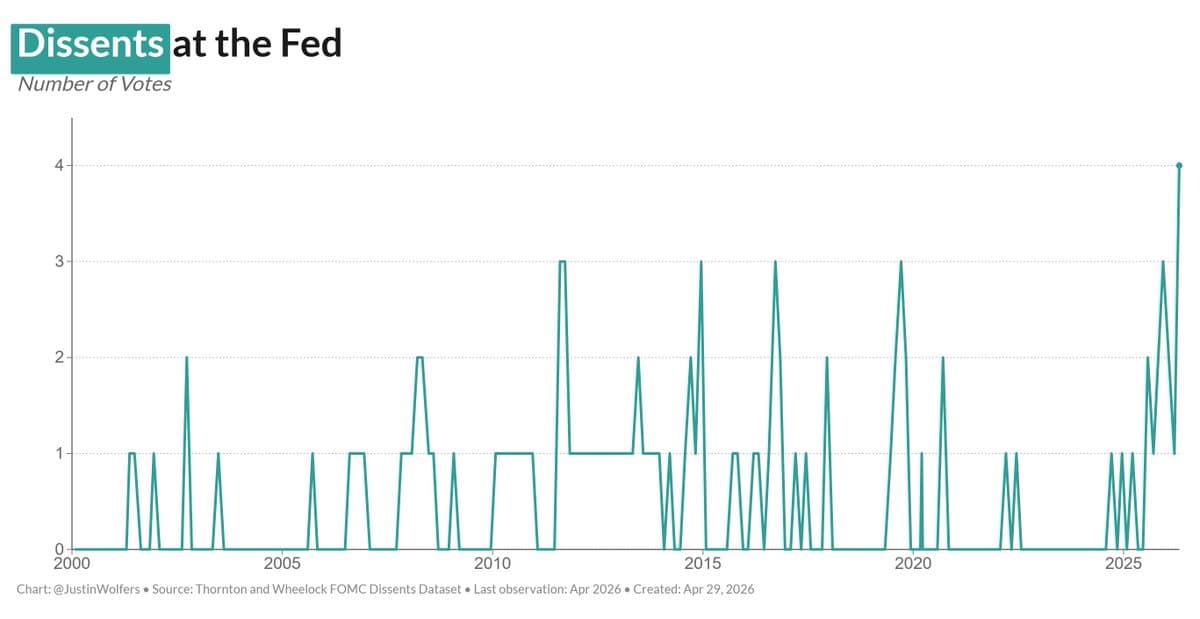
This might be the most fractious and divided the Fed has been in the 21st century... https://t.co/ejBsNbLtXp
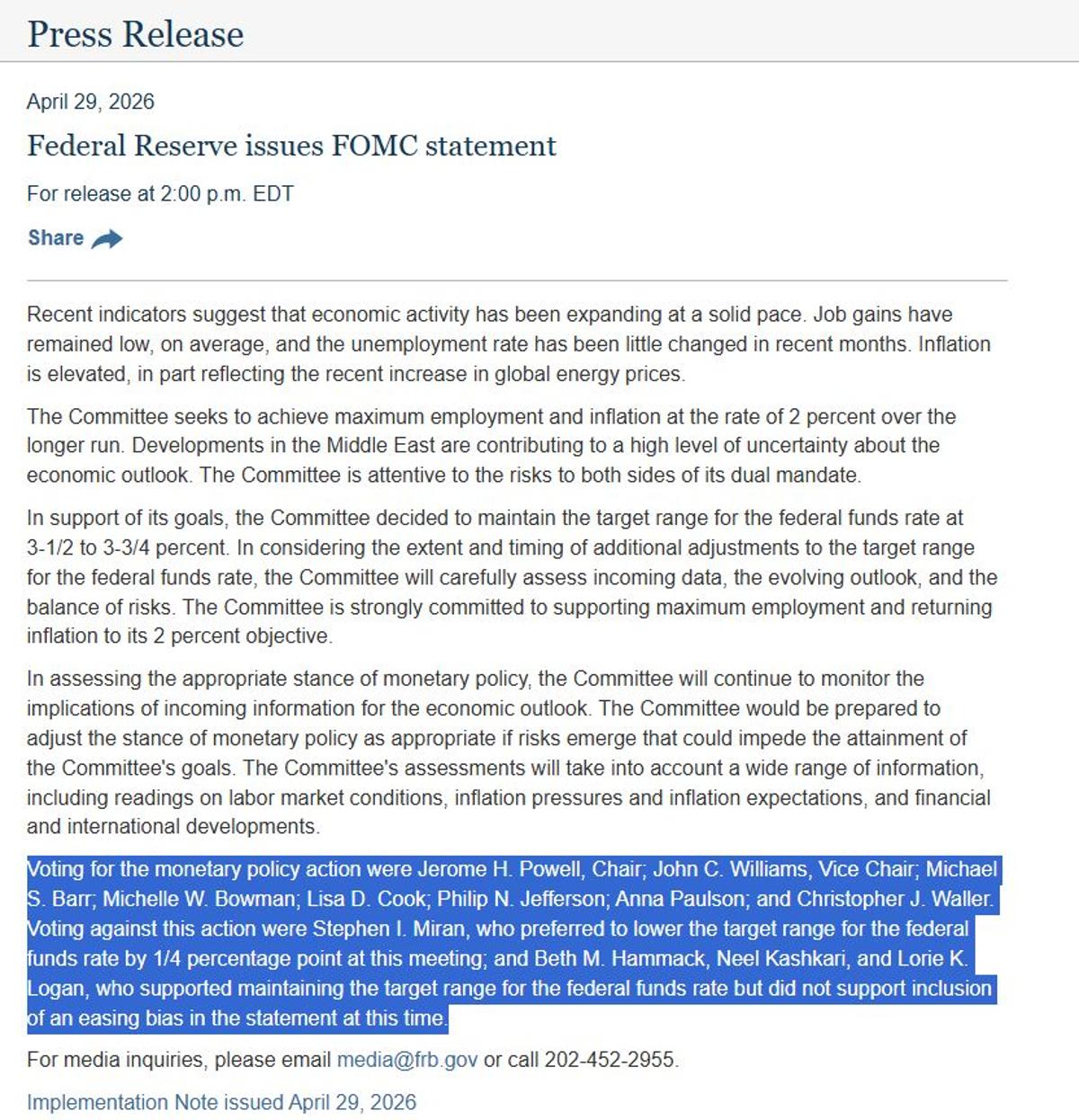
Fed Holds Rates, Committee Splits on Future Cut Language
Surprising exactly nobody, the Fed kept rates on hold. More interesting: This is the most divided I've seen a committee vote. They're not divided over the decision (except Miran, but who cares), but over the language, and whether to signal the...
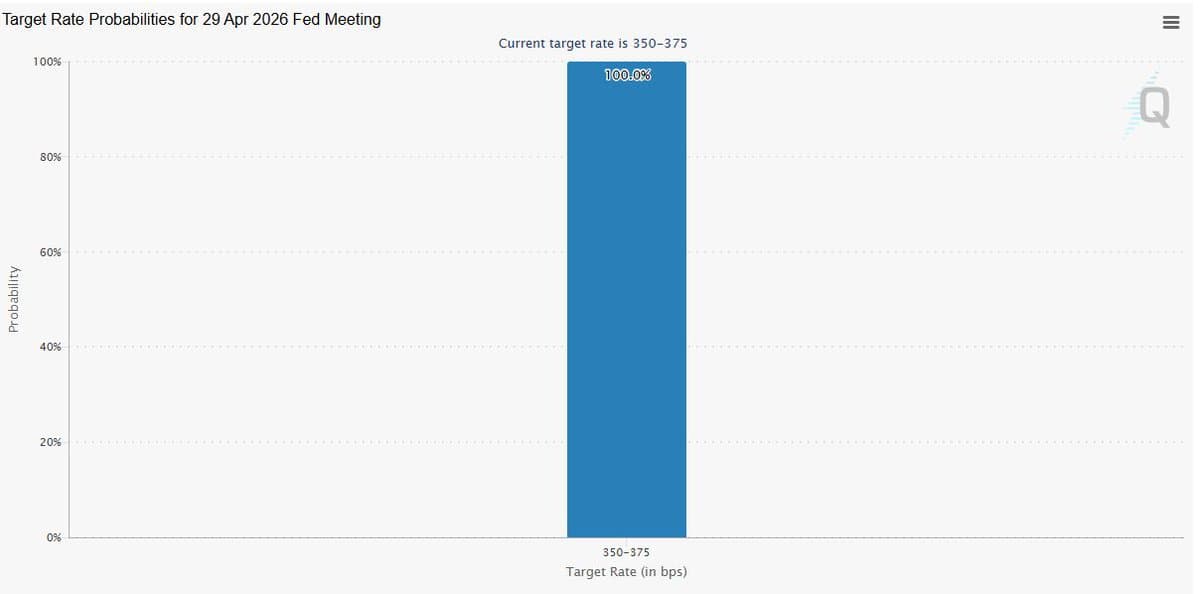
Fed's Next Move: Markets See Zero Uncertainty
The Fed announces its next rates decision in half an hour, and there is exactly ZERO uncertainty about what it won't do (at least according to Fed Funds futures markets). https://t.co/Ikedm6uh6c
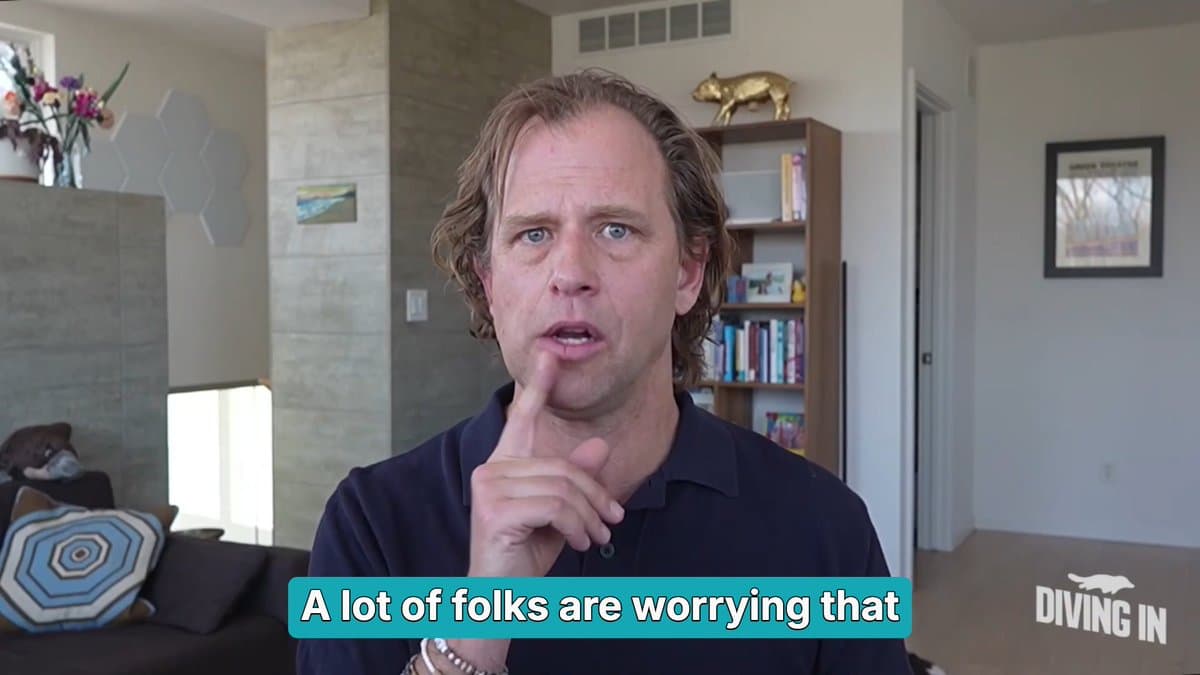
Private Credit Turns Shadow Banking Into Retail Product
Private credit now wants retail money: because apparently the lesson from finance was, 'What if we made shadow banking available in family size?' https://t.co/iSwqZWtej1
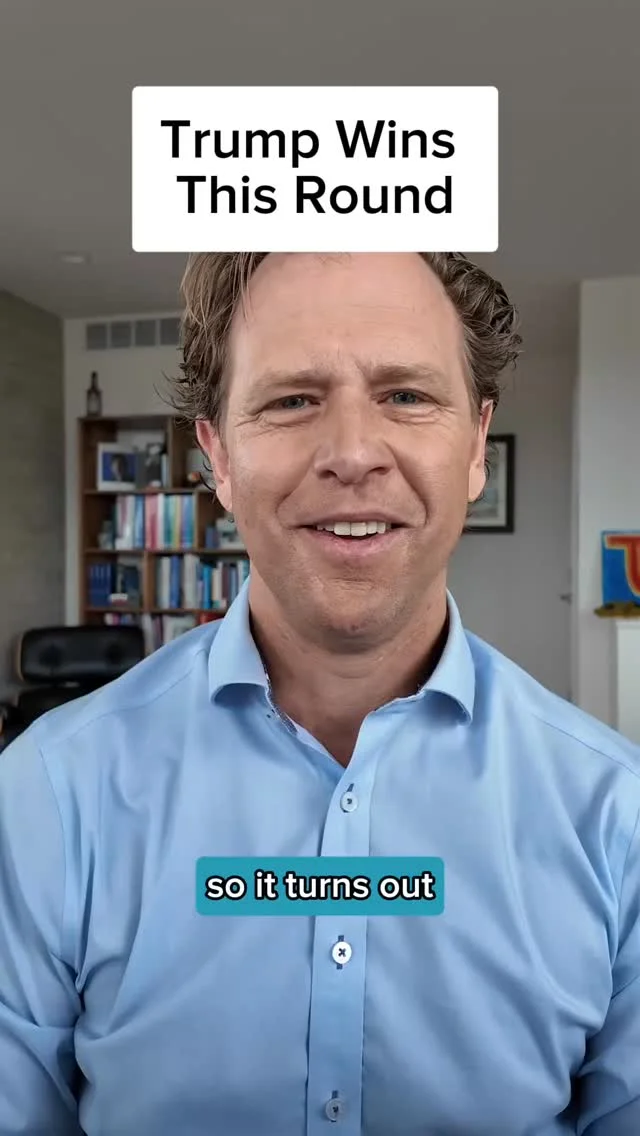
Fed Independence at Risk: Future Chair Could Face Jail
The important macroeconomic question isn't: Have charges against Powell been dropped? It's this: Can the next Fed chair make an unpopular decision without fear of jail? The President has made no promises he won't jail the next guy, so no, the...
Fed Chair Warns Decisions Echo Across Global Economy
Fed chair: one of the rare jobs where a bad call can echo through the entire world economy. So yes, I am old-fashioned enough to think boyish good looks and "no regrets" might be underqualified.
Congress Must Ban Political Threats to Future Fed Chairs
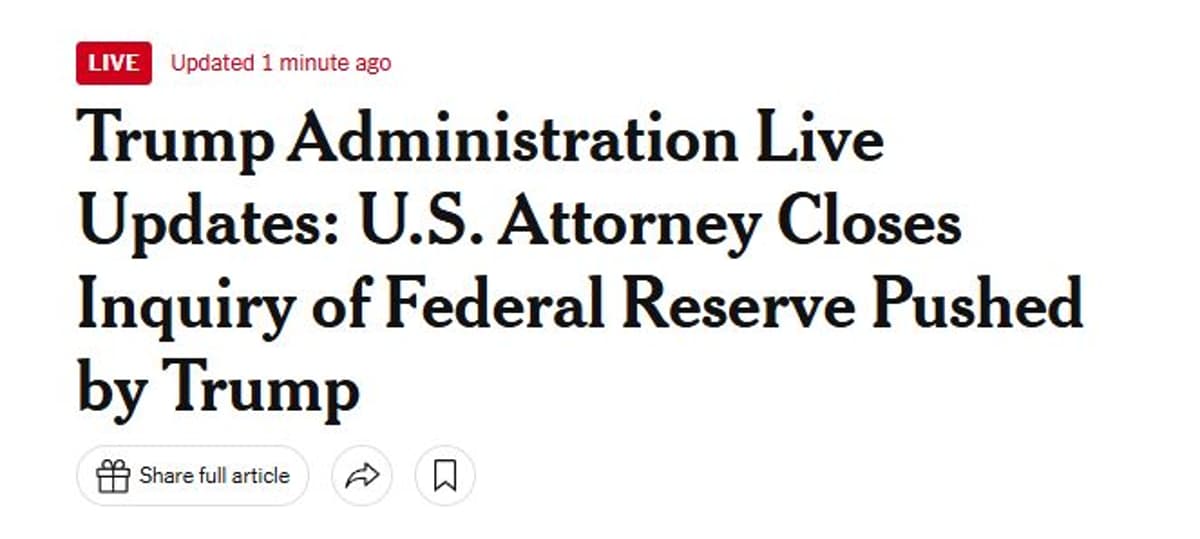
While I admired Tillis's stand for Fed Independence, this was always the problem with his strategy: The President can meet Tillis' threshold of promising promise not to jail *this* end-of-term Fed Chair, but he's kept open the option of threatening...
Central Banks Sing the President’s Tune, Not Independent
If the job interview is "Will you do my bidding?" the answer isn't central bank independence. It's central bank karaoke: the chair just sings the president's tune. https://t.co/YFiILGZPvR
Oil Futures Hit Record Pessimism Amid Geopolitical Uncertainty
The news out of the Middle East might have seemed less dire lately, but oil futures are now basically as pessimistic as they've ever been. This could be a concern that the current war continues, or it could be concern...
B+ Growth Masks Recession-Scale Deficit Mismatch
A B+ economy with a recession-sized deficit is like showing up to a Sunday barbecue in full scuba gear. Technically you’re dressed, but something doesn't add up. https://t.co/3BmlhUlHQr
Private Credit Differs Yet Echoes 2008 Shadow Banking Risks
Two things can be true at once: private credit isn't identical to 2008-era shadow banking, and some of the same vulnerabilities may be creeping back. Similar enough to inspect closely.
Private Credit Masks Volatility, Echoes 2008 Shadow Banking
Private credit may hide volatility, but hiding it doesn't make it disappear. We learned that lesson with shadow banks in 2008. Is private credit just shadow banking with a new name? Partly yes, partly no. The honest answer is rarely...
Private Credit’s Hidden Risks: Unseen Leaks Surface Later
Private credit is like plumbing behind the drywall — the water still flows, but you lose the gauges. You might not notice the slow leak until the ceiling stains appear. That's the trade-off worth understanding. https://t.co/QyNvAT3d9N
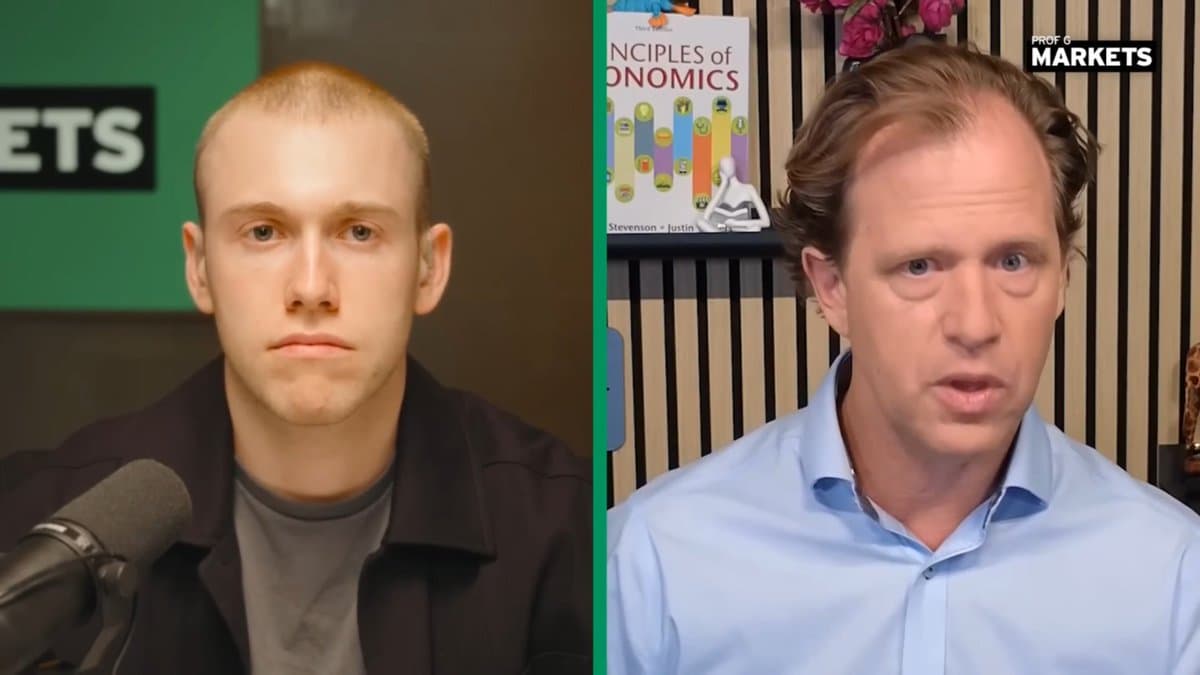
Revealed Vulnerability Shifts Bargaining Power; Iran's Capabilities Now Known
Bottom line: the issue isn't only what Iran can do. It's that everyone now knows what Iran can do. Revealed vulnerability changes bargaining power. https://t.co/icf9axhcM0
Private Credit Emerges as Major Hidden Business Lender
Private credit is the bit of finance that’s not banks and not public bond markets, but is now big enough to matter for everyone else. Translation: a lot of business lending migrated somewhere less visible. https://t.co/J4tA5D8pq6
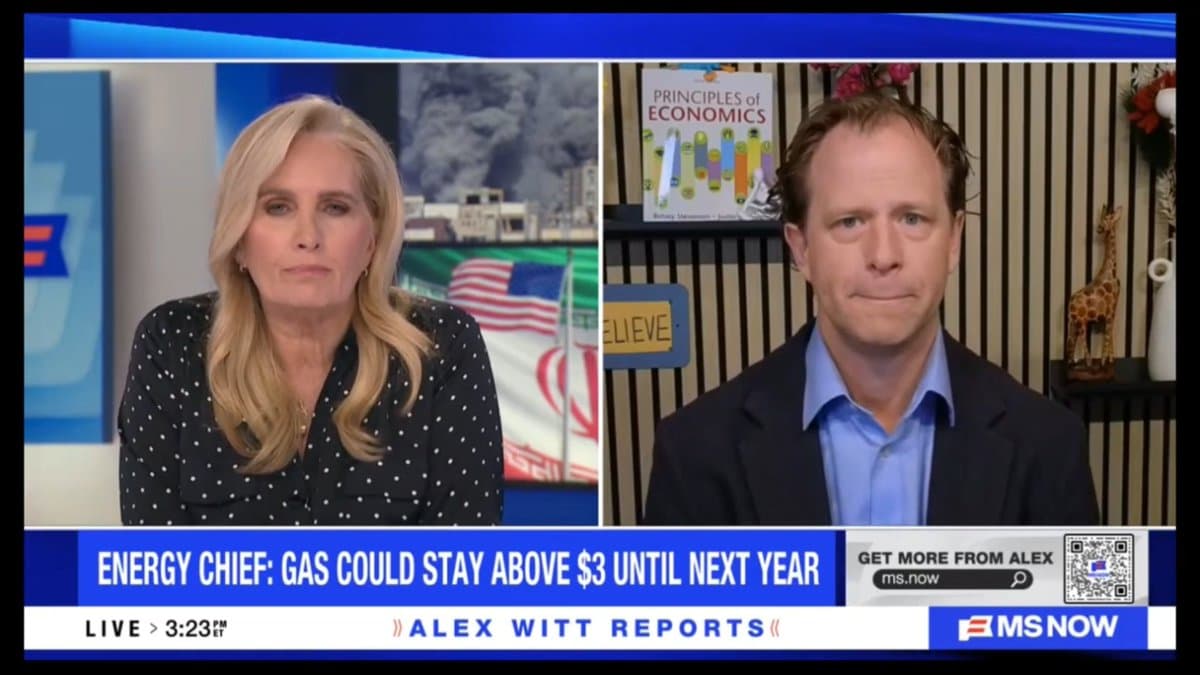
Hormuz Tensions Lock Gas Prices Through 2027
Strait of Hormuz uncertainty isn't just pushing up today's gas prices — it's lifting futures through 2027 and beyond. The energy secretary's optimism may already be outdated. Until we get resolution, expensive gas isn't going anywhere soon. https://t.co/NZ4lVvoG5p

War's End Won't Erase Lasting Economic Damage
Whatever happens with the ceasefire, it's worth remembering that even if the war ends, the damage remains. The broader economic consequences are large, and persistent, and affect all of us. https://t.co/EA5xHP8jR3

Good News Hits Open Markets, Bad News Follows Closed
The concerns I expressed about unanswered questions proved to be unfortunately prophetic. This week gave us yet another example of the pattern of good news while markets are open, followed by the real news coming as soon as they're closed.
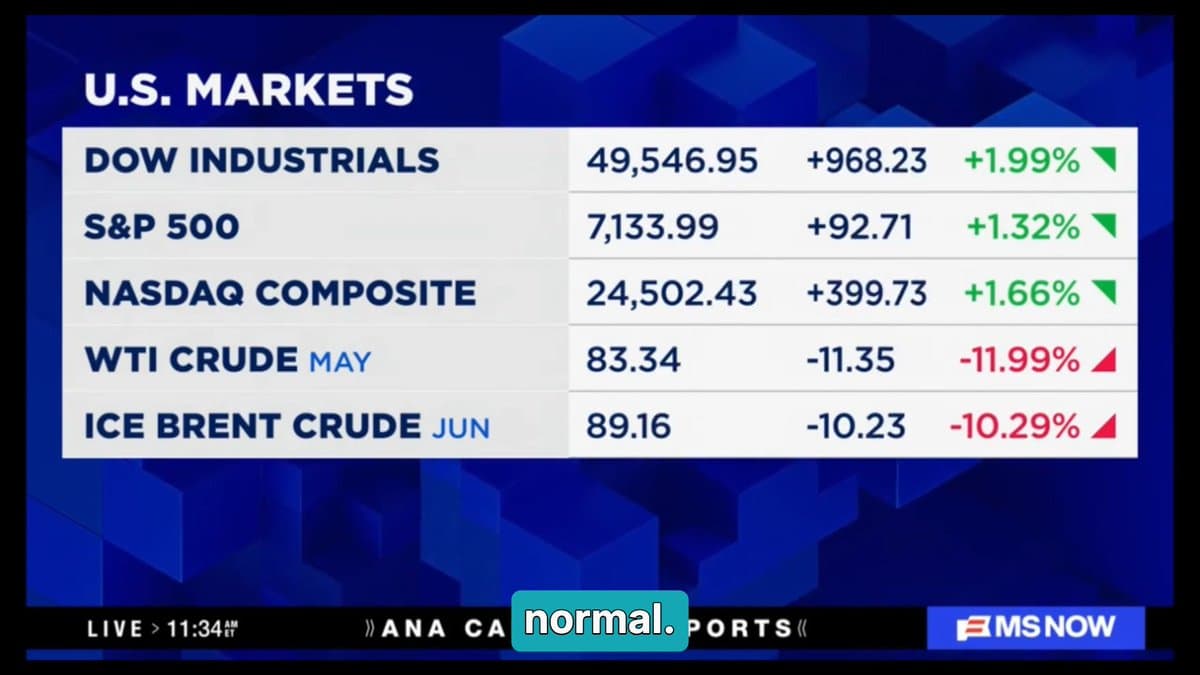
Supply Chains Remain Stuck in Transit Despite Peace
Supply chains are like ordering from the slowest online retailer on Earth: even after peace breaks out, the package still says, "in transit." https://t.co/54spIimiws
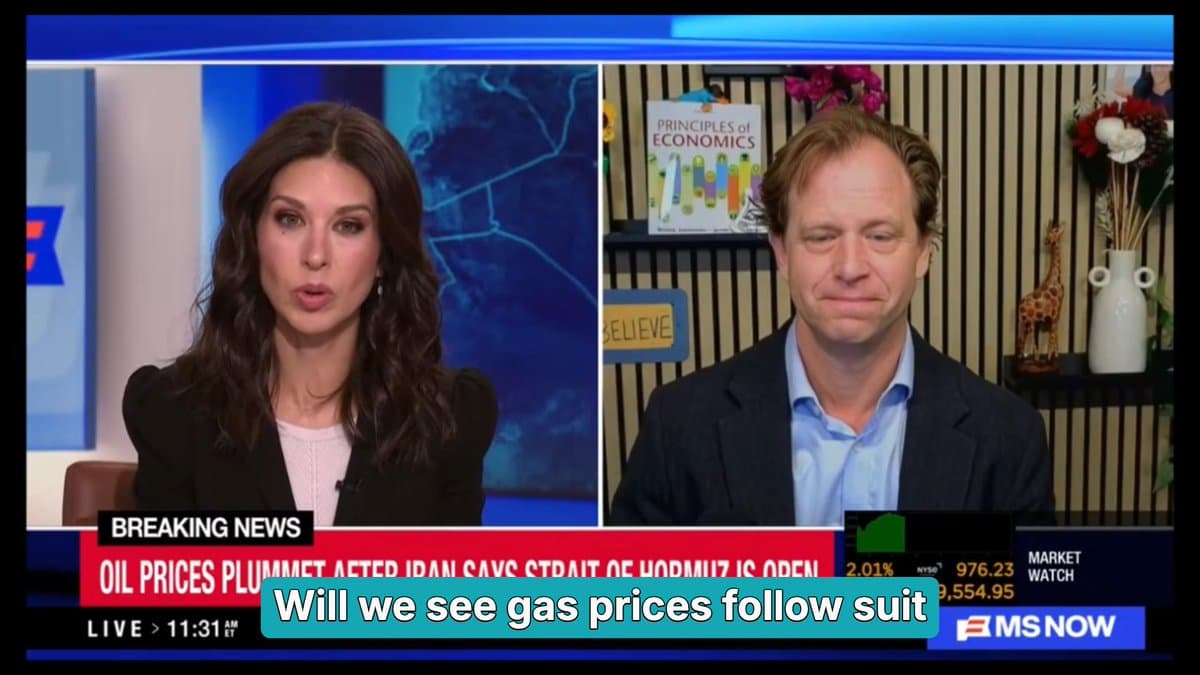
Oil Dips, but Hormuz Ceasefire Keeps Markets Wary
Oil prices are falling, but don't celebrate at the pump just yet. The Strait of Hormuz is "open" — for now. We're 5 days into a 10-day ceasefire. A lot can still change. https://t.co/RUshSF8tJh
Modest Price Impact, Serious Geopolitical Shift Ahead
Two things can be true at once: the price effect on U.S. drivers may be modest, and the geopolitical effect may be serious. Econ isn’t just about what you pay today; it’s also about who gains power tomorrow. https://t.co/TsEHRECAKW

War’s Economic Damage Endures Long After Conflict Ends
A lotta economic damage from this war will persist long after it ends. Lemme youtube-splain: https://t.co/9XY4jpVVZR
Physical Production Lags While Markets Adjust Instantly
"If your local bakery loses one of its ovens, the whole neighborhood ends up having to get by with less bread." That's the whole game. Markets can calm fast; physical production can't. https://t.co/62mri1raCe
Fed's Rate‑Cut Dilemma: Weak Economy vs Rising Inflation
Normally a weaker economy might lead the Fed to cut rates. But if inflation is also rising, rate cuts risk adding fuel to the price problem. Two goals, one instrument, lousy trade-off.

IRS Cuts Act as Tax Breaks for the Hidden Wealthy
Here’s the thing—especially on April 15: cutting the IRS isn't some abstract budget trim. It's a tax cut delivered through weaker enforcement. And it mostly goes to people with the most scope to hide income. https://t.co/HAu6RDag6P
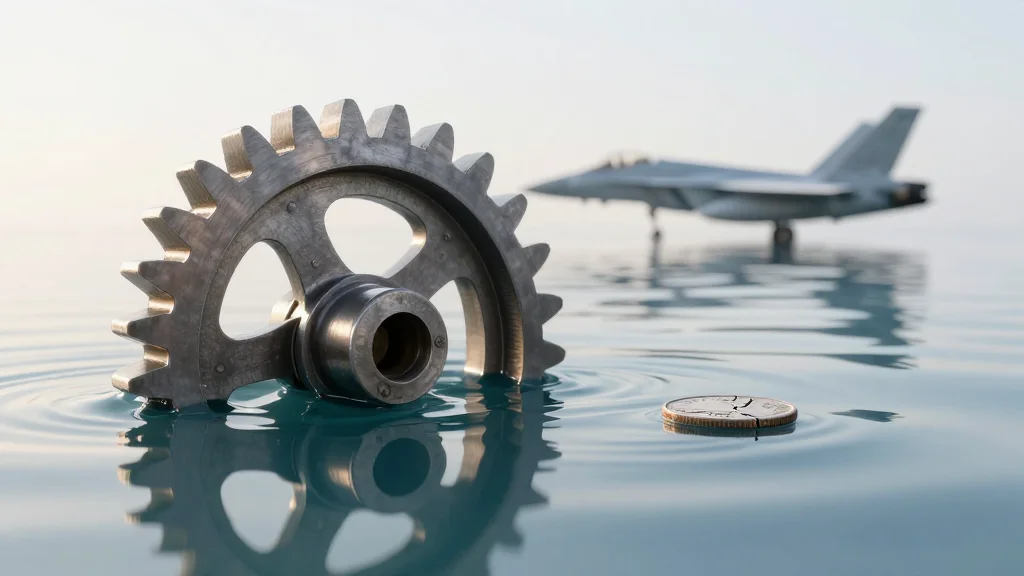
War's Hidden Costs Hit Americans Irreversibly, Even After Ceasefire
The question that I get asked most often is: Even if the ceasefire holds, has the war already imposed large irreversible costs on Americans? So I made a video digging into these issues. The stakes may be much larger than you...

Blockading Ports Isn’t Strategy; It’s Self‑defeating.
2025: blockading American ports. 2026: blockading Iranian ports. Same move, different flag. If your grand strategy is just “less trade for everyone,” mate, that’s not chess. That’s flipping the board. https://t.co/Re8HN1bIye

Trump's Moves Price Chaos in Market Volatility
"Every time Trump escalates, markets go down. Every time he deescalates, markets go up." That's not a mystery. It's a price tag on chaos. https://t.co/i552NfcSzT

Markets Find Relief, Not Optimism, in Reduced Conflict Risk
In English: markets aren't cheering conflict. They're reacting to a reduced chance of a much bigger mess. That's not optimism. That's relief. https://t.co/xyuf645L9H
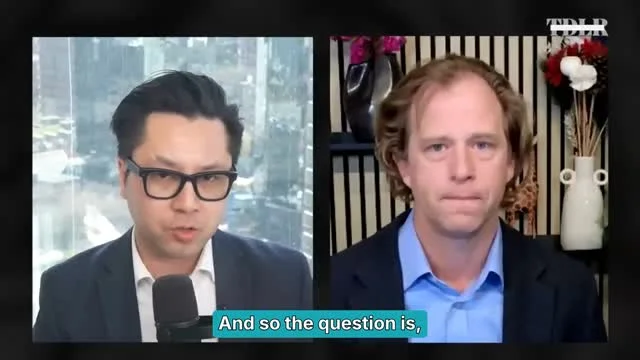
Economists Embrace Uncertainty When Leaders Behave Inconsistently
An economist’s job isn’t to pretend certainty where none exists. If the key decision-maker is wildly inconsistent, the right forecast comes with a very wide error bar.

Defense Spending Costs You: Every Dollar Means a Tax
"If you’re gonna spend another dollar, that means you’re gonna have to tax another dollar." That’s the whole game here. More defense spending isn’t free. It’s a bill with your name on it. https://t.co/bxiqmzZNCB

Oil's Hidden Role Powers Every Corner of Economy
"Oil is an absolutely essential commodity that's built into our economy in all sorts of ways that are not immediately obvious." https://t.co/cLvjjzdJDU

Inflation Expectations Become a Self‑fulfilling Macroeconomics Feedback Loop
Inflation expectations are the group chat of macroeconomics: once everyone thinks prices are going up, everyone starts acting like prices are going up, and then... surprise... prices go up. https://t.co/eXVIDDjJ4V
Molly Jong-Fast Unpacks Trump Economy, Trade War, Truth Crisis
Today's pod: The brilliant @mollyjongfast had me on Fast Politics to discuss the Trump economy, the trade war, the war war, and the war on truth. https://youtu.be/-2poUJZP_fQ?si=VtfGr80vGj_Xa7JA