
Mike the Value Investor
Professional investor focused on fundamentals and intrinsic value; shares valuation concepts (e.g., ROIC, FCF, scenario analysis) and long‑term equity strategy.

Risk Lies in Price Paid, Not Business Quality
Klarman paid 50 cents for a dollar. Not because the business was safe. Because the price was. The same stock at $20 is a speculation. At $8 it's a margin of safety. Nothing about the company changed. Risk isn't in the asset. It's in what you paid for it.
Treat Estimates as Estimates, Not Facts, for Safety
Graham built margin of safety into every model. Not because he was pessimistic. Because his inputs weren't facts — they were estimates. An estimate dressed up as a fact is the most dangerous number in investing.
Analysts' DCFs Rely on Guesswork, Not Valuation
Munger called it plainly: most analysts don't value a business. They pick a growth rate, plug it in, and let the spreadsheet do the lying for them. Terminal value is 80% of your DCF output. That's not a model. That's a guess...

Only Four Moats Last Decades, Seven Analyzed
Most "moats" investors rely on aren't actually durable. Brand fades. Technology gets disrupted. Scale gets matched. I analyzed 7 moat types and ranked them by how long they actually hold. 4 that compound quietly for decades. 3 that look safe until they aren't.
Trade Against Mr. Market's Mood, Not His Logic
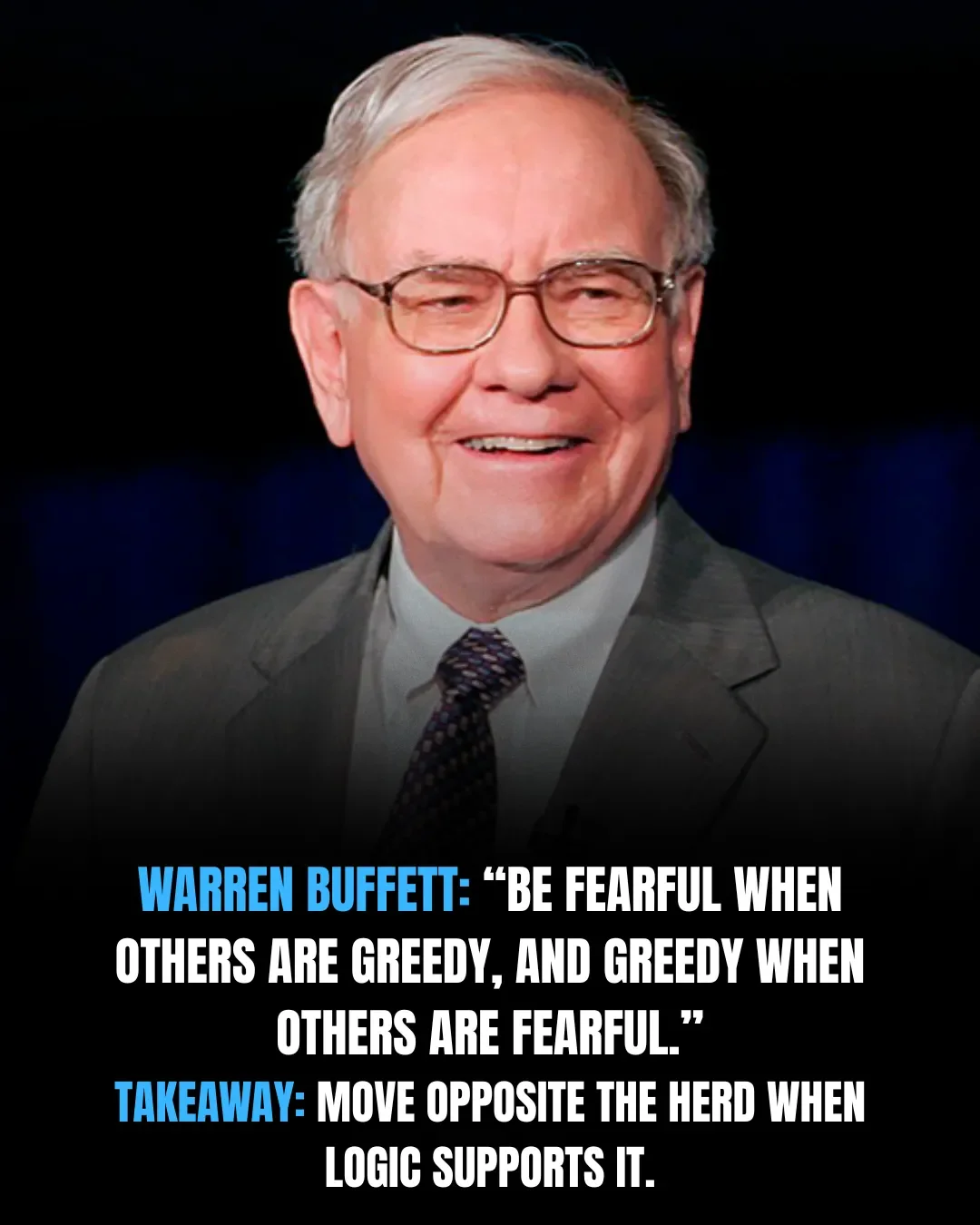
Mr. Market has two moods: euphoria and despair. He never texts you when he's thinking clearly. Buffett's edge isn't intelligence. It's knowing which mood to trust — and which one to trade against. That's not genius. That's temperament.

Risk Models Miss Reality: Rare Events Defy Statistical Curves
Klarman keeps a list of every time a risk model said "once in a century event." It's a long list. The model didn't fail because the math was wrong. It failed because reality doesn't grade on a curve. That's not a bug. That's...
Free Cash Flow Beats Hype: Buffett’s Cigar‑butt Strategy
Buffett called it "cigar butt investing" like it was a joke. It wasn't. One free puff, backed by working capital, not a story, is worth more than ten analyst upgrades. The bargain isn't in the thesis. It's in what's already there.
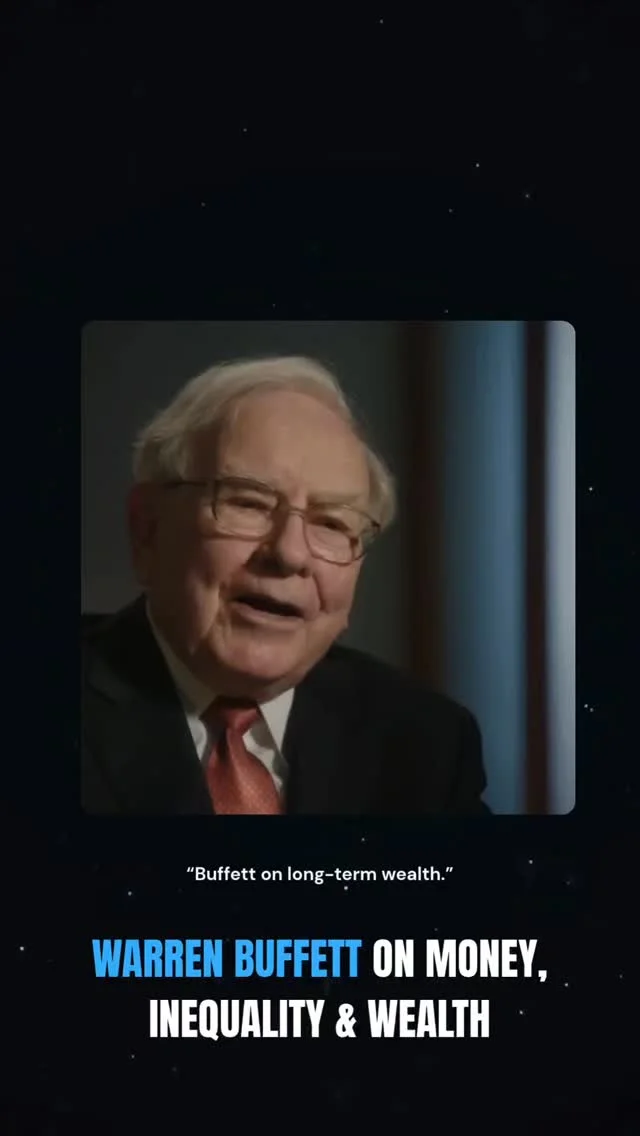
Buffett’s $100K Salary Shows Purpose Trumps Pay
Buffett takes $100,000 a year in salary. He doesn't ask the board if that's fair. He doesn't need to. "Money has no utility to me." Most CEOs optimize their comp package. He optimized his purpose decades ago. The salary was never the point.
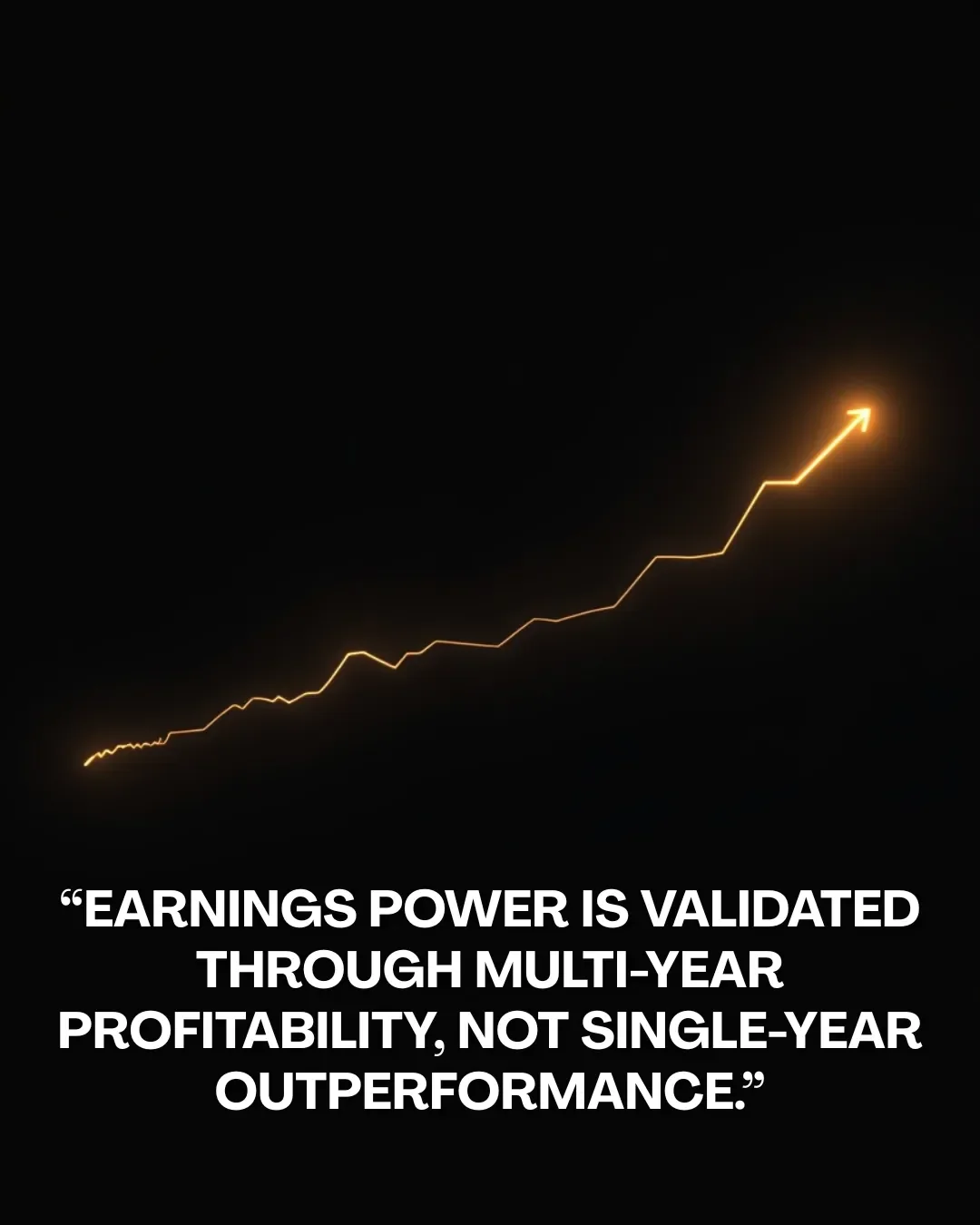
Eight Years of Growth Reveal True Moat, Not Luck
Buffett passed on a company that just posted its best year ever. He wanted to see year 8. Single-year outperformance is how good luck looks before it reverts. Eight years of it is how a moat looks before the market notices. That's not...

Early Critics Mistook Buffett’s Patience for Failure
Everyone was calling Buffett a dinosaur in 1999. Nasdaq up 85%. His returns lagging the index. Articles asking if he'd "lost it." Then the dot-com bubble burst. And Berkshire quietly compounded through the wreckage. Being early and being wrong look identical. Until they...

Focus on One Deal, Let Compounding Do the Rest
Munger never chased the next deal. He was too busy with the one already on his desk. Most people wait for a better opportunity. He made the current one better. Mr. Market rewards the hustlers. Compounding rewards the focused.
Focus on Interest Coverage in Normal Years, Not Booms
Graham had one rule most analysts skip: interest had to be covered, not in a good year. In a normalized one. Because the good years take care of themselves. That's not conservatism. That's the entire game.
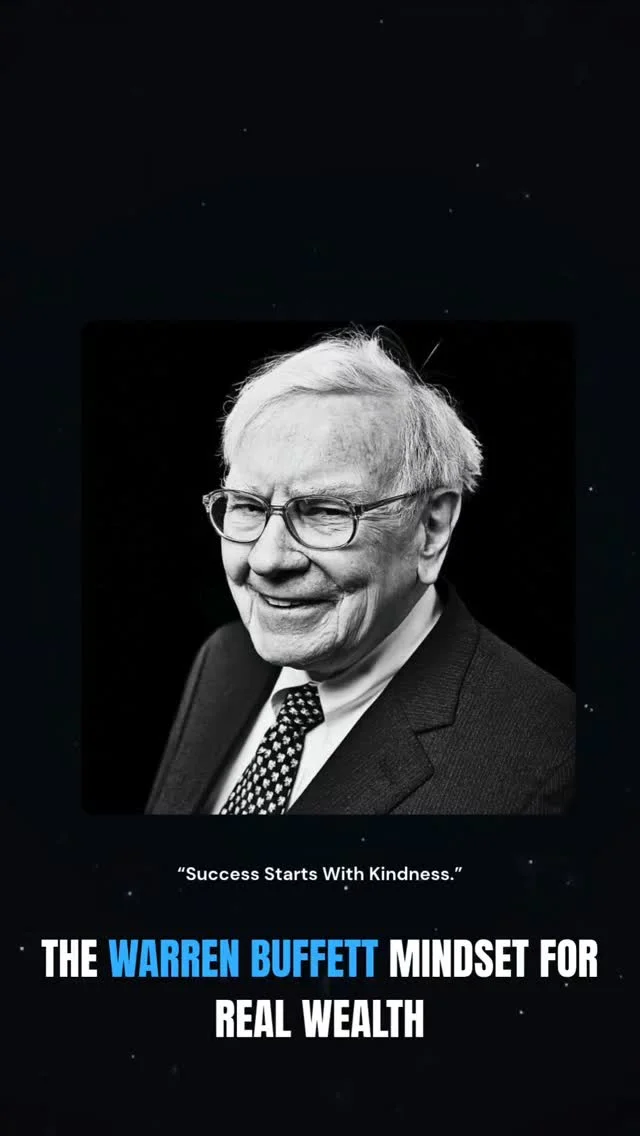
Kindness Compounds Like Investments, Buffett Proves
Buffett built Berkshire on one principle: buy what compounds. He applies the same filter to people. Kindness compounds. It costs nothing today. It returns everything eventually. He's been proving it for 94 years.

Diversification: Safety Net, Not Blindfold, When You Know
Graham didn't say diversification was bad. He said it was the price you pay for not knowing what you're doing. There's a difference between a safety net and a blindfold. Most portfolios are the second thing dressed up as the first.
Net‑Nets Thrive on Clean Balance Sheets, Not Ash
Graham called it a cigar butt. One last free puff. But if the tobacco was wet, stale inventory, uncollectible receivables, there's no puff. Just ash. Net-nets work. Until they don't. The difference is always the balance sheet behind the balance sheet.