
Mike the Value Investor
Professional investor focused on fundamentals and intrinsic value; shares valuation concepts (e.g., ROIC, FCF, scenario analysis) and long‑term equity strategy.
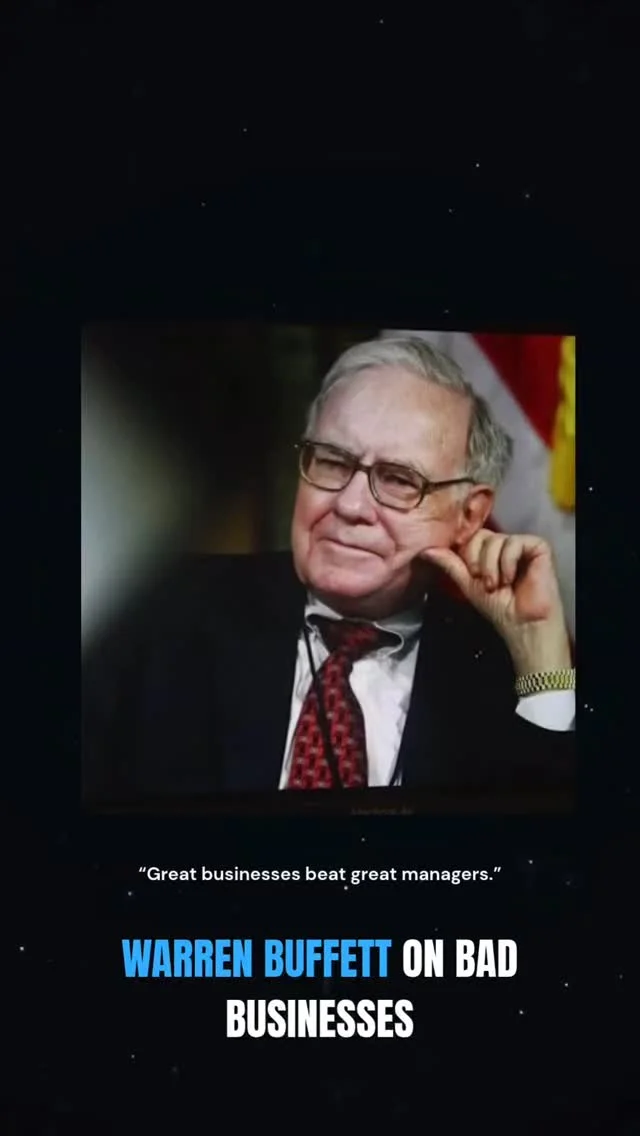
Bad Businesses Stay Bad—Quality Is the only Thesis
Buffett called it clearly: a bad business is a bad business. No strategy saves it. No manager fixes it. No valuation justifies it. The smartest move he ever made in Textiles? Finally leaving. Business quality is the investment thesis.

45% Drop, Still Holds U.S.’s Top Beer – Opportunity
A stock down ~45%… but still owns the #1 beer in the U.S. High margins. Permanent rights. Strong cash flow. Market sees risk. I see a question: Temporary pressure or permanent damage? That’s where the opportunity is.
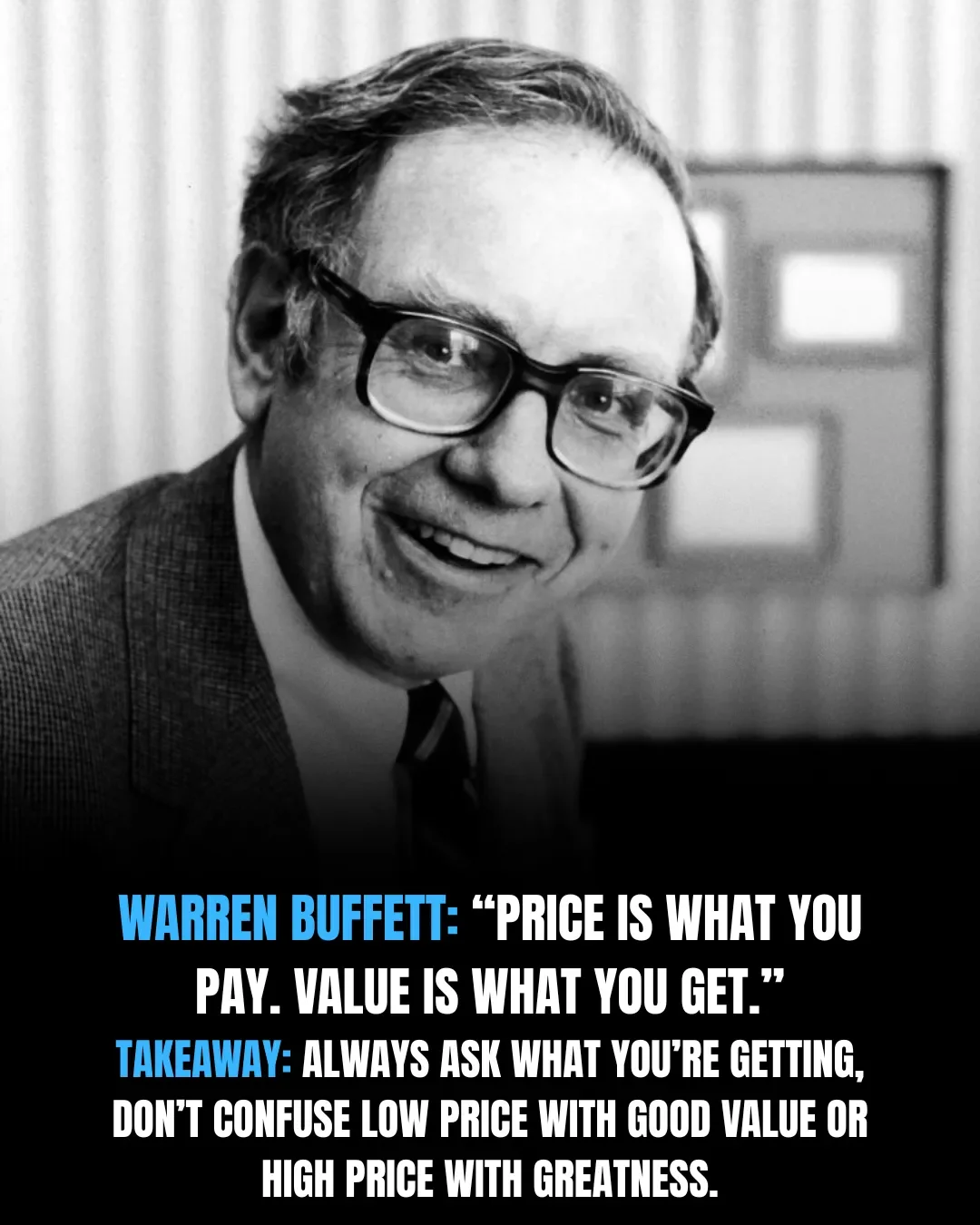
Don’t Confuse Price with Value: Invest Wisely
Most investors lose not because they pick bad stocks — but because they mistake price for value. Here's the difference: 1️⃣ Price is a number. Value is a judgment. 2️⃣ Price is public. Value takes work to find. 3️⃣ Price changes daily. Value changes...
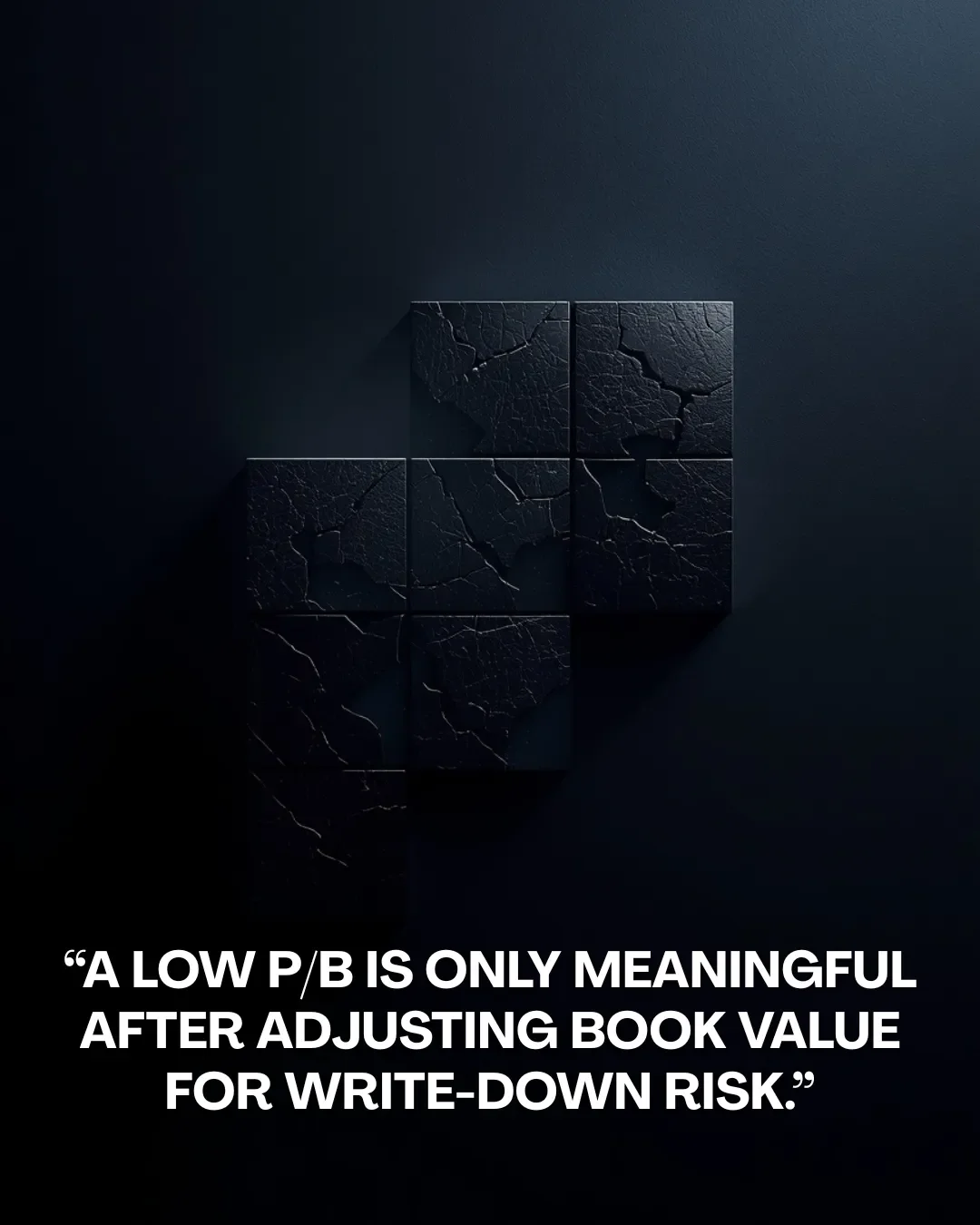
Low P/B Doesn't
A low P/B stock isn't cheap. It's priced low. There's a difference. Book value is only as honest as the assets behind it. Write down the bad loans, the obsolete inventory, the goodwill someone overpaid for, and that "bargain" starts looking...
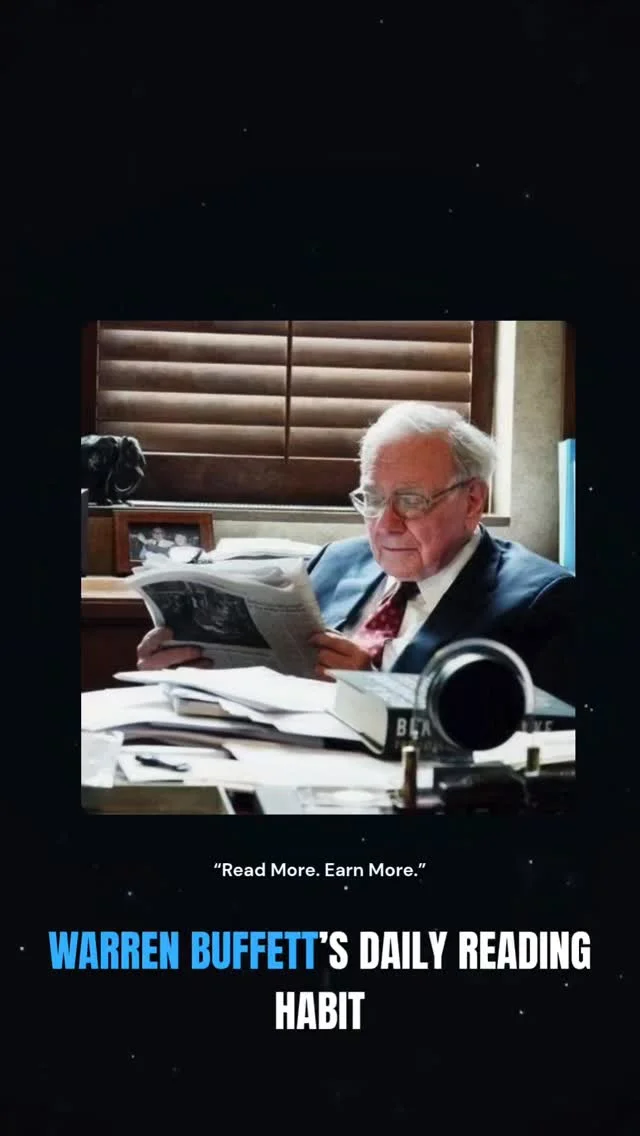
Understanding Before Action: Buffett's Reading Builds Patience
Buffett reads 5–6 hours a day. Not to find tips. Not to chase ideas. To shrink his circle of ignorance, one page at a time. Most investors act first and understand later. He understands first. Then acts once, decisively. The edge isn't the reading....

Liquidity Over Stock Picking: Patience Wins in Crises
Seth Klarman sat on billions in cash for years while the market laughed at him. Then 2008 arrived. He didn't scramble for liquidity. He had it. The best investors don't just pick stocks. They manage the conditions under which they're allowed to...
Equity Is Just the Residual After Debt Gets Paid
Most investors think equity is an asset. Graham knew better. Equity is what's left over after everyone else gets paid. Debt holders eat first. Preferred holders next. You're last in line. Leverage doesn't just add risk, it determines whether you survive to collect...
Invest with Downside Focus, Not Hopeful Upside
Smart investors don't sleep well because they own great businesses. They sleep well because they know what could permanently destroy them, and haven't bought it. 1️⃣ Identify the real downside, not the hopeful upside 2️⃣ Margin of safety is insurance against your own...
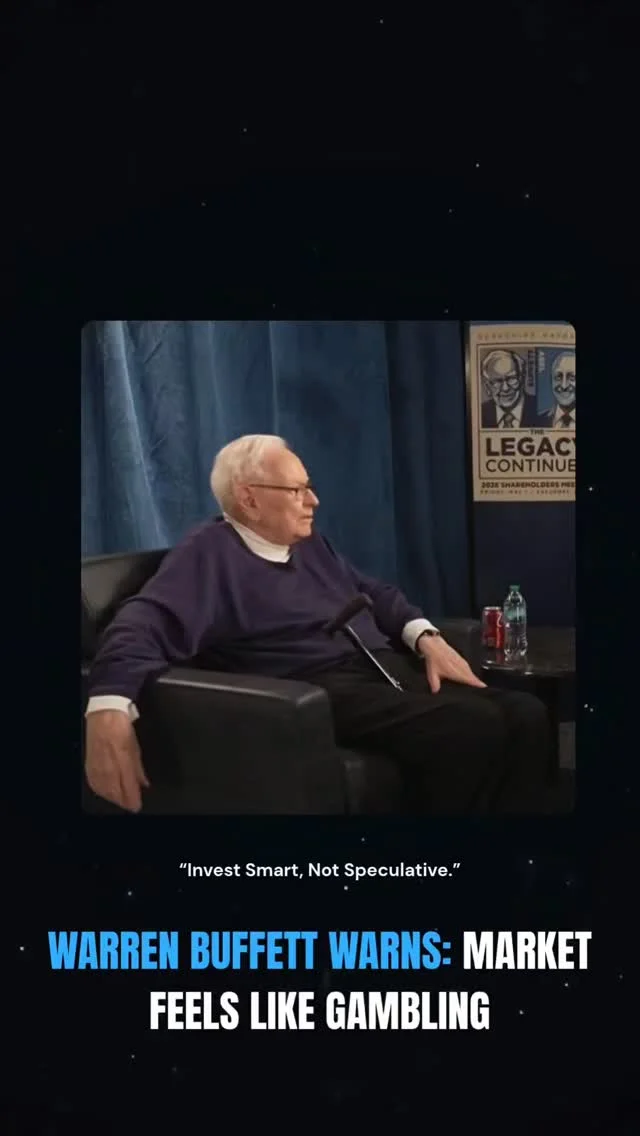
Market Mispricings Are a Shopping List, Not a Warning
Most people think the casino and the stock market are different places right now. They're not wrong. Buffett sees it too. The difference: casinos don't occasionally misprice great businesses at 40 cents on the dollar. That's not a warning. That's a shopping list.

History Repeats: Overpay, Panic‑Sell, Mistake Speculation
Graham said those who forget market history are condemned to repeat it. Here's what gets repeated most: 1️⃣ Overpaying for growth because "this one's different" 2️⃣ Selling quality businesses during panic because price ≠ value 3️⃣ Calling speculation "investing" because everyone else is...
Low P/E, High Debt = Value Trap
A low P/E on a debt-laden business isn't value. It's a trap with a discount sticker on it. Defensive valuation means: cheap price, clean balance sheet, real cash flows. Remove any one leg and the stool falls.
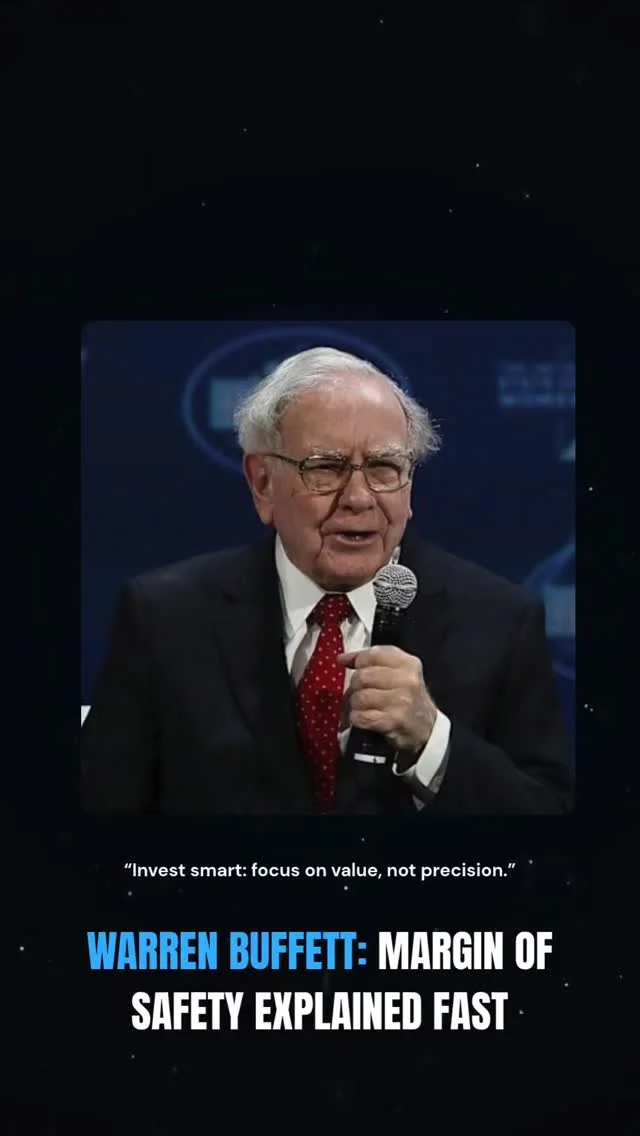
Avoid False Precision: Trust Margin of Safety Over Hope
Buffett bought $1B of Coke without a spreadsheet model. Not because he was lazy. Because false precision is its own form of risk. If you need 3 decimal places to feel confident, that's not margin of safety. That's a margin of hope.
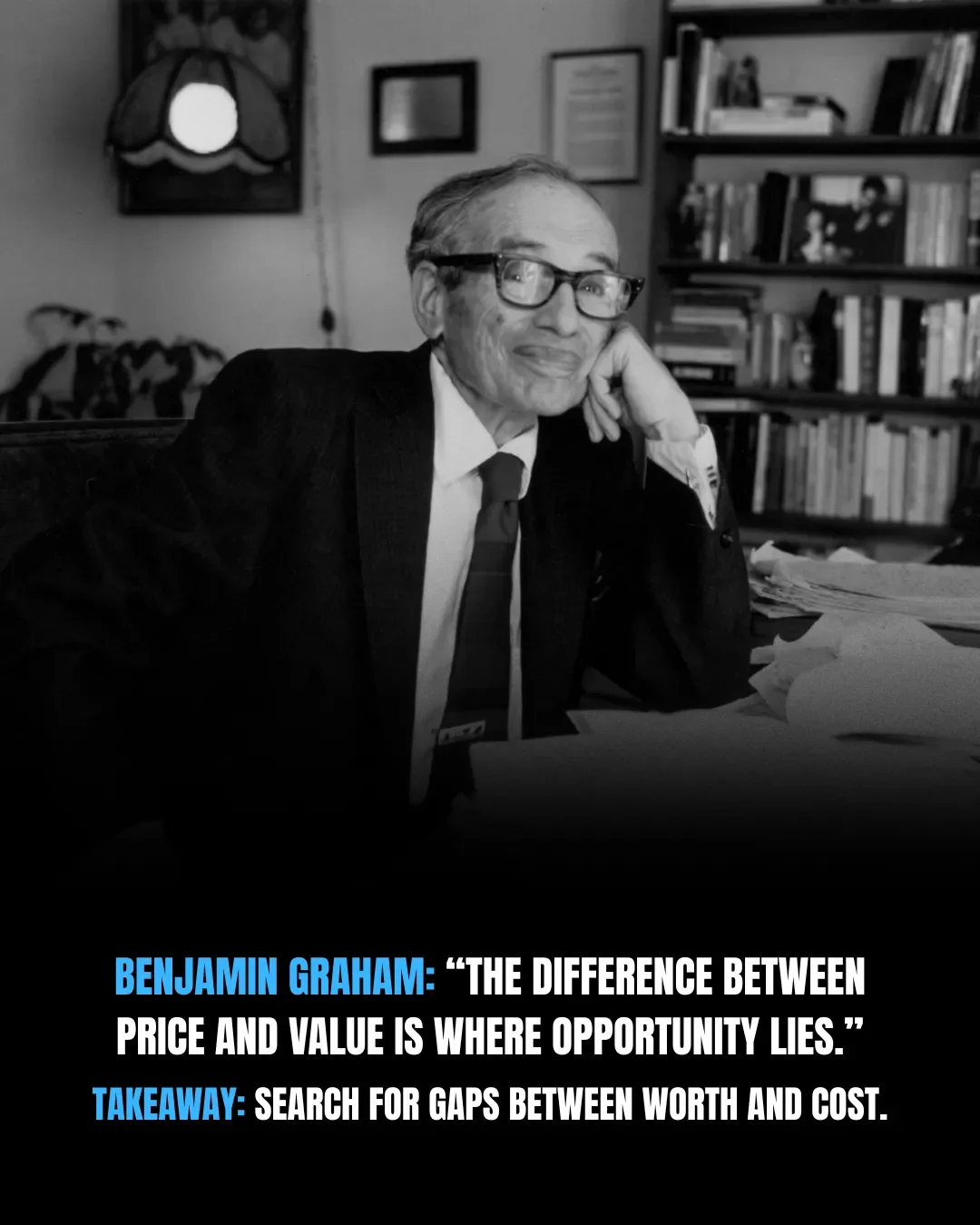
Invest in Price, Not Just Great Stocks
Ben Graham didn't teach people to find great stocks. He taught them to find great prices. There's a difference, and most investors never learn it.
Dividends Reveal True Earnings, Not Passive Income
Dividends feel passive. The math underneath them isn't. A company paying out more than it earns isn't sharing profits — it's liquidating itself. Dividend coverage isn't accounting. It's a stress test for real earning power.
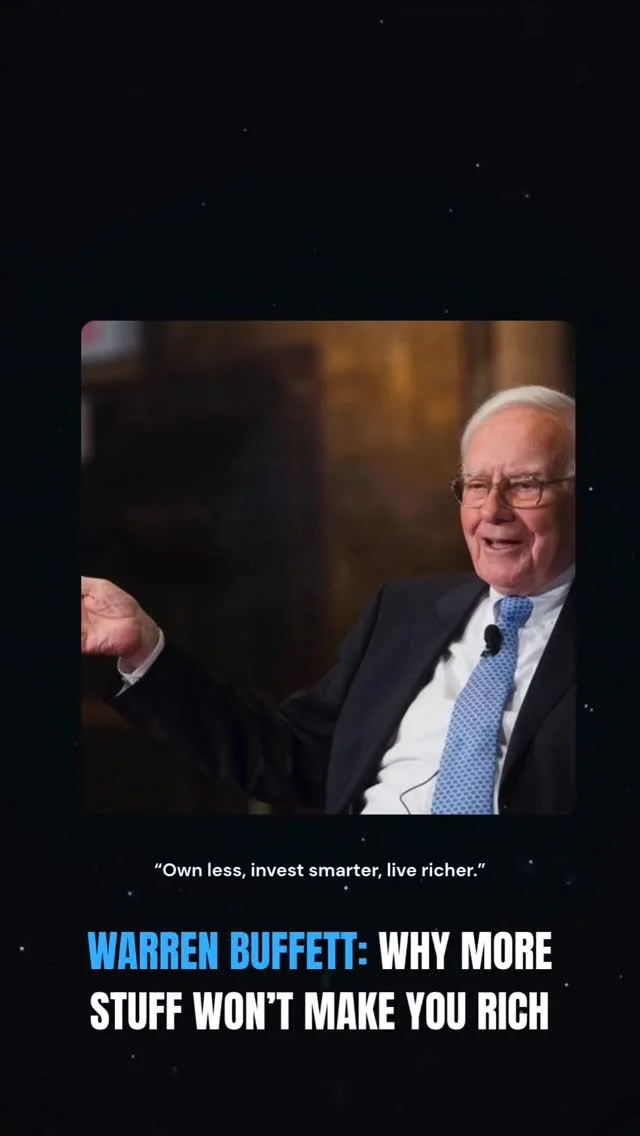
Fewer Positions, Greater Profit: Embrace Concentrated Investing
More positions don't mean more profits. They mean more decisions, more mistakes, and more noise drowning out your best ideas. Buffett doesn't own 5 cars. He doesn't run 500 stocks either. Concentration is a feature, not a bug.
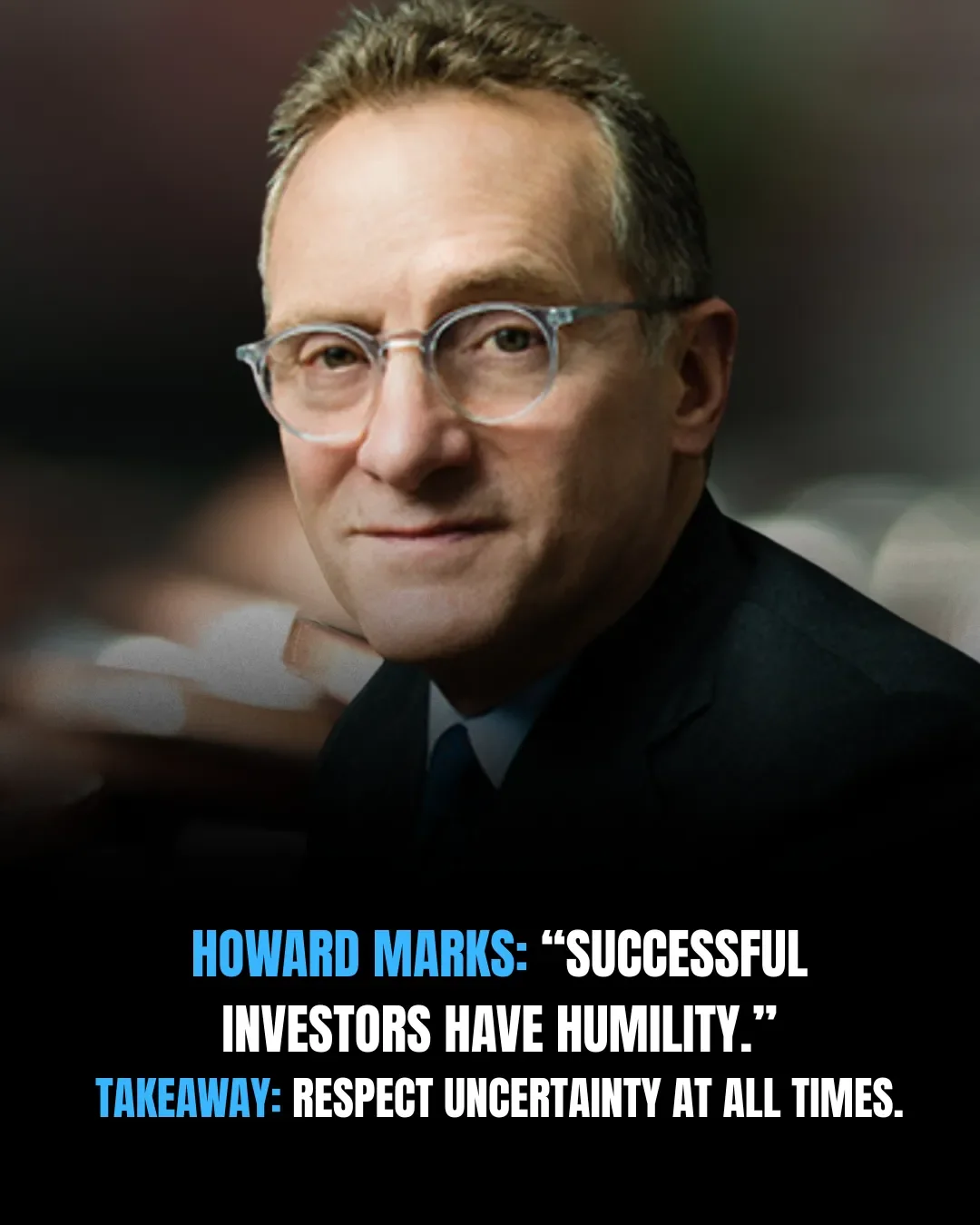
Investors Succeed by Asking “What If I’m Wrong?”
Howard Marks has managed billions across 40+ years. His edge isn't models. It's one question he asks before every investment: "What if I'm wrong?" Most investors ask: "How much can I make?" The best investors ask: "How bad can this get?" Do the math. Then...

Invest in Businesses, Not Stock Prices, to Avoid Losses
Most investors lose money they didn't have to lose. Here's why, in 3 lines: 1️⃣ They buy stocks, not businesses 2️⃣ They watch price, not value 3️⃣ They sell on fear, not fundamentals Peter Lynch's whole philosophy fits in one sentence: know what you own. If...
Normalize Cyclical Earnings, Demand Graham Discount at Peaks
Cyclical stocks are liars at the top of the cycle. Earnings look great. Margins look great. The P/E looks cheap. Then the cycle turns, and you realize you paid permanent prices for temporary profits. The fix: normalize earnings across the full cycle. Then...
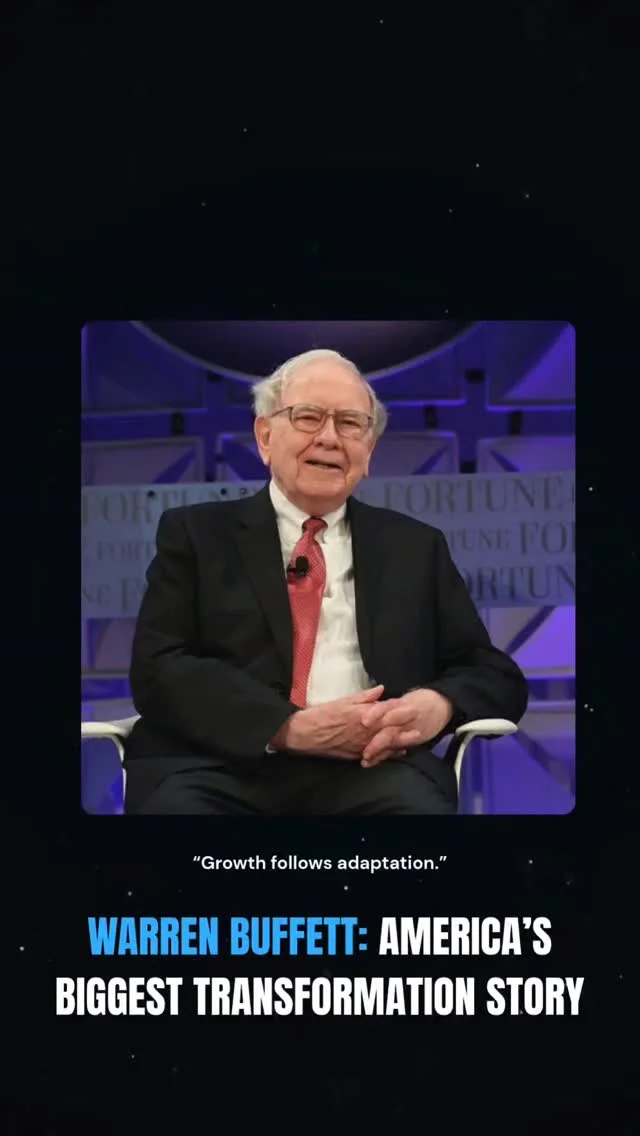
America: A Conglomerate, Buffett’s Ultimate Long‑Term Play
Buffett didn't call America a democracy or a superpower. He called it a conglomerate. 61 years. 80% ag to 2%. No master plan, just relentless adaptation. The founders didn't announce it. They just built it. That's not history. That's the best case study...

Buy Stocks Gradually, Not All‑In, to Capture Better Prices
Most investors treat buying a stock like flipping a switch. All in. One click. Full position. Seth Klarman calls that a mistake. Buy in pieces. Leave room to average down. Your best price might come after your first one.
Conservative Valuation: Zero Growth, Cash Flow, Downside Pricing
Most valuation models are optimism dressed up in spreadsheets. A conservative one runs on three rules: 1️⃣ Assume growth is zero until the business proves otherwise 2️⃣ Demand strong current earnings — cash flow, not promises 3️⃣ Price in the bad scenario. If it...
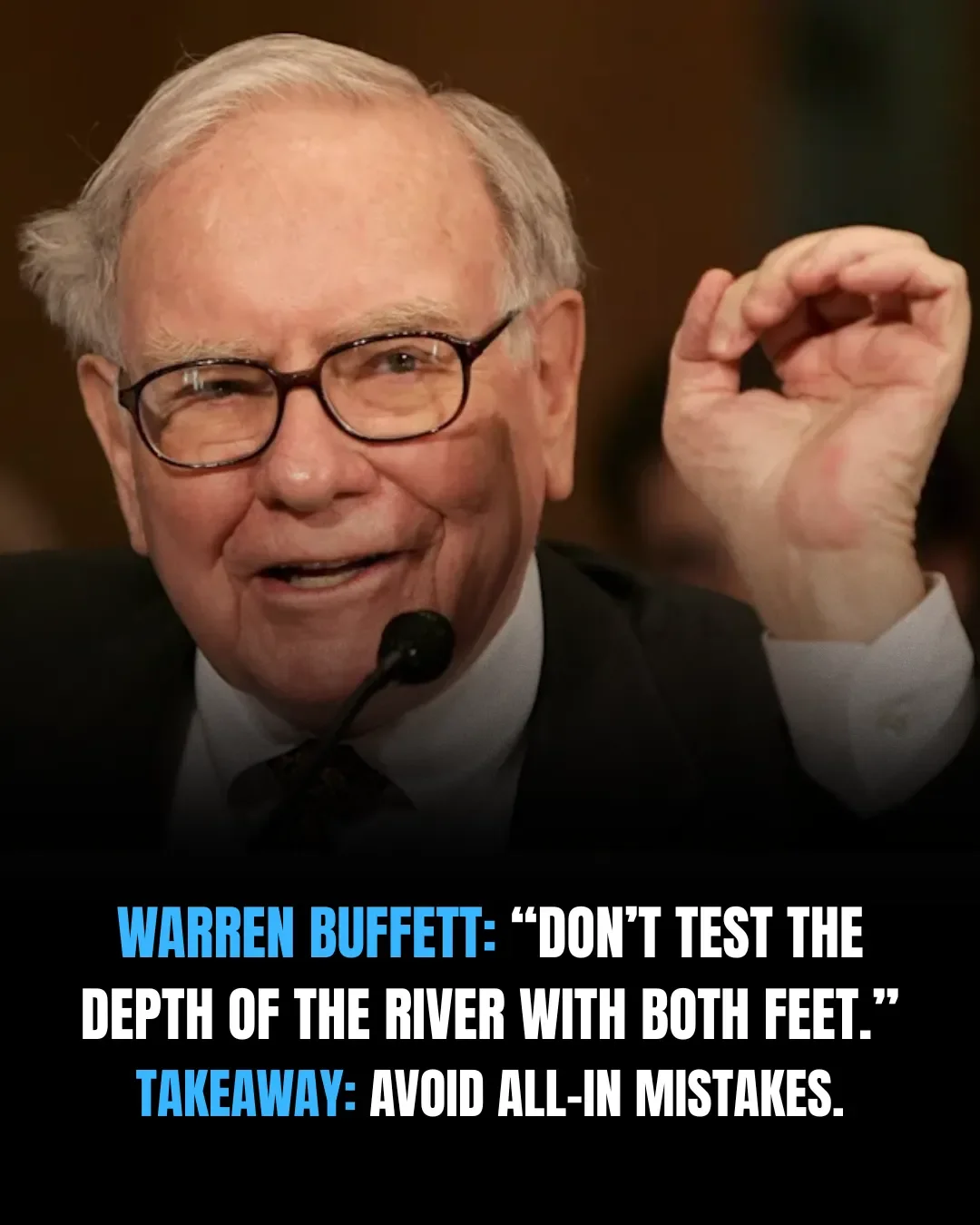
Conviction, Not Ego: Buffett's Guide to Focused Investing
Buffett doesn't say "diversify everything." He says don't test the river's depth with both feet. There's a difference between a concentrated bet and a reckless one. One is conviction. The other is ego.
True Success Is Keeping Profit, Not Just Reporting It
The best businesses don't just report profits. They keep them. When earnings convert to cash and stack as retained equity, compounding quietly does the rest. That's not accounting. That's the whole game.
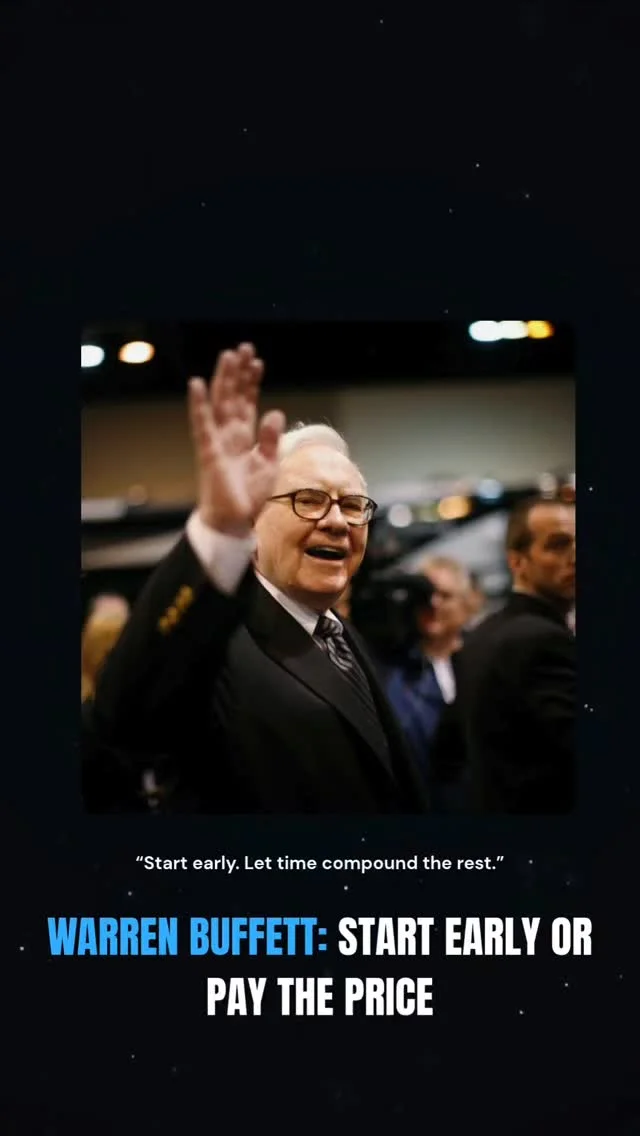
We
Most people think the secret to building wealth is finding the right stock. It's not. It's starting before you feel ready. Buffett bought his first stock at 11. Not because he had it figured out — because he started. That $114 compounding...

Envy and Self‑Pity, Not IQ, Sabotage Success
Munger spent 60 years studying why smart people fail. His answer wasn't IQ. It wasn't information. It was this: envy and self-pity are just losses you choose to repeat. Do the math on your own psychology before you touch a balance sheet.

Low Debt Keeps Good Companies Alive in Recessions
I've watched good companies destroy shareholder value during recessions. Not because the business failed. Because the balance sheet forced their hand. Debt covenants. Liquidity crunches. Share issuances at $12 when the stock was $40. You can be right about the business and still lose...
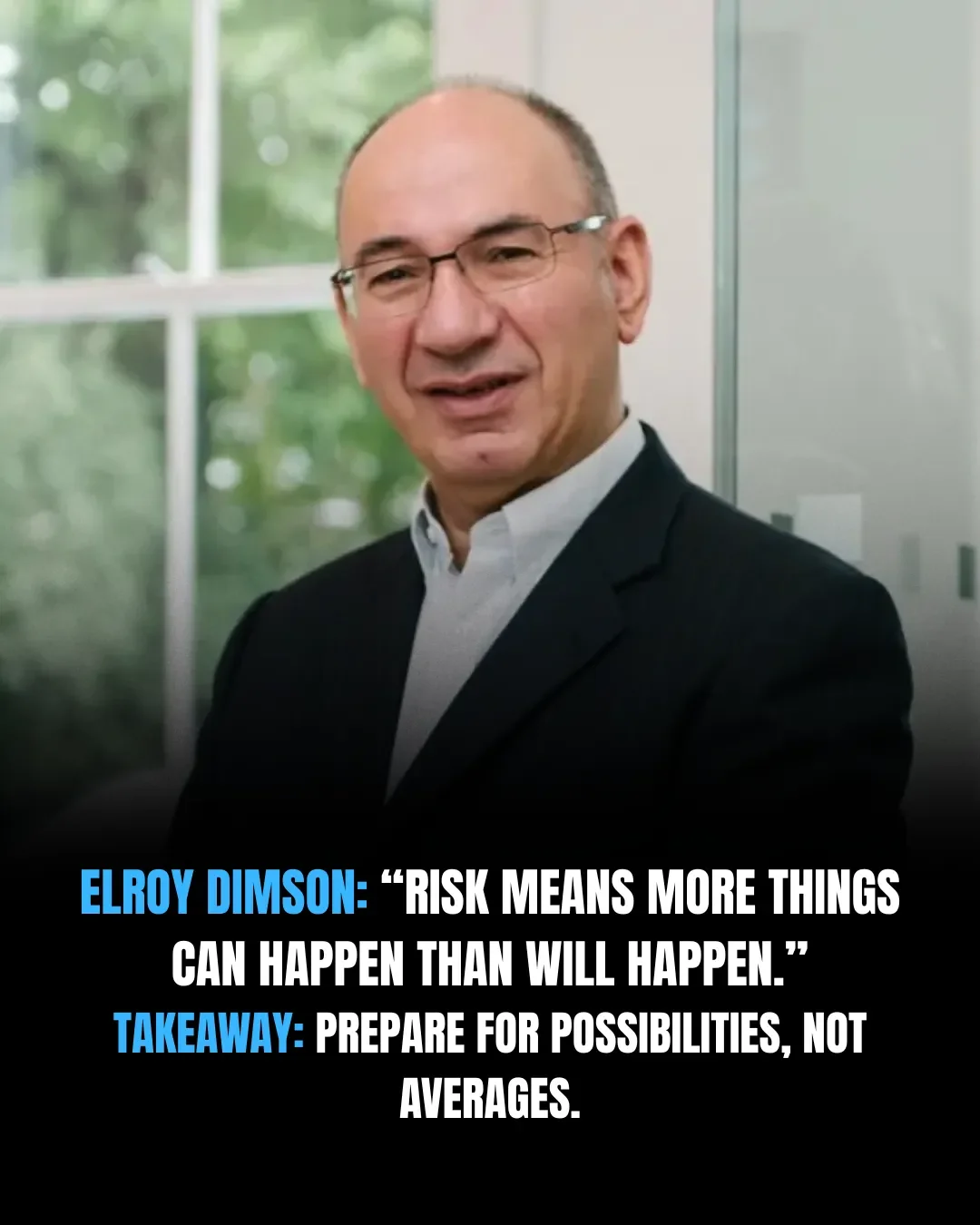
Build Portfolios for Unexpected Storms, Not Just Forecasts
Elroy Dimson spent decades studying markets. His sharpest insight had nothing to do with returns. "More things can happen than will happen." Most portfolios are built for the forecast. The best ones are built for the storm that wasn't in it.

Good Stock? Only at the Right Price
Most investors ask "Is this a good stock?" Wrong question. The right one: "Is this a good stock at this price?" The same business can be your best investment or your worst, depending on what you paid. Price isn't just a number. It's...
Buy the Price‑value Gap, Not the Hype
Investors spend years trying to predict which businesses will transform industries. Graham spent his career not caring about that at all. He wasn't buying stories. He was buying the gap between price and provable value. Stories change. Spreadsheets don't lie.

Patience Multiplies Returns: Hold Longer, Attract More Buyers
Patience isn't a personality trait. It's a return multiplier. Lynch knew: the longer you hold, the more buyers compete to own what you own. Time creates the crowd that creates your exit. Most people want to be right. Smart investors just want...
Look Past the Numbers: Hidden Liabilities Define Safety
Ben Graham didn't just read financial statements. He interrogated them. Because the real liabilities are rarely on page one. They're in the footnotes, the MD&A, the off-balance-sheet disclosures. The margin of safety isn't a number. It's the gap between what the company...
Business Value Lies in Earnings, Not Just Assets
A business isn't worth its assets. It's worth what those assets can earn, and what they can fetch when everything goes wrong. In good times, the balance sheet flatters. In bad times, it confesses.
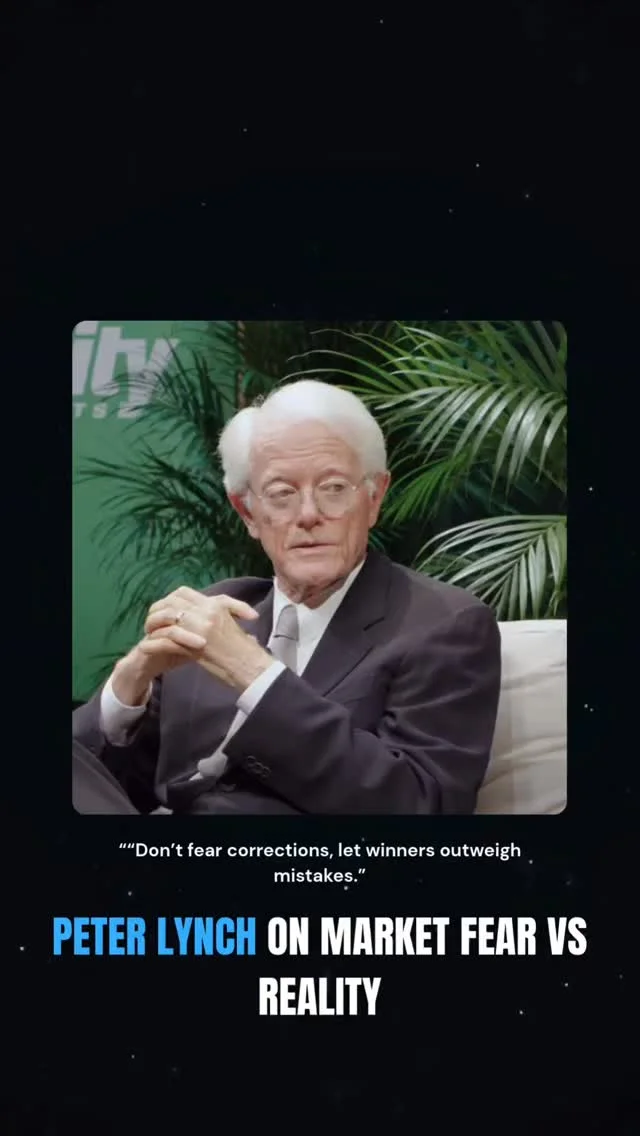
Avoid Fear‑Driven Missed Gains, Size Positions Wisely
Peter Lynch got it right decades ago. The real risk in investing isn't a crash. It's the years you spent hiding from one that never came. 1️⃣ Economists predicted 33 of the last 11 recessions. 2️⃣ Six right out of ten? That's a...

Buffett Reads Daily for Love, Not Profit
Buffett runs $1 trillion in assets and still shows up every day to read. Not because he has to. Because he loves it. The proceeds were never the point. Process compounds. Passion compounds. The portfolio is just the receipt.
Invest in Cash‑flowing Undervalued Businesses, Not Turnarounds
You don't need a turnaround thesis. You don't need a catalyst. You need a business priced below what it'd cost to build, with cash coming in while you wait. That's not a trade. That's an investment. Graham called it a bargain. Most people call...

Endure the Silence, Reap Decades of 20% Returns
The hardest part of value investing isn't the math. It's the silence. Silence when your portfolio lags the index for 18 months. Silence when your group says you're wrong. Munger tolerated that silence. That's why he compounded at 20%+ for decades.
Valuation: Pay for Proven Earnings, Not Future Guesswork
Most people think valuation means guessing the future. It doesn't. It means buying proven earning power cheap. Here's the difference: 1️⃣ Forecasting asks: what will this earn? 2️⃣ Valuation asks: what has this already earned, and what am I paying for it? 3️⃣ One is...
Buffett Skips Turnarounds, Chooses Easy Wins over Challenges
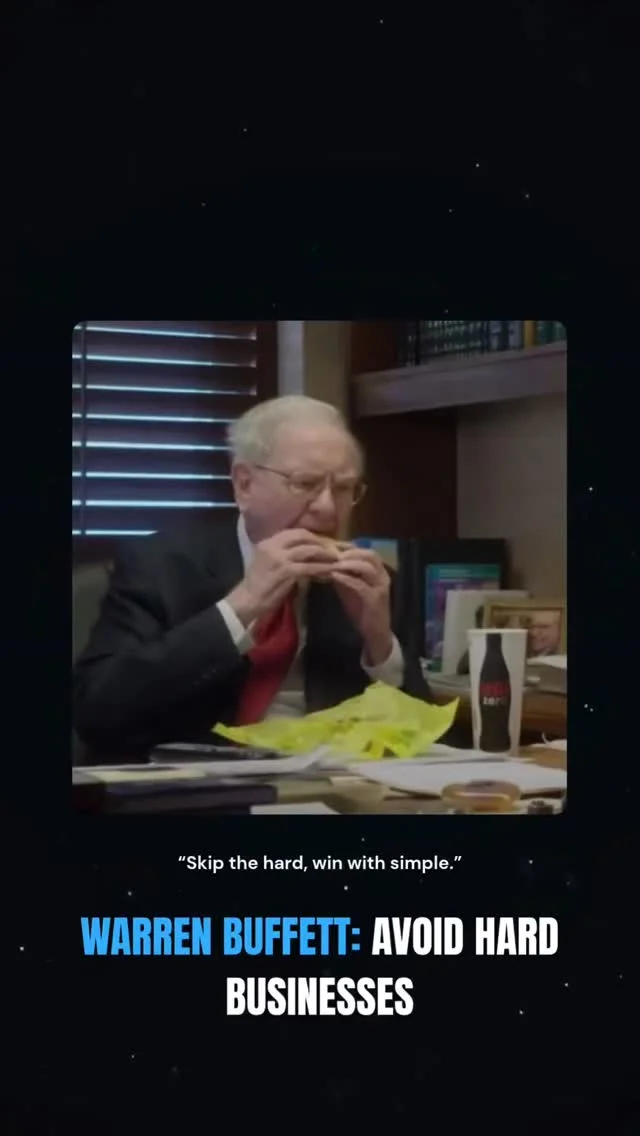
Buffett gets calls every week from companies begging him to take on a turnaround. He almost always says no. Not because he can't. Because business isn't the Olympics. There's no degree of difficulty bonus. Why jump 7 feet when a 1-foot bar...
High ROE Signals Quality, Not Just Profit
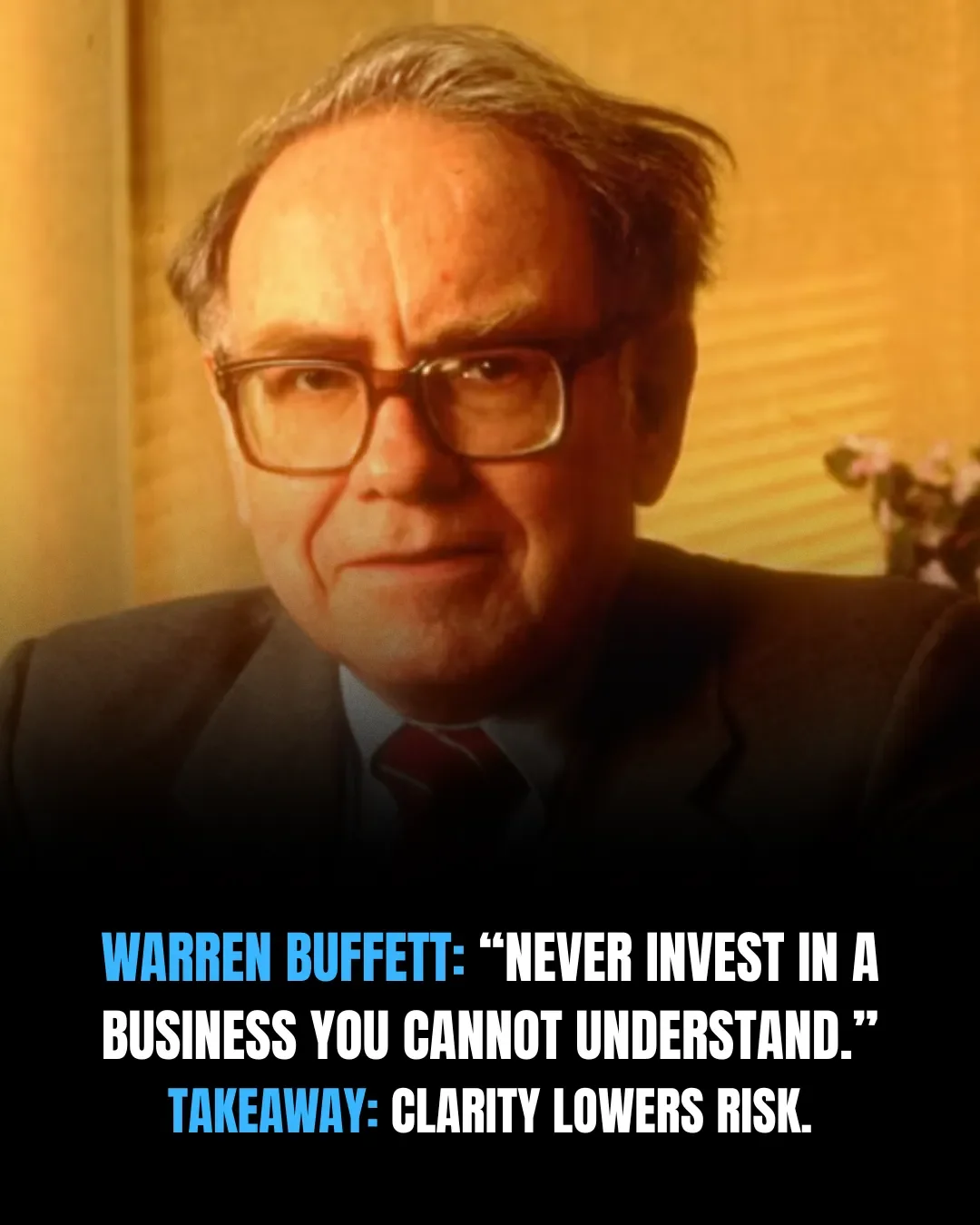
Buffett doesn't just look at how much a company earns. He looks at how much it earns on the equity it was given. Any business can grow by throwing cash at problems. A great business grows by not needing to. High ROE isn't a...
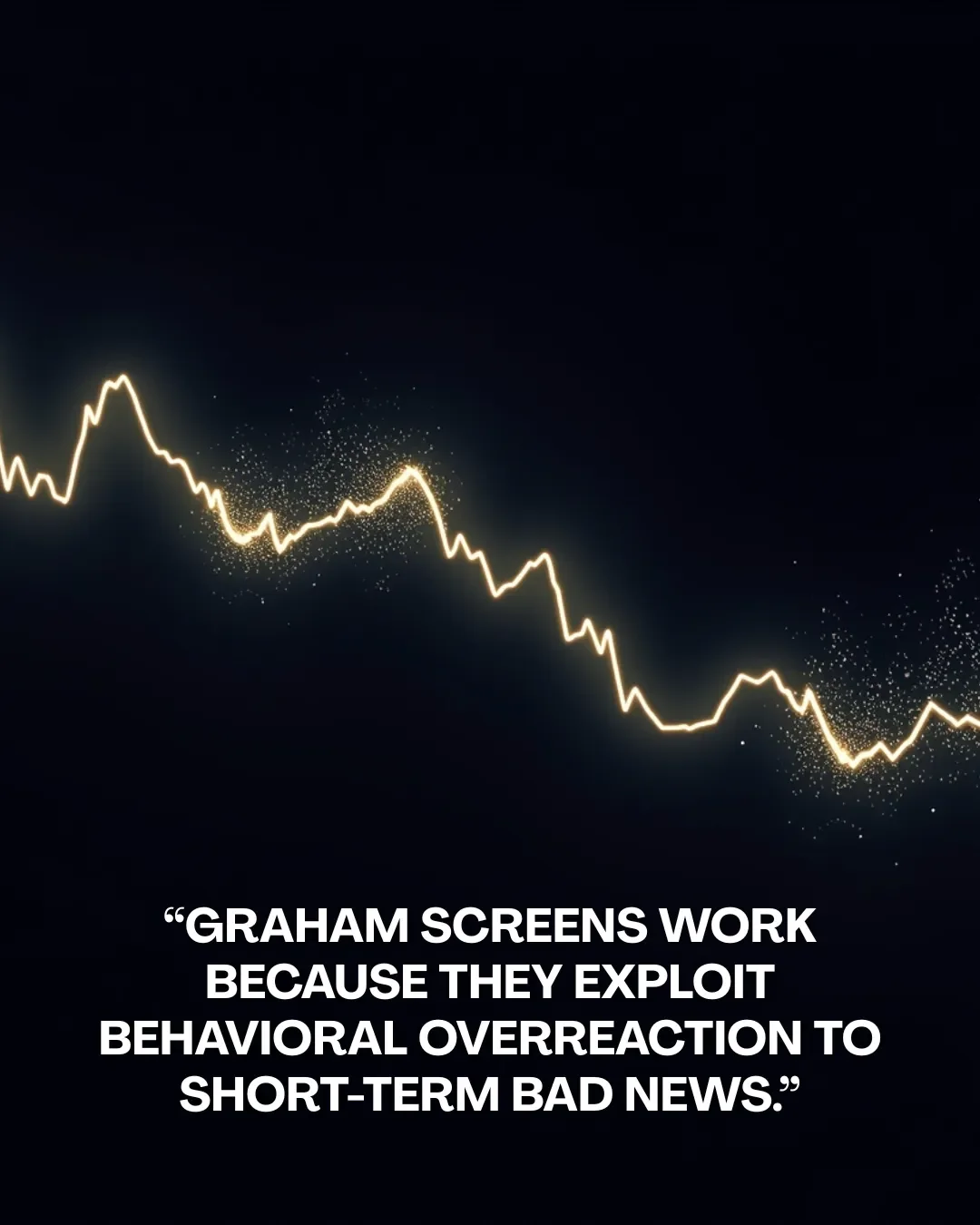
Graham Screens Simply Systematize Buying From Headline‑driven Sellers
Graham screens aren't magic. They're just a systematic way of buying from someone who read one bad headline and sold.
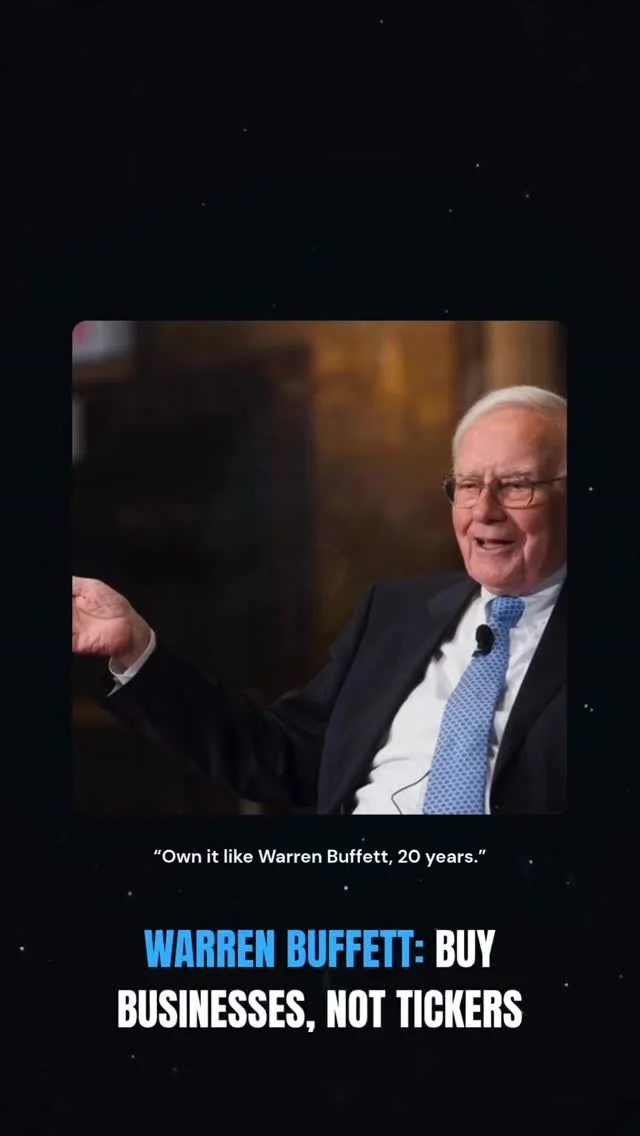
Invest for 20 Years, Not Perfection: Choose Worthy Businesses
Nobody asks "is this the perfect marriage?" They ask "is this person worth building a life with?" Investors should think the same way. Not: "Is this the best stock in the market?" But: "Is this a business I'd be proud to own for 20...
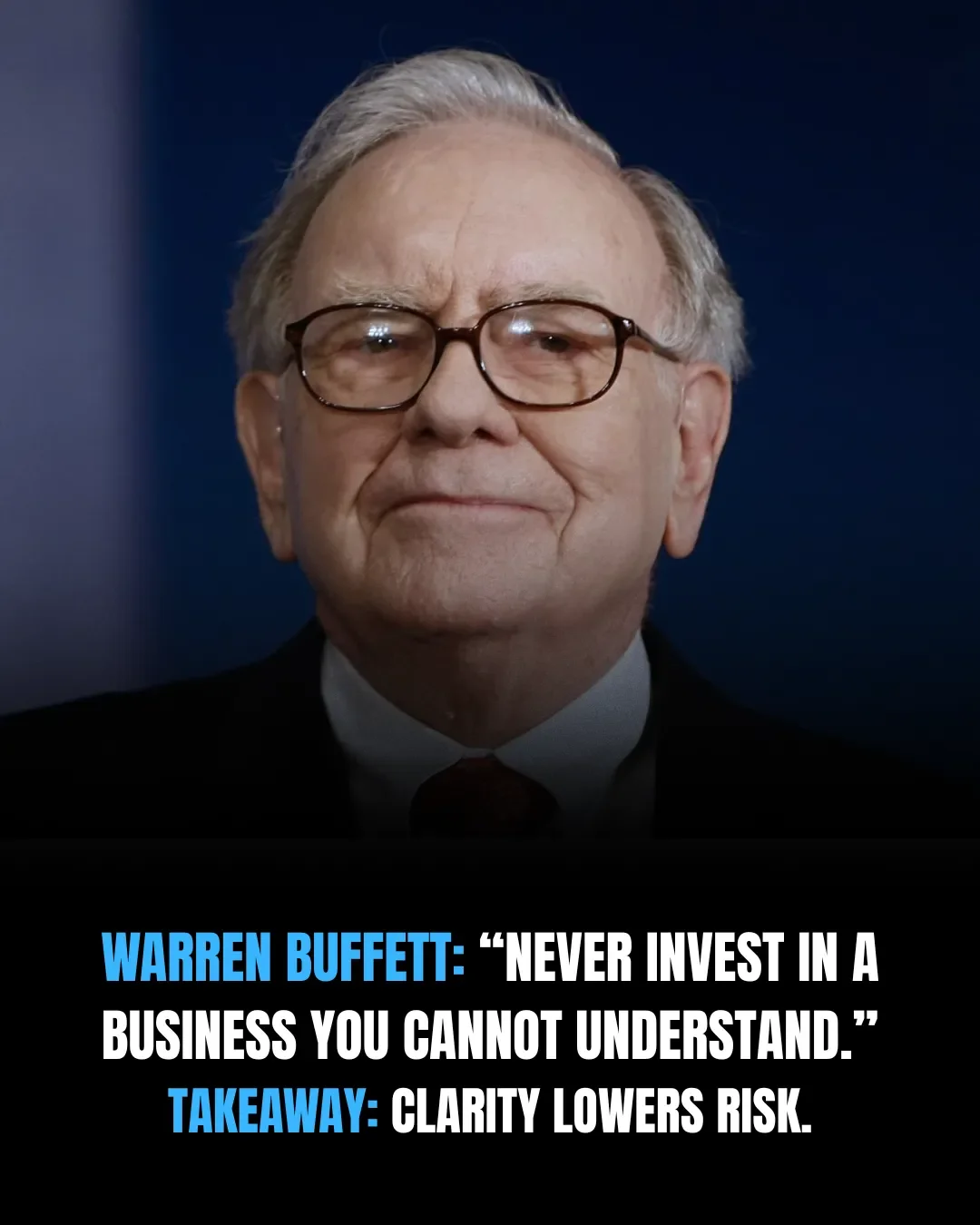
Buffett's Pass on Tech Shows Discipline, Not Error
Buffett passed on Google, Amazon, and Walmart. Not because he was wrong about the businesses. Because he wasn't sure he understood them well enough to act with conviction. That's not a miss. That's discipline wearing a disguise.

Success Comes From Trading When Others Stay Silent
Howard Marks built one of the greatest track records in investing history. Not because he was smarter. Because he was lonelier. When Oaktree bought distressed debt nobody wanted, it wasn't genius, it was distance. From the crowd. From the narrative. From the...

Independence First, Wealth Follows Through Patience
Charlie Munger never set out to become a billionaire. He just wanted to never need permission from anyone. The money? That came from the same place the independence did — patience, compounding, and not doing dumb things. Financial freedom isn't a destination. It's...
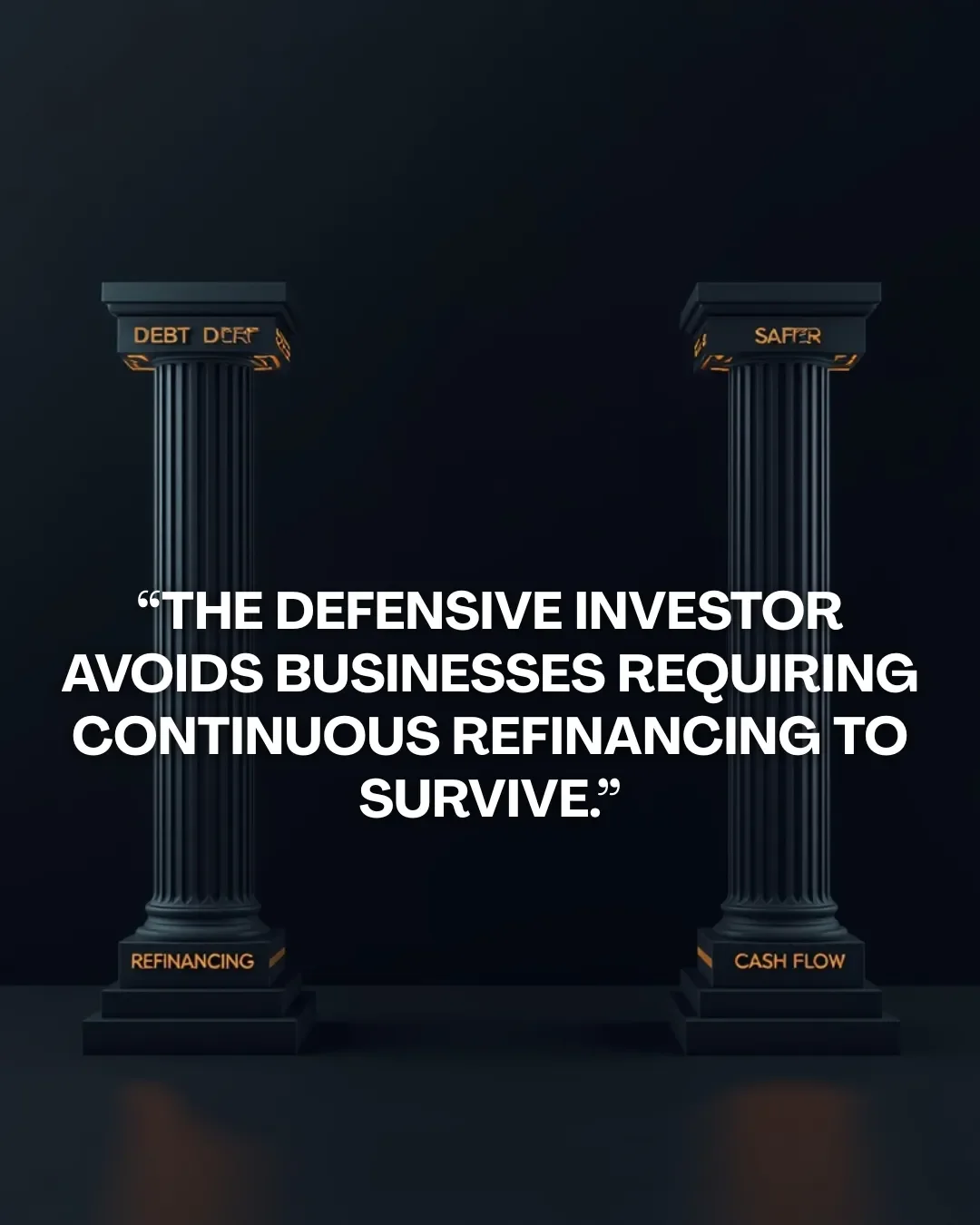
Skip Firms Needing a Banker’s Handshake to Survive
Graham's most overlooked filter wasn't P/E ratios or book value. It was this: does this business need a banker's handshake to survive the next downturn? If yes, pass. Refinancing risk is where defensive portfolios quietly go to die.
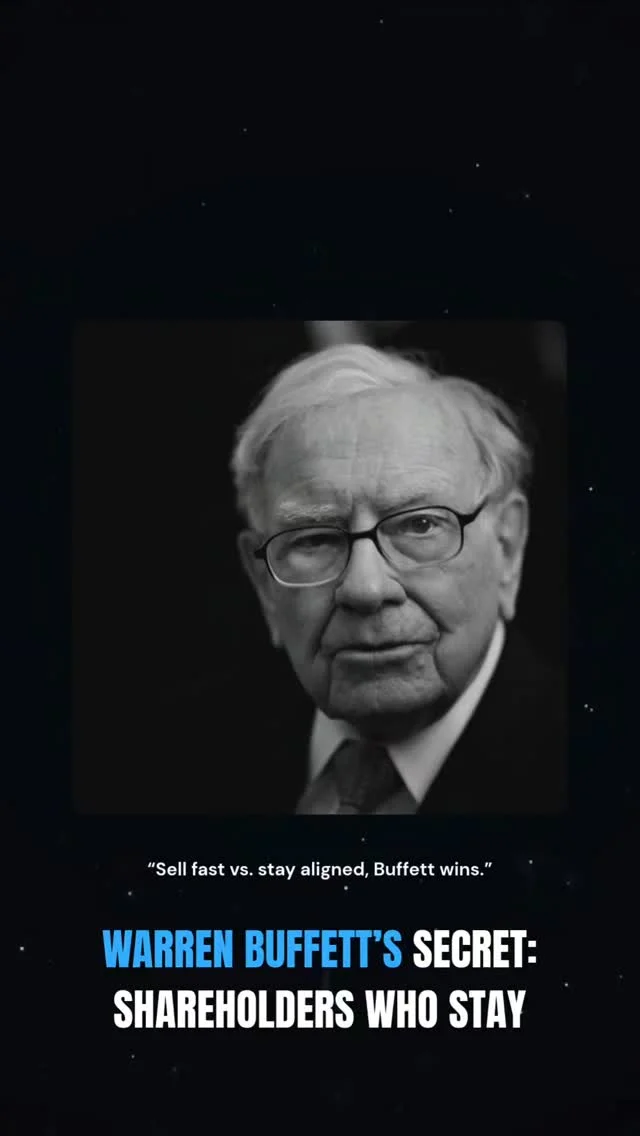
CEO Exits Common; Buffett's Loyal Shareholders Embody Rare Alignment
Most CEOs sell the moment they can. Buffett has shareholders who've never sold a single share — and never plan to. That's not loyalty. That's alignment. And it's the rarest asset in corporate America.

Buy Stocks Like Groceries, Not Perfume, for Wealth
Most investors shop for stocks like perfume, chasing the scent of what's hot. Benjamin Graham shopped for stocks like groceries. One method makes you feel sophisticated. The other makes you wealthy.
Invest when Stock Earnings Yield Exceeds Risk‑free Rate
Buffett doesn't check the ticker every morning. He checks whether earnings yield still beats the risk-free rate. When stocks yield more than bonds, you're being paid to be patient. When they don't, patience has a price. Do the math. Then do it again.
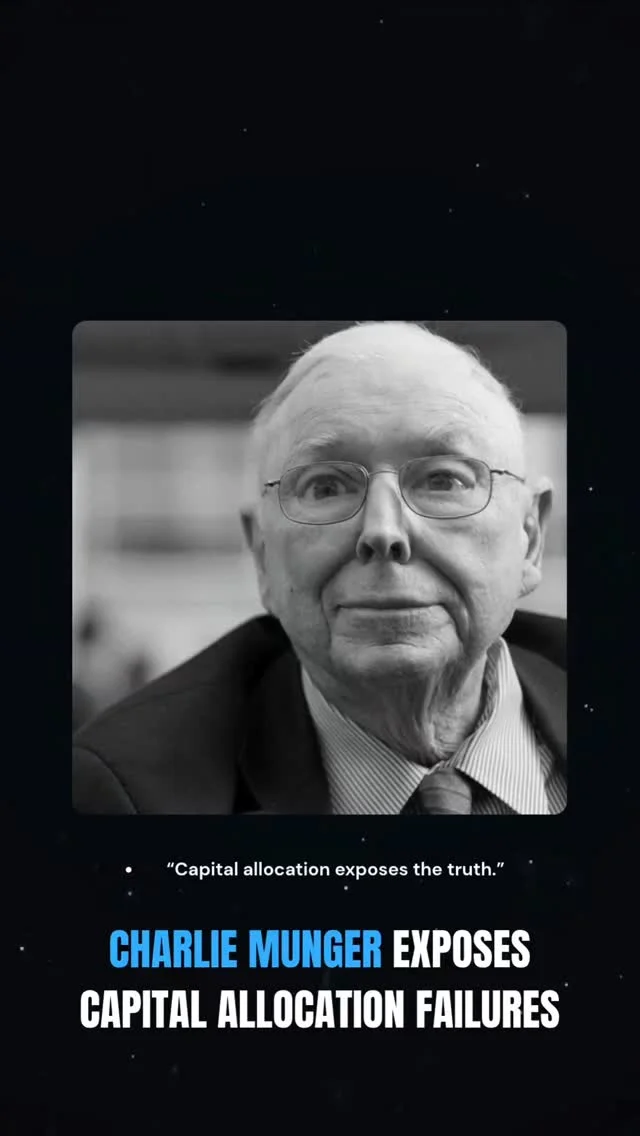
Companies Overpay Now, Ignoring Munger’s Cheap‑Buy Warning
Munger didn't sugarcoat it: companies bought almost nothing when stocks were cheap. Now they're buying hand over fist at the top. Capital allocation is where management tells you the truth about their judgment. Most are failing the test.
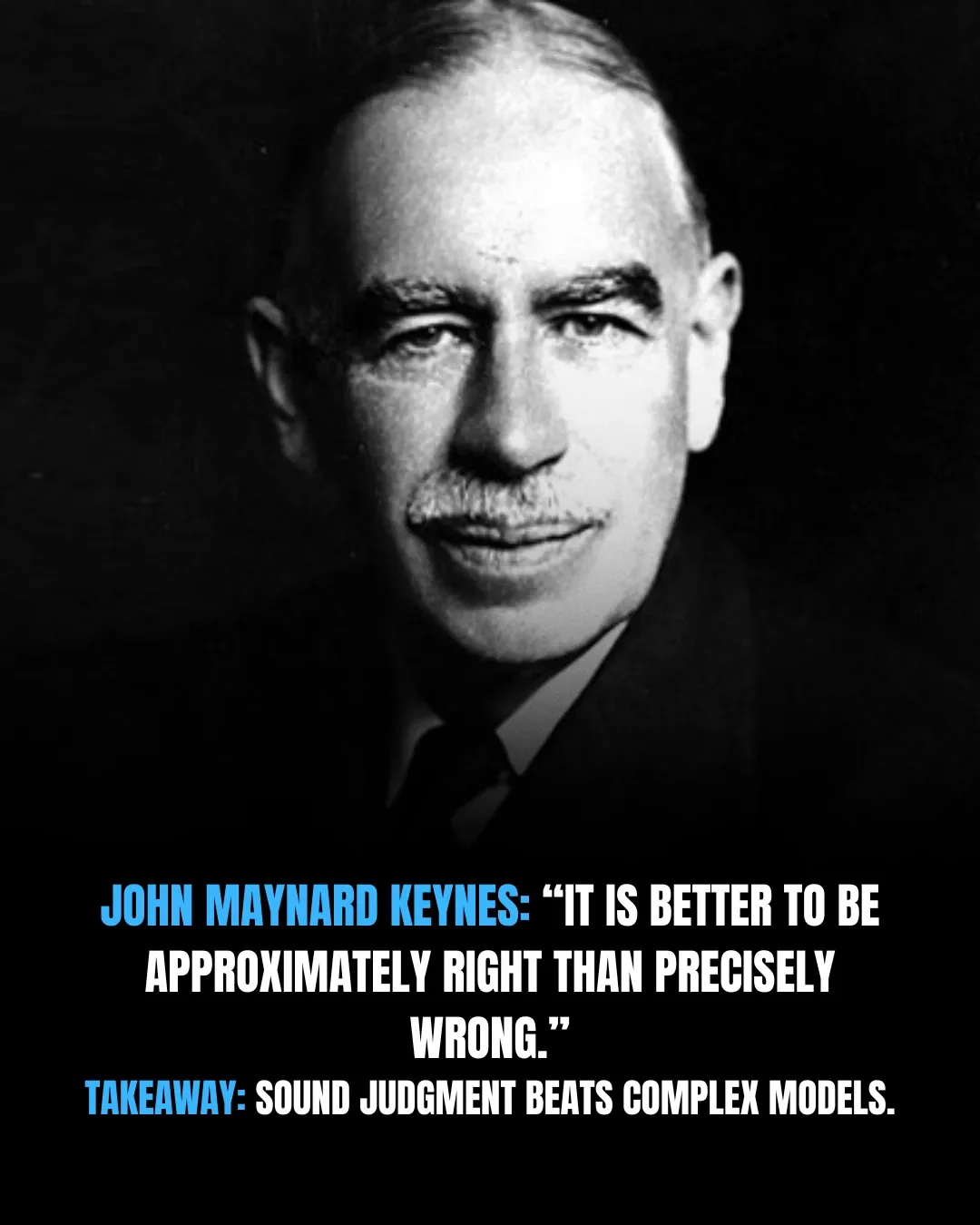
Bad Data, Past Bias, and Complexity Betray Models
Three reasons your perfect model is lying to you: 1️⃣ Garbage in, garbage out. Precise math on bad assumptions is just fast wrongness. 2️⃣ Models optimize for the past. Markets punish you in the future. 3️⃣ Complexity is confidence cosplay. Simple + honest...