

SaaS-Pocalypse: The Real Growth Crisis Unveiled #shorts
The video argues that the so‑called “SaaS‑pocalypse” is being misdiagnosed; the real crisis is a collective loss of the growth playbook rather than technical issues like “vibe coding.” The speaker contends that reliance on backward‑looking revenue retention numbers hides the true fragility of many public B2B SaaS firms. Key points include the observation that most SaaS metrics are retroactive, making companies appear healthier than they are. DigitalOcean, cited as the best‑performing stock with a 28% gain, illustrates the paradox of reaching a billion‑dollar cloud revenue yet still needing radical acceleration in both growth and profitability. The speaker admits only three truly undervalued bets exist, underscoring the market’s demand for simultaneous top‑line expansion and margin improvement. Notable quotes reinforce the argument: “vibe coding is one of the most minor threats to software companies,” and the implication that firms may need to “cut half their teams” to survive. These remarks highlight the speaker’s view that operational inefficiencies, not coding trends, are the primary threat. The implication for investors and executives is clear: forward‑looking growth metrics must replace legacy retention figures, and valuations should be adjusted to reflect the difficulty of achieving double‑digit growth while maintaining profitability. Companies that can demonstrably accelerate both dimensions will stand out in a market that has largely over‑estimated SaaS health.

Software's Cloud & LLM Disaster: Companies Face Terminal Decline #shorts
The video lambasts public software companies for missing the unprecedented surge in cloud and large‑language‑model (LLM) spending, labeling the gap a “disaster” that threatens their relevance. The speaker points out that despite billions poured into infrastructure, firms have failed to create...

SaaStr AI Live: 10 Things to Know Before Rolling Out Your First AI SDR
The video titled 'SaaStr AI Live: 10 Things to Know Before Rolling Out Your First AI SDR' actually contains a short, plain tutorial on how to enable dark mode in the YouTube mobile app. The presenter directs users to tap...
Consulting Vs. Software: Who Wins the IT Budget War? #shorts
The IT spending landscape is rapidly shifting, with organizations allocating more budget to software solutions than to traditional consulting services. Automation and artificial intelligence are accelerating this transition, enabling enterprises to implement scalable tools without extensive human advisory. As AI-driven...
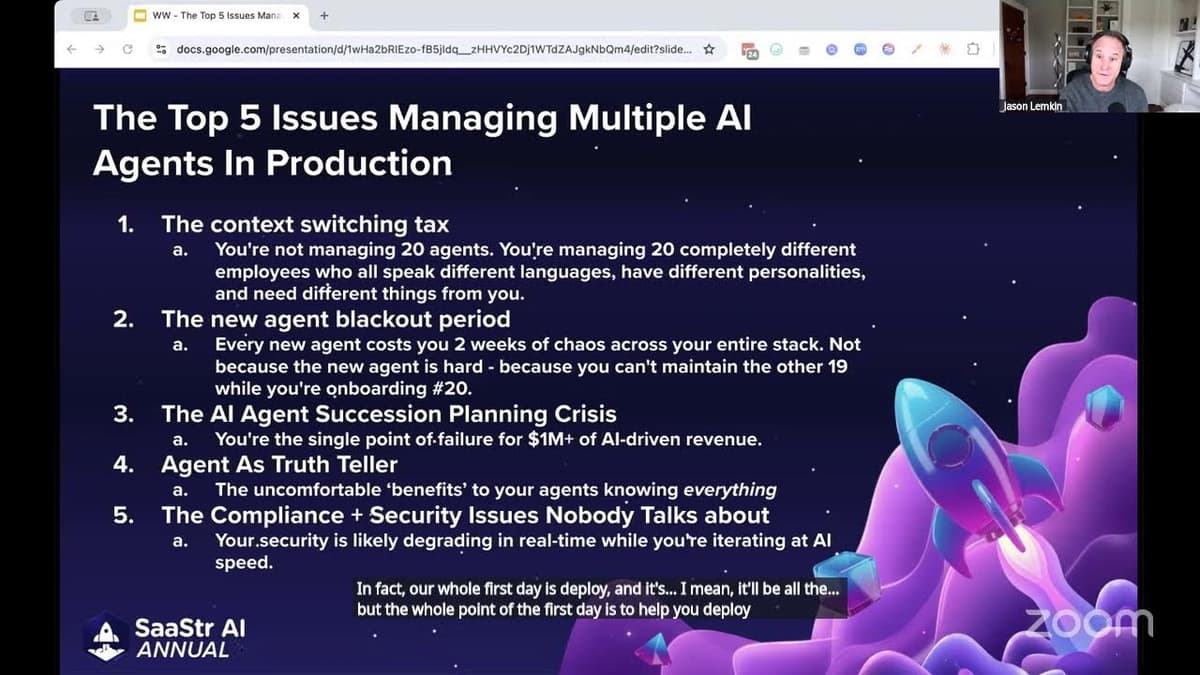
SaaStr AI Live: The Top 5 Issues Managing Multiple AI Agents In Production
SaaStr AI Live highlighted the five most critical challenges when running multiple AI agents in production. The discussion covered orchestration complexity, latency constraints, observability gaps, data consistency, and security‑cost trade‑offs. Experts shared real‑world examples from SaaS firms scaling AI‑driven workflows....
AI Giants: Who Will Capture the BILLION Dollar Market? #shorts
Enterprise software providers are increasing technology spend to keep pace with a rapidly evolving SaaS landscape. The surge is driven by the need to support large‑scale AI models from firms such as Anthropic. While demand for compute and data pipelines...
Software's Future: Only the STRONGEST Will Survive! #shorts
The short video argues that the software and SaaS sector will continue to evolve, but only the strongest firms will endure the next five to ten years. The speaker notes that many companies from 2000, 2005, 2010 and 2015 have already...
Fundraising, AI Plugins, and Startup Valuations: The Latest Tech Buzz! #shorts
The clip stitches together two hot trends—massive venture fundraising at sky‑high valuations and the rapid rollout of AI‑powered plugins that threaten incumbent software vendors. In December a cloud‑native AI startup secured $200 million, valuing it at $11 billion, while secondary‑market deals are pushing...

Bootstrap Success: Leaner, Faster, and Smarter! #shorts
The video argues that a growing number of founders are choosing bootstrapping over the traditional venture‑capital route, especially as market conditions have softened since 2022. It frames lean, profitable growth as the new benchmark for early‑stage companies, urging entrepreneurs to...
Investor Growth Expectations: Why 3X Isn't Enough Anymore #shorts
The video highlights a shifting investor mindset where the once‑impressive 3‑times revenue growth target is now considered a baseline, and venture capitalists are chasing “one‑to‑hundred” scaling stories. Speakers note that the market is flooded with clone startups, driving valuations to historic...
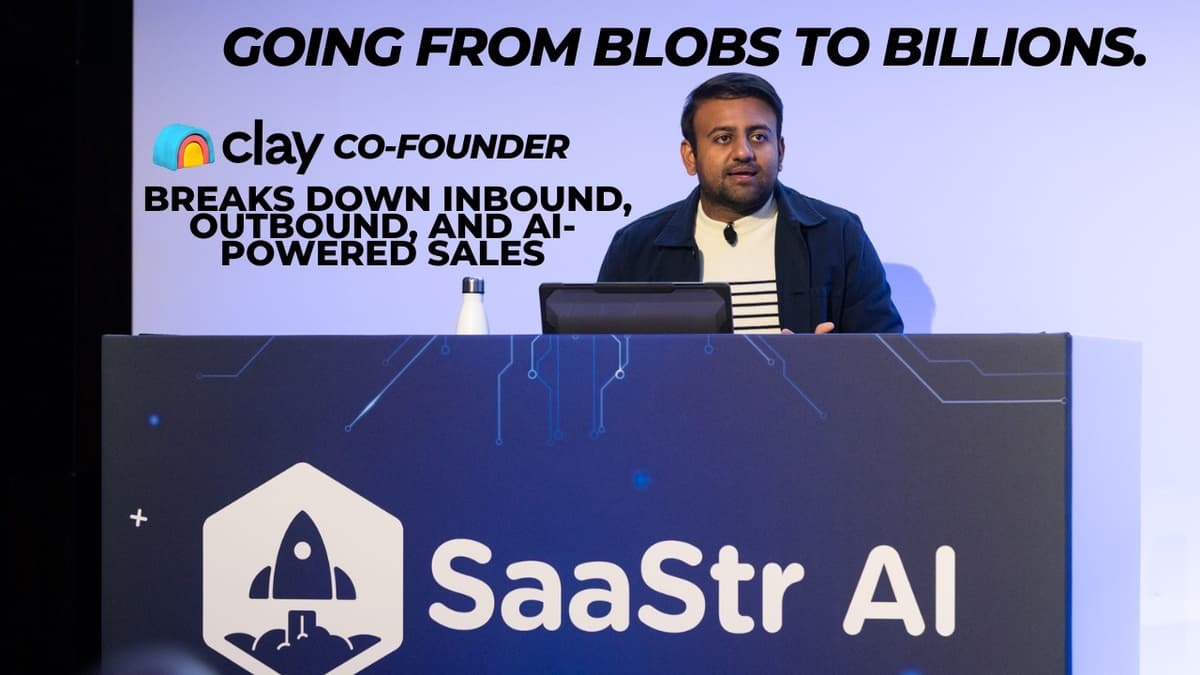
Going From Blobs to Billions. Clay's Co-Founder Breaks Down Inbound, Outbound, and AI-Powered Sales.
The podcast features Clay’s co‑founder outlining how the platform unifies inbound, outbound, and AI‑driven sales workflows to turn raw prospect data into qualified leads and personalized outreach. By aggregating global data providers, applying large language models, and exposing unique signals—such...

How Nebius Built a $4B+ GPU Cloud in 18 Months: The 7 Top Lessons Learned
Nebius, a Yandex spin‑out, built a $4 billion GPU cloud in 18 months, scaling from zero U.S. staff to 40+ and constructing a 300 MW data center in New Jersey. The company leveraged its deep engineering talent, a targeted network of early...

PE Is No Longer Coming to the Rescue. And That Probably Means No One Will.
Private equity, once a reliable exit for B2B SaaS firms hitting $20M ARR, has largely withdrawn its support as of 2026. While total technology M&A reached a decade‑high $587 billion in 2025, PE capital is now concentrated on AI‑accelerated, high‑growth or...

Palantir: The Greatest Enterprise Software Company Of All Time Ever? Could Be.
Palantir reported a record Q4 2025, generating $1.4 billion in revenue—a 70% year‑over‑year jump that pushed its run‑rate above $5 billion. The company posted a Rule‑of‑40 score of 127, driven by 57% adjusted operating margin and 139% net‑dollar‑retention, while U.S. commercial revenue...

I Wrote Off $4M to $0. My Co-Investor Marked Up the Same Deal to $30M. Here’s What Founders Need to...
The author wrote off a $4 million SaaStr Fund investment to zero, while a co‑investor marked the same deal up to $30 million. The divergence stems from the co‑investor’s need to showcase a strong TVPI while fundraising for a new fund, prompting...

The Trade Desk Was Priced for Perfection. Then Growth Slowed. Now It’s the Worst Performing Stock in the S&P 500.
The Trade Desk, once the ad‑tech darling, saw its stock plunge 73% as revenue growth slowed from 26% in 2024 to roughly 18% in Q3 2025. The market cap collapsed from $70 billion to under $15 billion, reflecting a sharp multiple contraction...

Please Stop Selling Like It’s 2021
The post argues that B2B sales tactics from 2021 are obsolete in 2026. Buyers now expect AI‑driven solutions that install themselves, cost less, and eliminate migration friction. Demonstrations and lengthy calls no longer persuade when customers can “vibe‑code” their own...

AI App of the Week: Vivun — The AI Sales Engineer That Actually Does the Work
Vivun’s AI sales teammate, Ava, is a generative‑AI assistant that prepares, participates in, and follows up on technical sales calls. Unlike typical chatbot tools, it uses a proprietary Sales Reasoning Model to surface real‑time insights and generate stakeholder‑specific materials. Enterprise...

20VC X SaaStr Are Back: If Figma Isn’t Good Enough, What Hope Is There? Plus OpenAI Ads, Elon Vs. Sam,...
The 20VC × SaaStr episode argues that public SaaS isn’t dying, it’s merely being sorted by growth and AI tailwinds. Companies like Figma still command high multiples, but any slowdown triggers steep valuation cuts. Meanwhile, OpenAI’s nascent ad business could unlock $25 billion...

Dear SaaStr: What Do The Top 1% of Sales Reps Do … That The Other 99% Don’t?
The post argues that the single biggest differentiator for the top 1 % of sales reps is extreme time efficiency. These reps enter every deal with a pre‑mapped playbook, knowing exactly how to replicate a winning pitch across similar accounts. By...

Meritech’s Look at 2025 Exits: M&A at $587B Hits a Decade+ High … But IPOs Were a Whimper
Meritech reports that 2025 delivered a muted IPO market, with only six pure‑play software listings, while merger‑and‑acquisition activity surged to $587 billion—the highest in a decade. Leading private firms such as SpaceX, OpenAI and Stripe continued to stay private, limiting public‑market...

ElevenLabs Just Hit $330M ARR in 24 Months. It Took Twilio 8 Years to Get There.
ElevenLabs announced $330 million in annual recurring revenue (ARR) at the end of 2025, achieving the milestone in just 24 months. The company added $100 million in ARR in 20 months, then another $100 million in 10 months, and the next $130 million in...

If You’re Going to Stick with a Mediocre VP for Now, You At Least Have to Micromanage Them
The article argues that while autonomy fuels A‑players, mediocre VPs require close oversight. Founders often retain underperforming executives due to timing or cash constraints, but leaving them unchecked can damage cash flow, sales, product velocity, and morale. The author proposes...

The Change You Need Is the Change You Make. SaaStr AI Annual 2026 Will Help You Get There.
SaaStr AI Annual 2026 positions itself as the definitive gathering for B2B SaaS leaders confronting the AI wave. The conference promises operator‑led sessions that deliver concrete frameworks for pricing, GTM, and product development, rather than abstract theory. Attendees will join...

5 Interesting Learnings From Motive at $500,000,000 ARR. And The Match Up With Samsara.
Fleet‑management startup Motive filed its S‑1, revealing $500 million ARR and a growth rate of about 27%, while rival Samsara, now public, reached the same ARR milestone with 76% growth and recently achieved GAAP profitability. The two companies differ sharply in...

Hooray, You Got Profitable. That’s Great, But It’s Not Enough. It’s Time To Reaccelerate Growth.
SaaS founders who have reached profitability are being warned that profit is only a medicine, not a cure. Market data shows companies growing 40% command 4‑5x higher ARR multiples than those growing under 10%, with high‑growth firms valued at 25x...

How Much Equity to Give Your First Employees: The Real Data From 50,000 Startups
Carta’s State of Seed report, based on 50,000 startups, reveals concrete equity benchmarks for early hires. The median grant for the first employee is 1.50% of fully diluted shares, falling to 0.85% for the second, 0.50% for the third, 0.44%...

OpenAI’s GTM Lead Maggie Hott: No Commissions, 100% Pilot Win Rates, and the Race Against Incumbents
OpenAI’s go‑to‑market leader Maggie Hott, who grew ChatGPT Enterprise from ten to 500 reps, revealed unconventional sales tactics that defy industry norms. OpenAI eliminates sales commissions, insists pilots achieve a 100 % win rate, and prioritises rapid distribution to stay ahead...

One Reason The Best AI B2B Startups Are Growing So Quickly: Truly Insane Value
AI‑driven B2B startups are scaling rapidly because they deliver ROI that is orders of magnitude higher than traditional solutions. The post highlights ElevenLabs’ $22‑per‑month voice‑over service that replaced a $3,000, weeks‑long process, achieving 1,000× cost and time savings, and cites...

Dear SaaStr: My Co-Founder Is Threatening to Quit Unless I Give Him More Equity
A co‑founder threatens to quit unless granted additional equity, highlighting the common tension that arises as startups evolve. SaaStr notes that B2B co‑founder splits typically average a 2:1 ratio, but perceived fairness can shift after two years. The recommended remedy...

AI And The Death of The 2021 Sales Process
The post argues that the traditional 2021 B2B sales playbook is obsolete in an AI‑driven buying environment. Buyers now complete most research themselves and expect instant answers, so a four‑day response cost a $10k deal. Deploying AI agents that can...

Dear SaaStr: When Should You Sell Your Startup?
The SaaStr post outlines practical signals for when founders should consider selling their SaaS startup and when they should hold off. It advises exiting before cash runs out, when the team cannot be strengthened, or when a founder’s personal “magic...

App of the Week: OpenRouter — The Universal API for All Your LLMs
OpenRouter launched a unified API that aggregates more than 300 large‑language models from over 60 providers, letting developers access any model through a single endpoint. The platform automatically routes requests based on cost, speed, accuracy, and privacy, and provides built‑in...

Is Zendesk Building a Glean Competitor with Its Unleash Acquisition? Not Exactly, But Here’s What’s Really Happening
Zendesk announced the acquisition of Unleash, an Israeli AI‑powered enterprise search startup with more than 70 connectors, to embed permission‑based retrieval‑augmented generation (RAG) and AI agents directly into Slack and Microsoft Teams. The move targets internal employee‑service workflows—IT, HR, and...

Databricks Vs. Snowflake at $5B ARR: Same Revenue, 2x Valuation Gap. Here’s Why.
Databricks and Snowflake have converged at roughly $5 billion in annual recurring revenue, but Databricks is growing at over 55% while Snowflake trails at about 29%. The faster growth translates into a valuation multiple nearly twice Snowflake’s, driven by Databricks’ stronger...

The $7,500 Migration Fee That Just Cost a Vendor $80,000 ARR. Really, $240,000.
An $80,000 ARR SaaS deal was lost when the vendor imposed a $7,500 migration fee, pushing the contract into the following year. The author argues that such fees create friction, extending ROI timelines and giving incumbents a chance to retain...

Klaviyo Adds Co-CEO To Get Back To Product. The Dream, But Does It Work?
Klaviyo announced a co‑CEO structure, pairing founder Andrew Bialecki with former Workday co‑CEO Chano Fernandez. Bialecki will focus on engineering, product, and AI‑driven vision, while Fernandez will lead go‑to‑market, operations, and finance. The company recently crossed $1.2 B in revenue run‑rate,...

SaaStr AI App of the Week: Kintsugi — The AI That Puts Sales Tax on Autopilot
Kintsugi is an AI‑native platform that automates sales‑tax compliance for high‑growth B2B and e‑commerce firms. It monitors nexus thresholds, registers businesses, classifies products, files returns and remits payments across all U.S. states and many countries. Since its August 2023 launch the...

The First $100,000,000 ARR at Samsara: How Founder CEO Sanjit Biswas Built a Platform Giant by Digitizing the Physical World
Vertical SaaS leader Samsara has surpassed $1.75 billion in ARR, up 29% YoY, after scaling from its first $100 M ARR milestone. Founder‑CEO Sanjit Biswas leveraged a beginner’s‑mind approach, reassembled his Meraki team, and pivoted based on customer feedback to build a...

55% of All Departmental AI Spend Is Now on Coding. And It’s Not Slowing Down
Menlo Ventures reports departmental AI spending reached $7.3 billion in 2025, with coding accounting for $4 billion (55%). AI‑driven coding tools such as Cursor and Claude Code grew sevenfold year‑over‑year, pushing daily usage to half of developers and delivering 15% faster software...

Want to Get In Front of 3,500 B2B + AI Buyers a Week? Submit Your AI Agent to SaaStr
SaaStr quietly launched an AI Agents Directory that now draws about 3,500 weekly visitors—primarily B2B founders, CTOs, and RevOps leaders actively seeking AI agents to integrate. The platform is free to submit, curated, and up‑voted by the community, giving listed...

Why Your Startup Will Fail, If It Does Fail: The Drama Inside, Not Outside
Jason Lemkin argues that internal dysfunction, not competition, is the primary cause of startup failure. He identifies unforced errors such as co‑founder rifts, loss of key executives, and a culture of blame as fatal. The article prescribes concrete actions—regular appreciation,...

4 Reasons to Send Investor Updates Even When Times Are Tough
Founder communication falters when startups hit rough patches, but Jason Lemkin argues that regular investor updates are essential even in downturns. Updates break isolation by connecting founders with experienced backers who can offer advice or introductions. Writing hard‑line metrics forces...

The Top 10 “Hidden Gem” SaaStr Posts You May Have Missed — Per SaaStr’s Own AI
SaaStr.ai scanned the platform’s massive archive and surfaced ten under‑read articles that deliver high‑impact SaaS guidance. The list spans sales playbook design, quota cadence, founder dilution, hiring stretch VPs, and financing pitfalls. Each post offers concrete tactics for founders looking...
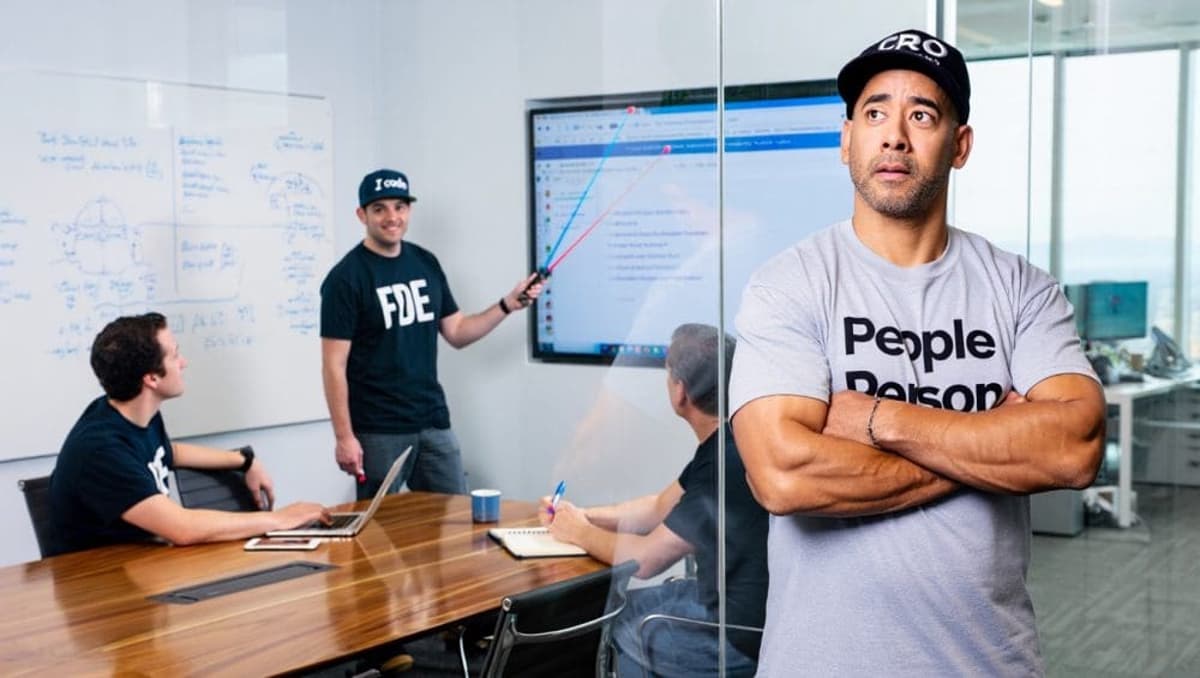
The 2026 Sales Reckoning: Why Your Traditional Sales Team Is About To Look Very Different
The blog argues that by 2026 B2B software sales will be dominated by AI‑driven prospecting and technical specialists rather than traditional account executives. Real‑world examples include a $4 million deal closed solely by a sales engineer, Vercel’s outbound motion run by...

The 8 Things No One Tells You About ‘Prosumer’ Vibe Coding (That You Need To Learn To Build a Real...
Jason Lemkin outlines the hidden challenges of AI‑assisted ‘vibe coding’ for B2B SaaS products. While AI agents can generate functional code quickly, they also hallucinate, require rigorous verification, and lack built‑in quality controls. Lemkin stresses that non‑technical founders must adopt...
Two Billion+ B2B Companies Lost Salesforce Access Indefinitely. This Is Your Security Wake-Up Call.
Two high‑profile SaaS vendors, Gainsight and Drift, were forced off the Salesforce AppExchange after a sophisticated threat actor stole OAuth tokens and exfiltrated data from hundreds of customers. Salesforce revoked the compromised tokens, pulling both companies' integrations offline indefinitely. The...

PagerDuty Falls to ~$1B Market Cap on $500M ARR. Just 2x ARR. Profitable Isn’t Enough. You Have to Grow.
PagerDuty reported $497 million ARR, up only 3% YoY, and became GAAP profitable, yet its market cap slipped to about $1.1 billion—roughly two times ARR. Growth has stalled at 4‑5% and net‑revenue retention fell to 100%, meaning existing customers no longer expand....
The “Buy Your Own Product” Test: Why Every B2B Founder Should Be Their Own Customer (At Least For A Day)
Jason Lemkin urges B2B SaaS founders to purchase their own product using the public buying flow, not internal shortcuts. By submitting contact forms, calling support lines, and attempting in‑app upgrades, founders expose friction points that often go unnoticed. The exercise...
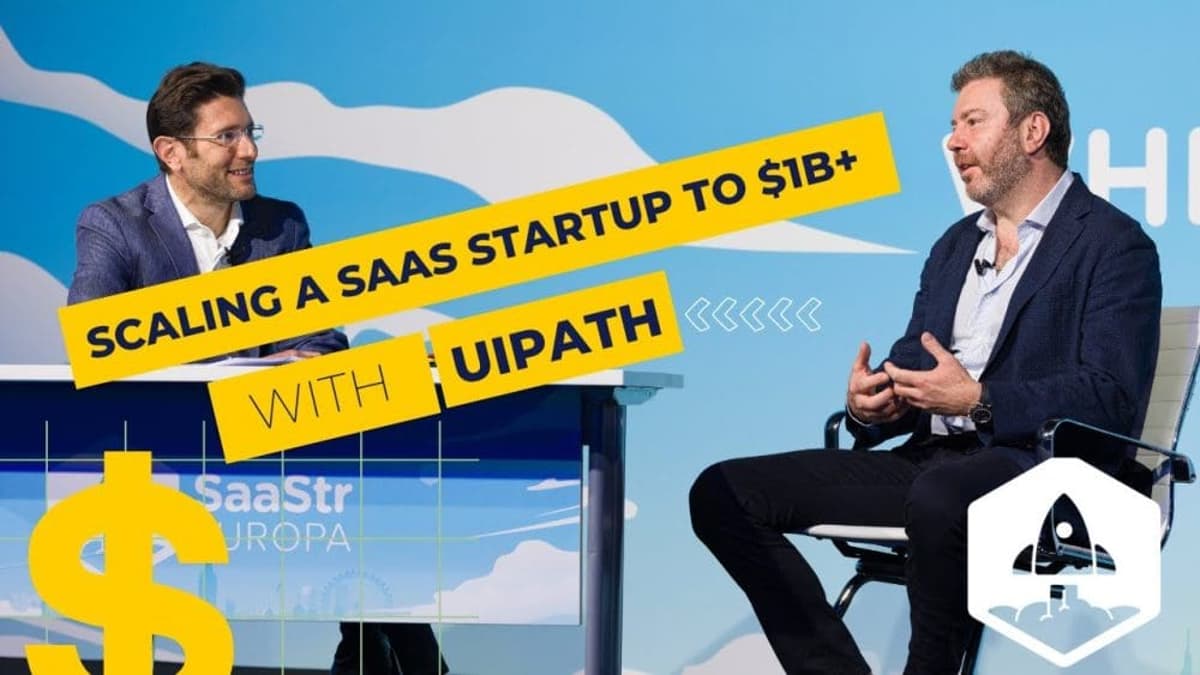
The First $100,000,000 ARR at UiPath: How Founder CEO Daniel Dines Went From 10 Years of Struggle to Hypergrowth
UiPath, founded by Daniel Dines, hit its first $175 million ARR after a four‑year sprint from a modest $1 million base, illustrating a textbook hypergrowth trajectory in B2B SaaS. The company’s breakthrough came from a $10,000 pivot that turned a niche screen‑reading...