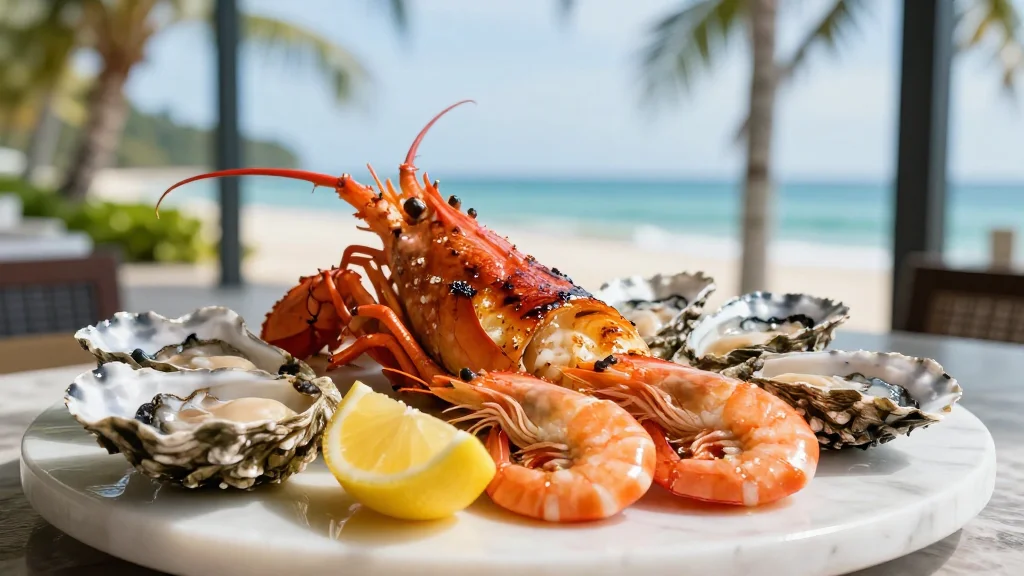
Prince Waikiki's 100 Sails Revamps Menus Under Chef Brooke Tadena

Why It Matters
The refreshed menus at Prince Waikiki’s 100 Sails illustrate how resort hotels are leveraging food‑and‑beverage innovation to differentiate in a crowded market. By integrating locally sourced ingredients and tiered buffet concepts, the property not only enhances guest experience but also creates new revenue streams and supports regional agriculture. This approach reflects a broader industry trend where dining is becoming a primary driver of occupancy and brand loyalty, especially among travelers who prioritize authentic, place‑based experiences. Additionally, the move signals a strategic shift for hotel operators: investing in culinary talent and menu engineering can yield measurable returns in average daily rate (ADR) and per‑guest spend. As other Hawaiian resorts observe Prince Waikiki’s performance, we may see a cascade of similar menu overhauls, intensifying competition for farm partnerships and culinary talent across the islands.
Key Takeaways
- •Executive chef Brooke Tadena leads a full menu refresh at 100 Sails, Prince Waikiki Hotel.
- •New chef’s selection buffet priced at $62 per adult, $31 for children (ages 6‑10).
- •Weekend Prince Seafood and Prime Buffet priced at $89 per adult, $58.50 for children.
- •À la carte dinner highlights local farms such as Nalo Farms and Aloha Tofu Factory.
- •Menu revamp aims to boost midweek traffic, support local agriculture, and increase per‑guest spend.
Pulse Analysis
Prince Waikiki’s decision to revamp 100 Sails under Brooke Tadena is a textbook case of culinary differentiation in the resort sector. Historically, hotel restaurants have been viewed as ancillary, often offering generic fare that fails to excite discerning travelers. In the past five years, however, data from STR and hospitality consultants show that properties with strong food‑and‑beverage programs can command up to a 12% premium in ADR and see a 15% lift in ancillary revenue. Tadena’s blend of upscale buffet options and a farm‑centric à la carte menu directly taps into this premium.
The pricing tiers are also noteworthy. By positioning the chef’s selection buffet at a modest $62, the hotel captures price‑sensitive midweek guests who might otherwise dine off‑property. The higher‑priced weekend seafood buffet serves as a revenue anchor for peak occupancy periods, effectively smoothing demand across the week. This dual‑track strategy mitigates the classic “weekend‑only” buffet model that many resorts rely on, potentially flattening labor and supply chain costs.
Finally, the explicit farm sourcing narrative does more than satisfy a culinary trend; it creates a marketing hook that can be amplified across digital channels, loyalty programs, and travel media. As sustainability and authenticity become decisive factors for Gen Z and millennial travelers, hotels that can credibly showcase local partnerships will likely enjoy stronger brand equity. Prince Waikiki’s rollout will be a bellwether—if guest satisfaction scores and spend metrics rise, we can expect a wave of similar initiatives across the Pacific rim, reshaping the competitive dynamics of resort dining for years to come.
Prince Waikiki's 100 Sails Revamps Menus Under Chef Brooke Tadena
Comments
Want to join the conversation?
Loading comments...