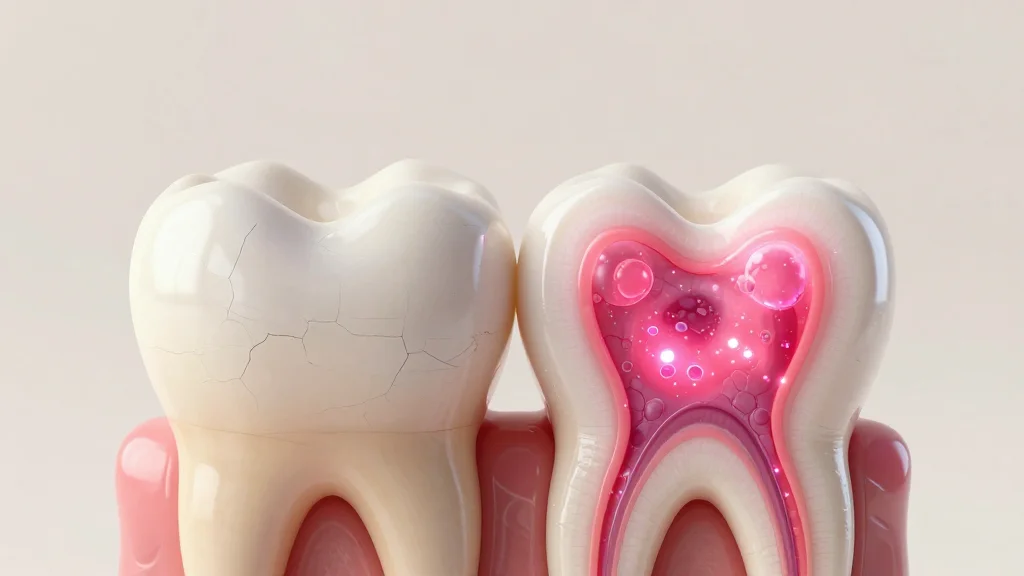
Senolytic Therapies Reduce the Impact of Aging on the Maintenance of Teeth

Key Takeaways
- •NFATC1 loss drives pulp cell dysfunction and tooth brittleness
- •Senescent dental pulp MSCs create a degenerative micro‑environment
- •Senolytic treatment restores NFATC1 and pulp regenerative capacity
- •Mouse studies show reduced fracture risk after senolytic therapy
Pulse Analysis
The aging of teeth has long been dismissed as inevitable, yet recent work reveals a cellular culprit: senescent mesenchymal stromal cells (MSCs) in the dental pulp. These cells accumulate with age, suppressing NFATC1—a transcription factor essential for pulp maintenance and dentin formation. When NFATC1 activity wanes, the pulp’s ability to repair micro‑damage diminishes, leading to brittle enamel and heightened fracture risk. By mapping this pathway with advanced 3‑D imaging and genetic tools, scientists have pinpointed a precise molecular target for intervention.
Senolytic therapies, originally explored for systemic age‑related diseases, emerged as a potent solution. In mouse models, drugs that selectively eliminate senescent pulp MSCs reactivated NFATC1, rejuvenated the pulp’s regenerative niche, and restored normal dentinogenesis. The treated animals displayed markedly stronger teeth and fewer fractures compared with untreated controls. This proof‑of‑concept demonstrates that age‑related dental degeneration is not merely a passive wear‑and‑tear process but a modifiable biological condition.
For the dental industry, these findings could reshape preventive care and restorative economics. If translatable to humans, senolytic regimens might be administered alongside routine cleanings or as part of minimally invasive procedures, reducing the need for crowns, implants, and other high‑cost interventions. Moreover, the research fuels interest in developing targeted delivery systems—such as pulp‑focused gels or biodegradable scaffolds—that concentrate senolytics where they are needed most. As the population ages, a therapeutic avenue that preserves natural teeth could generate significant market demand while improving patient quality of life.
Senolytic Therapies Reduce the Impact of Aging on the Maintenance of Teeth
Comments
Want to join the conversation?