
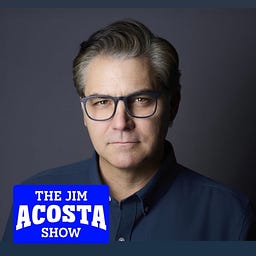
ACTOR NOAH WYLE & JIM ACOSTA TESTIFY AT HEARING HELD BY SENATOR ADAM SCHIFF IN BURBANK, CALIFORNIA
Key Takeaways
- •Wyle emphasized Hollywood's responsibility in factual storytelling
- •Acosta defended press freedom amid political pressure
- •Schiff called for bipartisan media oversight legislation
- •Testimony sparked debate over misinformation mitigation strategies
- •Industry groups pledged cooperation with upcoming regulatory framework
Summary
Actor Noah Wyle and journalist Jim Acosta appeared before a Senate hearing led by Senator Adam Schiff in Burbank, California, to discuss the role of entertainment and news media in shaping public discourse. Wyle argued that Hollywood bears a responsibility to present accurate narratives, while Acosta defended press freedom against perceived political pressure. The hearing examined potential bipartisan legislation aimed at increasing media accountability and combating misinformation. Lawmakers and industry representatives used the testimony to explore how regulatory frameworks might intersect with creative expression.
Pulse Analysis
The Senate hearing convened by Senator Adam Schiff marks a rare convergence of Hollywood talent and mainstream journalism in a legislative setting. Noah Wyle, known for his roles in medical dramas, used the platform to highlight how fictional storytelling can inadvertently reinforce false narratives when creators overlook factual accuracy. Jim Acosta, a veteran CNN correspondent, countered by emphasizing the essential role of a free press in holding power to account, especially as political actors increasingly challenge journalistic legitimacy. Their juxtaposed perspectives illustrate the broader tension between creative liberty and public responsibility.
Beyond the individual testimonies, the hearing signals a growing bipartisan appetite for media oversight. Lawmakers referenced recent spikes in misinformation campaigns and the blurring lines between scripted content and real-world events, prompting calls for clearer standards on fact‑checking and disclosure. Industry stakeholders, including major studios and news organizations, expressed willingness to collaborate on voluntary guidelines, yet warned that heavy‑handed regulation could stifle artistic innovation and journalistic investigation. The dialogue reflects an evolving policy landscape where technology, entertainment, and news converge, demanding nuanced solutions that protect both truth and expression.
Looking ahead, the outcomes of this hearing could set precedents for future regulatory initiatives. Potential legislation may introduce transparency requirements for content producers, mandate labeling of dramatized events, or establish independent oversight bodies. Such measures could reshape funding models, distribution strategies, and editorial practices across the media ecosystem. For businesses, staying ahead of these developments will be crucial; proactive compliance and partnership with policy makers may mitigate risk while preserving creative freedom. Ultimately, the intersection of Hollywood and the press in this forum underscores the critical role both play in shaping informed citizenry and the need for balanced governance.


Comments
Want to join the conversation?