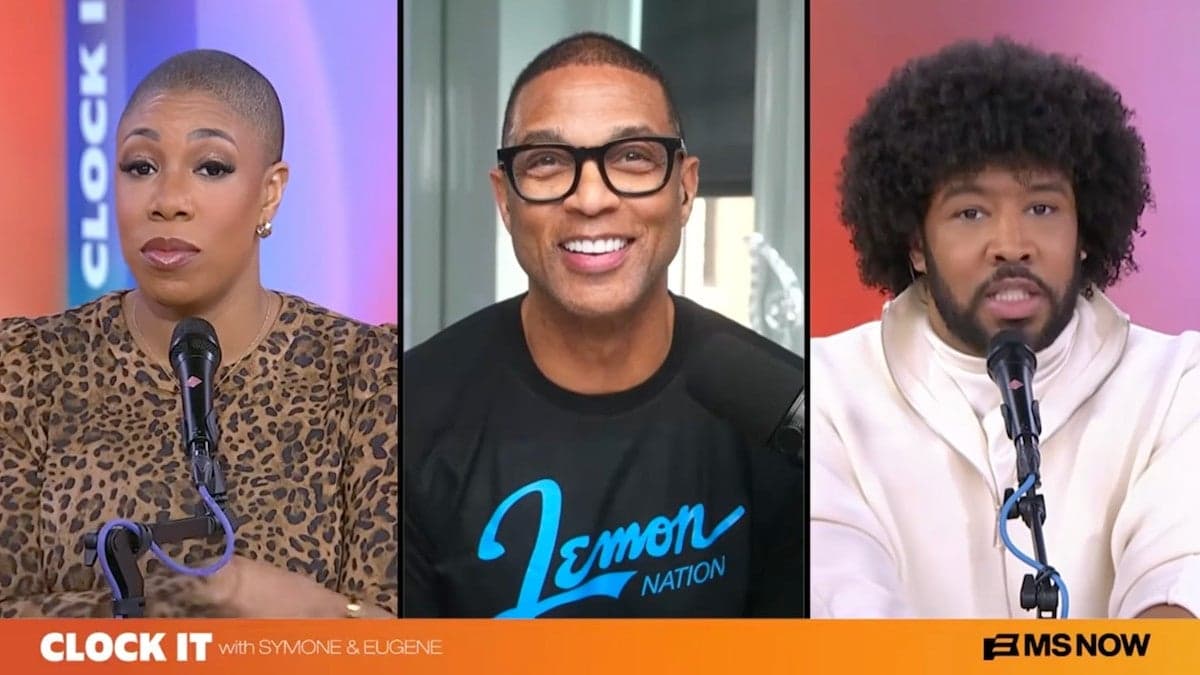
Don Lemon Denounces WHCA Journalists for Inviting Trump to Correspondents’ Dinner: ‘A Slap in the Face’ | Video
Why It Matters
The clash spotlights growing friction between the media and the executive branch, questioning the credibility of a flagship journalism event and its role in defending First Amendment rights.
Key Takeaways
- •Trump accepts first sitting president invitation to dinner.
- •Don Lemon calls invite “slap in the face” to journalists.
- •WHCA defends invitation as tradition, not endorsement.
- •Lemon recently pleaded not guilty to protest arrest.
- •Debate highlights press‑President tensions over First Amendment.
Pulse Analysis
The White House Correspondents' Dinner has long been a symbol of journalistic camaraderie and political satire, but this year’s invitation to President Donald Trump reshapes its narrative. Historically, the dinner has welcomed presidents as guests of honor, yet Trump’s two‑term boycott made his acceptance a watershed moment. By extending the invitation, the WHCA signals a willingness to re‑engage with the administration, but it also risks appearing to legitimize a leader who has repeatedly challenged press freedoms. This tension underscores the delicate balance event organizers must strike between tradition and advocacy.
Don Lemon’s outspoken rebuke reflects a broader anxiety among journalists about the erosion of First Amendment protections. Lemon, a veteran anchor with three decades of reporting, framed the invitation as an affront to the very principles the dinner celebrates. His criticism is amplified by his recent legal battle after being arrested at an anti‑ICE protest, where he pleaded not guilty and positioned himself as a defender of press rights. Lemon’s remarks resonate with many in the media who view Trump’s rhetoric and actions—such as labeling reporters "enemies of the people"—as a direct threat to newsroom safety and independence.
The episode may prompt the WHCA and similar institutions to reevaluate how they incorporate political figures into events centered on press freedom. Industry observers suggest that future dinners could adopt stricter criteria for presidential participation or shift focus entirely to journalist achievements, thereby reinforcing their core mission. As the media landscape grapples with increasing polarization, the debate sparked by Lemon’s comments serves as a barometer for the health of democratic discourse and the role of legacy events in upholding constitutional values.


Comments
Want to join the conversation?
Loading comments...