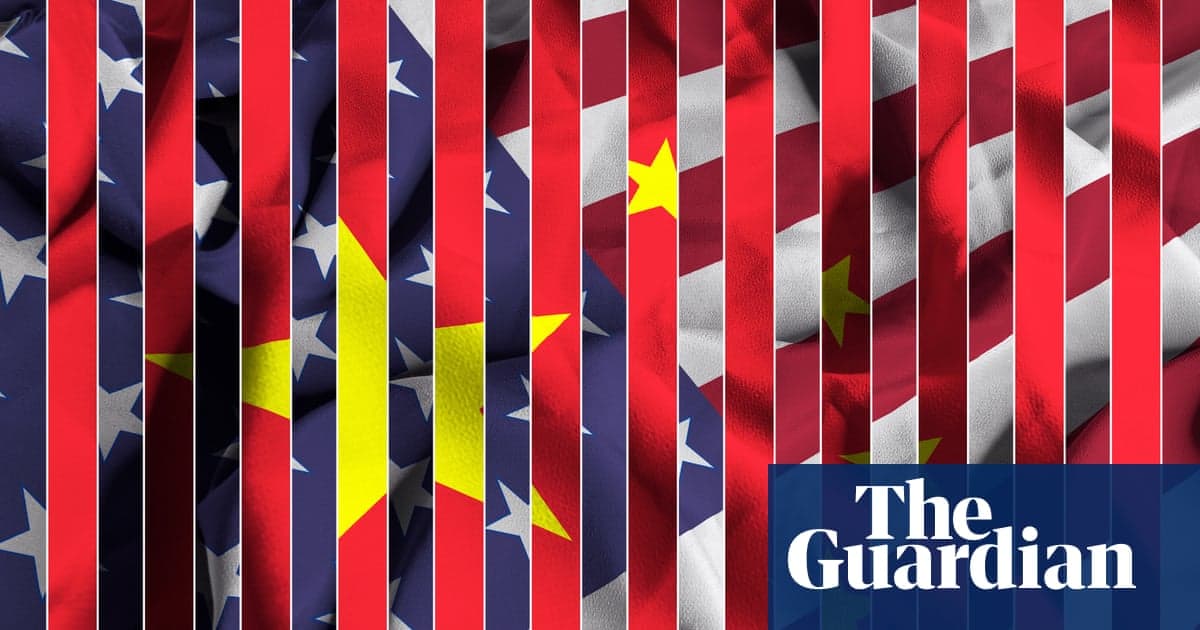
The Kill Line v Chinamaxxing: A Window Into How China and the US See Each Other
Why It Matters
The opposing memes signal a realignment of soft‑power influence, shaping how each society views the other and potentially affecting tourism, investment and diplomatic narratives.
Key Takeaways
- •"Kill line" meme paints US as economic abyss
- •"Chinamaxxing" trend spreads Chinese lifestyle among US Gen Z
- •Chinese netizens view US hardships as propaganda tool
- •Trend highlights China’s soft‑power push and domestic distraction
- •US homelessness rose 18% in 2024, fueling narratives
Pulse Analysis
The rise of the "kill line" meme on Chinese platforms illustrates how digital storytelling can reframe a rival nation’s image. By juxtaposing images of homelessness and economic volatility with sensational headlines, Chinese state media and influencers craft a narrative that the United States is teetering on the brink of social collapse. This portrayal taps into long‑standing propaganda motifs while resonating with a generation disillusioned by domestic unemployment and stagnant wages, offering a convenient external scapegoat for internal frustrations.
Conversely, the "Chinamaxxing" wave sweeping U.S. Gen Z circles reflects a growing appetite for cross‑cultural curiosity. From sipping hot water to practicing tai chi, American teenagers are curating a lifestyle brand built on perceived Chinese wellness practices. Brands and tourism boards in Beijing have quietly welcomed these influencers, seeing an opportunity to soften China’s image abroad without confronting contentious issues like human rights. The trend underscores a subtle but effective soft‑power strategy: exporting cultural symbols that appeal to youthful consumers while sidestepping political controversy.
Together, these memes reveal a broader shift in China‑U.S. perception dynamics. As Chinese netizens increasingly spotlight American socioeconomic strains, U.S. audiences are simultaneously romanticizing Chinese daily rituals. Both sides leverage social media to reinforce domestic narratives—China to distract from youth unemployment and economic slowdown, the United States to showcase openness and cultural diversity. The interplay suggests that future diplomatic engagements will be colored not only by official policy but also by the viral stories shaping public opinion on both sides of the Pacific.


Comments
Want to join the conversation?
Loading comments...