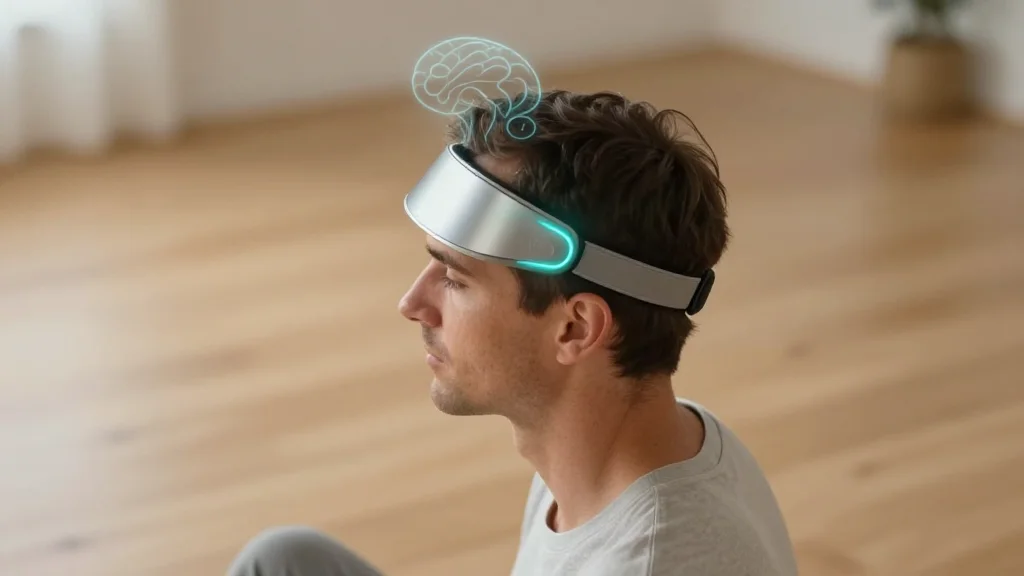
Neurofeedback Game AlphaRise Targets Fatigue in Multiple Sclerosis Patients

Companies Mentioned
Why It Matters
Fatigue is one of the most disabling symptoms of multiple sclerosis, often resistant to medication and poorly addressed by conventional therapies. AlphaRise offers a scalable, low‑cost intervention that empowers patients to monitor and modulate their own brain activity, potentially reducing reliance on pharmacologic treatments and improving quality of life. Moreover, the project illustrates how neurofeedback—an approach rooted in brain‑training and mindfulness—can be repurposed for clinical populations, expanding the toolkit for mental resilience beyond traditional meditation. If successful, AlphaRise could set a precedent for other neurodegenerative and chronic‑pain conditions where fatigue and cognitive decline are prevalent. The model of short, game‑based sessions may also attract younger patients and those hesitant to engage with traditional therapy, broadening access to neurotherapeutic care.
Key Takeaways
- •AlphaRise uses an EEG headset to classify five brain states linked to fatigue.
- •Survey of 146 MS patients showed a 96% willingness to try therapeutic games.
- •Mean MFIS fatigue score among participants was 52.4, indicating high fatigue burden.
- •Game sessions are limited to five minutes, matching the preference of 80% of respondents.
- •Next steps include pilot clinical trials and potential integration with wearable health platforms.
Pulse Analysis
The emergence of AlphaRise signals a shift toward personalized, data‑driven interventions in chronic disease management. Historically, fatigue in MS has been managed through medication, physical therapy, and lifestyle adjustments, yet objective measures of fatigue have been elusive. By translating EEG signals into actionable feedback, AlphaRise bridges the gap between subjective symptom reporting and quantifiable neurophysiological data. This aligns with a broader industry movement where digital therapeutics are validated through rigorous clinical endpoints, as seen with recent FDA approvals for video‑game‑based treatments for ADHD and chronic pain.
From a market perspective, the neurofeedback segment is projected to grow at a compound annual growth rate of over 15% through 2030, driven by advances in affordable consumer EEG hardware and increasing acceptance of non‑pharmacologic therapies. AlphaRise’s focus on a niche yet sizable patient population—approximately 1 million adults in the United States with MS—positions it to capture early adopters and attract partnership interest from pharmaceutical companies seeking adjunctive solutions. However, the path to reimbursement will hinge on demonstrable reductions in fatigue‑related disability and healthcare utilization.
Looking ahead, the key challenge will be translating short‑term neurofeedback gains into sustained functional improvements. Longitudinal studies must address whether repeated five‑minute sessions can produce lasting neuroplastic changes or merely temporary state shifts. If the data support durable benefits, AlphaRise could inspire a new class of micro‑dose digital therapeutics—brief, frequent interventions that fit seamlessly into daily routines, much like mindfulness apps but with a stronger physiological feedback loop.
Neurofeedback Game AlphaRise Targets Fatigue in Multiple Sclerosis Patients
Comments
Want to join the conversation?
Loading comments...