
The Current Status and Emerging Trends in the Application of Precision Nutrition for the Comprehensive, Lifecycle-Based Management of Chronic Liver...
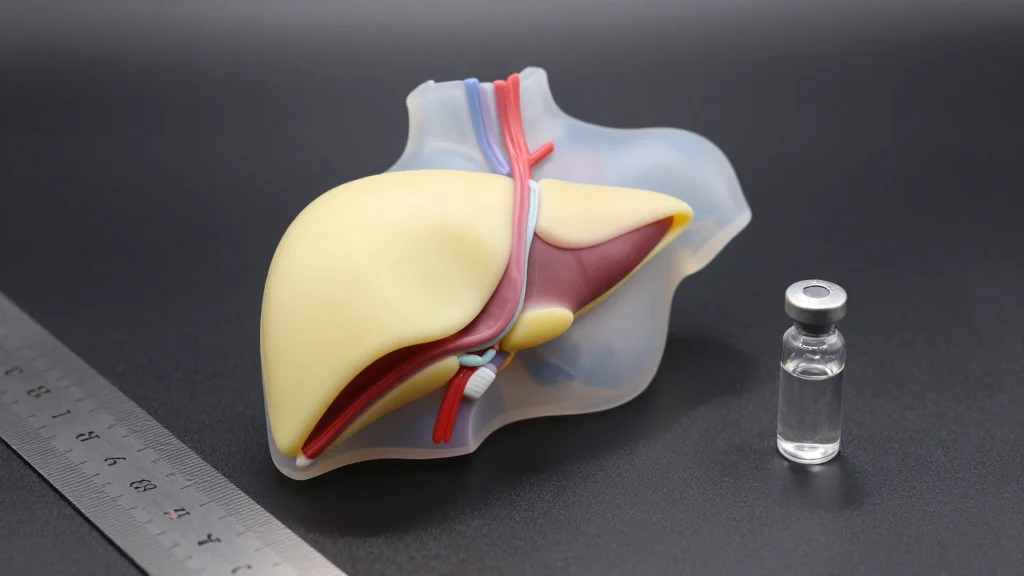
A new narrative review in Frontiers in Nutrition outlines how precision nutrition—leveraging genomics, metabolomics, gut‑microbiome data and lifestyle factors—can transform the lifecycle‑based management of chronic liver disease (CLD). The authors detail stage‑specific dietary strategies, from Mediterranean‑style low‑energy diets in early disease to protein‑rich, micronutrient‑supplemented regimens for cirrhosis and tailored enteral nutrition for decompensated patients. Multidisciplinary teams integrating hepatology, nutrition, endocrinology and psychology are shown to improve liver enzymes, weight loss and quality of life. The paper also highlights technology gaps, limited clinical pathways and the need for standardized protocols to scale precision nutrition in CLD care.
Metabolic Characteristics and Factors Associated with Prediabetes in Chinese Adults Based on Real-World Health Examination Data: A Cross-Sectional Study
A cross‑sectional study of 20,271 Chinese adults undergoing routine health exams identified distinct metabolic patterns in prediabetes. Compared with normoglycemic peers, prediabetic participants were older, had higher BMI, more hypertension and fatty liver, and displayed adverse lipid and bilirubin profiles....
MASLD and Sarcopenia Research (2012–2025): A Multi-Database Bibliometric Analysis
A new bibliometric study covering 701 English‑language papers from 2012 to 2025 maps the rapidly expanding research field at the intersection of metabolic dysfunction‑associated steatotic liver disease (MASLD) and sarcopenia. The analysis shows a 36.6 % compound annual growth rate, with...

Secretor Status-Dependent Modulation of in Vitro Immune Responses by Human Milk Oligosaccharides
The study demonstrates that an individual’s Secretor (FUT2) genotype, rather than the specific composition of human milk oligosaccharides (HMOs), primarily dictates peripheral blood mononuclear cell cytokine responses. Secretor‑positive (Se+) donors produced significantly more anti‑inflammatory IL‑10, and only genotype‑matched HMOs suppressed...
Effects of Low Glycemic Index/Load Diets on Metabolic and Inflammatory Markers in Humans: A Meta-Analysis
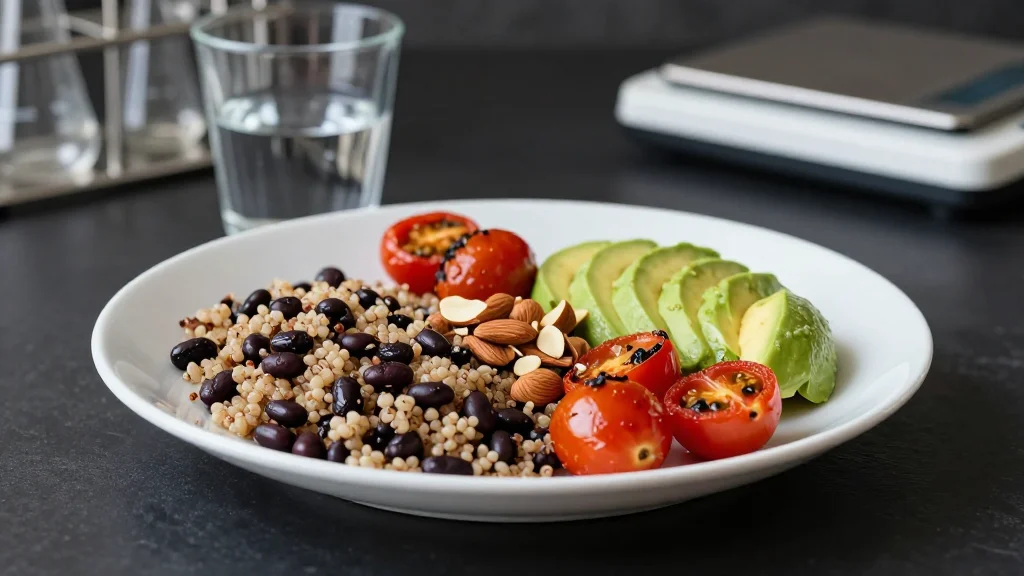
A meta‑analysis of 21 randomized trials involving 1,265 participants found that low‑glycemic index or load (LGI/LGL) diets were associated with modest weight loss, lower body‑mass index, and improvements in lipid profiles—including reductions in total cholesterol, triglycerides and LDL‑C and an...

Effects of Beta-Alanine Supplementation on Exercise Performance and Related Physiological Outcomes in Women: A Systematic Review and Meta-Analysis
A new systematic review and meta‑analysis examined beta‑alanine supplementation in women across 12 reports (11 RCTs, 312 participants). The pooled analysis found a moderate improvement in time‑to‑exhaustion (SMD ≈ 0.49, p = 0.001) while effects on peak power, anaerobic performance, VO₂max/VO₂peak and body‑fat percentage...

An Alternative Dietary Variety Score Reflects Nutrient Adequacy Across Different Life Stages in Japanese Women
Researchers created an Alternative Dietary Variety Score (ADVS) that swaps the traditional "fats and oils" component of Japan's Dietary Variety Score (DVS) for whole‑grain consumption. Using cross‑sectional data from 4,227 young, 3,562 middle‑aged and 1,655 older Japanese women, they found...

Valorization of Wine Industry By-Products as a Flavoring Agent in Water Kefir: Microbiological Viability and Functional Properties
Researchers formulated a water‑kefir beverage incorporating grape pomace, a wine‑industry by‑product, and evaluated its physicochemical, microbiological, sensory, and functional attributes. Anthocyanin and phenolic levels rose with pomace concentration, peaking in the 50% formulation, but excessive acidity limited its acceptability. The...

Time-Restricted Eating and Metabolic Health: Implications for Nutritional Strategies and Weight Loss
A Frontiers in Nutrition mini‑review published on June 11 2026 evaluates time‑restricted eating (TRE) as a chrononutrition strategy. The authors synthesize clinical trials showing that 6‑10‑hour eating windows can produce modest weight loss and improvements in insulin sensitivity, blood pressure, and lipid...

Precision Nutrition in Gastric Cancer: Current Advances and Future Directions
The review in Frontiers Nutrition outlines how precision nutrition—individualized, phenotype‑driven dietary support—can address the high rates of malnutrition, weight loss, and sarcopenia in gastric‑cancer patients. It details a stepwise assessment pathway that starts with risk screening, proceeds to GLIM‑based malnutrition diagnosis,...

Nutritional Indicators and Fluid Self-Efficacy Among Hemodialysis Patients in the Qassim Region, Saudi Arabia: A Multicenter Descriptive Cross-Sectional Study
A cross‑sectional study of 200 hemodialysis patients in Saudi Arabia’s Qassim region revealed that 59.5% exhibited low fluid self‑efficacy. Gender, dialysis duration and weight change over the past six months emerged as significant predictors, with females reporting higher self‑efficacy and...

Frailty and Sarcopenia as Independent Predictors of Early Functional Recovery in Older Adults with Osteoporotic Vertebral Compression Fractures: A Retrospective...
A retrospective cohort of 120 patients aged 60 and older with osteoporotic vertebral compression fractures found that frailty and sarcopenia independently predict poorer early functional recovery. Frail patients scored about 17 points lower on the Barthel Index, reported higher pain,...

A Structured Clinical Nutrition Pathway for Enteral Nutrition Management in Patients with Intracerebral Hemorrhage: A Non-Randomized Controlled Study
A non‑randomized controlled study at a Chinese tertiary hospital evaluated a SAPIM‑based structured clinical nutrition pathway for enteral feeding in intracerebral hemorrhage (ICH) patients. The pathway, emphasizing systematic assessment, personalized targets, and multidisciplinary coordination, reduced nutrition‑related complications from 56.7% to...
Associations of Dietary Phosphorus-Protein Ratio, Phosphorus-Energy Ratio, and Protein-Energy Ratio with Mortality in Peritoneal Dialysis Patients: A Retrospective Cohort Study
A retrospective cohort of 794 peritoneal dialysis (PD) patients examined how dietary nutrient‑density ratios—phosphorus‑protein, phosphorus‑energy, and protein‑energy—relate to mortality. The study found a nonlinear, U‑shaped association between the phosphorus‑protein ratio and both all‑cause and cardiovascular death, with risk rising above...

Leveraging Dynamic Serum Uric Acid Trajectories for Risk Stratification in Hospitalized HFpEF Patients
A Chinese registry analysis of 4,164 hospitalized HFpEF patients showed that pre‑discharge serum uric acid (SUA) levels, unlike admission levels, independently predict major adverse cardiovascular events (MACE) over a median 25‑month follow‑up. Patients whose SUA rose during hospitalization (normal‑high) or...