
Multimodal MRI Local Metrics and Cognitive Performance Following Water Intake in 12-H Water-Restricted Adults: A Randomized Controlled Trial
A randomized controlled trial of 64 university students examined how acute water intake after a 12‑hour fluid restriction influences brain imaging and cognition. Participants received 500 mL, 200 mL, 100 mL of water, or no water, and urine osmolality, multimodal MRI (fALFF, ReHo, VBM) and cognitive tests were measured before and 90 minutes after intake. The high‑intake group showed the most pronounced fALFF increases across several gyri and higher ReHo in the right orbitofrontal gyrus, while the medium‑intake group displayed elevated gray‑matter VBM in the hippocampus and related regions. Cognitive scores did not differ between groups, though all water‑receiving groups improved symbol‑search performance and high/medium groups showed gains in mental arithmetic.
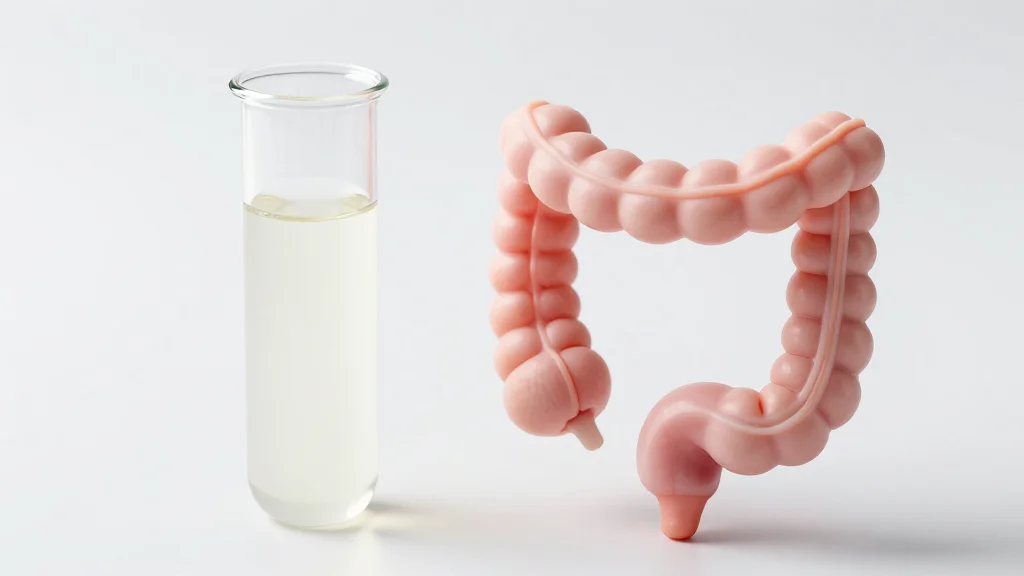
Infant-Derived Bifidobacterium Strains Screened in Vitro for Alleviating Intestinal Disorder Caused by Escherichia Coli
Researchers screened 38 infant‑derived Bifidobacterium strains and identified strain D2 as the most potent antagonist of pathogenic Escherichia coli. In vitro, D2’s cell‑free supernatant, rich in acetic acid, disrupted E. coli biofilms, damaged cell membranes, and prevented adhesion to HT‑29 intestinal...
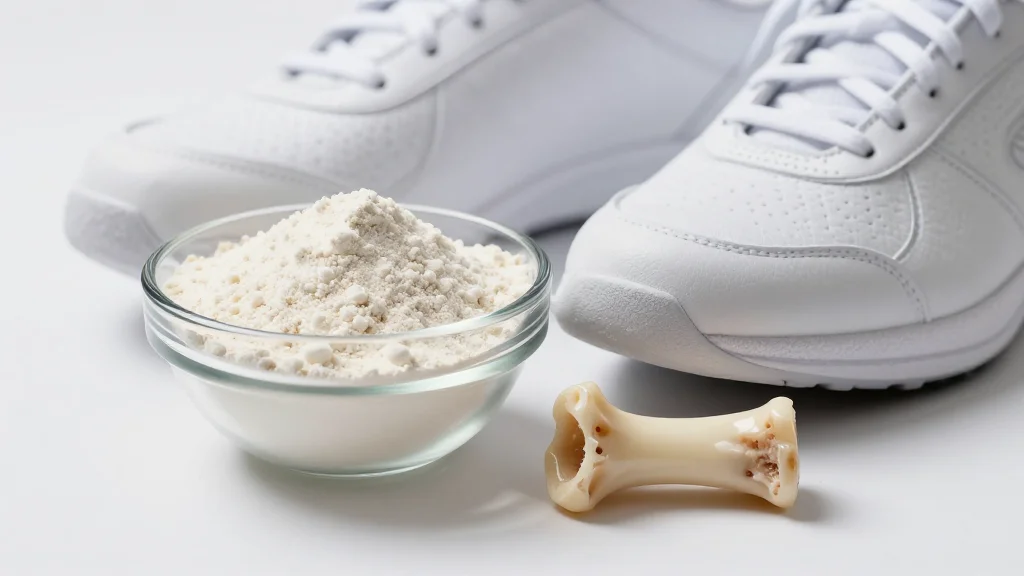
Effects of Collagen Peptide Supplementation on Bone Turnover, Cytokine, and Inflammatory Markers in Female Distance Runners: A Randomized Pilot Study
A four‑week, double‑blind pilot trial gave 20 g daily collagen peptides to premenopausal female distance runners and compared them with an isocaloric maltodextrin control. The collagen group showed a significant rise in serum P1NP, a marker of bone formation, while sRANKL...

Integrating Sarcopenia Into ICU-Acquired Weakness Risk Stratification: A Machine Learning–Based Prediction Model for Critical Care
A retrospective study of 1,324 ICU patients found that sarcopenia significantly predicts ICU‑acquired weakness (ICU‑AW). Using six variables—age, APACHE II score, sarcopenia, sepsis, mechanical ventilation, and lactate—the researchers trained ten machine‑learning models and identified XGBoost as the top performer (AUC ≈ 0.84). SHAP...
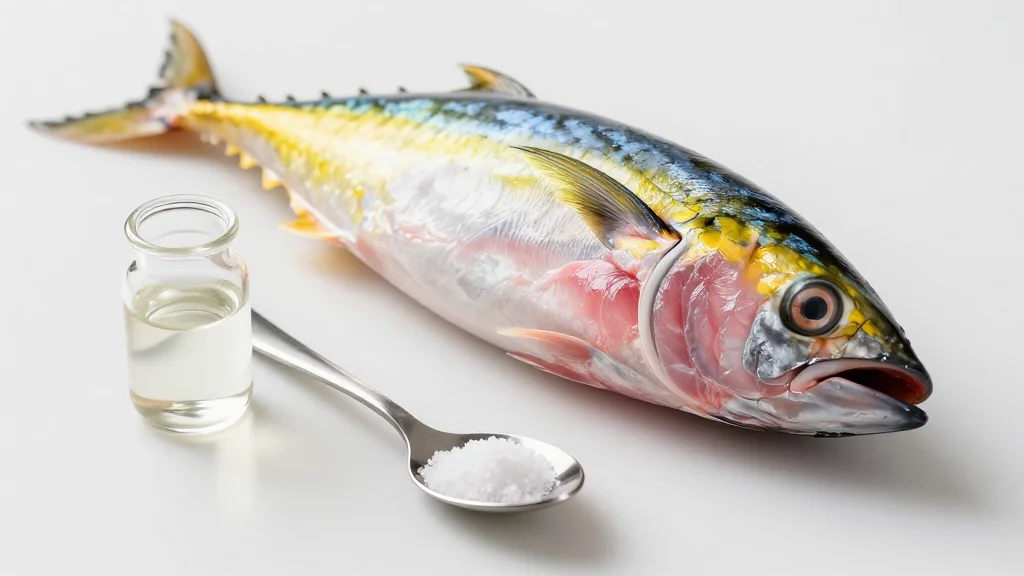
Amino Acid and Bioactive Signatures of Yellowfin Tuna Loins: Ocean-Specific Patterns Across Major Fishing Grounds
A new study examined the amino‑acid composition and bioactive compounds of yellowfin tuna (Thunnus albacares) loins sourced from the Atlantic, Indian and Pacific oceans. Total protein averaged 25.3 g per 100 g edible portion, confirming a high‑protein claim, while the overall amino‑acid...

The Effects of Resveratrol on Endothelial Progenitor Cells and Apoptosis Biomarkers in Postmenopausal Women with Chronic Coronary Heart Disease: A...
A randomized, double‑blind trial gave 20 post‑menopausal women with chronic coronary heart disease 1,000 mg of resveratrol daily for 90 days versus placebo. The intervention increased serum anti‑apoptotic markers Bcl‑2 and cIAP2 and reduced caspase‑9, indicating inhibition of the intrinsic apoptosis pathway....

Climate Change, Natural Resource Conflicts and Insecurity in Nigeria: Implication for Food Security
A new study links climate change, natural‑resource conflicts and insecurity to deteriorating food security in Nigeria. Using the 2018/19 General Household Survey and the 2022 National Agricultural Sample Census, researchers applied OLS, ordered logit and probit models to quantify impacts....

Athlete-Focused Eating Disorder Programming in Higher Levels of Care: Feasibility and Clinical Outcomes From a Naturalistic Setting
A naturalistic study of 182 self‑identified athlete patients in partial hospitalization and intensive outpatient eating‑disorder programs found that athlete‑focused therapy groups are feasible and produce significant clinical gains. Across five assessment points, participants showed large reductions in dysfunctional exercise, eating‑disorder...
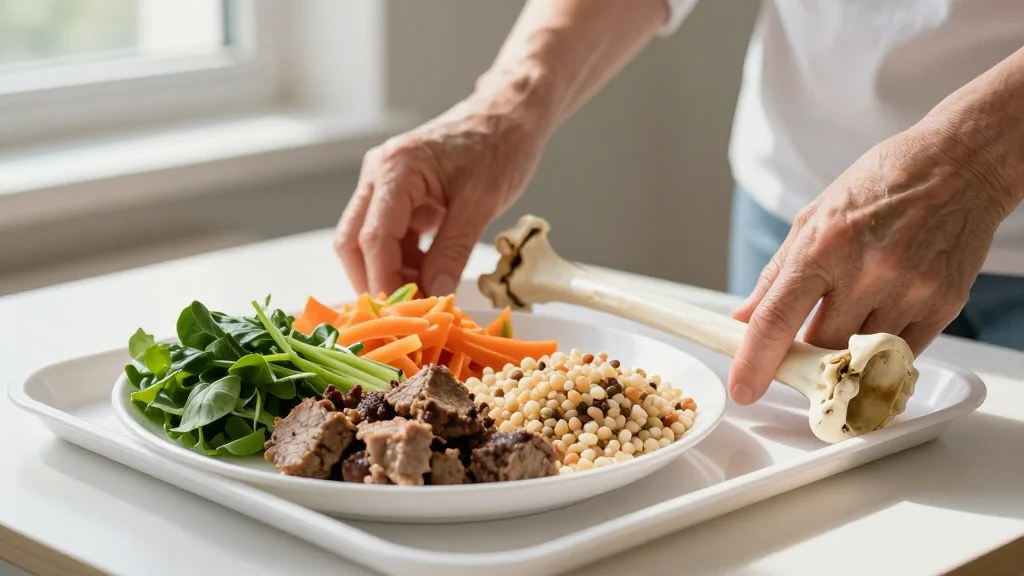
A Retrospective Analysis of the Link Between the Prognostic Nutritional Index and 1-Year Mortality Rates in Older Adults Suffering From...
A retrospective cohort of 954 Chinese patients aged 60 and older found that pre‑operative Prognostic Nutritional Index (PNI) scores were significantly lower in those who died within one year after femoral neck fracture surgery. After adjusting for age, sex, comorbidities...

Editorial: Sustainable Food Procurement for Healthy Diets in Public and Private Canteens
The editorial surveys a new research collection on sustainable food procurement across public and private canteens, highlighting how procurement policies, menu design, and behavioral interventions can drive healthier, lower‑impact diets. Case studies range from French school feeding programs and Malawi’s...

Associations of Diabetes Mellitus With/Without Diabetic Retinopathy and Cognitive Outcomes in Older Adults: The Potential Role of the Dietary Inflammatory...
A multi‑dataset observational study spanning NHANES, the UK Biobank and a Chinese Wenzhou cohort found that older adults with diabetes mellitus (DM) have a higher prevalence of cognitive impairment, and that the presence of diabetic retinopathy (DR) further worsens cognitive...
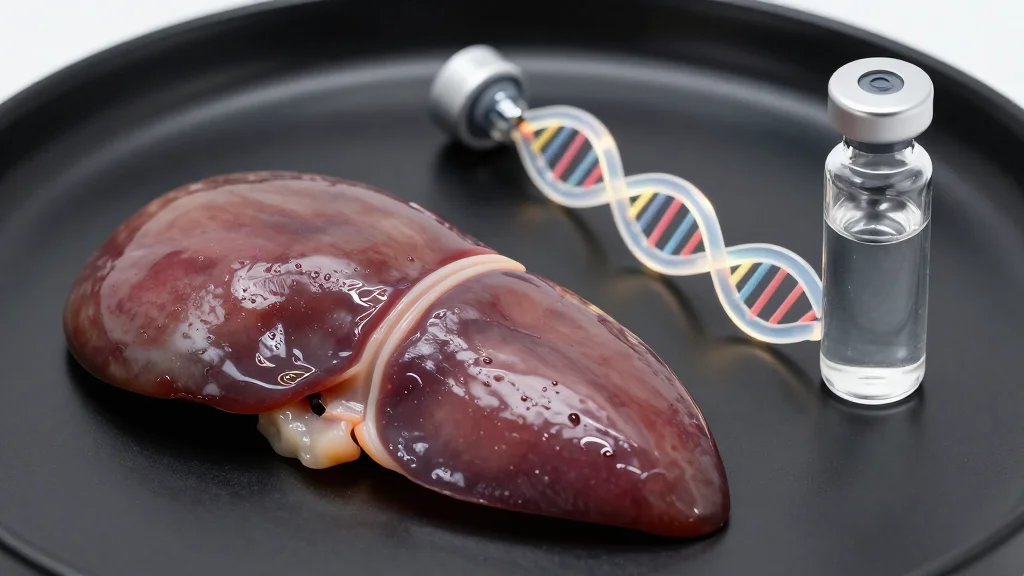
The Long Non-Coding RNA CidecAS Regulates Hepatocyte Lipid Metabolism via the Alpha-1 Subunit of Na+/K+-ATPase
The study identifies a novel antisense long non‑coding RNA, lnc‑CidecAS, that modulates hepatic lipid metabolism. Overexpression of lnc‑CidecAS in cultured hepatocytes and mouse models lowers extracellular and serum triglycerides, reduces body‑fat accumulation, and ameliorates diet‑induced hepatic steatosis. Mechanistically, lnc‑CidecAS directly...
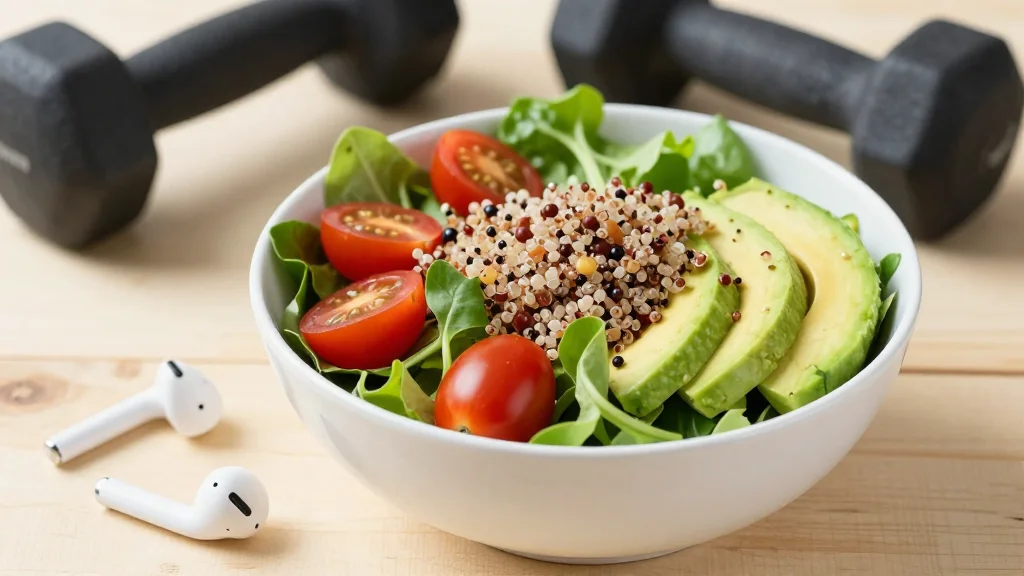
Rhythms of Recovery: Music Therapy, Sports Nutrition, and Sustainable Diets and Food for Mental Health
A comprehensive integrative review of 120 studies finds that music therapy, sports nutrition, and sustainable diets each positively affect mental‑health outcomes, with combined interventions delivering the strongest benefits. Over 82% of the studies reported significant improvements in mood, stress, cognition,...

Association of the Sarcopenia Index with Incident Depressive Symptoms and Adverse Depressive Symptom Trajectories
A longitudinal analysis of 6,286 older adults in the Health and Retirement Study found that a higher baseline sarcopenia index (SI) is linked to a reduced risk of developing depressive symptoms over six years. Each standard‑deviation increase in SI lowered...

Global Research Trends on the Impact of Obesity on Male Infertility: A Bibliometric Analysis
A new bibliometric study maps the rapidly expanding field linking obesity to male infertility, identifying exponential growth in publications since 2012 and forecasting a peak around 2027. China leads in sheer output with 204 papers, while the United States commands...

Weight Changes and All-Cause Mortality in Critically Ill Patients: A Multi-Center Retrospective Cohort Study
A retrospective analysis of 30,537 U.S. ICU patients found that the rate of body‑weight change during hospitalization is a strong, independent predictor of both ICU and hospital mortality. Each additional 1 % increase in weight was linked to a 4 % rise...
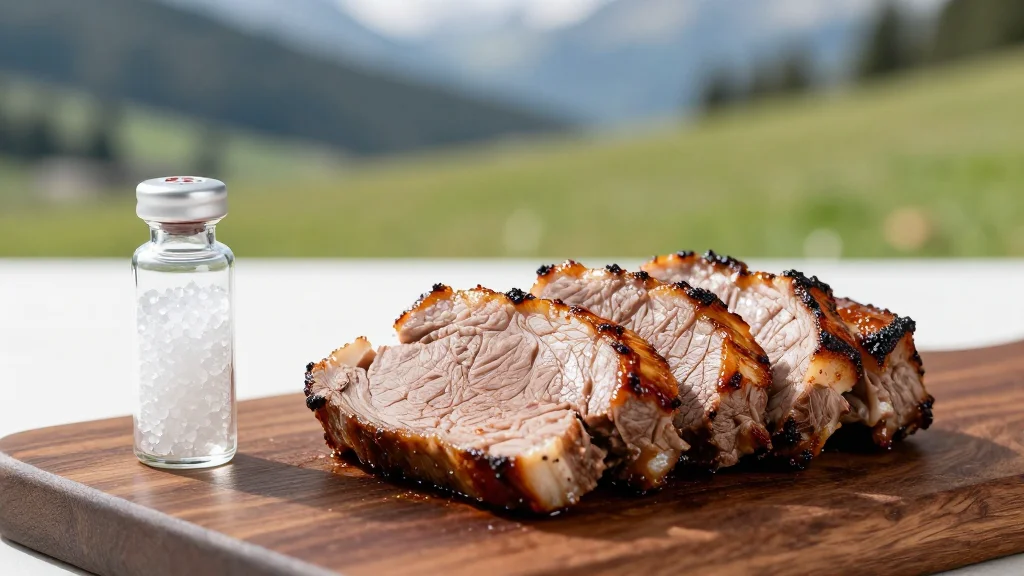
Effects of Magnesium Potassium Sulfate on Tibetan Sheep Quality and Its Volatile and Non-Volatile Metabolic Substances
A recent study evaluated dietary magnesium‑potassium‑sulfate (PMS) supplementation in Tibetan sheep and found that a 0.3% inclusion markedly improved carcass traits, while a 0.25% level boosted intramuscular fat, omega‑3 fatty acids, and meat pH stability. Metabolomic analysis linked these gains...
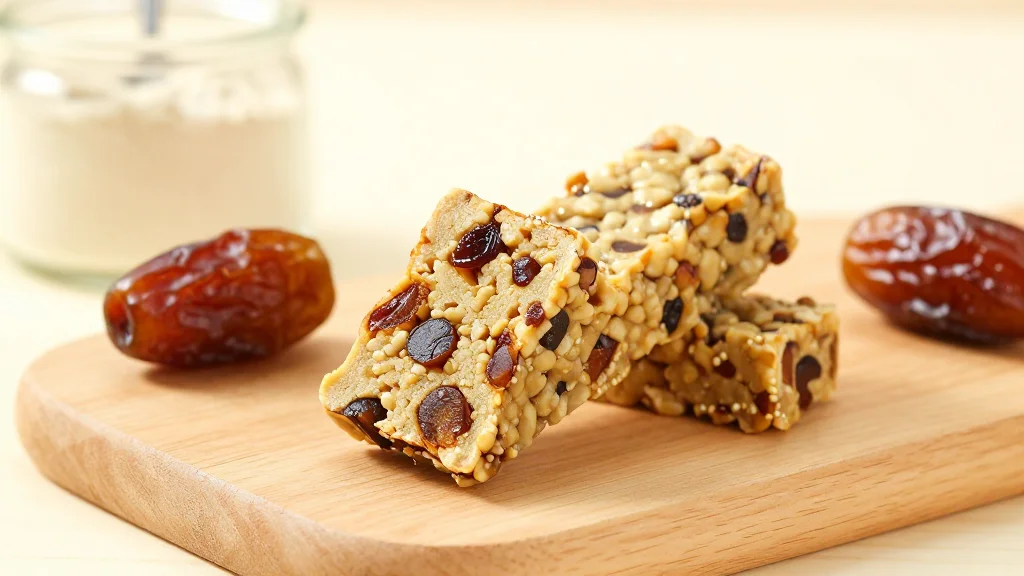
Development, Nutritional Profiling, Physicochemical Properties, Computational Protein-Polyphenol Interactions, and Sensory Properties of High-Energy Medjool Date Bars
Researchers formulated high‑protein Medjool date energy bars by increasing date paste (45‑55%) and reducing oats (10‑0%) while keeping milk protein concentrate‑whey isolate constant. The bars deliver roughly 421 kcal, 23‑24% protein, 5.8‑6.9% fiber and high antioxidant phenolics (562‑619 mg GAE per 100 g)....

Dietary Polysaccharides in the Management of Inflammatory Bowel Disease: Recent Advances
Recent research highlights dietary polysaccharides as potent prebiotic agents that reshape gut microbiota and mitigate inflammatory bowel disease (IBD). Studies across multiple animal models show that compounds such as Gastrodia elata polysaccharides, oat β‑glucan, and Lycium barbarum polysaccharides increase beneficial...

The Impact of Early Enteral Nutrition on 28-Day Mortality in Septic Shock: A Cohort Study
A cohort study of 1,855 Chinese ICU patients with septic shock examined whether early enteral nutrition (EEN) within the first 24 hours affected 28‑day in‑hospital mortality. Overall, EEN was not linked to a statistically significant mortality reduction (adjusted HR 0.83, p = 0.135)....

Anti-Inflammatory Dietary Interventions in Inflammatory Bowel Disease: Current Insights and Future Perspectives
Anti‑inflammatory dietary patterns are emerging as adjunctive therapies for inflammatory bowel disease (IBD), targeting gut microbiota, barrier integrity, and immune modulation. The review highlights the Mediterranean diet, Specific Carbohydrate Diet, low‑FODMAP, IBD‑AID, and Groningen Anti‑Inflammatory Diet, summarizing mechanistic rationale and...

Does Creatine Affect Lipid Profile? A Systematic Review and Meta-Analysis of Randomized Placebo-Controlled Trials
A systematic review and meta‑analysis of eight randomized, placebo‑controlled trials examined creatine supplementation’s effect on blood lipid profiles. The pooled data showed no statistically significant changes in total cholesterol, LDL‑C, HDL‑C, or triglycerides, with mean differences close to zero and...

Gestational Constipation and the Gut Microbiota: Mechanisms, Interventions, and Implications for Maternal and Offspring Health
Gestational constipation affects up to 40% of pregnant women and reflects disruptions in the pregnancy‑driven gut microbiota remodeling. Hormonal, immune and dietary shifts reduce microbial diversity, expand Actinomycetota and Pseudomonadota, and alter short‑chain fatty acid production, impairing colonic motility. Fiber‑rich,...

Predictive Value of TyG-BMI, CTI, and SII in Identifying Metabolic Dysfunction-Associated Steatotic Liver Disease Among Patients with Type 2 Diabetes...
A retrospective study of 796 hospitalized type 2 diabetes patients evaluated three inexpensive blood‑based indices—TyG‑BMI, the C‑reactive protein‑triglyceride‑glucose index (CTI) and the systemic immune‑inflammation index (SII)—for detecting metabolic dysfunction‑associated steatotic liver disease (MASLD). All three markers were independently associated with...

Combined Effects of Blood Flow Restriction Training and Nutritional Intervention on Muscle Adaptations: A Systematic Review and Meta-Analysis
A systematic review and meta‑analysis of nine randomized trials (181 healthy adults) examined whether adding nutritional supplements to blood‑flow restriction (BFR) training improves strength, hypertrophy, or endurance. The pooled data showed no significant additional gains in maximal strength (SMD = ‑0.09) or...

The Role of Fat-Free Mass Index in Evaluating Protein-Energy Wasting in Maintenance Hemodialysis Patients: A Multicenter Cross-Sectional Study
Researchers evaluated fat‑free mass index (FFMI) measured by bioelectrical impedance analysis (BIA) in 272 maintenance hemodialysis (MHD) patients across three Chinese hospitals. Low FFMI (<17 kg/m² for men, <15 kg/m² for women) was present in 38.6% of patients and identified many individuals...

Impact of Probiotics and Prebiotics on Glucose/Lipid Metabolism in Metabolic Dysfunction-Associated Steatotic Liver Disease: Mechanisms and Implications
The perspective article reviews how probiotics, prebiotics and their combination (synbiotics) influence glucose and lipid metabolism in metabolic dysfunction‑associated steatotic liver disease (MASLD). Recent meta‑analyses show probiotic supplementation reduces ALT by about 8 IU/L and improves cholesterol, while prebiotics cut triglycerides...

Serum Lipid Profiles and Risk of Depression: A UK Biobank Prospective Cohort Study
A prospective analysis of 445,105 UK Biobank participants over a mean 12.3‑year follow‑up found that higher baseline levels of Apolipoprotein B, LDL‑C and total cholesterol were each associated with a lower risk of incident depression. Apolipoprotein A displayed a U‑shaped relationship, with...

Association Between Nutritional Status at Admission and Inadequate Bowel Preparation in Inflammatory Bowel Disease Patients: A Retrospective Cohort Study
A retrospective cohort of 697 inflammatory bowel disease (IBD) patients in China found that malnutrition at hospital admission markedly increases the risk of inadequate bowel preparation for colonoscopy. Using three validated nutrition screens—Prognostic Nutritional Index (PNI), Nutritional Risk Index (NRI)...

Effects of Caffeine Intake on Exercise Performance in Basketball Players: A Systematic Review and Meta-Analysis
A new systematic review and meta‑analysis of 18 blinded crossover studies examined how acute caffeine affects basketball performance. Low‑to‑moderate doses (≈2.3‑3 mg·kg⁻¹) modestly improved general physical metrics such as sprint speed, jump height and agility, and raised perceived muscle endurance and...
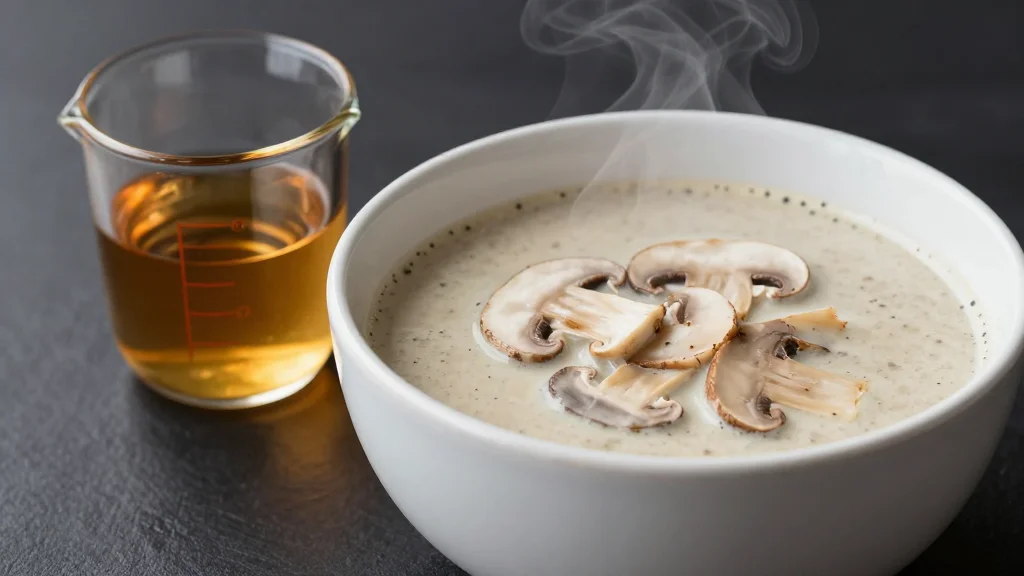
Flavoromics Approach Reveals the Dynamic Changes of Non-Volatile and Volatile Compounds in the Sarcodon Imbricatus Soup at Different Cooking Times
A flavoromics study examined Sarcodon imbricatus mushroom soup cooked at 91 °C for 30‑150 minutes, tracking free amino acids, nucleotides, and volatile compounds. Free amino acids fell during the first 90 minutes then rose, while 5′‑GMP increased steadily, boosting umami synergy. HS‑GC‑IMS and...

Polyphasic in Vitro Characterization of the Pigment-Producing Microfungus Rhodotorula Sp. For Potential Application as a Probiotic in Mariculture
Researchers isolated a pigment‑producing Rhodotorula sp. from mangrove leaves in southern India and applied a polyphasic in‑vitro framework to assess its probiotic suitability for mariculture. The strain generated 0.73 g L⁻¹ dry biomass, accumulated up to 398 µg g⁻¹ carotenoids, and displayed strong antioxidant...

Non-Volatile and Volatile Compound Analyses Revealed the Effect of Oregano Essential Oil on the Flavor Characteristics of Beef
A 2026 Frontiers in Nutrition study examined how dietary oregano essential oil (OEO) alters beef flavor. Cattle receiving a high dose of 260 mg OEO per day showed significant increases in umami and sweet amino acids, as well as flavor‑related nucleotides...

Dietary and Supplemental Vitamin D Intake and Pain Interference in Adults with Chronic Spine-Related Pain: A Cross-Sectional Survey Study
A cross‑sectional survey of 698 Chinese adults with chronic spine‑related pain found that both higher dietary vitamin D exposure and regular vitamin D supplementation were associated with lower functional interference, as measured by the Brief Pain Inventory. In fully adjusted models, a...
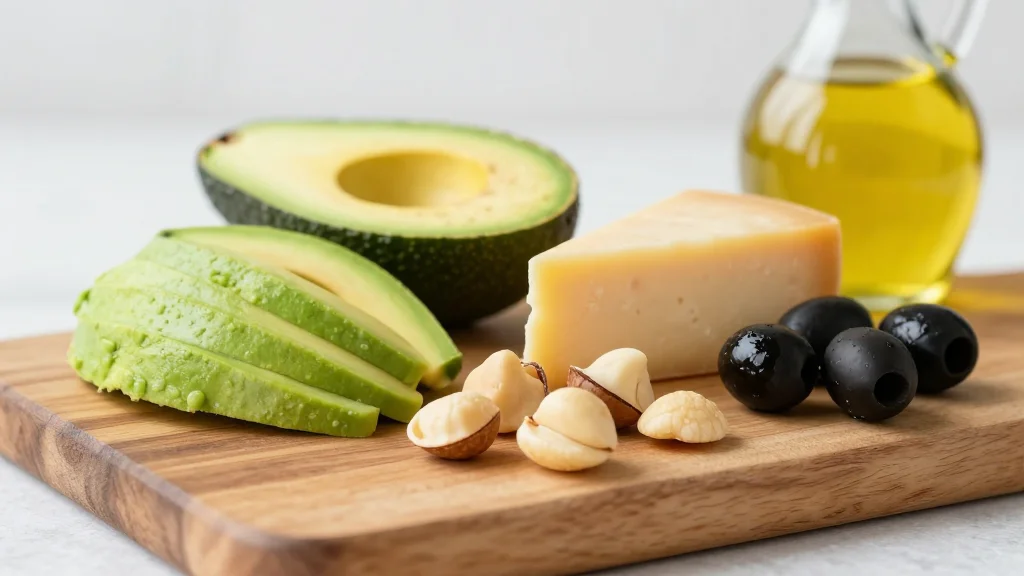
Micronutrient Intake in Adults with Drug-Resistant Epilepsy Treated with the Modified Atkins Diet Needs Monitoring
A prospective study of 56 adults with drug‑resistant epilepsy on a modified Atkins diet (MAD) found that while fat‑soluble vitamins A, D and E were higher than in a normal‑diet reference, intake of several water‑soluble vitamins, electrolytes and minerals fell...

Nutritional Timing and Stress Biology: Intermittent Fasting as a Hormetic Signal for Adaptation
Intermittent fasting (IF) and time‑restricted eating (TRE) are examined as controlled metabolic stressors that invoke hormetic adaptations. The review outlines how nutrient‑sensing pathways—including AMPK, SIRT1, mTOR and Nrf2—are modulated, driving autophagy, mitochondrial renewal and redox balance. Pre‑clinical and clinical evidence...
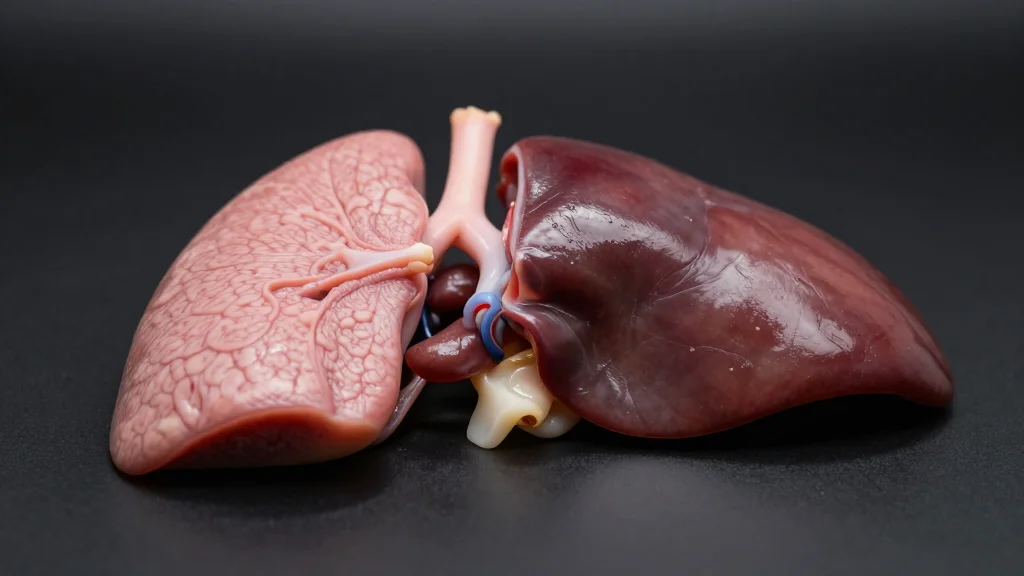
The Fatty Liver Index Exhibits a Dual Association with Chronic Obstructive Pulmonary Disease: A Machine Learning-Based Analysis of Two Independent...
The study analyzed two independent cohorts—a US NHANES sample of 15,560 adults and a Chinese hospital group of 296 COPD patients—to examine how the fatty liver index (FLI) relates to chronic obstructive pulmonary disease. In the NHANES cohort, higher FLI...

The Effects of Ketogenic Diet and Calorie-Restricted Diet on Metabolic Dysfunction-Associated Steatotic Liver Disease: A Retrospective Study
A retrospective cohort of 102 MASLD patients compared a 12‑week ketogenic diet (KD) with a calorie‑restricted diet (CRD). The KD produced a markedly larger drop in hepatic steatosis, with median CAP reduction of 62 dB/m versus 36 dB/m for CRD, and 84%...

Pre-Existing Iron Deficiency Anemia and Long-Term Risk of Recurrent Acute Kidney Injury in Survivors of ICU-Associated AKI: A Propensity-Matched Study
A large propensity‑score‑matched study of 13,002 ICU patients with acute kidney injury (AKI) found that pre‑existing iron deficiency anemia (IDA) markedly raises the risk of recurrent AKI (rAKI) over the next three years. The hazard ratio for rAKI was 1.53,...
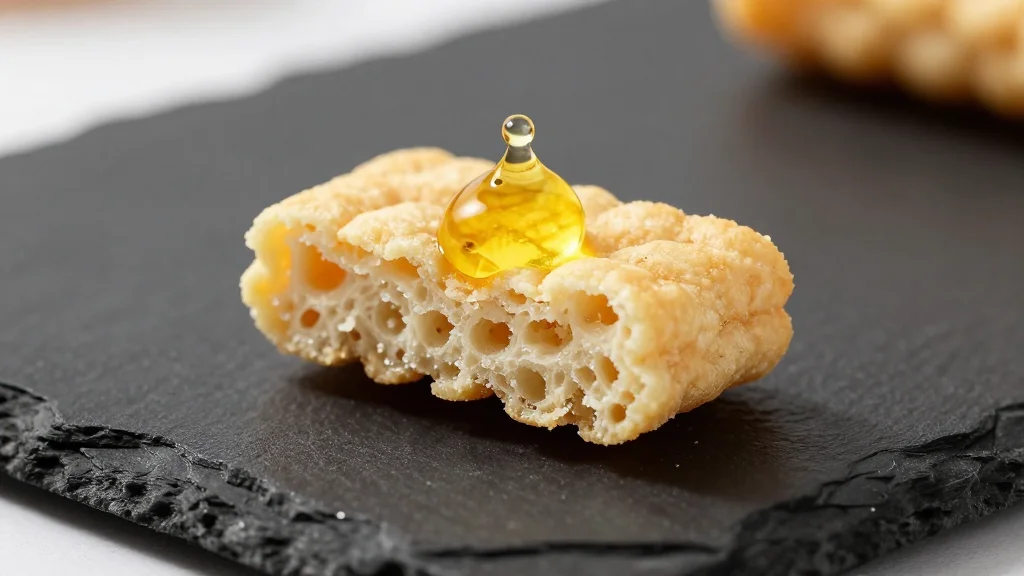
The Collapse of the Food Matrix: How Ultra-Processed Foods Impact Satiety and Metabolism by Altering Physical Structure Beyond Nutrient Composition
A 2026 Frontiers in Nutrition review argues that the health risks of ultra‑processed foods (UPFs) stem primarily from the industrial collapse of their physical food matrix, not just poor nutrient profiles. The authors detail how a softened matrix accelerates oral...

Role of Micronutrients, Phytochemicals, and Lipid Metabolism in Mammary Gland Development, Lactation Efficiency, and Breast Cancer Risk
A retrospective cohort of 800 women linked micronutrient deficiencies, low dietary phytochemical intake, and dyslipidemia to higher breast‑cancer incidence and more aggressive tumor features. Vitamin D deficiency was present in 48.5% of participants and raised cancer odds by 68 %. A high...
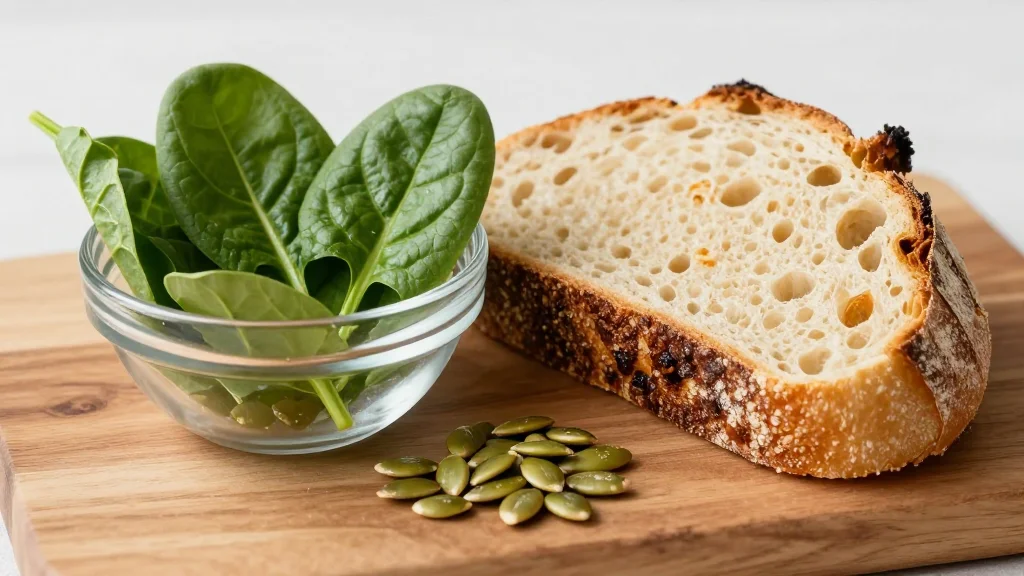
Effects of Sourdough- or Regular-Bread Fermentation, and Phytate Reduction on Iron Bioavailability, Absorption, and Iron Status in Humans: A Systematic...
The Frontiers in Nutrition systematic review examined eight human intervention studies to determine whether sourdough or regular‑yeast bread fermentation improves iron bioavailability, absorption, and status. Acute post‑prandial trials consistently showed higher serum iron and increased fractional absorption when phytate levels...

Regulation of Inflammation by Omega-3 and Omega-6 Fatty Acids: A Meta-Analysis of Randomized Trials
A meta‑analysis of nine randomized controlled trials involving 504 participants compared the anti‑inflammatory effects of omega‑3 and omega‑6 polyunsaturated fatty acids. The pooled data showed no significant impact on IL‑6, C‑reactive protein or TNF‑α levels. However, omega‑6 supplementation produced a...
Branched-Chain Amino Acids From Plants and the Metabolic Syndrome: Pathways and Pharmacological Applications
Metabolic syndrome affects roughly 1.54 billion adults and is driven by chronic inflammation. Recent research reviews how plant‑derived branched‑chain amino acids (BCAAs) from legumes, whole grains and microalgae can modulate inflammatory pathways and improve glycemic, lipid and body‑composition outcomes. Processing methods...

Development and Validation of an Explainable Machine Learning-Based Risk Prediction Model for Obesity in Chinese Children and Adolescents: A Population-Based...
The study created and validated an explainable machine‑learning model to predict current obesity risk among Chinese children and adolescents using a nationwide sample. A random‑forest algorithm achieved an AUC of 0.946 on the test set and 0.810 on temporal validation....
Beyond One-Shot Nudges: The Effects of Repeated Interventions for Healthier Online Meal Ordering
A three‑day experiment with 154 Israeli adults examined digital nudges on a mock online meal‑ordering platform. Participants received either just‑in‑time health feedback, an assortment shift toward healthier items, both combined, or no nudge. The combined feedback‑plus‑assortment condition produced a 24 %...

The Prognostic Nutritional Index (PNI) and Sepsis-Induced Cardiomyopathy (SCM) Risk in the ICU: A Retrospective Study with L-Shaped Analysis
A retrospective analysis of 200 ICU sepsis patients found that the prognostic nutritional index (PNI) is inversely associated with sepsis‑induced cardiomyopathy (SCM). SCM occurred in 63% of the cohort, with incidence dropping from 83% in the lowest PNI tertile (<31.3)...

Association of Maternal Diet with Human Milk Fatty Acid and Macronutrient Composition: A Saudi Cohort Study
A secondary analysis of 40 Saudi breastfeeding mothers showed that human‑milk macronutrients remain stable, but fatty‑acid composition, especially omega‑3 levels, closely mirrors maternal diet. Higher maternal energy and omega‑3 intake were linked to increased milk EPA, total n‑3 and a...

Nutritional, Sleep, Physical Activity, and Quality-of-Life Changes During Ramadan Fasting: A Prospective Comparative Study
A prospective longitudinal study of 282 healthy adults in Istanbul examined how Ramadan fasting influences nutrition, sleep, physical activity, and quality of life. Compared with non‑fasting peers, fasting participants reduced daily energy intake by about 130 kcal, lost roughly 0.7 kg, experienced...
Body Mass Index and Dietary Intake as Nutritional Determinants of Sarcopenia in Older Adults
A retrospective study of 360 adults aged 60 and older found that 11.4% met sarcopenia criteria. Lower body‑mass index, reduced daily energy, protein, and dietary fiber intakes were each independently linked to higher odds of sarcopenia after adjusting for age,...