
Antioxidant, Anti-Inflammatory, and Immunomodulatory Pathways of Citrus Limon Juice in a Respiratory-Irritated Rat Model.
Researchers at Qassim University evaluated Hesawi lemon juice (Citrus limon) as a natural therapeutic in a rat model of glycolic‑acid‑induced respiratory irritation. Rats received either 3 mL kg⁻¹ or 6 mL kg⁻¹ of juice daily for three weeks before intratracheal acid exposure. The high‑dose regimen markedly reduced leukocytosis, neutrophilia, and pro‑inflammatory cytokines while restoring antioxidant enzymes such as SOD, CAT and glutathione‑peroxidase. Histology confirmed minimal lung lesions, indicating dose‑dependent protection against oxidative and inflammatory damage.

Taste Alterations in Breast Cancer Patients Undergoing Chemotherapy: An Observational Study
A prospective study at Italy’s Candiolo Cancer Institute enrolled 94 breast‑cancer patients, with 70 completing chemotherapy and taste assessments. Subjective questionnaires showed a marked decline in all taste modalities after treatment, while objective taste‑strip testing identified hypogeusia in roughly one‑third...

The Effect of Breast Massage Combined with Co-Parenting Interventions on Breastfeeding in Mother-Infant Separated Mothers: A Quasi-Experimental Study
A quasi‑experimental trial involving 120 mother‑infant dyads separated after birth tested a co‑parenting protocol where fathers performed structured breast massage. The intervention group achieved exclusive breastfeeding rates of 64.9% at one month and 64.3% at three months, far surpassing the...
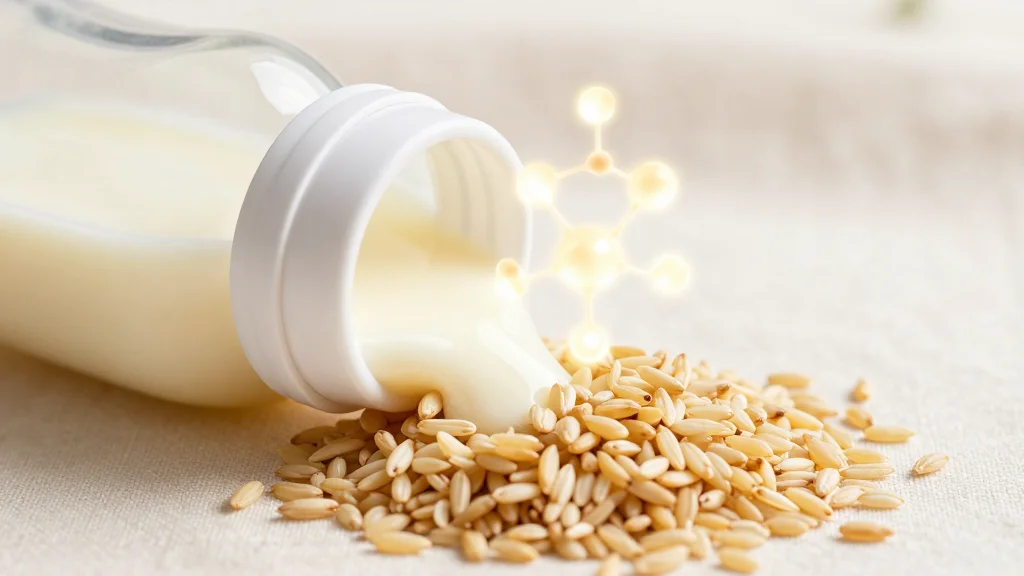
Hypoallergenicity of a Hydrolyzed Rice Protein-Based Formula Containing 2-Fucosyllactose and Lacto-N-Neotetraose in Children with Cow’s Milk Allergy: Protocol for a...
The RIGHT‑HY study is a multicenter, double‑blind, crossover trial evaluating a hydrolyzed rice protein formula enriched with the human milk oligosaccharides 2‑fucosyllactose and lacto‑N‑neotetraose (HRF‑HMO) in children aged 60 days to 3 years with IgE‑mediated cow’s milk allergy (CMA). Up to 67...
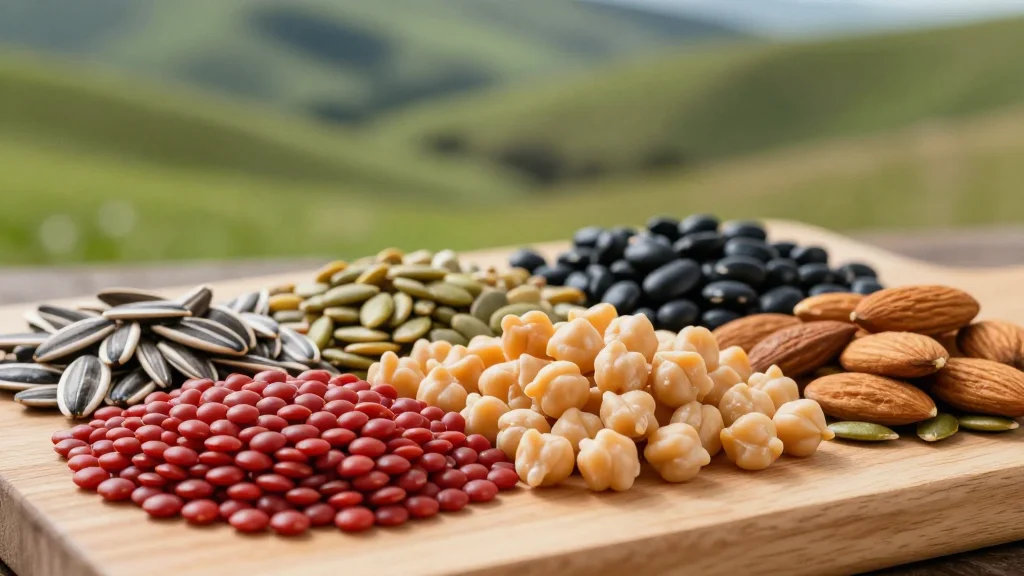
Improving the Protein Quality of New Zealand Vegan Diets: An Optimisation Modelling Approach Incorporating Energy Constraints and Diet Acceptability
Researchers applied linear‑programming optimisation to 502 daily vegan diets in New Zealand, adding only foods already consumed to meet individual protein and indispensable amino‑acid (IAA) requirements within personal energy limits. The model resolved shortfalls in 90 % of diets, primarily by increasing...

Probiotic-Fortified Functional Foods: Integrating Nutrient Delivery and Gut Health Benefits
Probiotic‑fortified functional foods are rapidly emerging at the intersection of food technology, microbiome science, and nutrition. By embedding live, strain‑specific microbes into everyday matrices, manufacturers achieve higher stability, bioavailability, and synergistic nutrient delivery compared with traditional supplements. Clinical evidence links...

Daily Intake of Cuminaldehyde-Rich Cumin Essential Oil Improves Cognitive Function in Healthy Elderly Japanese Adults: A Randomized, Double-Blind, Placebo-Controlled Pilot...
A 12‑week, double‑blind pilot trial in 38 healthy Japanese seniors found that daily ingestion of a cumin essential oil capsule containing 25 mg cuminaldehyde significantly enhanced psychomotor speed and reaction time compared with placebo. Cognitive gains were measured using the Cognitrax...
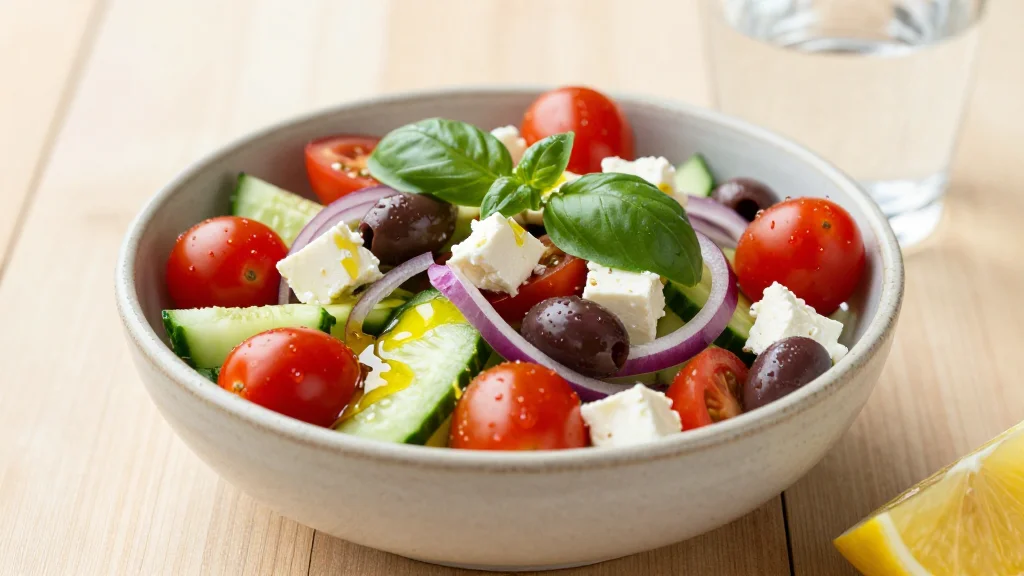
Gastrointestinal Symptoms and the Mediterranean Dietary Pattern: Secondary Analysis of a Randomized Controlled Trial in a Population with Increased Cardiometabolic...
A secondary analysis of a 12‑week randomized trial in 200 New Zealand adults at elevated cardiometabolic risk found that a locally adapted Mediterranean diet (NZMedDiet) modestly reduced gastrointestinal symptom severity. Women and Māori participants reported higher baseline symptoms, but the diet...

Synergistic Enrichment and Catalytic Sensing Platform Based on ZIF-8-NH₂/Dynamic Schiff Base Hydrogel for Ultrasensitive Detection of Hydroquinone
Researchers have created a dynamic Schiff‑base hydrogel integrated with amino‑functionalized ZIF‑8 (ZIF‑8‑NH₂) that covalently anchors to an oxidized sodium alginate/carboxymethyl chitosan matrix. The resulting OCZN‑30 sensor delivers ultrasensitive electrochemical detection of hydroquinone, achieving a limit of detection of 0.0167 µM and...

The Role of microRNAs in Cardiovascular Disease Associated with the Consumption of Ultra-Processed Foods: A Comprehensive Review
A new Frontiers in Nutrition review synthesizes epidemiologic, experimental, and intervention data to argue that ultra‑processed foods (UPFs) drive cardiovascular disease through reshaping microRNA (miRNA) networks and extracellular vesicle (EV) signaling. The authors map established, emerging, and speculative pathways linking...

Effects of Dietary Fermented Passion Fruit (Passiflora Edulis Sims) Peel on Growth Performance, Intestinal Morphology, and Cecal Microbiota in Lingshan...
A 2026 Frontiers in Nutrition study evaluated fermented passion‑fruit peel (FPFP) as a feed ingredient for Lingshan broilers. Replacing 10% of the basal diet with FPFP yielded the highest final body weight, total gain and average daily gain while lowering...

Γ-Tocotrienol Inhibits HeLa Cell Proliferation Likely via Modulation of the PI3K/AKT/mTOR Signaling Pathway
Researchers found that γ‑tocotrienol (γ‑T3), a vitamin E isoform, markedly suppresses HeLa cervical‑cancer cell growth by down‑regulating the PI3K/AKT/mTOR signaling cascade. At 45 μmol/L, γ‑T3’s inhibition of pathway phosphorylation matched that of the PI3K inhibitor wortmannin, and combined treatment further reduced cell...
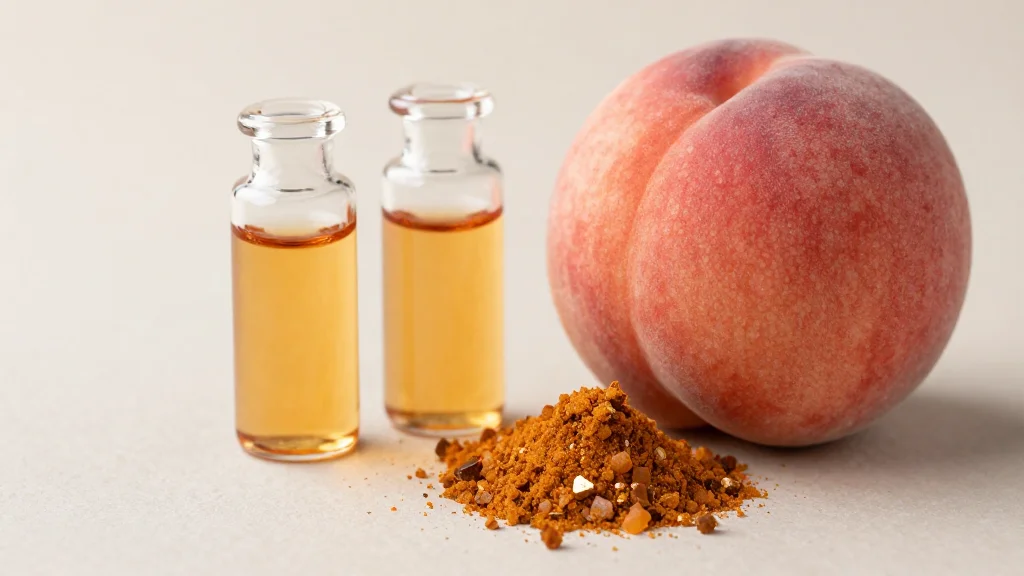
Temperature-Regulated Defective MIL-100(Fe) for Clove Essential Oil Loading as an Effective Natural Preservative for Peaches
Researchers synthesized a series of trifluoroacetic‑acid‑modulated defective MIL‑100(Fe) materials and loaded them with clove essential oil (CEO) to create a natural fruit preservative. The D‑MIL‑100(Fe)‑1 variant achieved the highest loading capacity at 610.6 mg CEO per gram, a 1.45‑fold increase over...
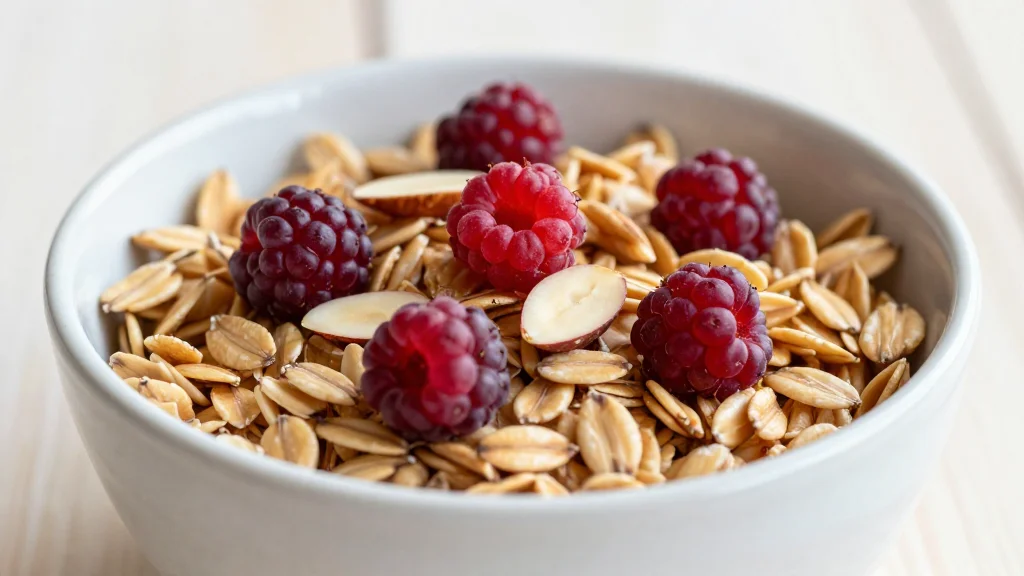
The Impacts of Ready-to-Eat-Cereals and Cereal Fibers on Gut Health, Body Weight, and Cardiometabolic Health
Ready‑to‑eat cereals (RTECs) are a major source of dietary fiber in North America, yet Americans consume only about half of the recommended daily intake. Recent systematic reviews show that wheat‑based RTECs and other high‑fiber cereals improve bowel function, enhance gut...
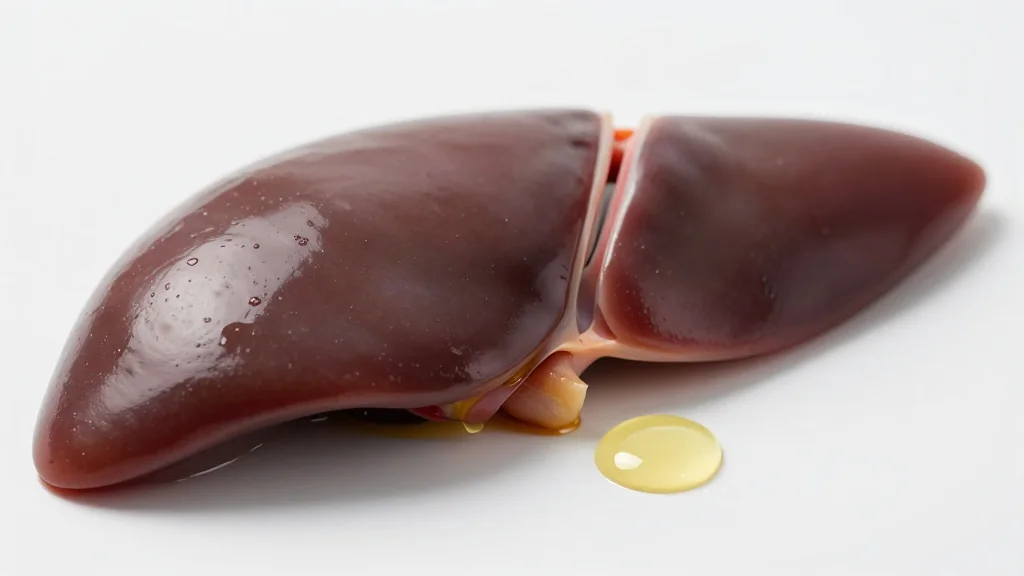
Elevated Remnant Cholesterol Is Linked to Non-Alcoholic Fatty Liver Disease in Patients with Type 2 Diabetes Mellitus
A cross‑sectional study of 308 Chinese patients with type 2 diabetes mellitus found that higher remnant cholesterol (RC) levels are strongly linked to non‑alcoholic fatty liver disease (NAFLD). After adjusting for age, diabetes duration, BMI and other factors, each 1 mmol/L increase...

Association Between Serum Uric Acid and the Risk of Gestational Diabetes Mellitus: A Multicenter Cohort Study
A multicenter retrospective cohort of 44,609 pregnant women found that serum uric acid measured before 20 weeks gestation is linked to a higher risk of gestational diabetes mellitus (GDM). The relationship is nonlinear, with a turning point at 240 μmol/L; women with...

Nutritional and Phytogenic Modulation of Caprine Physiology: A Systematic Review of Moringa Oleifera Effects on Metabolism, Reproductive Function, and Lactation...
A systematic review of twelve controlled trials (2015‑2025) found that dietary Moringa oleifera, delivered as leaf powder, meal, extract or silage, consistently improves goat performance. Moderate inclusion (4‑10% of diet dry matter) enhanced nutrient digestibility, average daily gain by roughly...
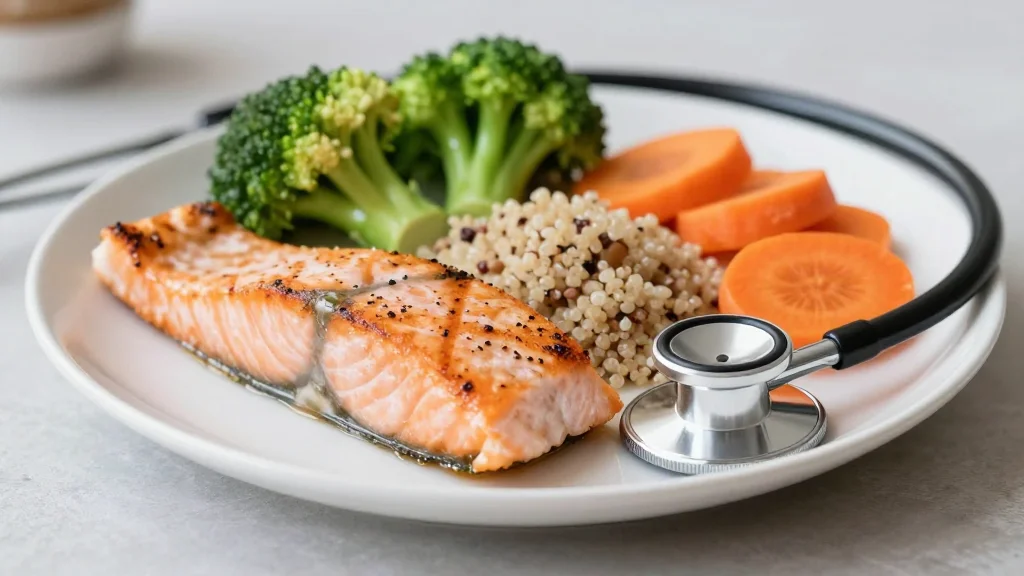
The Association Between Acute Nutritional Changes and Prognosis in Ischemic Stroke Patients
Researchers analyzed 1,445 acute ischemic stroke patients and found that declines in the Prognostic Nutritional Index (PNI) during the first five days were independently linked to poorer functional outcomes at three months. Each 5‑unit increase in the change of PNI...

Optimizing Nursing Home Menus in Norway From a Sustainability and Nutritional Perspective
A Norwegian study used the AI‑driven tool EvoMeal to re‑arrange dinner menus in 24 nursing homes without altering recipes. The optimized menus aligned more closely with national dietary guidelines and cut carbon emissions by 36‑42% and water use by 29‑36%...

Commentary: The Distress of Psychological Adaptation in Nutritional Management Among People After Esophagectomy: An Interpretative Phenomenological Study
A recent interpretative phenomenological study of 16 esophagectomy survivors reveals that post‑surgical nutritional management is as much a psychological challenge as a physical one. The authors identified three core themes: cognitive‑behavioral adaptation to gastrointestinal symptoms, identity disruption within family food...
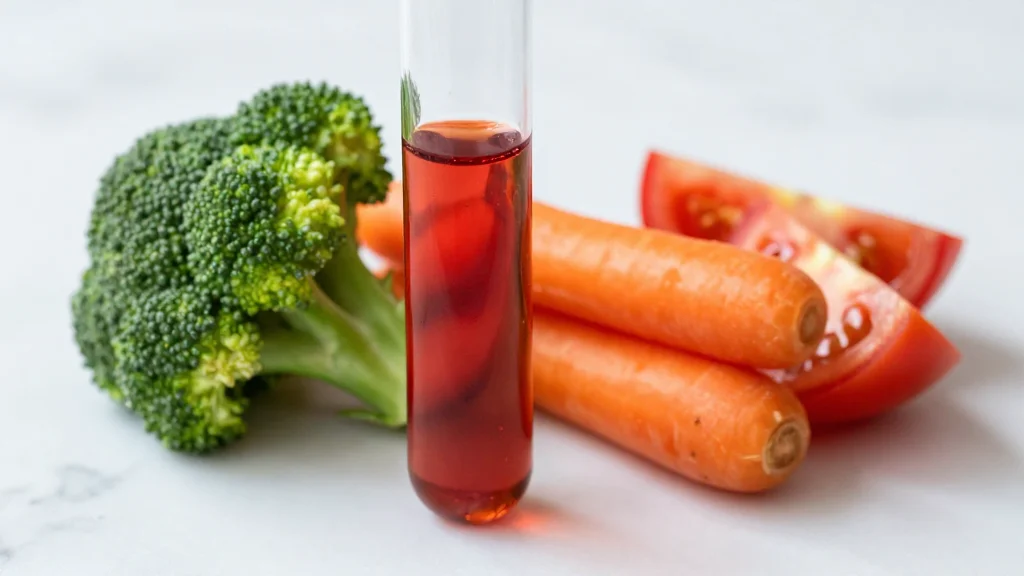
A Novel Nutritional Immune Risk Score Model for Long-Term Prognosis in Colorectal Cancer Using Clustering and Principal Component Analysis
Researchers created a Nutritional Immune Risk Score (NIRS) to improve long‑term prognosis for colorectal cancer patients by combining nutritional and tumor biomarkers. Using k‑means clustering and principal component analysis on 892 post‑resection cases, they identified four key variables—PNI, CEA, CA19‑9,...

Adherence to Dietary and Physical Activity Guidelines and Influencing Factors Among Pregnant Women: A Cross-Sectional Study in China
A cross‑sectional survey of 327 pregnant women at Xiamen University’s Women and Children’s Hospital found moderate compliance with Chinese dietary and physical‑activity guidelines, with an overall adherence score of 59.78 out of 110 (≈54%). Dietary adherence averaged 52.7 / 100 points, while...
Preoperative Nutritional Status and Its Association with Adverse Events Following Open Abdominal Aortic Aneurysm Repair
A retrospective study of 125 patients undergoing open abdominal aortic aneurysm repair found that pre‑operative malnutrition markers—low serum albumin, total protein, and Prognostic Nutritional Index (PNI)—were independently associated with aneurysm rupture at presentation and higher 30‑day mortality. Albumin, total protein...

Body Composition–Based Nutritional Status During Neoadjuvant Chemotherapy and Its Association with Relative Dose Intensity and Hematologic Toxicity in Patients with...
A 2026 Frontiers in Nutrition study of 92 gastric‑cancer patients examined body‑composition changes measured by bioelectrical impedance before and after neoadjuvant chemotherapy. The analysis found that losses in muscle mass, skeletal muscle mass, and total body water were linked to...

Enhancement of Intestinal Barrier Function and Alleviation of Mycophenolic Acid Toxicity by a Probiotic-Conditioned Medium in Vitro
The study demonstrates that an acellular probiotic‑conditioned medium (postbiotic) strengthens intestinal barrier function and mitigates toxicity of the immunosuppressants mycophenolic acid (MPA) and mycophenolate mofetil (MMF) in a CaCo‑2 cell model. The conditioned medium increased transepithelial electrical resistance, up‑regulated tight‑junction...

A Comprehensive Multi-Evidence Framework for Network Pharmacology-Based Prediction of Dietary Flavonoid Effects
Researchers introduced a multi‑evidence network pharmacology framework that predicts therapeutic effects of dietary flavonoids by integrating protein‑protein, protein‑compound, and drug‑target data. The master network links 14 flavonoids to 17,869 human proteins and 1,496 FDA‑approved drugs, revealing that flavonoids engage roughly...

Relationship Between Iodine Nutritional Status and Low Handgrip Strength in a Northwestern Chinese Cohort: Construction of a Predictive Nomogram Model
A cross‑sectional study of 810 adults in Lanzhou, China identified key predictors of low handgrip strength (LGS), a core marker of sarcopenia. Multivariate analysis showed that female sex, greater height, and excess urinary iodine concentration (UIC) were protective, while advanced...

Editorial: Innovative Approaches to Nutrition Counseling in Pediatric Dietetics - Guidelines, Practices, and Future Directions
Recent research compiled in Frontiers' 2026 editorial highlights that pediatric nutrition counseling is evolving toward standardized, family‑centered, and technology‑enabled models. Studies show that rigorous documentation, frequent dietitian contact, and telehealth improve diagnostic accuracy and continuity of care, especially for infants...

Editorial: Nutrition for Sustainable Weight Management Post-Bariatric Surgery
The editorial introduces a Frontiers Nutrition research collection examining how nutrition, metabolic monitoring, and personalized care can sustain weight loss after metabolic bariatric surgery (MBS). It highlights four studies: a review advocating multimodal strategies—including diet, GLP‑1 agonists, and revisional procedures—to...

Characterizing the Relationship Between Functional Network Dynamics and the Body Mass Index
A study of 776 healthy young adults from the Human Connectome Project used resting‑state fMRI and sliding‑window dynamic functional connectivity analysis to examine how body mass index (BMI) relates to brain network dynamics. Four recurring whole‑brain connectivity states were identified,...
Regulation of Bile Acids Homeostasis: A Feasible and Versatile Way to Treat or Diagnose Liver Disorders
The review underscores bile‑acid (BA) homeostasis as a central driver of liver disease, linking imbalances to cholestasis, fibrosis, cirrhosis, hepatocellular carcinoma and MASLD/MASH. It details how hydrophobic BAs provoke mitochondrial and endoplasmic reticulum stress, activate hepatic stellate cells, and interact...

Integrating Patient-Reported Weight Gain Cause Narratives Into Personalized Obesity Management: A Data-Driven Approach with Natural Language Processing and Machine Learning
Researchers used a GPT‑4.1 large language model to automatically label 2,463 patient‑reported weight‑gain narratives into 12 thematic categories, achieving over 90% precision and recall. The study linked specific reported causes—such as disrupted schedules, mental health challenges, and external circumstances—to higher...

Association Between Cumulative Changes of the C-Reactive Protein-Triglyceride Glucose Index and the Incidence of Rapid Kidney Function Decline: A Nationwide...
A nationwide prospective cohort study of 6,888 Chinese adults aged 45 and older found that higher cumulative C‑reactive protein‑triglyceride glucose index (cuCTI) is linked to rapid kidney function decline (RKFD). Each one‑unit increase in cuCTI raised the odds of RKFD...

Inflammatory Dietary Scores and Their Association with Clinical Outcomes in Coronary Heart Disease
A retrospective cohort of 500 angiographically confirmed coronary heart disease patients followed for a median of 38 months found that higher Dietary Inflammatory Index (DII) scores were linked to significantly increased risk of major adverse cardiovascular events (MACE), all‑cause mortality,...

Dietary Intake, Nutritional Status and Healthcare Characteristics of Mothers and Newborn Infants in a Prospective Cohort Study (CHAMP) From a...
The CHAMP cohort study reports baseline data from 70 mothers and 72 newborns in rural Swat, Pakistan, a region plagued by chronic malnutrition. Households earned roughly $106 per month, well below the national minimum wage, and most parents lacked formal...

Microbiota-Metabolites Interaction Associated with Glycemic Improvement Following a Dietary Herbal Intervention in Type 2 Diabetes
The study evaluated QingYun7 (QY7), a standardized dietary herbal blend, in diabetic rats and a prospective cohort of 385 type‑2 diabetes patients. QY7 significantly lowered fasting, random and post‑prandial glucose while reshaping the gut microbiome and serum metabolite profile. Fecal...

Fasting Blood Glucose to High-Density Lipoprotein Cholesterol Ratio and MASLD Risk: Non-Linear Association and BMI Mediation in Non-Diabetic Adults
A large cross‑sectional analysis of 13,682 non‑diabetic Japanese adults found that the fasting blood glucose‑to‑HDL‑C ratio (GHR) is strongly linked to metabolic dysfunction‑associated steatotic liver disease (MASLD). After adjusting for multiple confounders, each 1‑unit rise in GHR increased MASLD odds...

Structural Elucidation and Antidiabetic Activity of Polysaccharides From the Parasitic Plant Orobanche Cumana
Researchers isolated three polysaccharide fractions from the parasitic plant Orobanche cumana and identified the alkaline‑extracted fraction OCP‑3 as a low‑molecular‑weight rhamnogalacturonan‑I‑rich polysaccharide. OCP‑3 showed strong antioxidant activity and inhibited key carbohydrate‑digesting enzymes, with IC₅₀ values of 98.5 µg mL⁻¹ for α‑amylase and...

New Directions in Mulberry Leaf Research for Diabetes: A Translational Approach Based on Multi-Component Synergy
Mulberry leaf (ML) extracts, rich in alkaloids, flavonoids, phenolic acids and polysaccharides, demonstrate multi‑target hypoglycemic effects. Preclinical models show that standardized multi‑component formulations can lower fasting glucose and improve insulin resistance comparable to metformin. A meta‑analysis of 12 randomized trials...

Icariin Improves Metabolic Response to Exercise by Promoting TFEB-Dependent Mitochondrial Clearance and Metabolic Reprogramming in C57BL/6 Mice and C2C12 Myotubes
A four‑week oral regimen of Icariin (50‑100 mg kg⁻¹) markedly improved aerobic capacity in C57BL/6 mice, raising VO₂ max, extending endurance run time, and blunting post‑exercise lactate spikes. Treated animals displayed skeletal muscle hypertrophy, a shift toward oxidative fiber types, and enhanced mitochondrial...

The Correlation Between Nutrition Index Scores and Nutrition Status of Preschool Children in a District of Shanghai
A quasi‑experimental study of 1,794 preschoolers in Shanghai’s Minhang district examined the Nutrition Quotient for Preschoolers (NQ‑P) and tested a three‑month family‑centered intervention on 163 children. Baseline analysis showed NQ‑P scores were positively linked to parental dietary responsibility, frequent family...

Hypsizygus Marmoreus Polysaccharides Protect Against Cisplatin-Induced Intestinal Mucositis via Modulation of Gut Microbiota, Inflammation, and Intestinal Barrier Function
Researchers extracted polysaccharides from the edible mushroom Hypsizygus marmoreus (HMP) with a 16% yield and characterized them as high‑molecular‑weight, glucose‑rich polymers. In a mouse model of cisplatin‑induced intestinal mucositis, oral HMP (10 mg kg⁻¹) mitigated weight loss, diarrhea, and immune‑organ atrophy while...

Apple Consumption Is Associated with Obesity- and Lipid-Related Parameters and Gut Microbiota Profiles Across Enterotypes: 12-Week Single-Blind Trial in Japanese...
Researchers conducted a 12‑week single‑blind trial in 38 Japanese adults to assess how daily consumption of a 300 g Fuji apple influences obesity‑related metrics and gut microbiota across three baseline enterotypes. While overall blood lipid and anthropometric measures remained unchanged, participants...

Senkyunolides: A Promising Natural Compounds for the Treatment of Migraine Headaches
A Frontiers in Nutrition review published April 10, 2026 examines senkyunolides—phthalide‑type compounds from herbs such as Ligusticum chuanxiong—as a new class of natural anti‑migraine agents. The authors detail the compounds’ chemical diversity, modern extraction and purification methods, and multi‑target mechanisms that modulate...
A Review of Dietary Patterns and the Colorectal Polyp-to-Carcinoma Sequence: Polyp Occurrence, Polyp Recurrence, and Colorectal Cancer
The 2026 Frontiers in Nutrition review links dietary patterns to every stage of the colorectal polyp‑to‑carcinoma sequence. High‑quality diets such as the Mediterranean, DASH and other prudent patterns consistently reduce the incidence of adenomas, serrated lesions and colorectal cancer by...

Promoting Healthier Food Purchases via Social Media: The Role of Polls and Their Visual Features
The research investigated how descriptive social‑norm feedback presented through Instagram‑style polls influences purchase intentions for healthy versus unhealthy foods. In a sample of 227 participants, those who reported a healthy diet showed significantly higher intention to buy healthy products when...

Neural Mechanisms of Food Preference and Reward Processing: A Review of Multifaceted Influencing Factors and Intervention Strategies
The 2026 review by Gao et al. maps the brain network—midbrain dopamine, prefrontal cortex, amygdala, hypothalamus and cerebellum—that underlies food “wanting” and “liking.” It shows how genetics, stress, socioeconomic status and cultural norms modulate these circuits, and how ultra‑processed foods can...
Commentary: The Effects of Creatine Supplementation on Cognitive Function in Adults: A Systematic Review and Meta-Analysis
Tom Citherlet’s commentary challenges the recent meta‑analysis by Xu et al., arguing that it double‑counts multiple cognitive outcomes from the same participants, inflating sample size and statistical power. He cites similar methodological errors in earlier creatine‑memory reviews and notes the European...

The Role of Peripheral Blood HIF-1α in Pancreatic Β-Cell Dysfunction and Insulin Resistance Among Patients with Type 2 Diabetes: A...
A systematic review and meta‑analysis of 36 observational studies involving 5,979 patients with type 2 diabetes found that elevated peripheral HIF‑1α levels are significantly associated with worse glycemic control. Compared with low‑HIF‑1α groups, high‑HIF‑1α patients exhibited a mean increase of 1.13 mmol/L...

The Effect of Immunonutrition on Postoperative Ileus Following Colorectal Cancer Surgery: A Systematic Review and Meta-Analysis of Randomized Controlled Trials
A systematic review and meta‑analysis of 28 randomized trials involving 2,367 colorectal cancer patients found that peri‑operative immunonutrition significantly accelerates gastrointestinal recovery. Compared with standard diet, immunonutrition reduced time to first flatus by 0.56 days, time to first defecation by...