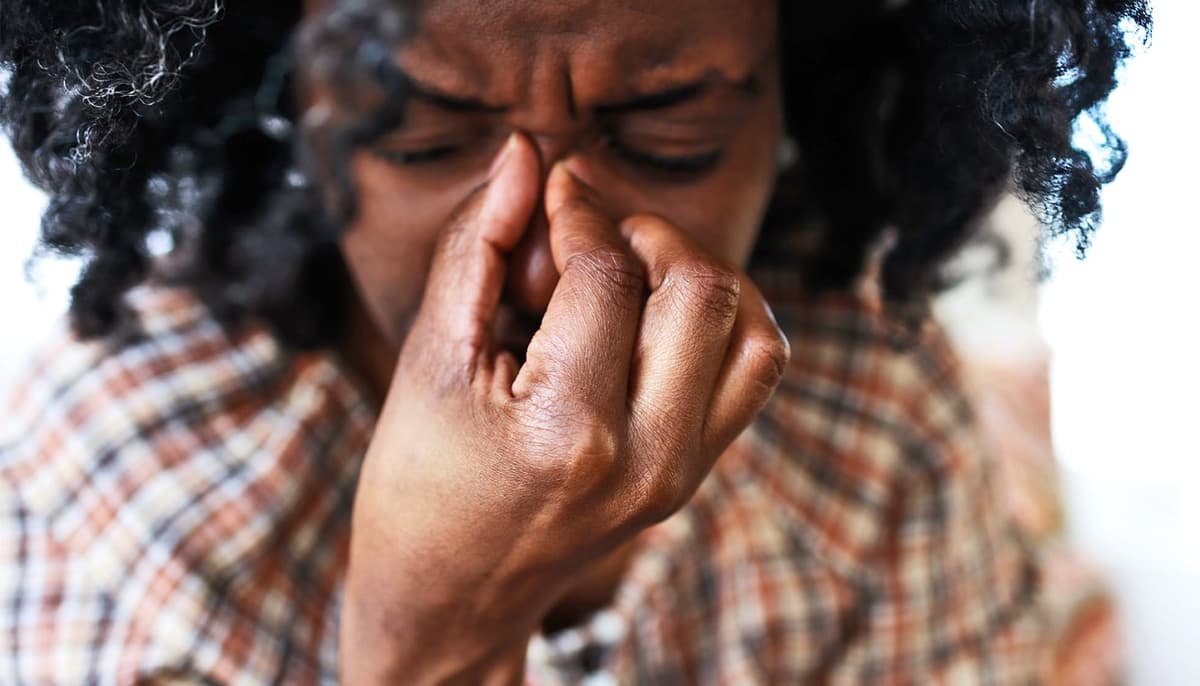
Study Offers New Insights Into Long COVID
Researchers at Yale and Mount Sinai have identified autoantibodies that attack brain and nerve tissue in a subset of long COVID patients. By screening more than 21,000 human proteins and transferring patient antibodies into mice, they demonstrated that these autoantibodies can trigger fatigue, pain sensitivity, and balance deficits. The study, published in Cell, suggests that long COVID may share mechanisms with autoimmune diseases, opening the door to repurposing existing immunotherapies. However, investigators caution that autoimmunity likely explains only part of the condition.

Armadillos Inspire New Tech to Protect Soft Machines
Researchers at North Carolina State University have engineered a bio‑inspired protective module, dubbed the morpho‑interlocking protective module (MIPM), that mimics an armadillo’s ability to curl into a ball. The device combines a 3D‑printed resin exoskeleton, a liquid‑crystal elastomer actuator, strain...
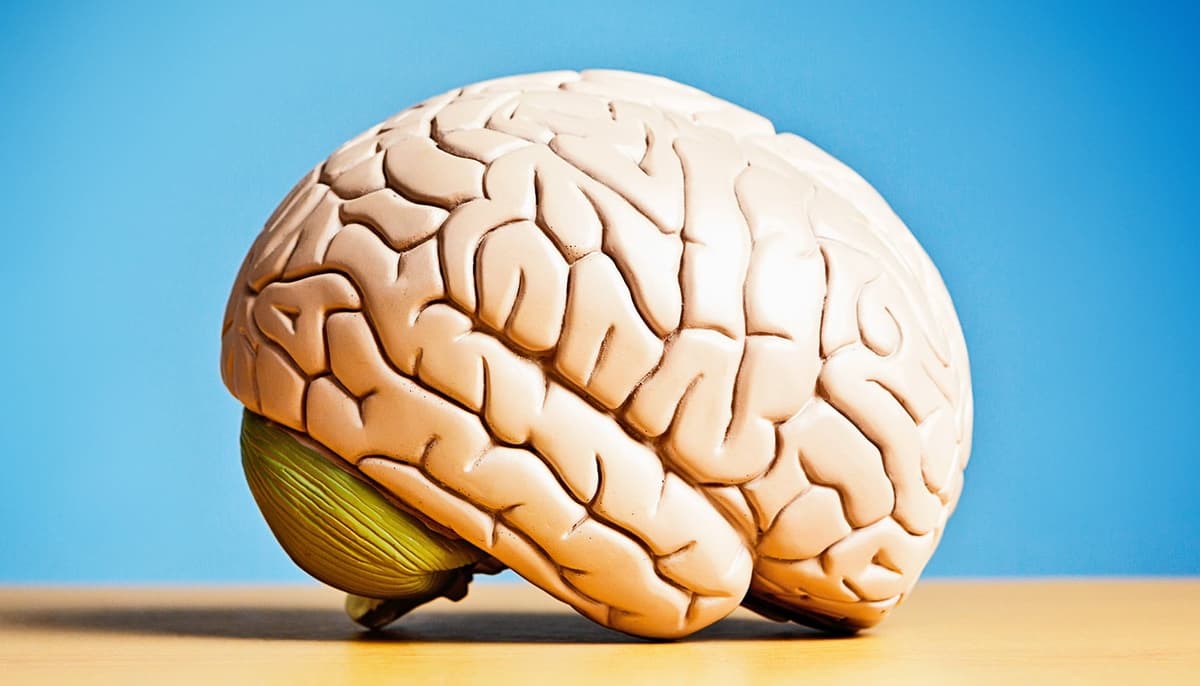
AI Shows How Your Brain Cleans Out Harmful Waste
Researchers at the University of Rochester have paired magnetic resonance imaging with physics‑informed artificial intelligence to quantify the velocity of glymphatic fluid flow in the brain. The AI model, trained on dye‑diffusion videos, extracts flow speeds from MRI data, revealing...

Lake Erie Creates ‘Forbidden Soup’ of Potential Toxins
University of Michigan scientists discovered that harmful algal blooms in western Lake Erie produce a complex mixture of bioactive cyanopeptides, not just the well‑known microcystins. By sampling four NOAA stations monthly from 2016‑2022, they identified seasonal toxin shifts—from microcystins in...

1 in 5 New Moms Struggle with Mental Health
A University of Michigan interview reveals that one in five women experience perinatal mood or anxiety disorders during pregnancy and the first year postpartum. These conditions are among the most common childbirth complications but remain largely undetected and untreated, harming...

The Presence of People Affects How Animals Behave
A six‑year, global study tracked 4,500 animals across the United States and found that more than 65% of the 37 species examined altered their movement patterns simply because people were present. Researchers combined GPS collars, satellite habitat data, and mobile‑phone...

Therapy App Boosts College Student Mental Health
A study of 6,200 university students found that a smartphone app delivering cognitive‑behavioral therapy, combined with text‑message coaching, significantly reduced symptoms of depression, anxiety and eating disorders compared with standard referral to campus counseling. The benefits persisted at six weeks,...
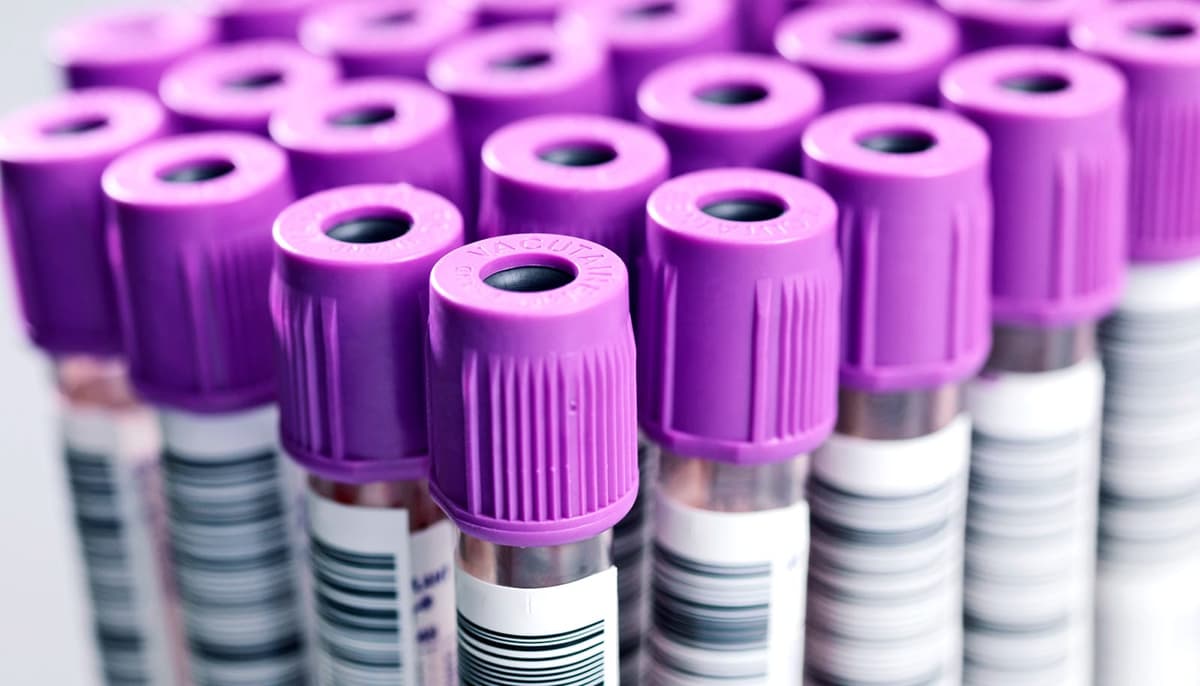
AI-Powered Blood Test Could Transform Dementia Diagnosis
Researchers at Washington University have created an AI‑driven blood test that distinguishes Alzheimer’s, Parkinson’s, frontotemporal dementia, Lewy‑body dementia and normal aging with over 90% accuracy. The classifier analyzes 15 protein biomarkers from a simple blood draw and can detect mixed‑pathology...
Listen: How to Deal with Your Work Stress
University at Buffalo associate professor Min‑Hsuan Tu discussed her research on workplace stress in a Driven to Discover podcast. She highlighted how AI, Gen Z, and flexible schedules are reshaping employee expectations and contributing to stress. Tu offered practical tactics...

Support for Youth in Military Families Can Boost Mental Health
A new University of Georgia study of more than 1,000 adolescents with an active‑duty parent shows that supportive relationships—especially peers and mothers—significantly improve mental health. The research links strong social ties to adaptive coping skills such as problem‑solving and self‑reliance,...

Vaccine Shows Promise Against Aggressive Brain Cancer
A phase‑1 trial of Geneos Therapeutics' DNA‑based vaccine GNOS‑PV01 at Washington University’s Siteman Cancer Center demonstrated safety and a survival advantage in patients with aggressive glioblastoma. The personalized vaccine, which encodes up to 40 tumor‑specific neoantigens, showed no serious adverse...

Geography Splits Who’s Shopping Online
A new study of 60,000 U.S. households from 2010‑2023 shows that demand for last‑mile home delivery remains sharply divided between urban and rural consumers. Urban shoppers adopted online ordering faster, with pandemic‑era growth twice that of rural areas, and the...

Healthy Meal Delivery May Improve Depression Symptoms
A pilot study at the University of Michigan found that adults with moderate depressive symptoms who received minimally processed meals via a commercial delivery service experienced larger reductions in depression than those who prepared meals themselves. Both groups improved diet...
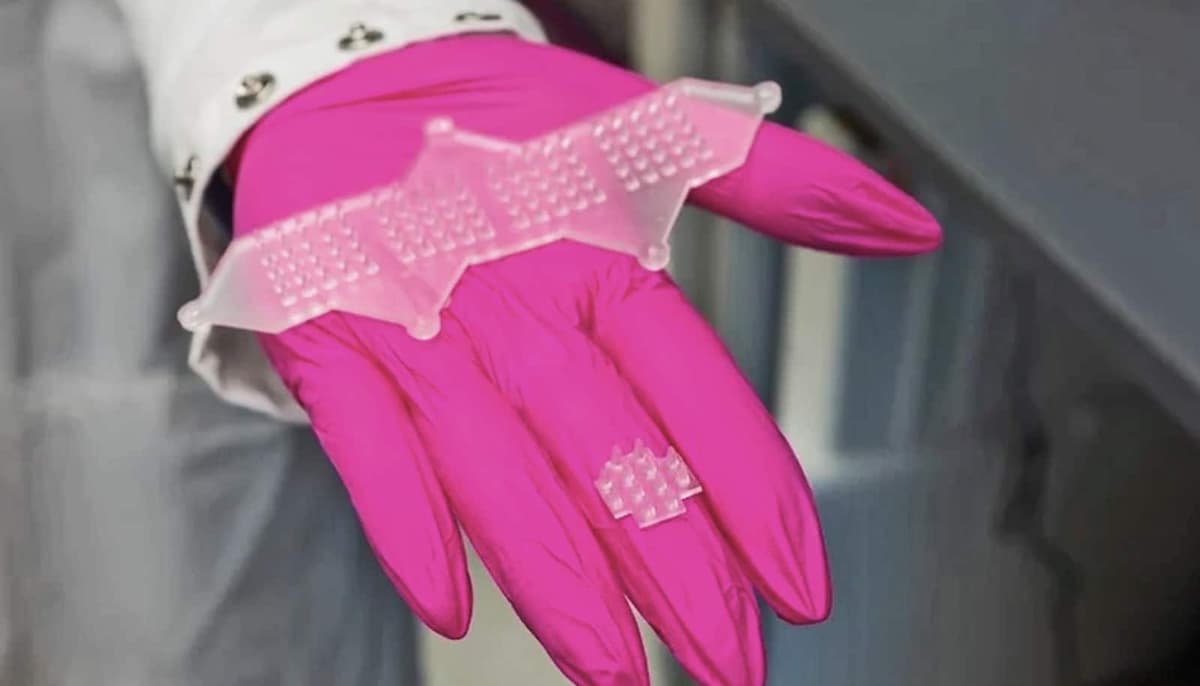
Living Bandage Speeds up Healing
Researchers at Rice University have created a living bandage that acts as a cytokine factory, continuously producing therapeutic proteins directly within wounds. The patch uses engineered ARPE-19 cells encapsulated in a biocompatible hydrogel to secrete IL-10, IL-12 and TGF-β, sustaining...
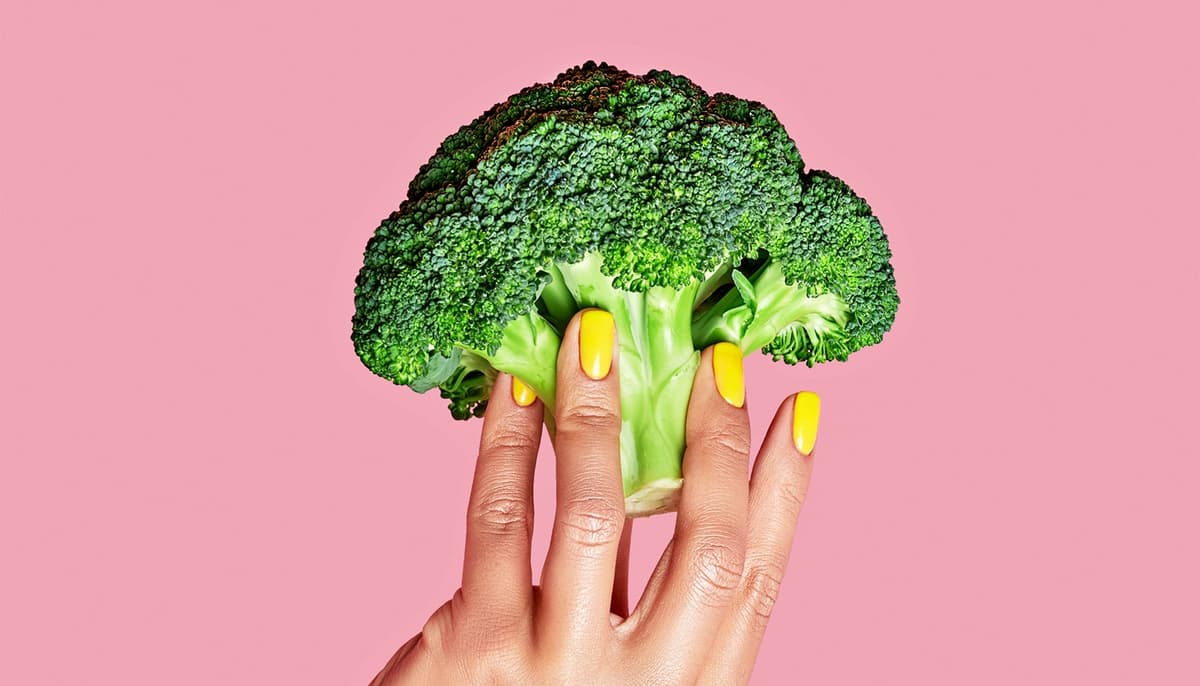
Compound in Veggies May Help Repair Gut Damage Caused by HIV
A recent JCI Insight study using SIV‑infected primates showed that long‑term antiretroviral therapy does not fully restore gut‑protective immune cells, leaving the intestinal barrier compromised. Researchers identified that indole compounds naturally present in mustard‑family vegetables, such as broccoli, can boost...