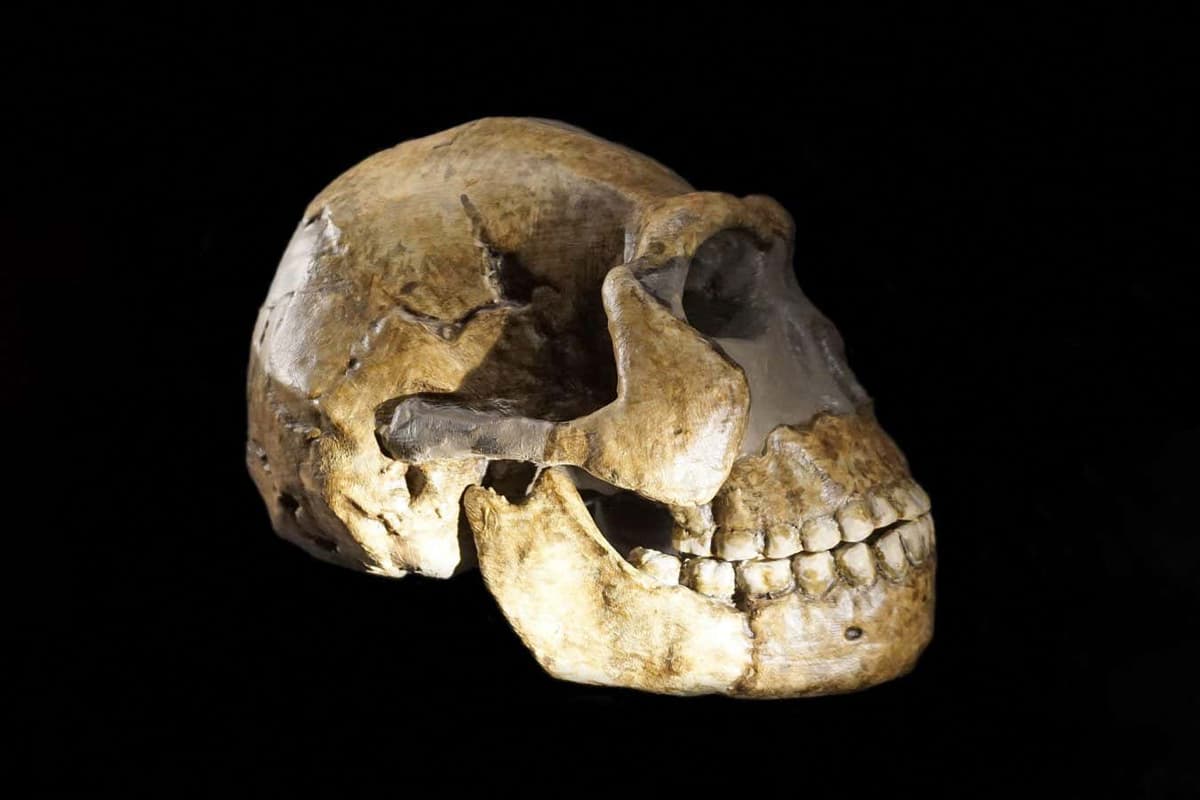
All Known Homo Naledi Skeletons Seem to Be Female
A team led by Palesa Madupe extracted ancient proteins from the tooth enamel of 20 Homo naledi individuals and found only AMELX signals, indicating that every specimen examined was female. Statistical modeling shows a 0.0000954 % probability that a mixed‑sex sample would lack the AMELY marker, making an all‑female assemblage highly unlikely by chance. The finding bolsters Lee Berger’s hypothesis that the species deliberately deposited dead females in the remote Rising Star cave chambers, rather than the remains arriving through natural processes. The result revives debate over whether early hominins practiced intentional burial or other ritualized treatment of the dead.

Fluctuating Oestrogen Levels May Alter How Drugs Enter Women's Brains
Researchers have shown that fluctuating estrogen levels can dramatically increase the amount of intranasal drug davunetide that reaches the brain, especially during peak hormone phases. Reanalysis of a failed progressive supranuclear palsy trial revealed a modest benefit in women, while...

Hidden Black Hole Could Explain Mystery at the Heart of Our Galaxy
Astronomers have long been baffled by three distinct groups of stars orbiting the Milky Way’s central supermassive black hole, Sagittarius A*. A new model by Xiaochen Zheng and colleagues suggests a hidden intermediate‑mass black hole—hundreds to a thousand times the Sun’s...

How some People's Brains Make an Extraordinary Recovery From Stroke
A growing body of research is uncovering why only about 35% of stroke survivors achieve full recovery, highlighting the role of pre‑stroke brain health, genetics and the brain’s capacity to form new connections. Studies show that a healthy white‑matter network...

Unapproved Gene Therapy for Boosting Longevity Is Set to Go on Sale
Minicircle, an Austin‑based biotech, is preparing to sell an injectable gene therapy that boosts the anti‑aging protein klotho in offshore clinics in Honduras, the Bahamas and Panama. The treatment, which delivers minicircle DNA into abdominal fat cells, has only undergone...
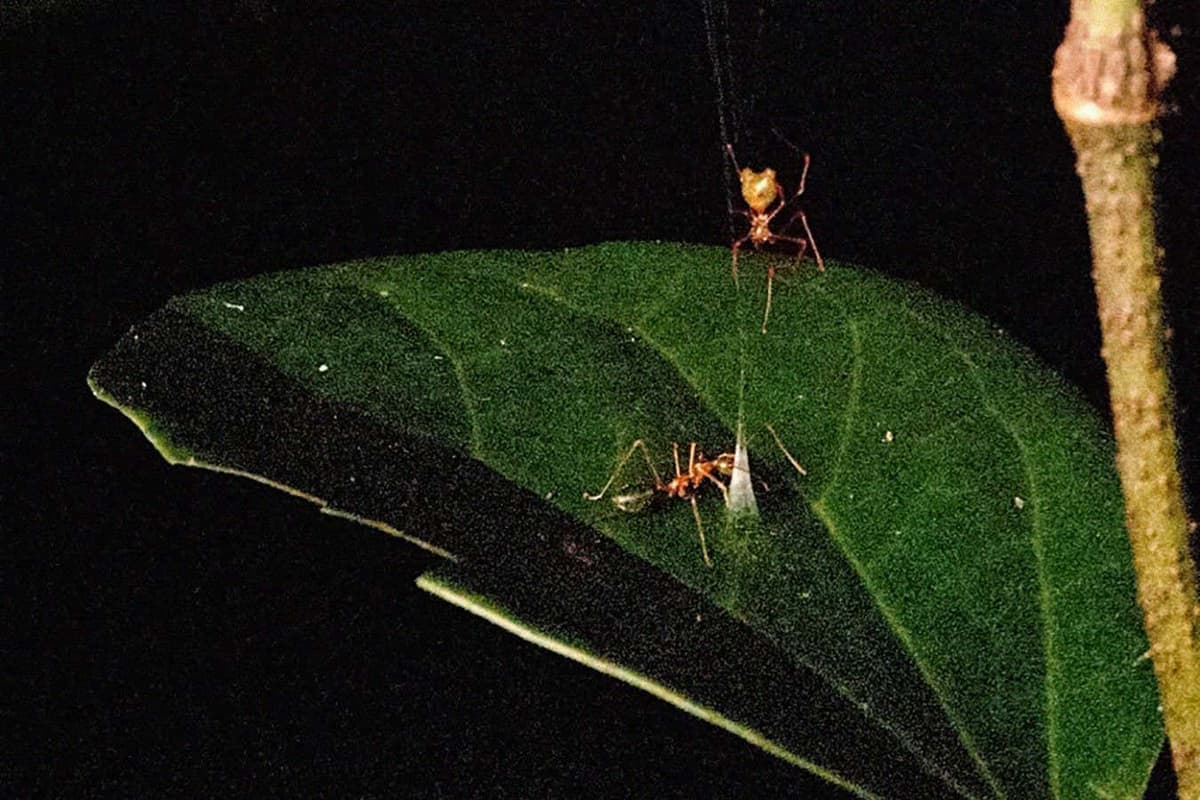
New-to-Science Spider Builds Trap that Flings Ants Into the Air
Researchers in Queensland have documented a previously unknown spider that constructs a conical snare resembling a Roman ballista. The trap consists of 15‑60 silk tension lines that, when triggered by a green tree ant, catapult the insect 30 cm into the...
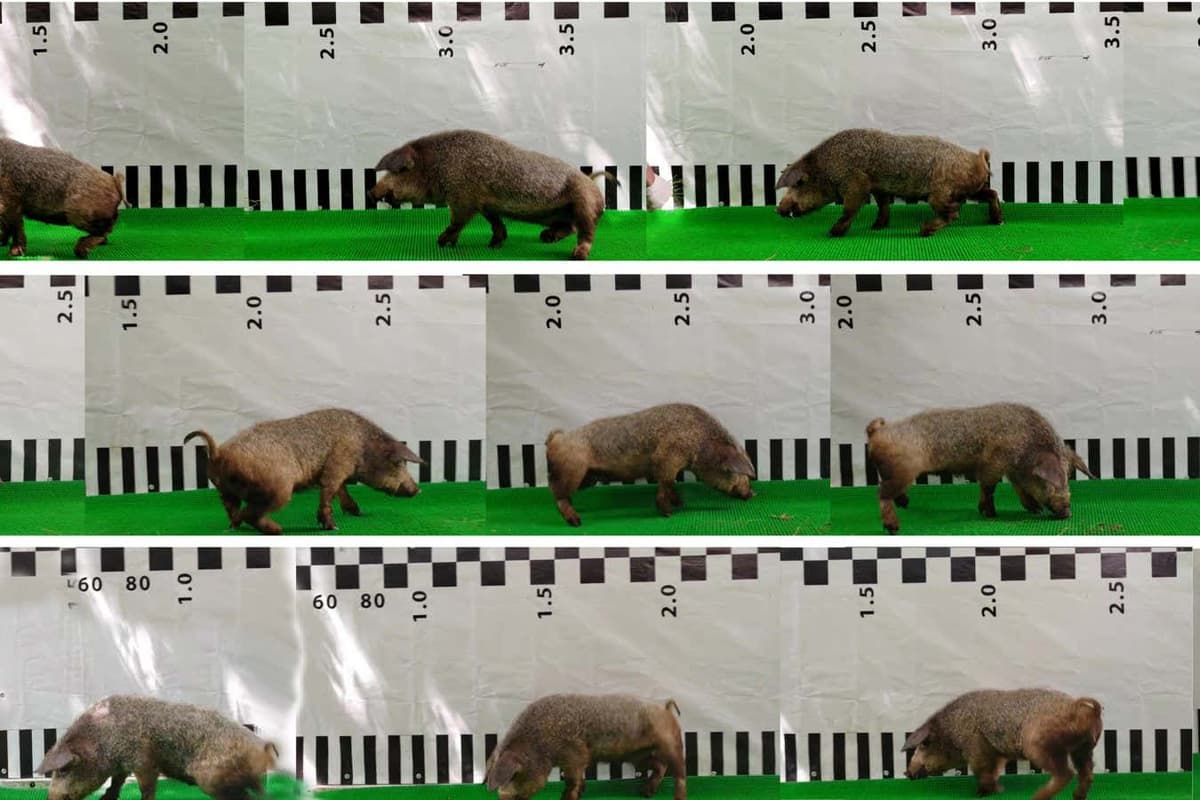
‘Fusogenic’ Neurosurgery Let Paralysed Pigs Walk Again – Are We Next?
A Russian team led by Michael Lebenstein‑Gumovski reported that a polyethylene glycol‑chitosan fusogen enabled three pigs with completely severed spinal cords to walk again within 60 days. The animals received the fusogen at the injury site, daily electrostimulation and anti‑inflammatory...

The Surprising Ways Your Brain Changes From Your 20s to Your 40s
Neuroscientists are revising the notion that the brain fully matures by age 25, showing that different structures continue developing well into the thirties and even forties. Grey‑matter thinning stabilises in the twenties, while executive function plateaus around age 20 and...
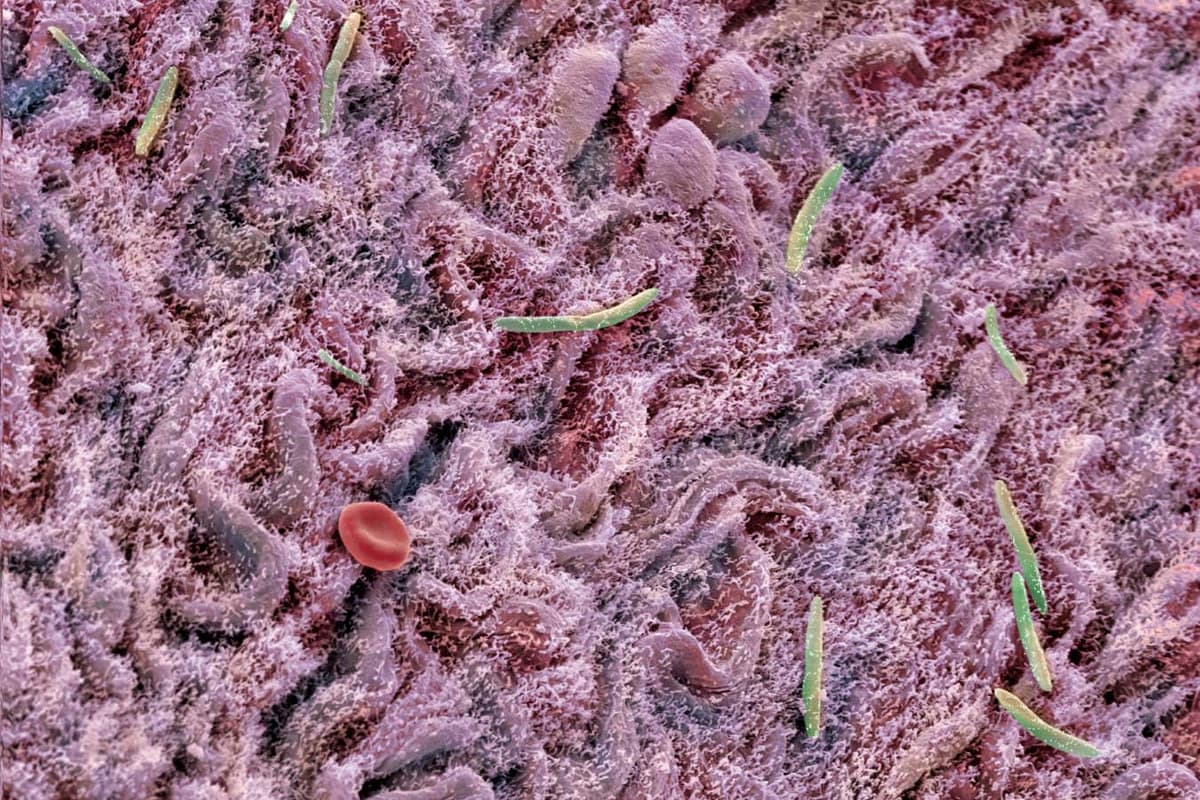
Faecal Transplant Makes the Brains of Old Mice Act Young Again
Researchers performed fecal microbiome transplants (FMT) from young to old mice, finding that the aged brains displayed youthful levels of plasticity. The study demonstrated that gut bacteria can rejuvenate neural adaptability, enabling older mice to recover from amblyopia‑like visual deficits...

We've Found a Mysterious Substance on Titan and Pluto
Scientists have identified a mysterious spectral signature on the surfaces of both Pluto and Saturn’s moon Titan, using infrared observations from the Cassini spacecraft and New Horizons flyby data. The composition of the substance remains unknown, with possibilities ranging from...

Carl Sagan's The Demon-Haunted World Is Still Supremely Relevant Today
Carl Sagan’s 1995 book *The Demon‑Haunted World* resurfaces online as excerpts go viral, highlighting his foresight about a service‑driven economy, dwindling manufacturing, and the rise of superstition. The author notes that today’s information overload, AI‑generated content, and fragmented media echo...

Cervical Cancer Deaths Have Plummeted Thanks to HPV Vaccine
A recent UK study found that no women aged 20 to 24 died from cervical cancer between 2020 and 2024, marking the first time this age group recorded zero deaths. The decline is attributed to the HPV vaccine, with roughly...

Pigeons Lock Their Eyes in Place when They Are Flying
Scientists at Caltech equipped pigeons with a lightweight eye‑tracking rig and discovered that, once airborne, the birds lock their eyes in a forward‑facing position, moving less than one degree. The fixed gaze aligns with the birds' vestibular system, suggesting a...

Our Brains Have Their First Thoughts Unexpectedly Early in Life
By birth, the human brain already possesses a mature‑like architecture, with roughly 100 billion neurons and a connectome that shares about 61 percent of adult functional organization. Rapid post‑natal myelination and aggressive pruning reshape these networks as infants confront gravity, temperature changes,...
Our Brains Have Their First Thoughts Surprisingly Early in Life
By the end of gestation the human brain already houses roughly 100 billion neurons and an estimated 100 trillion synaptic connections, giving it a structural foundation comparable to an adult. Functional imaging shows the fetal connectome mirrors about 61% of adult brain...