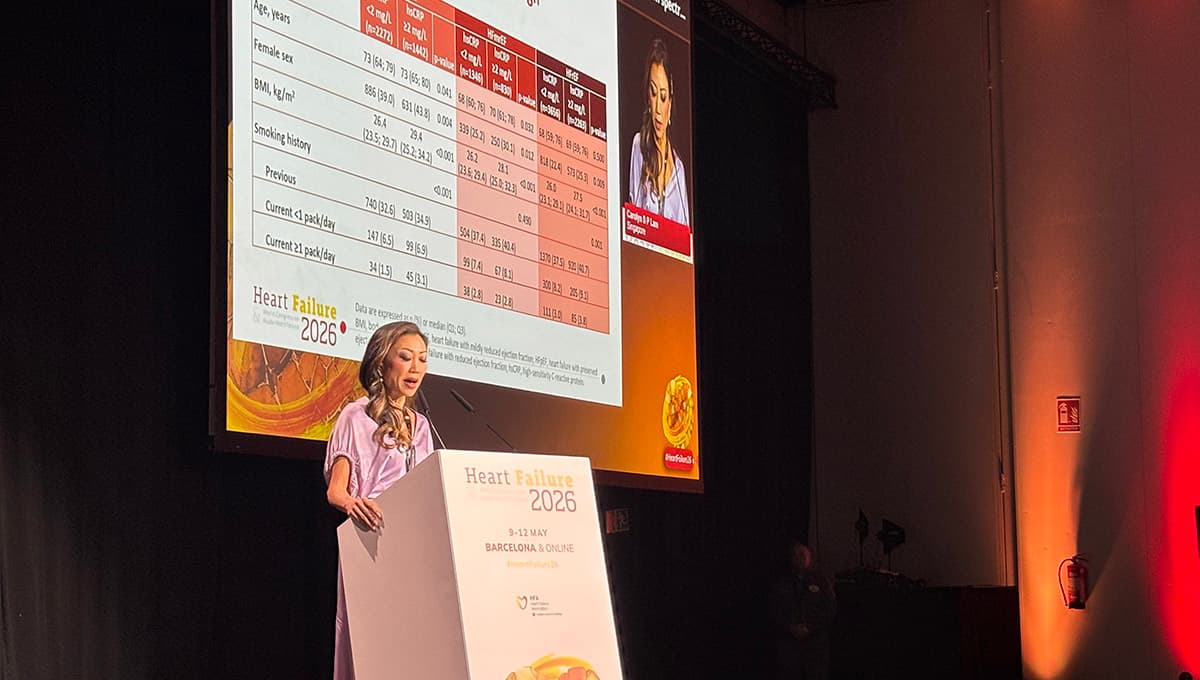
Inflammation Common in HF, No Matter the Ejection Fraction: POSEIDON
The POSEIDON international registry of nearly 19,000 atherosclerotic patients found that 38‑39% of those with symptomatic heart failure have high‑sensitivity C‑reactive protein (hs‑CRP) ≥2 mg/L, a prevalence that is virtually identical across HFrEF, HFmrEF and HFpEF. Elevated hs‑CRP correlated with a cardio‑kidney‑metabolic profile—smoking, obesity, reduced eGFR, dyslipidemia and worse NYHA class—regardless of ejection‑fraction phenotype. IL‑6 levels were similarly raised across all HF types, challenging the view that inflammation is predominantly a HFpEF issue. While the cross‑sectional design precludes causal claims, the data suggest a large, phenotype‑agnostic population that could be eligible for anti‑inflammatory strategies.

FDA Approves Baxdrostat for Inadequately Controlled Hypertension
AstraZeneca’s Baxdrostat (Baxfendy) received FDA approval as the first aldosterone synthase inhibitor for hypertension in the United States. The drug is indicated for patients whose blood pressure remains uncontrolled despite taking at least two other antihypertensive agents. Phase III trials (BaxHTN...

Trials Support Thrombectomy in Very Late Time Windows, Milder Strokes
Two randomized trials presented at the European Stroke Organisation Conference 2026 broaden the therapeutic horizon for acute ischemic stroke. LATE‑MT demonstrated that mechanical thrombectomy up to 72 hours after symptom onset improves functional outcomes, though it carries higher rates of death...
REDOX-AHF: Less Oxygen May Be More for Hospitalized Acute HF Patients
The REDOX‑AHF trial randomized 135 hospitalized acute heart‑failure patients to either a restrictive oxygen strategy (target SpO₂ 90%) or a liberal strategy (target SpO₂ 96%). The restrictive arm achieved a greater 24‑hour drop in lung‑fluid content (2.4 % absolute difference, p = 0.01) and showed...
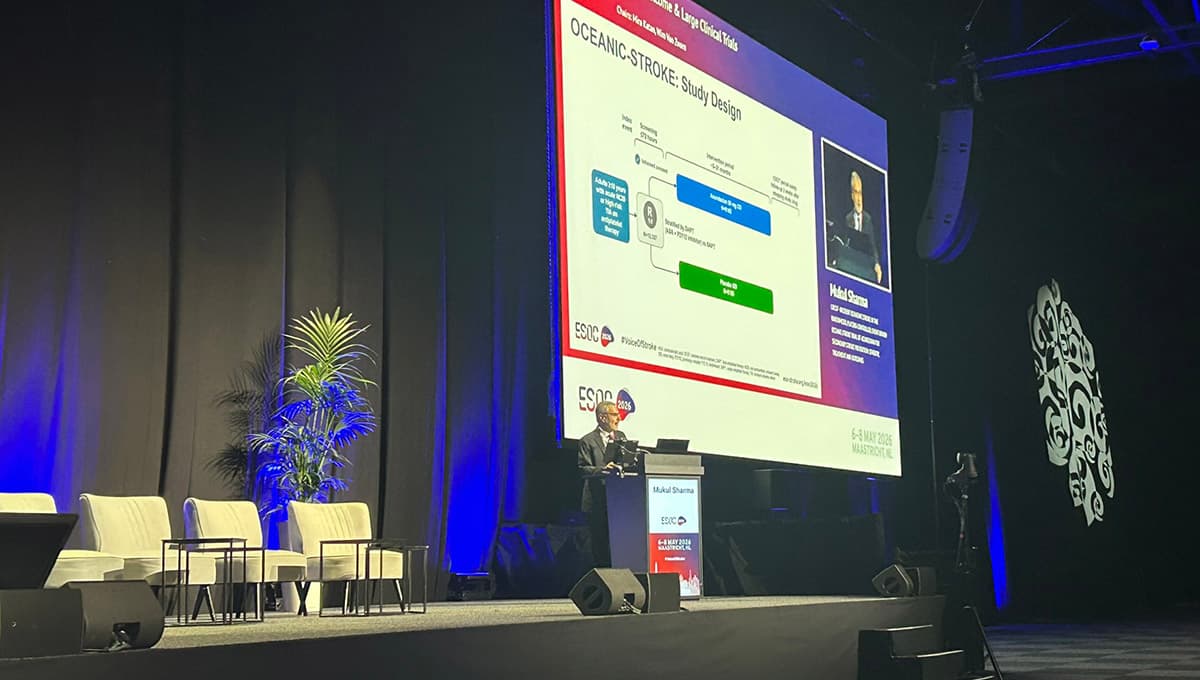
Recurrent Strokes Less Severe on Asundexian: OCEANIC-STROKE
The OCEANIC‑STROKE trial of 12,327 patients showed that the factor XIa inhibitor asundexian reduced recurrent ischemic strokes by 26% versus placebo in secondary prevention. Additional analyses revealed that strokes occurring on asundexian were less severe, with fewer NIHSS scores ≥8 and...

PREVENT and SCORE2 Prediction Tools Perform Well in Global Cohort
The American Heart Association’s PREVENT risk equations and Europe’s SCORE2 calculators were validated in a new global cohort of over 2 million patients, bringing the total validation sample to more than 8 million individuals. Both tools demonstrated moderate to favorable discrimination, with...
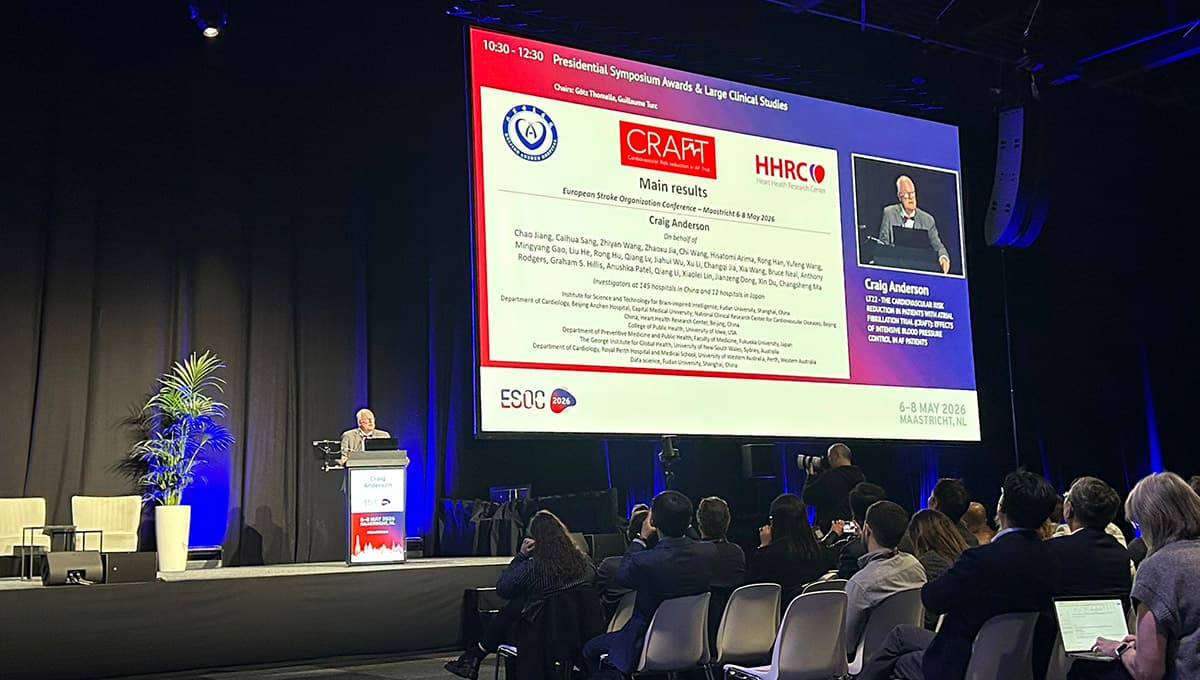
CRAFT: Intensive BP Control Fails to Cut CV Risk in Atrial Fibrillation
The CRAFT trial, enrolling 1,676 atrial fibrillation patients with hypertension, compared intensive home‑based blood‑pressure control (<120 mm Hg systolic) to a standard target (<135 mm Hg). After a median four‑year follow‑up, the intensive strategy did not lower the composite of cardiovascular death, non‑fatal myocardial...

Expanding Ambulatory Monitoring After TAVI May Prevent Serious Events
The RECORD registry analysis of 1,217 TAVI patients showed that 14‑day ambulatory ECG monitoring reduced the 1‑year composite of sudden cardiac death, arrhythmic syncope and stroke from 6.6% to 1.9%. Monitoring uncovered silent arrhythmias without raising permanent pacemaker implantation rates,...
Just a Single Vowel Can Shed Light on HF Hospitalization Risk: TIM-HF3
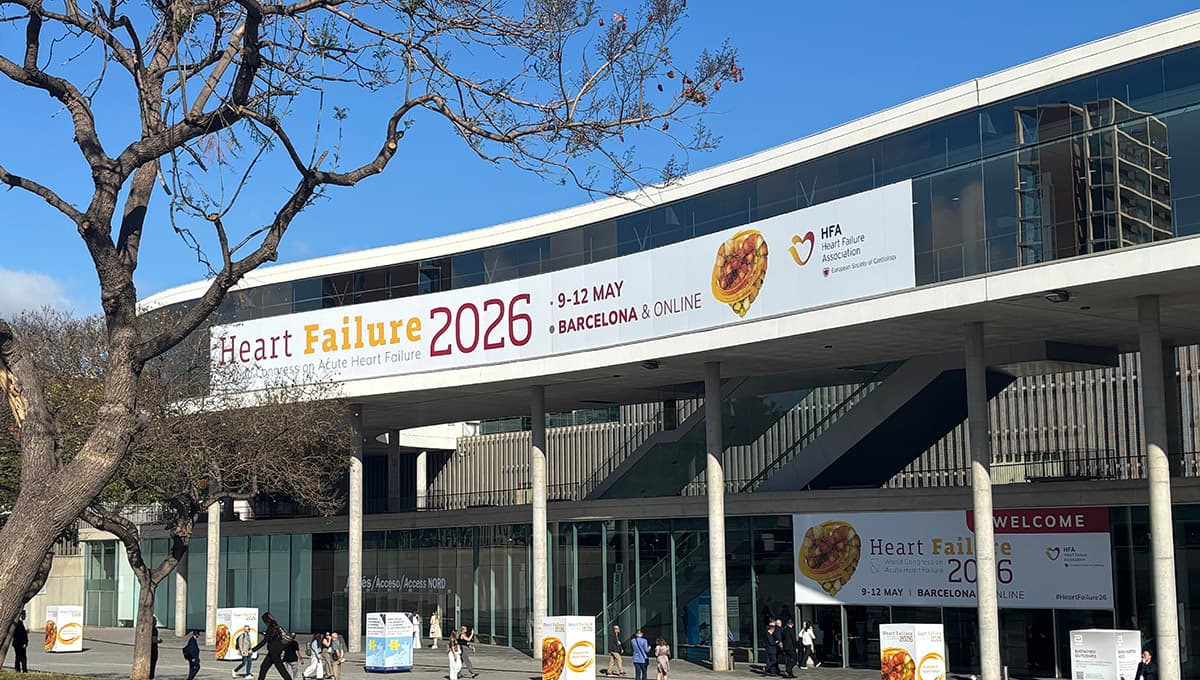
AI‑driven software that analyzes a single sustained vowel can predict heart‑failure hospitalizations more accurately than daily weight tracking, according to the TIM‑HF3 trial presented at ESC Heart Failure 2026. The study enrolled 105 German NYHA II/III patients and recorded weekly /i/ vowel...
Subcutaneous Furosemide Aids With Earlier Discharge: SUBCUT II HF
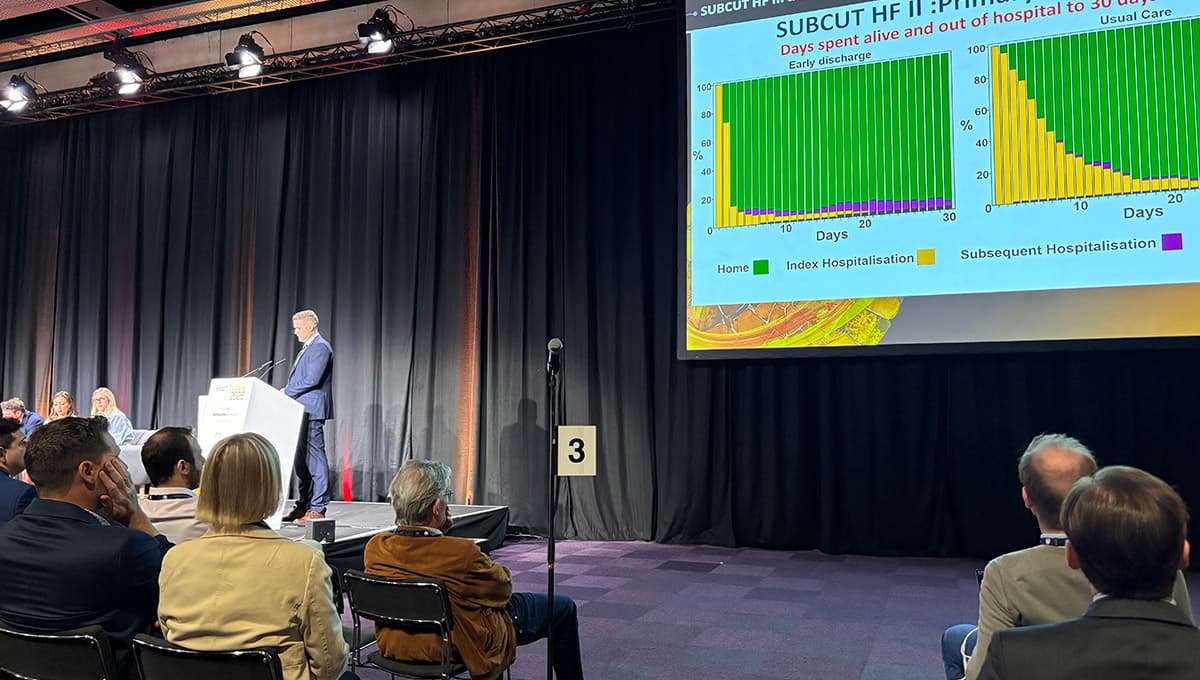
A randomized SUBCUT II HF trial in 22 UK hospitals showed that subcutaneous furosemide delivered via a minipump enables safe early discharge for heart‑failure patients. The early‑discharge arm reduced average hospital stay from 11.0 to 5.6 days and added four additional days...

CRF Fellows Course 2026: What to Expect in Miami Beach
The Cardiovascular Research Foundation’s annual Fellows Course runs May 14‑17, 2026, at Miami Beach’s Fontainebleau. The four‑day program gathers early‑career interventional cardiologists for didactic lectures, case‑based learning, hands‑on imaging, and cine‑review sessions. Highlights include a moderated discussion with senior physicians, Fireside...
Diuretic Resistance Score Confirms TRANSFORM-HF’s Message
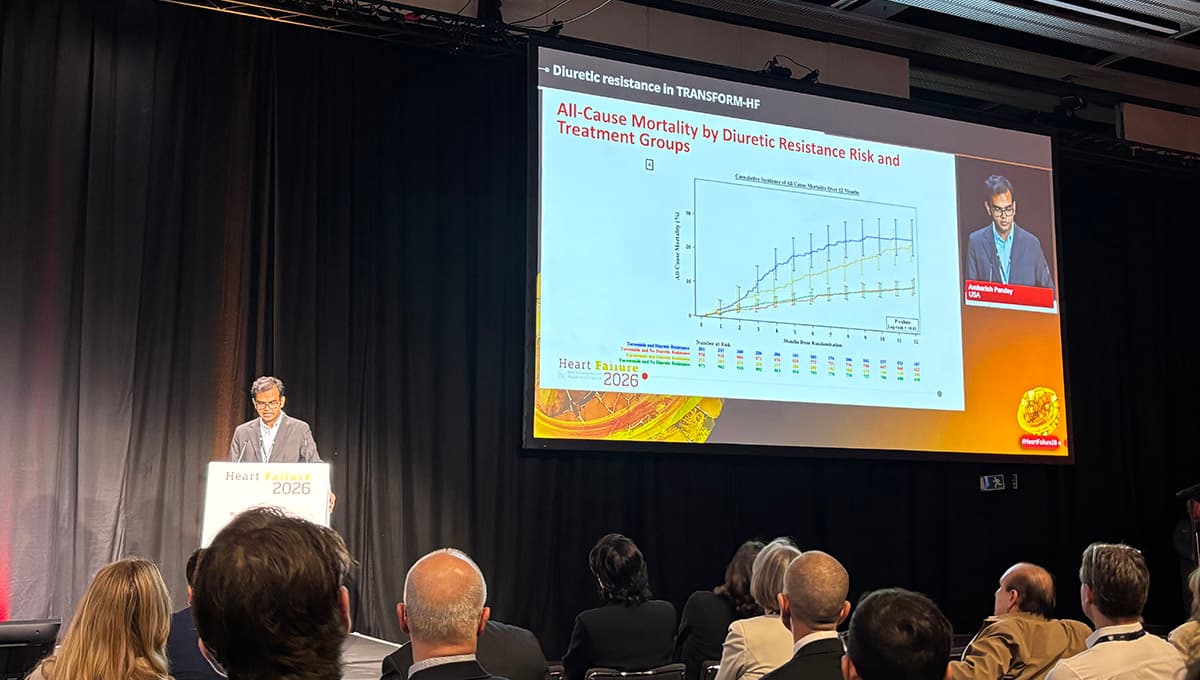
A post‑hoc analysis of the TRANSFORM‑HF trial applied the BAN‑ADHF risk score to identify patients at high risk of diuretic resistance. About 21% of the 2,421 participants scored above 12, indicating a markedly worse prognosis with 79% higher mortality and...

Three in 10 AVRs in Adults Younger Than 65 Are Transcatheter
A registry analysis of 34,504 U.S. patients under 65 undergoing aortic valve replacement shows 28.5% received TAVI, up from 15.7% in 2016 and plateauing around 29% by 2024, while isolated SAVR fell from 43.8% to 27.0%. Growth in TAVI accelerated...

Proportion of Women Undergoing TAVI for Aortic Stenosis Declining in US
A decade‑long Medicare analysis shows the share of women undergoing transcatheter aortic valve implantation (TAVI) fell from 47.6% in 2013 to 43.6% in 2022, even as total procedure volumes surged. Women experienced higher periprocedural mortality (2.5% vs 2.2%), more vascular...

Mixed Results for Targeted Focal Cooling During Stroke Thrombectomy
Two Chinese phase‑III trials presented at ESOC 2026 yielded opposing conclusions on intra‑arterial hypothermia during endovascular thrombectomy for acute ischemic stroke. CHILL‑ART reported a 54.7% functional‑independence rate versus 39.8% with sham, translating to a number‑needed‑to‑treat of seven, and a modest reduction...