
Polygenic Risk Score Predicts Eight Cardiovascular Conditions
A new polygenic risk score (PRS) predicts eight cardiovascular conditions, including coronary artery disease and atrial fibrillation, with odds ratios as high as 41.0. The assay, orderable from a blood or saliva sample, was validated in 53,306 participants and demonstrated net reclassification improvements of 0.17‑0.18 when combined with existing risk equations. Researchers report that 16‑18% of patients in the intermediate‑risk “gray zone” are more accurately re‑classified using the PRS. The test is priced at $255 and may soon expand to include oncologic risk panels.

Racial/Ethnic Disparities in Stroke Incidence Widening in the UK
A new analysis of the South London Stroke Register shows that first‑stroke incidence has risen sharply among Black African and Black Caribbean residents while remaining flat for white residents. Between 2020 and 2024, Black African individuals experienced more than twice...

Tricuspid Training Series: Evaluation and Management of Patients with Severe Tricuspid Regurgitation
On May 7, 2026, TCTMD released a new episode of its Heart Valve Matters podcast titled “Tricuspid Training Series: Evaluation and Management of Patients with Severe Tricuspid Regurgitation.” Hosts Rick Nishimura and Michael Mack discuss the growing prevalence of severe...
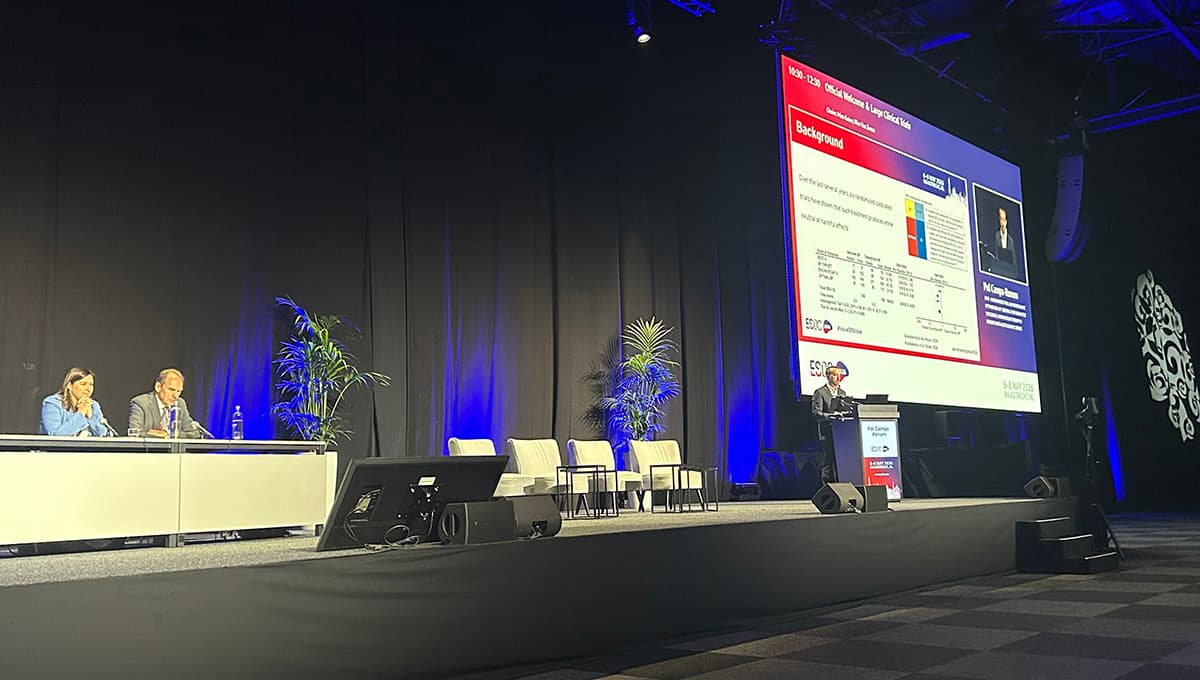
HOPE Supports Tailored Approach to BP After Stroke Thrombectomy
The HOPE trial, presented at the European Stroke Organisation Conference 2026, tested a reperfusion‑guided blood‑pressure strategy after endovascular thrombectomy for acute ischemic stroke. Patients whose post‑procedure mTICI score was 2b were targeted to a systolic BP of 140‑160 mm Hg, while those...
The VESALIUS-CV Trial
In the VESALIUS-CV trial, researchers evaluated the impact of adding the PCSK9 inhibitor evolocumab to standard lipid‑lowering therapy in patients at high cardiovascular risk who had never experienced a myocardial infarction or stroke. Over a median follow‑up of 3.2 years,...

Hiding in Plain Sight: Methamphetamine-Related MIs Not Uncommon
A California retrospective study of 1,309 adults under 65 found that 14.8% of acute myocardial infarctions (MIs) were associated with methamphetamine use. Meth‑related MIs occurred in younger men, featured more nonobstructive coronary disease, and led to lower rates of revascularization....
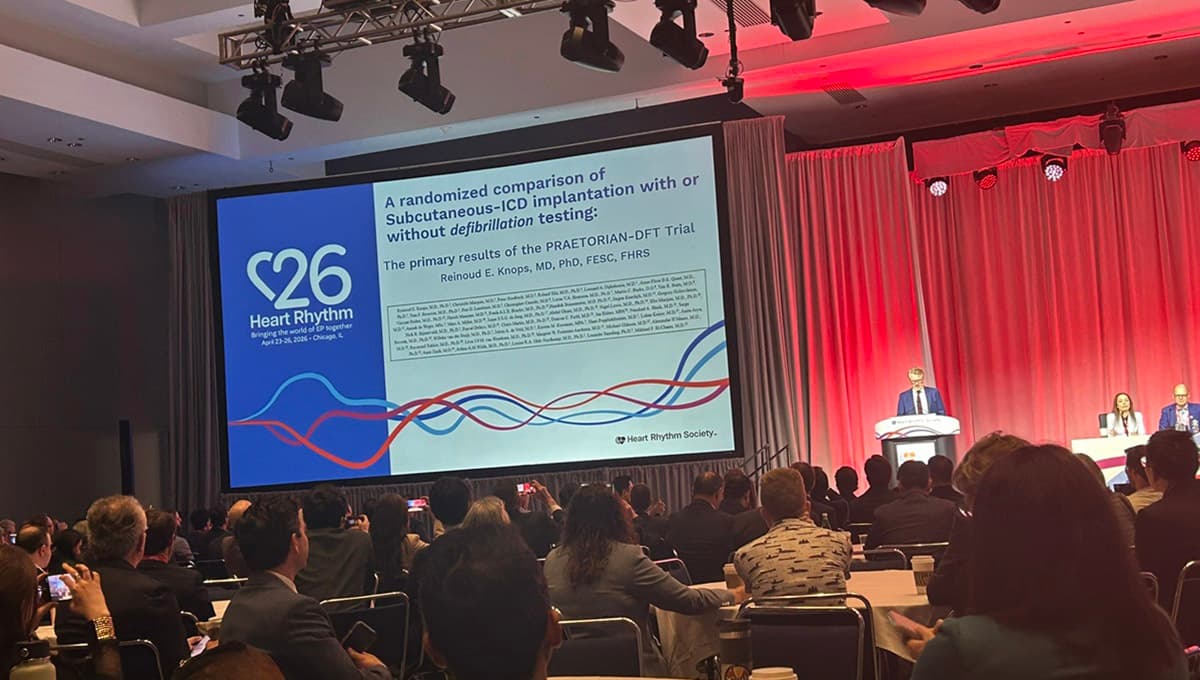
PRAETORIAN-DFT: Safe to Forgo Defibrillation Testing for S-ICD Implant
The PRAETORIAN‑DFT randomized trial showed that omitting defibrillation testing (DFT) after subcutaneous ICD (S‑ICD) implantation, when guided by the PRAETORIAN score, is non‑inferior to routine testing. Failed first‑shock rates were 1.7% without DFT versus 2.3% with DFT, meeting the 3%...

Heart Failure Interplays With Economics Across the World: PURE Data
The global PURE study of 172,653 adults across 25 countries found that heart‑failure (HF) incidence is higher in upper‑middle and high‑income nations, while low‑income regions report the lowest diagnosed rates but the highest mortality after a first HF event. Over...
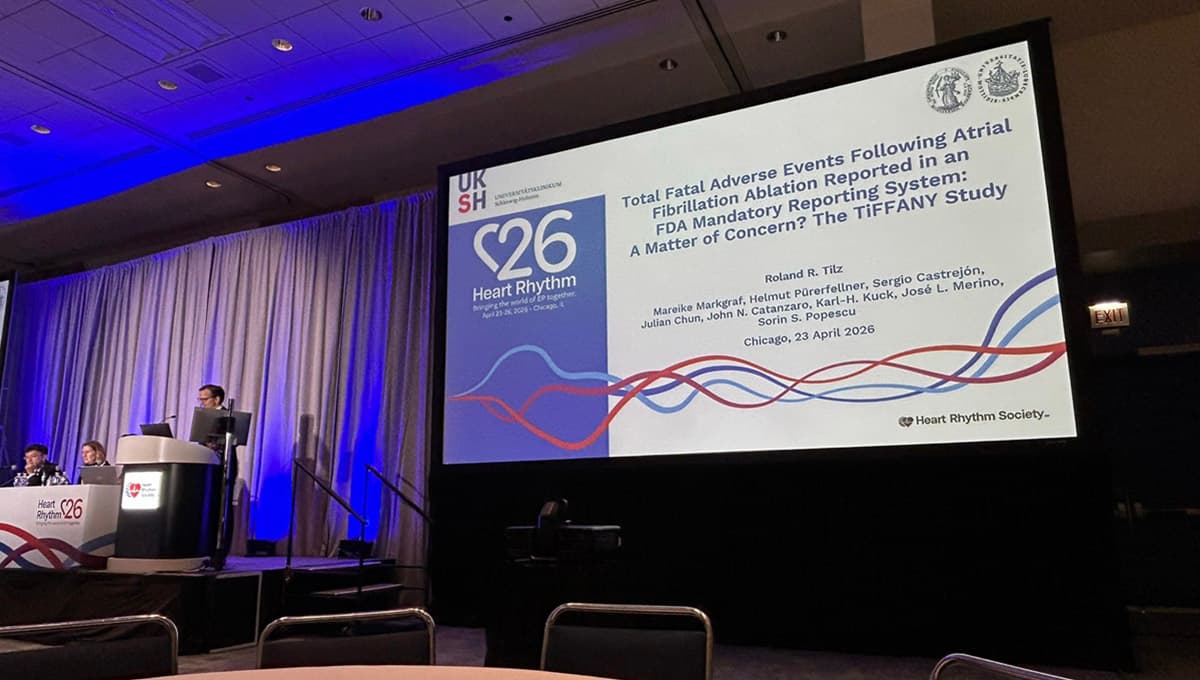
Rare Fatal Arrhythmias After PFA Highlighted in MAUDE Analysis
The TiFFANY analysis of FDA MAUDE reports identified fatal arrhythmic events after pulsed‑field ablation (PFA) for atrial fibrillation at roughly 3.2 per 100,000 procedures, translating to a mortality rate of 17.8 per 100,000—about twice that of thermal ablation. Overall, PFA showed a...

Noninvasive Proton Beam Therapy Safe for VT Ablation: Early Series
A first‑in‑human feasibility study at Mayo Clinic showed that noninvasive proton‑beam radioablation can be delivered safely to patients with refractory ventricular tachycardia (VT). Seven high‑risk patients underwent meticulous imaging‑guided planning and received a single proton dose, with no acute cardiac...

Advocacy, and Physical Fitness, Needed to Stem Pain-Related Cath Lab Injury
Interventional cardiologists gathered at the SCAI 2026 meeting to confront rising musculoskeletal injuries tied to heavy lead aprons and awkward cath‑lab postures. Dr. Allison Dupont highlighted that a 15‑lb apron can generate 200‑300 psi on lumbar discs, and 21% of her...

ESOC 2026: What to Expect in Maastricht
The 12th European Stroke Organisation Conference (ESOC) convenes in Maastricht from May 6‑8, drawing roughly 4,200 delegates from 100 nations. Six scientific tracks will showcase the latest clinical trial data on stroke prevention, diagnosis, and treatment, including late‑breaking sessions on pre‑hospital...

Redo Mitral Valve Replacement Surgery Outdoes ViV Over the Long Term
A retrospective analysis of 229 patients treated for failed bioprosthetic mitral valves found that 30‑day mortality and readmission rates were similar for repeat surgical mitral valve replacement (SMVR) and transcatheter valve‑in‑valve (ViV) procedures. However, at five years SMVR patients experienced...

GLP-1s May Prevent Incident AF, Series of Studies Shows
Observational analyses presented at Heart Rhythm 2026 suggest GLP‑1 receptor agonists, including tirzepatide, lower the risk of incident atrial fibrillation by 33%‑47% across diverse patient groups. The benefit appears consistent in individuals with or without diabetes, obesity, and chronic kidney...

Autopsy Studies Turn Sudden Cardiac Death Wisdom on Its Head
A 12‑year autopsy‑based POST SCD study in San Francisco County found that only 41% of sudden cardiac deaths (SCD) are attributable to myocardial infarction, challenging the long‑standing belief that roughly 80% are MI‑related. The analysis of 943 out‑of‑hospital cardiac arrests...
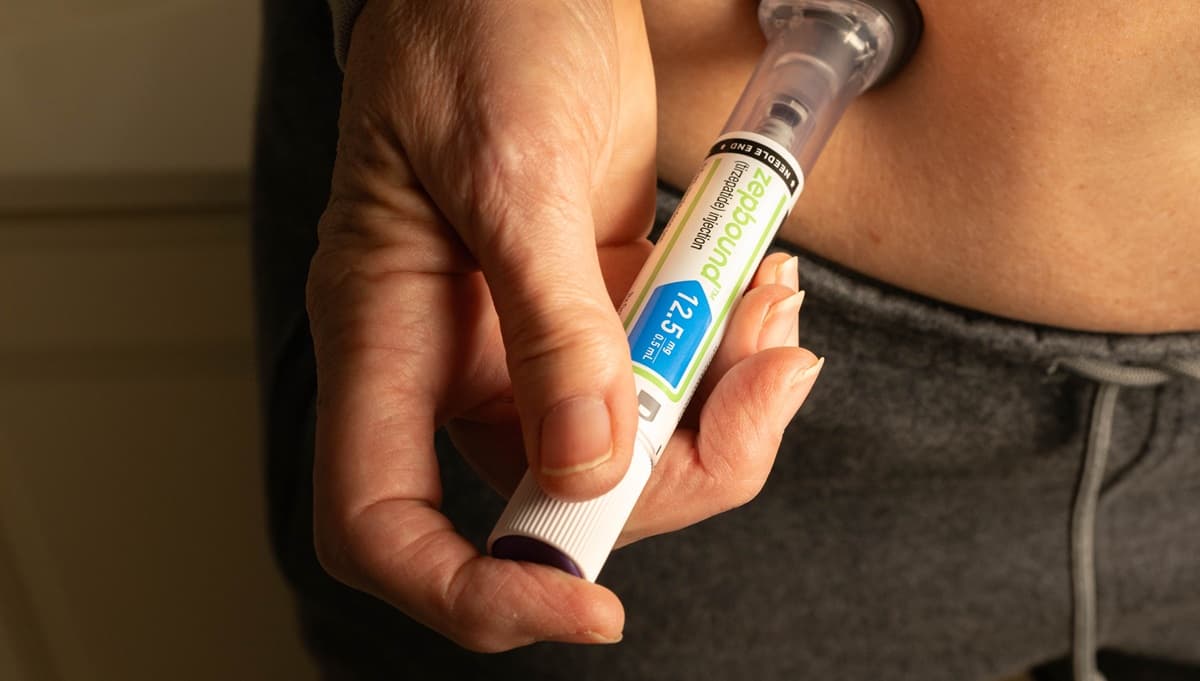
GLP-1 Drugs May Lower CV Risk in TAVI Patients With Diabetes or Obesity
A retrospective analysis of 1,708 matched TAVI patients shows that glucagon‑like peptide‑1 (GLP‑1) receptor agonists cut the relative risk of major adverse cardiovascular events (MACE) by 37% and all‑cause mortality by 39% at one year. The benefit was consistent in...

Top Cardiology News for April 2026
TCTMD’s Heart Sounds podcast paid tribute to cardiology legend Eugene Braunwald, underscoring his decades‑long influence on clinical practice and research. The episode also curated the team’s top cardiology studies from the past weeks, spanning AI‑driven ECG analysis, a novel SGLT2...

Higher Lp(a) Threshold More Closely Linked to Major ASCVD Events
A pooled analysis of three large randomized trials found that lipoprotein(a) levels of ≥ 175 nmol/L independently predict all‑cause mortality, cardiovascular death and stroke over seven years, with risk comparable to current smoking. The association was strongest in secondary‑prevention patients and was not...
Ultralow-Temperature Cryoablation Shows Promise for VT
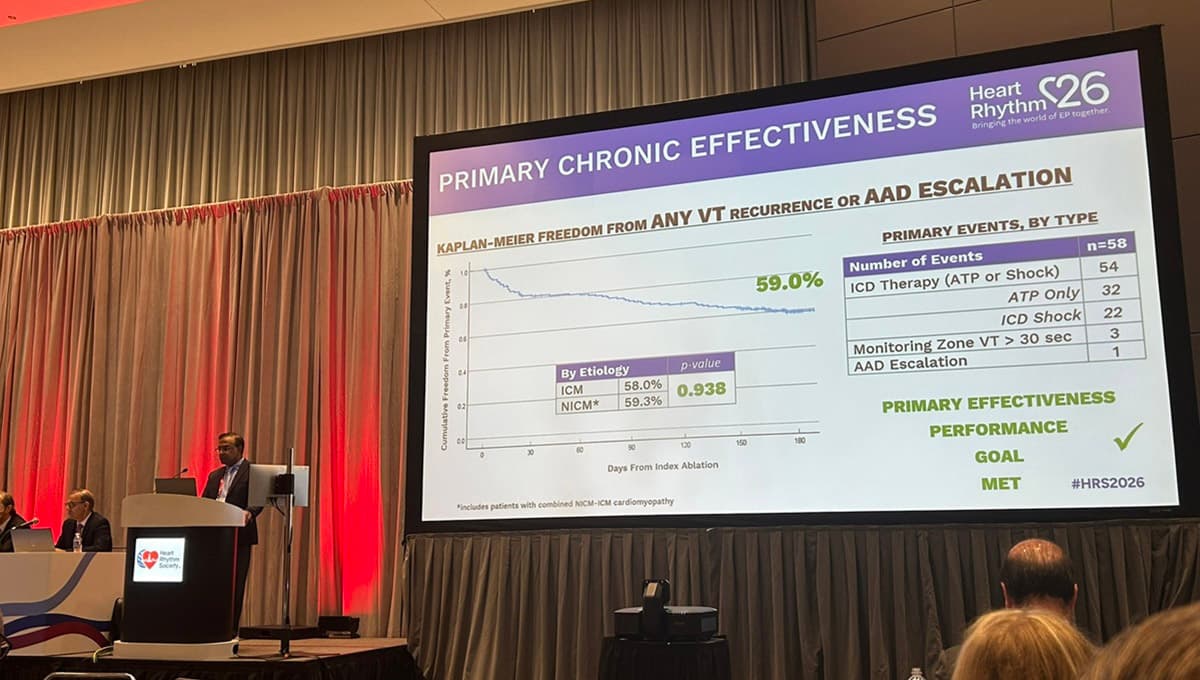
The FULCRUM‑VT IDE trial evaluated Adagio Medical’s vCLAS ultralow‑temperature cryoablation system in 209 patients with monomorphic ventricular tachycardia. At six months, 59% of participants remained free of recurrent VT, ICD interventions, and antiarrhythmic escalation, while acute success reached 98% non‑inducibility....

PCI Benefits Stable Patients More in Focal vs Diffuse Disease: ORBITA-2
A new ORBITA‑2 sub‑analysis shows that patients with focal coronary disease experience markedly greater angina relief from PCI than those with diffuse disease. Using pressure‑wire iFR pullbacks, investigators found an odds ratio of 1.80 for symptom improvement and 1.55 for...

Primary Care-Focused QI Effort Didn’t Improve Secondary CV Prevention: QUEL
The QUEL randomized cluster trial evaluated a 12‑month data‑driven quality‑improvement program across 51 Australian primary‑care practices caring for 7,864 patients with coronary heart disease. The intervention, which included benchmarking, monthly reporting and improvement planning, failed to lower unplanned cardiovascular hospitalizations...

HRS Program Modestly Boosts Early Rhythm Control for AF
The Heart Rhythm Society’s COMPASS quality‑improvement initiative modestly raised early rhythm‑control use in newly diagnosed atrial‑fibrillation patients from 29% to 33% across three U.S. health systems. The gain was driven primarily by increased catheter‑ablation referrals, alongside higher rates of electrophysiology...
ALONE-AF: Stopping OAC After Ablation Doesn’t Reduce Cognitive Function
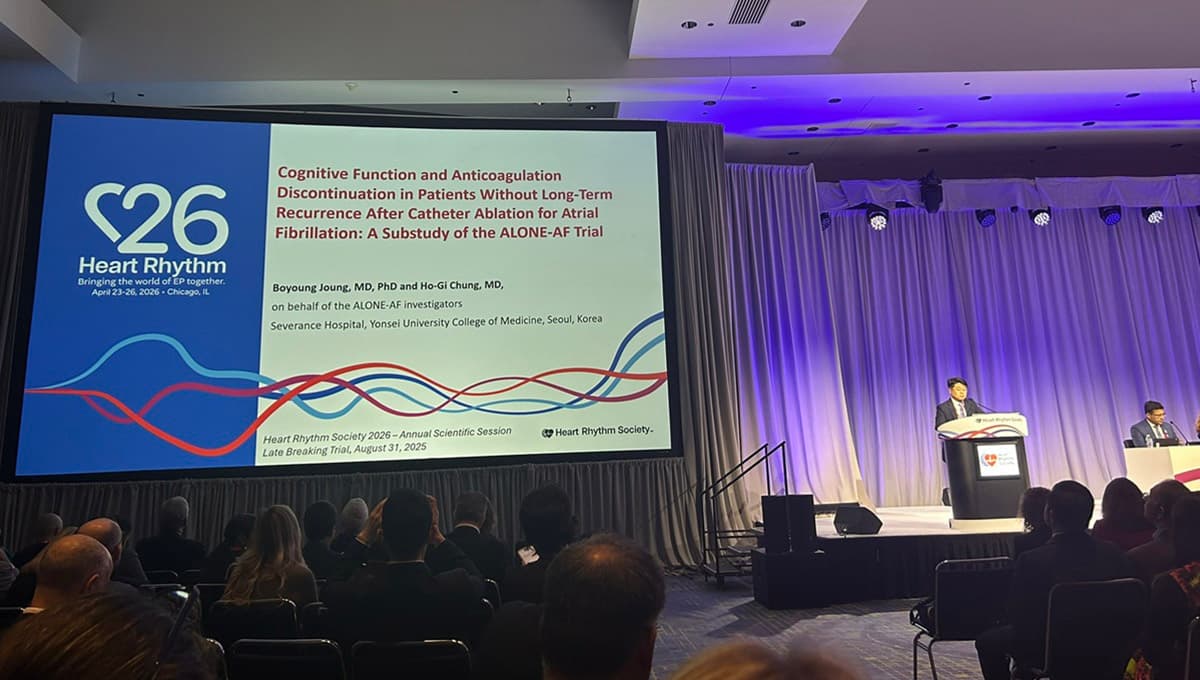
A substudy of the ALONE‑AF trial found that stopping oral anticoagulation (OAC) after successful catheter ablation did not lead to cognitive decline over two years. Montreal Cognitive Assessment (MoCA) scores rose modestly in both the OAC and no‑OAC groups, with...
No-Option CLTI Patients Report Better QoL After Blood Flow Diversion Therapy: PROMISE III
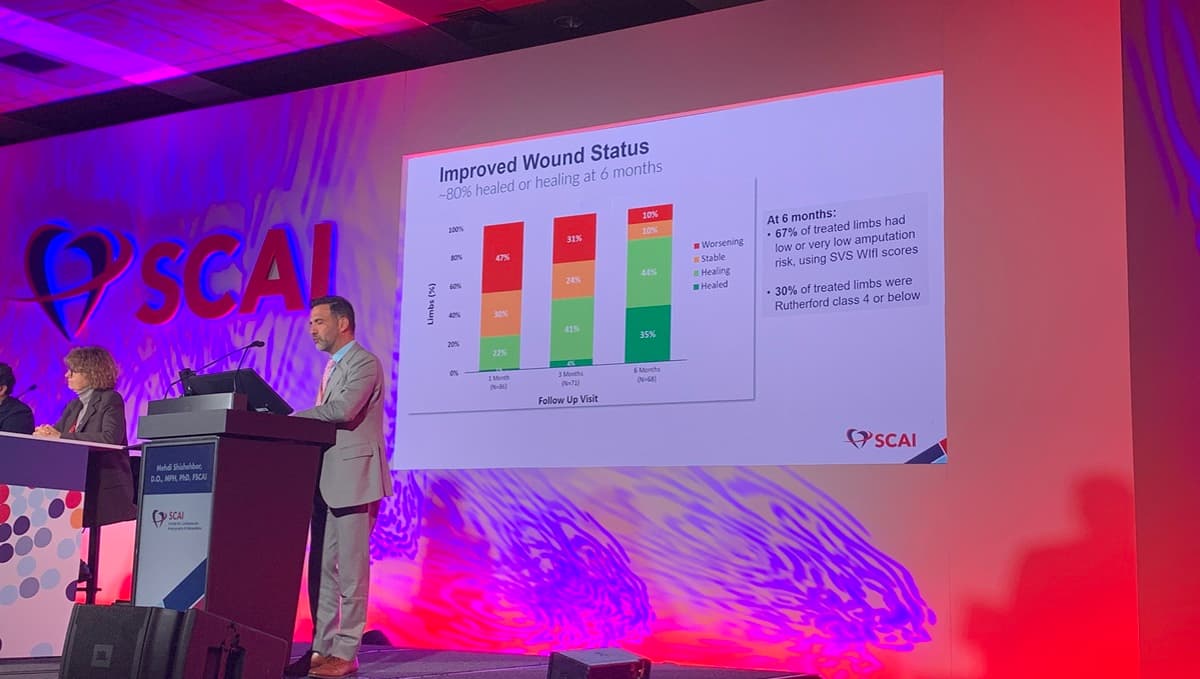
The PROMISE III trial shows that transcatheter arterialization of the deep veins (TADV) using the LimFlow device markedly improves quality of life for no‑option chronic limb‑threatening ischemia (CLTI) patients. At six months, 80% of participants had healed or healing foot wounds...

No Benefit, Maybe Harm, With Invasive Approach in Frail NSTEMI Patients
Analysis of the SENIOR‑RITA trial’s frailty sub‑study shows that severely frail NSTEMI patients do not benefit from routine invasive angiography and revascularization. Over a median 4.1‑year follow‑up, the composite of cardiovascular death or non‑fatal MI occurred in 37.7% of frail...

Eugene Braunwald, ‘Icon’ of Modern Cardiology, Dies at 96
Renowned cardiologist Eugene Braunwald, who died at 96, was a transformative figure in modern cardiovascular medicine. He pioneered the “time is muscle” principle, founded the TIMI Study Group, and authored over 1,600 publications, including the seminal Braunwald’s Heart Disease textbook....

SELUTION DeNovo: Sirolimus DCB Safe and Effective in ACS Patients
A subanalysis of the SELUTION DeNovo trial presented at SCAI 2026 shows that the sirolimus‑eluting Selution drug‑coated balloon (DCB) is non‑inferior to drug‑eluting stents (DES) in acute coronary syndrome (ACS) patients, with 1‑year target vessel failure (TVF) rates of 5.3%...

TRIDENT: Triple Antihypertensive Pill Cuts Recurrent Stroke in ICH
The TRIDENT trial showed that a single low‑dose triple‑antihypertensive pill (telmisartan, amlodipine, indapamide) added to standard care reduced recurrent stroke in patients with prior intracerebral hemorrhage from 7.4% to 4.6% (HR 0.61). Mean systolic blood pressure during follow‑up was 127 mm Hg in...
Tricuspid Training Series: Echocardiographic Evaluation of Patients with Tricuspid Regurgitation
In the latest Heart Valve Matters podcast, cardiologists Rick Nishimura and Paul Grayburn dissect how echocardiography is used to evaluate tricuspid regurgitation (TR). They outline the imaging techniques—2‑D, Doppler, and emerging 3‑D modalities—required to grade severity and assess right‑ventricular function....
The META-AF Trial
Researchers launched the META‑AF trial to evaluate metformin as an adjunct to catheter ablation in atrial fibrillation patients. The study randomizes roughly 500 participants to receive metformin or placebo beginning two weeks before ablation, with follow‑up through 12 months. Primary...

Patient-Surgeon Sex Mismatch Doesn’t Drive Disparities in Cardiac Surgery
A new analysis of 223,065 Medicare cardiac surgery patients found that surgeon‑patient sex mismatch does not affect 30‑day or five‑year mortality and morbidity. Whether a male or female surgeon operated on a male or female patient showed no independent association...

Shock Patients Treated With MCS Devices at Referral Hospitals Have Higher Risks
An observational analysis of 398 cardiogenic shock patients found that temporary mechanical circulatory support (MCS) implanted at regional referral hospitals before transfer to a level‑1 shock center leads to significantly more device‑related adverse events. Bleeding occurred in 29% of referral‑hospital...

STORM-PE: Mechanical Thrombectomy Boosts Walking and Daily Living Gains
The STORM‑PE interim analysis shows that computer‑assisted vacuum thrombectomy (CAVT) markedly improves functional recovery in acute intermediate‑high‑risk pulmonary embolism. At 90 days, patients receiving mechanical thrombectomy walked an average of 479 m versus 368 m for anticoagulation alone, and 97% achieved NYHA class I...

April 2026 Dispatch for the CV Team
Recent cardiovascular research underscores the growing influence of social determinants and refined biomarkers on patient outcomes. A meta‑analysis shows intensive blood‑pressure control after mechanical thrombectomy worsens 90‑day function and raises mortality, while studies link unaffordable dental care, Medicaid coverage, and...

For CVD Patients, Calcium Supplements May Spur Recurrent Events
A Hong Kong observational study of 237,782 cardiovascular disease (CVD) patients found that calcium supplements increase the risk of recurrent heart attacks, strokes, and hospitalizations, especially when taken without vitamin D. After propensity‑score matching, calcium‑only users showed a 10% higher composite...

Trials Bolster LBBAP as an Alternative to Biventricular Pacing in CRT
Recent EHRA 2026 presentations deepened the evidence base for conduction‑system pacing as an alternative to traditional biventricular (BiV) cardiac resynchronization therapy (CRT). The LECART trial showed a composite event rate of 12% with left bundle branch area pacing (LBBAP) versus...
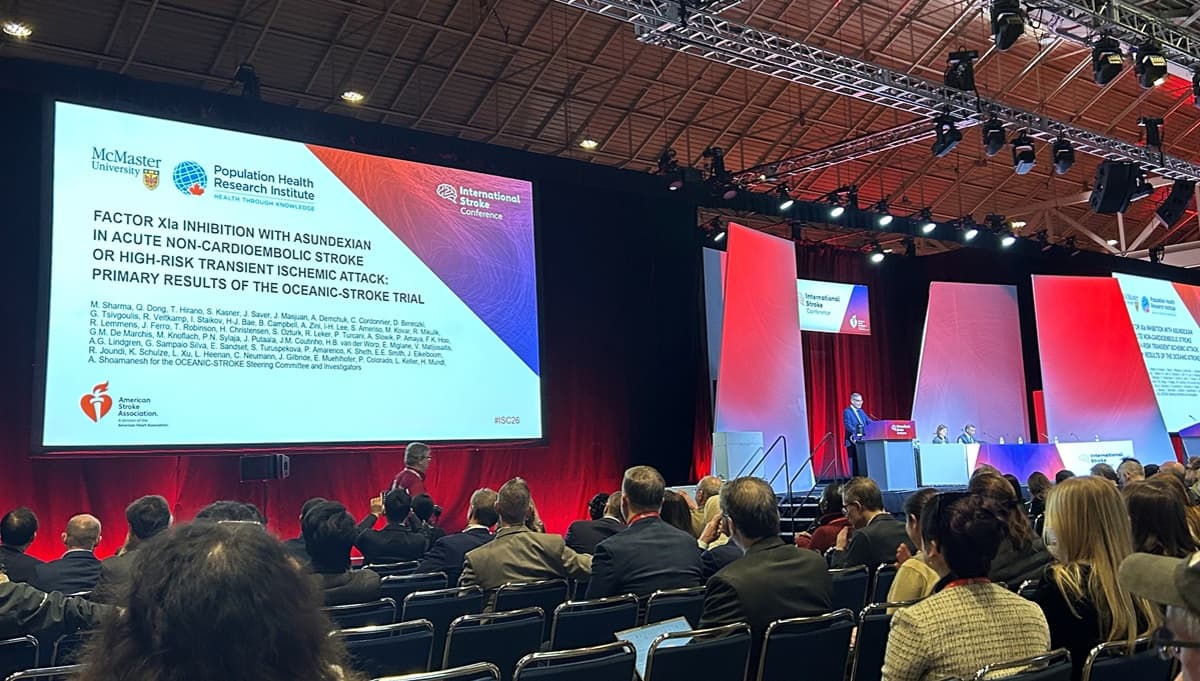
Now Published - OCEANIC-STROKE: Asundexian Prevents Recurrent Strokes, With No Added Bleeding
The phase III OCEANIC‑STROKE trial showed that adding Bayer's factor XIa inhibitor asundexian to standard antiplatelet therapy reduced recurrent ischemic strokes from 8.4% to 6.2% over two years, without raising major bleeding risk. The study enrolled 12,237 patients with recent non‑cardioembolic stroke...

Real-World Evoque Data Reassure, but It’s Still Early Days With TTVR
Early US real‑world data from the TVT Registry show that transcatheter tricuspid valve replacement (TTVR) with Edwards' Evoque device matches or modestly exceeds outcomes from the pivotal TRISCEND II trial. In 1,034 patients (average age 77, 69% female) 30‑day mortality was...

Rox Heart Radio: The 2026 Dyslipidemia Guidelines
In a recent Rox Heart Radio episode, cardiologists Roxana Mehran and Ann Marie Navar dissect the 2026 dyslipidemia guidelines. The conversation spotlights tighter LDL‑cholesterol targets, routine Lp(a) screening, and expanded use of coronary artery calcium (CAC) scoring for risk stratification. They...

C-TRACT: Iliac Vein Stenting Results Look Good in Postthrombotic Syndrome
The C‑TRACT trial showed that adding iliac vein stenting to standard therapy markedly improves symptoms and quality of life for patients with post‑thrombotic syndrome after deep‑vein thrombosis. At six months, stented patients scored two points lower on the Venous Clinical...

Women Less Likely Than Men to Adhere to Post-ACS Medications: TEXTMEDS
An analysis of the TEXTMEDS trial found that women 12 months after an acute coronary syndrome are less likely than men to meet LDL‑cholesterol and physical‑activity targets and to adhere to guideline‑directed medications. Only 46% of women reported taking ≥80%...

No Sustained Benefit of High-Flow Nasal Oxygen After Cardiac Surgery: NOTACS
A multinational randomized trial (NOTACS) involving 1,280 high‑risk cardiac surgery patients found that prophylactic high‑flow nasal oxygen therapy (HFNOT) did not improve 90‑day patient‑centered outcomes compared with standard oxygen. Both groups recorded a median of zero days alive and at...

Multifaceted Intervention Controls BP in Low-Income Hypertension Patients
The IMPACTS‑BP trial showed that a systematic, team‑based intervention lowered systolic blood pressure by an additional 6.4 mm Hg compared with usual care among low‑income patients in federally qualified health centers in Louisiana and Mississippi. Over 18 months, participants receiving the protocol...

CTO PCI Reduces Symptoms, Improves Quality of Life: Meta-Analysis
A new meta‑analysis of the EUROCTO and DECISION‑CTO trials, encompassing 518 patients with a single chronic total occlusion, shows that percutaneous coronary intervention (PCI) markedly improves health status compared with optimal medical therapy (OMT). PCI achieved an 88.7% first‑attempt success...

Financial Support After Hospital Discharge Boosts HFrEF Outcomes: FUND-HF
The FUND‑HF pilot gave low‑income patients discharged after a heart‑failure hospitalization a $500 debit‑card stipend immediately, versus a delayed payout. One‑month medication adherence rose to 58.7% in the early‑aid group compared with 42.3% in controls, and adherence to guideline‑directed therapy...
Tricuspid Training Series: Transcatheter Tricuspid Valve Interventions
In a TCTMD podcast released on April 8, 2026, interventional cardiologists Rick Nishimura and Paul Sorajja explored transcatheter solutions for severe symptomatic tricuspid regurgitation. The discussion highlighted how catheter‑based repairs and replacements can address patients deemed too high‑risk for conventional surgery. They...

Hints of a Mortality Benefit With TTVR at 2 Years TRISCEND II
The TRISCEND II trial shows transcatheter tricuspid valve replacement (TTVR) remains safe and improves quality of life at two years. A post‑hoc crossover analysis suggests a mortality advantage for patients receiving the Edwards Evoque device versus those who never received TTVR. While...

DIG-RHD: Digoxin Effective in Rheumatic Heart Disease
The DIG‑RHD trial, presented at ACC 2026, randomized 1,759 patients with symptomatic rheumatic heart disease in India to digoxin or placebo. Over a median 2.1‑year follow‑up, digoxin achieved a 4.1‑percentage‑point absolute reduction in the composite of all‑cause death or new‑onset/worsening...

African Patients and Trialists Largely Left Out of CV Research
A new study reveals that African populations are dramatically underrepresented in cardiovascular clinical trials, with less than 4 % of 2,472 randomized controlled trials (RCTs) conducted exclusively in Africa and only 0.6 % appearing in top cardiology journals. Lead author Bamba Gaye...

Disparities Widen Across Regions as Global Hypertension Burden Grows
A new meta‑analysis of 287 studies covering 6.1 million adults shows that 1.71 billion people—about one‑third of the global adult population—had hypertension in 2020. While high‑income nations saw a modest 2.7 % drop in age‑standardized prevalence, low‑ and middle‑income countries experienced a 5.8 %...