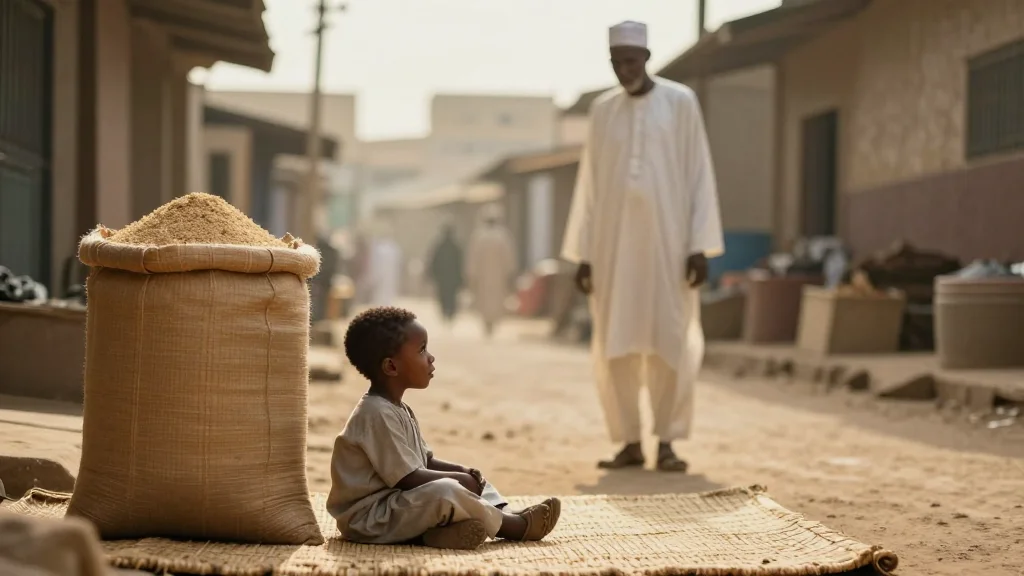
Maiduguri Boy’s Past‑Life Claims Ignite Reincarnation Debate

Why It Matters
The Maiduguri boy’s story touches on fundamental questions about the nature of consciousness, memory and identity that have long occupied philosophers, theologians and scientists. If the details can be independently verified, the case could provide rare empirical support for the hypothesis that personal identity may extend beyond a single lifespan, challenging materialist assumptions that dominate mainstream neuroscience. Beyond academic circles, the narrative resonates with millions who hold reincarnation beliefs, potentially influencing religious practices and inter‑generational storytelling in Nigeria and beyond. It also offers a concrete example for policymakers and educators grappling with how to address extraordinary claims in a culturally respectful yet evidence‑based manner.
Key Takeaways
- •A Maiduguri child recounted a grain merchant’s life in Biu, 200 km away, with verifiable specifics.
- •Local elders confirmed the merchant’s existence, stall location, and a broken‑wheel donkey cart.
- •The boy used a childhood nickname known only to the merchant’s family, as quoted by relative Malam Idris.
- •He displayed a strong fear of motorcycles, mirroring the merchant’s fatal accident.
- •Dr. Jim Tucker’s research team plans a formal interview to assess the case’s scientific credibility.
Pulse Analysis
The Maiduguri incident arrives at a moment when interdisciplinary research on consciousness is gaining traction, from neurotheology to quantum cognition. Historically, reincarnation cases have struggled for legitimacy because of methodological gaps and cultural bias. This case, however, benefits from a clear chain of verification: a living descendant, a specific nickname, and a physical phobia linked to the alleged cause of death. If Dr. Tucker’s team can document the process with rigorous controls, the story could serve as a template for future investigations, encouraging a shift from anecdotal collection to systematic study.
From a market perspective, the narrative is likely to fuel content across spiritual media platforms, podcasts, and documentary producers seeking compelling human‑interest stories. Publishers may capitalize on the heightened public curiosity, while academic institutions could see increased funding for cross‑cultural studies of memory and identity. Yet the episode also underscores the ethical tightrope of investigating children’s extraordinary claims—balancing respect for family narratives with the need for scientific objectivity.
Looking ahead, the case could catalyze a broader dialogue between religious leaders and scientists, prompting joint forums on the metaphysical implications of memory beyond death. Whether the boy’s memories persist or fade, the conversation they have sparked may endure, reshaping how societies negotiate the boundaries between faith, folklore, and empirical inquiry.
Maiduguri Boy’s Past‑Life Claims Ignite Reincarnation Debate
Comments
Want to join the conversation?
Loading comments...