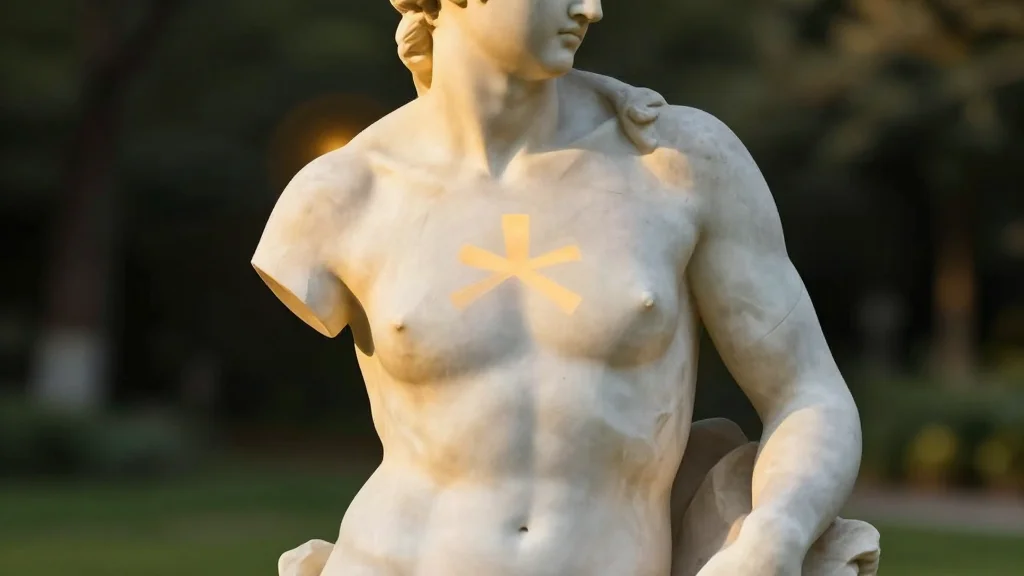
Public Square Magazine Challenges Christian Body‑Self Dualism

Why It Matters
The article’s challenge to body‑self dualism strikes at a foundational cultural narrative that influences how millions of Christians understand identity, health, and salvation. By re‑centering the body within theological discourse, the piece offers a framework that could reshape pastoral care, liturgical practice, and ethical stances on issues ranging from medical decision‑making to disability rights. Moreover, the critique resonates beyond evangelical circles, intersecting with broader philosophical debates about consciousness and the mind‑body problem, thereby positioning Christian theology as a participant in a global conversation about what it means to be fully human. If churches adopt an embodied theology, they may develop more inclusive ministries that honor the lived experiences of congregants with chronic illness or physical limitations. Such a shift could also encourage believers to view spiritual disciplines as holistic practices that engage mind, body, and spirit, fostering deeper communal bonds and a more robust witness in a culture increasingly preoccupied with mental health and wellness.
Key Takeaways
- •Public Square Magazine publishes essay rejecting the myth of an unembodied self.
- •Body‑self dualism traced to philosophical and early Gnostic influences.
- •New Testament distinction between ‘flesh’ (sarx) and ‘body’ (sōma) highlighted.
- •Embodied theology linked to healthier approaches to mental health and disability.
- •Magazine announces upcoming podcasts and webinars to expand the discussion.
Pulse Analysis
The resurgence of embodied theology reflects a broader cultural pivot toward holistic well‑being. Over the past decade, wellness industries have commodified mindfulness and meditation, often stripping them of their physical dimensions. By confronting body‑self dualism, Public Square Magazine taps into a growing appetite for spirituality that honors the whole person. Historically, Christianity has oscillated between asceticism that devalues the flesh and incarnational emphases that celebrate it. This essay signals a deliberate move back toward the latter, aligning with trends in mainline denominations that are re‑evaluating doctrines of the body in light of modern medical ethics and gender discussions.
From a market perspective, publications that blend rigorous theology with cultural relevance are poised to capture a niche audience of educated believers seeking depth beyond headline‑grabbing controversies. The planned multimedia rollout—podcasts, webinars, and interactive forums—suggests an intent to build a community around this embodied narrative, potentially driving subscription growth and sponsorship opportunities from faith‑aligned wellness brands. Competitors in the religious media space may respond by either doubling down on dualist rhetoric or by offering their own embodied perspectives, creating a new axis of theological debate that could shape editorial strategies for years to come.
Looking ahead, the real test will be whether churches translate these ideas into practice. If congregations begin to integrate embodied rituals—such as movement‑based worship, inclusive sacraments for people with disabilities, and theological education that foregrounds the body—the impact could ripple into broader societal attitudes toward health, aging, and identity. Conversely, resistance from entrenched dualist traditions could spark a counter‑movement, reinforcing the very divide the essay seeks to dissolve. The unfolding dialogue will likely determine the trajectory of Christian spirituality in an increasingly body‑aware culture.
Public Square Magazine Challenges Christian Body‑Self Dualism
Comments
Want to join the conversation?
Loading comments...