Battle of the Brands: How Nike, Adidas and More Will Duke It Out Across World Cup Product, Marketing and Activations
Companies Mentioned
Why It Matters
Brands see the World Cup as a multi‑year catalyst for football‑related apparel, footwear and lifestyle sales, reshaping retail strategies in a market where soccer fandom is rapidly expanding. The scale of activations signals a shift toward experiential marketing as a core revenue driver for sportswear giants.
Key Takeaways
- •Nike sponsors 12 teams, debuting X2 collection with Cryoshot sneakers
- •Adidas backs 14 nations, launches Backyard Legends pop‑ups in five cities
- •Champs Sports pivots to soccer, hosting Fan Central Station activations nationwide
- •Puma releases goalkeeper kit capsule, emphasizing authentic country‑specific designs
Pulse Analysis
The 2026 World Cup arrives at a moment when soccer has eclipsed baseball as America’s third‑most‑popular sport, creating a fertile ground for brands to monetize fan enthusiasm. Economic analysts project the tournament could inject over $40 billion into global GDP, while the U.S. market alone anticipates a surge in apparel and footwear sales driven by heightened media exposure and the rise of "terrace‑core" fashion. This macro backdrop encourages companies to view the event not merely as a short‑term sales spike but as a platform to embed their products into the evolving cultural narrative of American soccer.
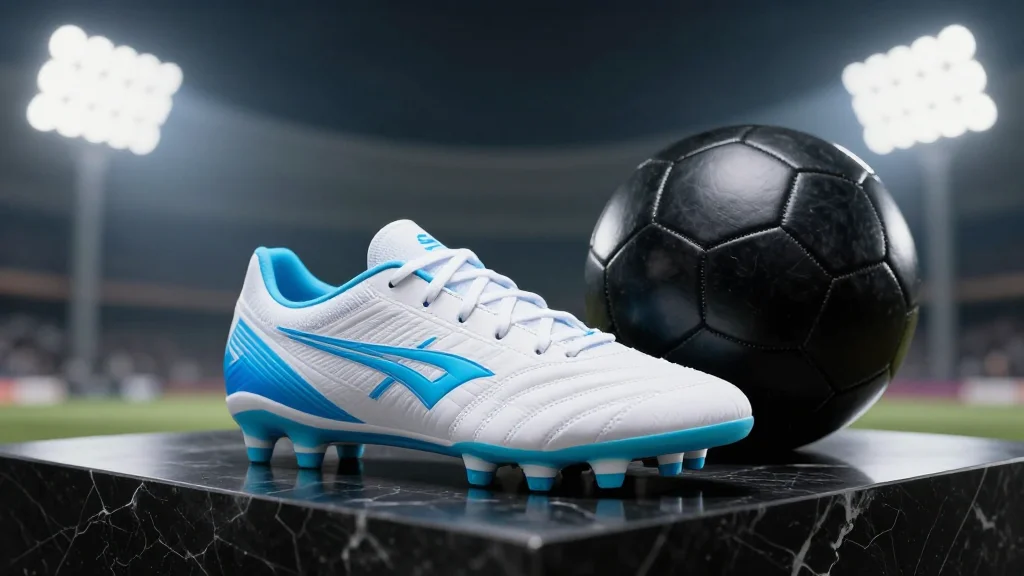
Nike, Adidas and Puma are each deploying distinct activation playbooks that blend product innovation with immersive experiences. Nike’s 12‑week "universe" campaign pairs iconic athletes and pop culture figures with the X2 collection, featuring Cryoshot sneakers that merge historic boot aesthetics with street‑ready technology. Adidas leverages its "Backyard Legends" tour, staging watch parties, concerts and Kith‑Messi collaborations across five North American cities, while New Balance focuses on authenticity through pop‑up boot ateliers and a Stone Island sneaker partnership. Puma’s goalkeeper kit capsule, designed by Salehe Bembury, underscores a hyper‑localized approach, celebrating the cultural nuances of each sponsored nation.
Retail partners are amplifying these brand efforts, turning stores into community hubs. Champs Sports’ "Fan Central Station" pop‑up in New York and satellite events in host‑city locations illustrate a broader shift toward experiential retail, where in‑store activations drive both foot traffic and loyalty program engagement. As the tournament unfolds, the success of these strategies will likely set new benchmarks for how sportswear brands integrate product launches, cultural relevance and fan interaction, shaping the future of football‑centric marketing well beyond 2026.
Battle of the Brands: How Nike, Adidas and More Will Duke It Out Across World Cup Product, Marketing and Activations
Comments
Want to join the conversation?
Loading comments...