Warsh's Communications Dilemma: Talk Less, or Say More?
Key Takeaways
- •Warsh proposes cutting speeches, individual forecasts, and the Fed’s dot plot.
- •Critics argue the dot plot reveals the reaction function, not noise.
- •Enriching the dot plot with forecasts links rate paths to economic outlooks.
- •Scenario analysis and staff baseline forecasts can improve transparency and accountability.
Pulse Analysis
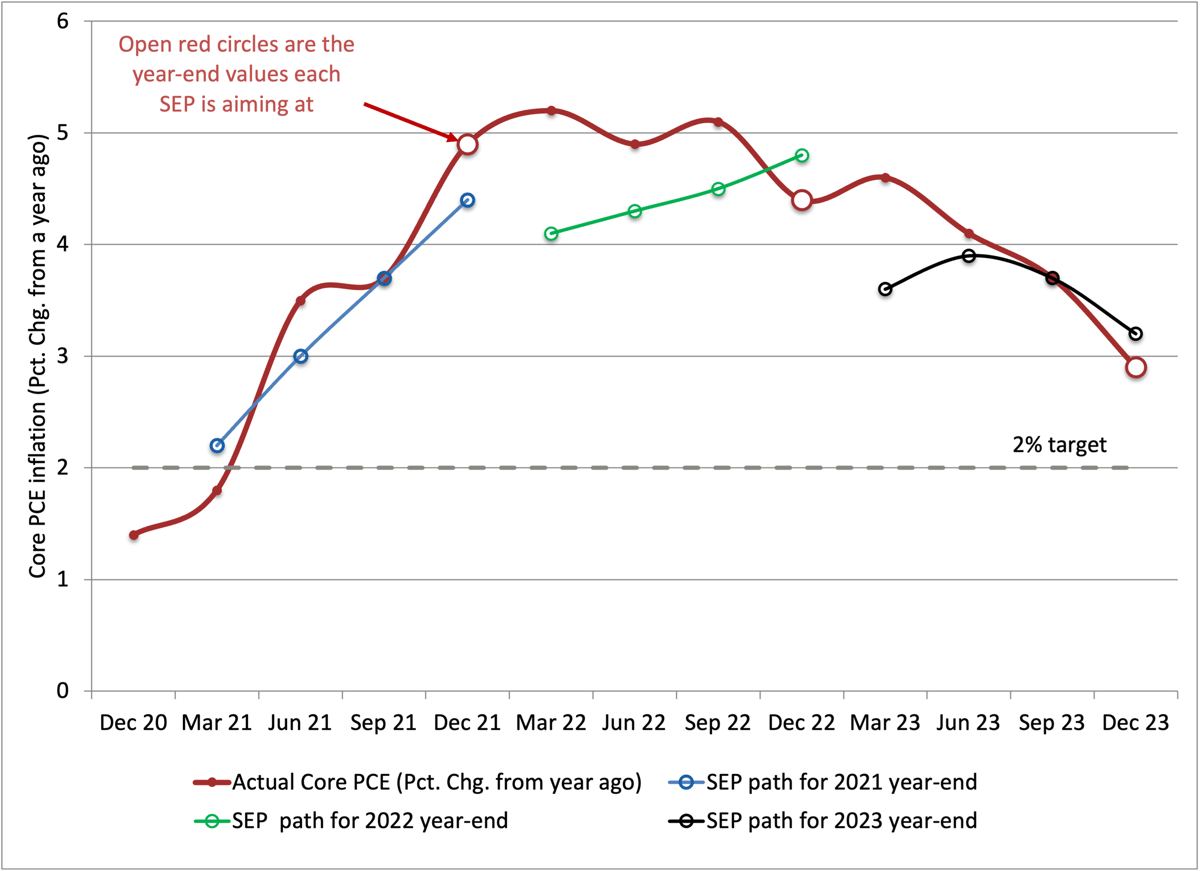
The Federal Reserve’s communication strategy has become a battlefield for how much information should be shared with markets. Warsh’s “talk less” agenda reflects a belief that frequent speeches and the dot plot create a cacophony that confuses investors, especially when forward guidance is perceived as a promise rather than a guideline. By scaling back the Summary of Economic Projections, the Chair hopes to simplify the policy signal and reduce short‑term market turbulence. However, this approach risks stripping away the very data that allows analysts to infer the Fed’s reaction function—the systematic link between economic conditions and rate decisions.
Transparency advocates argue that the solution lies not in silence but in richer, more structured disclosure. Publishing a matrix that ties each participant’s inflation, unemployment, and growth forecasts to their rate projections would illuminate the underlying logic of the dot plot. Adding scenario analysis—showing how the Committee would respond to tail‑risk events—provides a forward‑looking view of policy flexibility without committing to a rigid path. Such enhancements preserve the informational value of the dot plot while mitigating the noise created by disparate individual comments.
The stakes extend beyond academic debate. Market participants, Congress, and the public rely on clear signals to anticipate monetary policy moves, which in turn shape borrowing costs, investment decisions, and overall economic stability. A more detailed dot plot, combined with staff‑owned baseline forecasts and illustrative scenarios, could restore credibility by exposing the Fed’s true reaction function and holding policymakers accountable. In a post‑pandemic era marked by volatile inflation and labor market swings, nuanced communication is essential to anchor expectations and support sustainable growth.
Warsh's Communications Dilemma: Talk Less, or Say More?
Comments
Want to join the conversation?