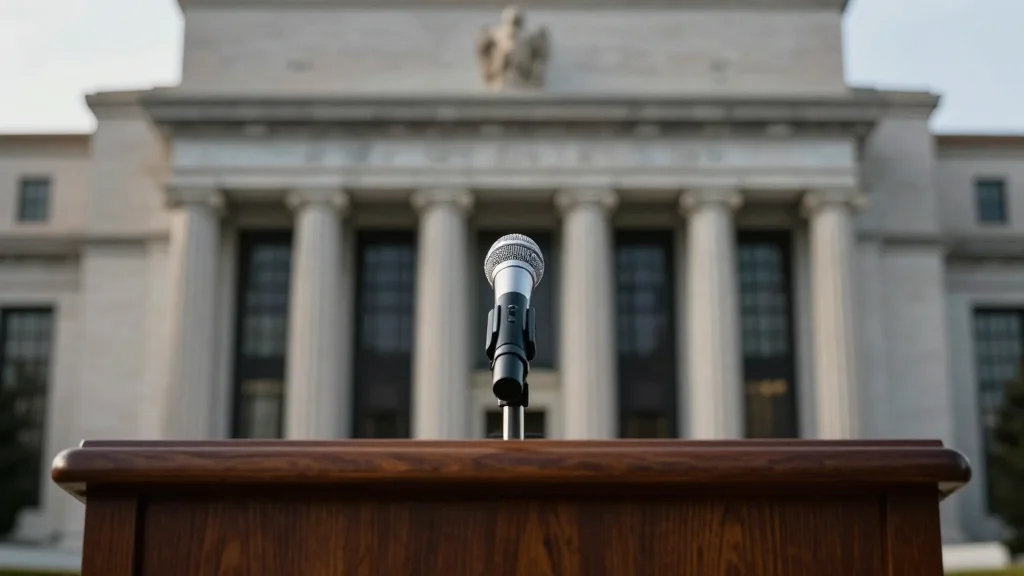
Jerome Powell’s Final Fed Press Conference Marks an End to an Era
Companies Mentioned
Why It Matters
The potential end of routine Fed press briefings could reshape how monetary policy is communicated, influencing market expectations and the Fed’s ability to steer narratives. Stakeholders will watch closely whether a more opaque approach under Warsh alters investor confidence and economic forecasting.
Key Takeaways
- •Powell's last press conference may end decade‑long Fed Q&A tradition
- •Trump‑nominated chair Kevin Warsh signals possible cancellation of future pressers
- •Transparency debate pits market clarity against over‑communication concerns
- •Analysts expect no rate change at upcoming meeting amid geopolitical uncertainty
- •Powell could remain a governor until 2028 despite term ending
Pulse Analysis
Since Ben Bernanke introduced occasional press briefings in 2011, the Federal Reserve has gradually moved toward greater openness, culminating in Jerome Powell’s decision in 2019 to hold a conference after every policy meeting. Powell framed the shift as a public‑service effort, offering plain‑English summaries to demystify monetary policy for households and investors alike. Over time, however, his answers grew more scripted, prompting criticism that the sessions added little substantive insight while consuming valuable media bandwidth.
The incoming chair, Kevin Warsh, a Trump appointee, has signaled a possible reversal. Warsh argues that the Fed’s frequent Q&A sessions amount to overcommunication, echoing academic critiques that the briefings often repeat boilerplate language. Proponents of the status quo warn that eliminating the press conferences would reduce transparency, limiting the Fed’s ability to shape market expectations directly after policy decisions. Analysts anticipate that Warsh may retain the platform in some form, given its utility for framing the narrative and managing volatility.
If the Fed does curtail regular press conferences, the change could reverberate across financial markets. Traders rely on the nuanced cues from the chair’s remarks to gauge future rate paths; a quieter communication style may increase reliance on indirect signals like the Fed’s minutes and economic projections. Moreover, the shift underscores the broader politicization of central‑bank communication, as a new administration seeks to imprint its philosophy on monetary policy. Stakeholders should monitor how any new communication framework balances the need for clarity with the risk of market misinterpretation.
Jerome Powell’s final Fed press conference marks an end to an era
Comments
Want to join the conversation?
Loading comments...