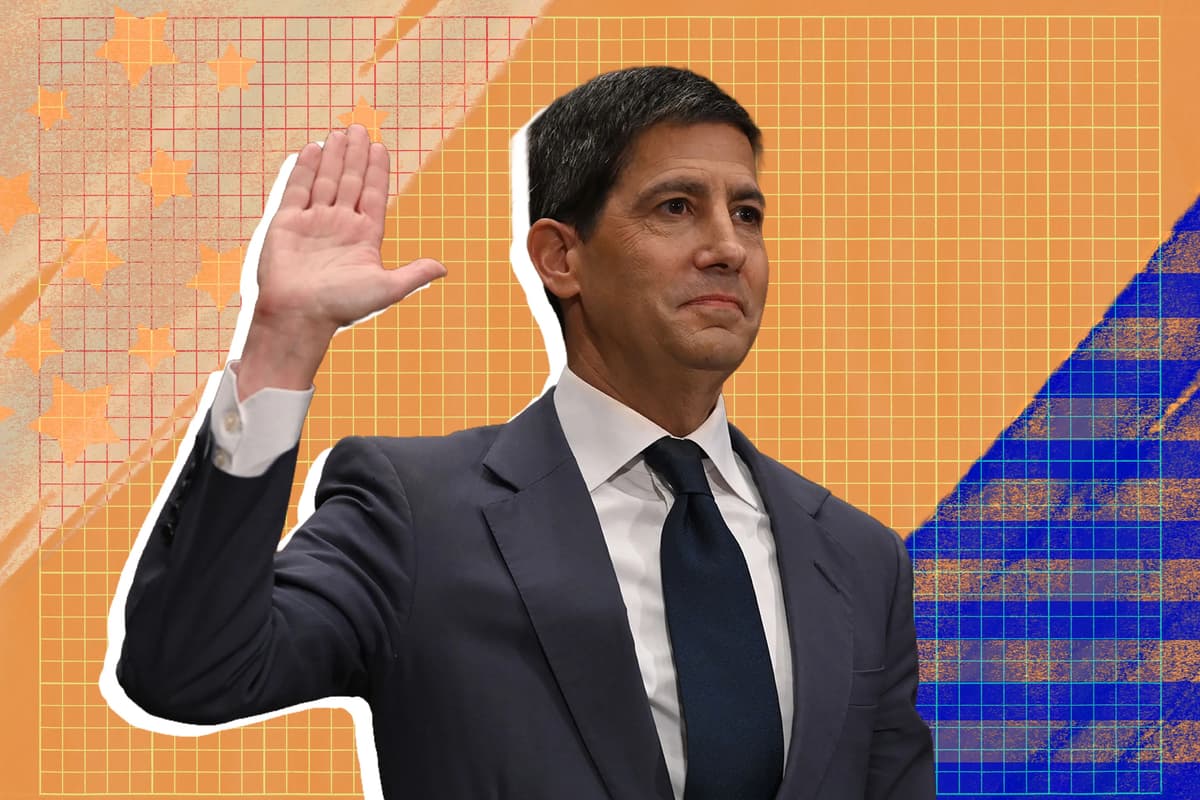
Kevin Warsh Is the New Head of the Fed. Here’s Why This Matters for Your Money
Companies Mentioned
Why It Matters
The Fed’s rate path directly shapes borrowing costs, consumer spending, and inflation expectations, so a new chair can shift the trajectory of the U.S. economy. Warsh’s stance on independence versus political pressure will be pivotal for market stability.
Key Takeaways
- •Warsh replaces Powell as Fed chair, first change in eight years
- •Inflation at 3.2% YoY, above the 2% target
- •Fed funds rate decisions need FOMC consensus; chair cannot act alone
- •Trump pushes for rate cuts before midterms, risking higher inflation
- •Powell remains committee member through 2028, ensuring policy continuity
Pulse Analysis
Kevin Warsh’s ascension to the Federal Reserve’s helm arrives at a crossroads of high inflation and heightened political scrutiny. With the personal consumption expenditures index showing a 3.2% year‑over‑year rise, the new chair inherits a mandate to steer the economy back toward the Fed’s 2% price‑stability goal. Warsh’s background in Treasury and previous Fed board service suggests a data‑driven approach, but his effectiveness will hinge on building consensus within the 12‑member Federal Open Market Committee, where each vote carries equal weight.
The political environment adds another layer of complexity. President Trump has publicly urged the Fed to cut rates ahead of the midterm elections, a move that could undercut the central bank’s credibility if pursued without regard for inflation trends. Historical evidence shows that politicized monetary policy often leads to higher long‑term price pressures and market volatility. Warsh’s challenge will be to balance legitimate concerns about economic growth with the need to preserve the Fed’s independence, a principle that underpins investor confidence and the smooth functioning of credit markets.
For investors and everyday consumers, the chair’s policy direction translates into tangible outcomes: mortgage rates, credit‑card APRs, and the cost of auto loans all move in lockstep with the federal funds rate. A tighter stance could cool spending but protect purchasing power, while a looser stance might boost short‑term demand at the risk of eroding real returns. Monitoring Warsh’s early speeches and the FOMC’s voting patterns will provide early signals for portfolio adjustments, especially in rate‑sensitive sectors such as real estate, financials, and consumer discretionary.
Kevin Warsh Is the New Head of the Fed. Here’s Why This Matters for Your Money
Comments
Want to join the conversation?
Loading comments...