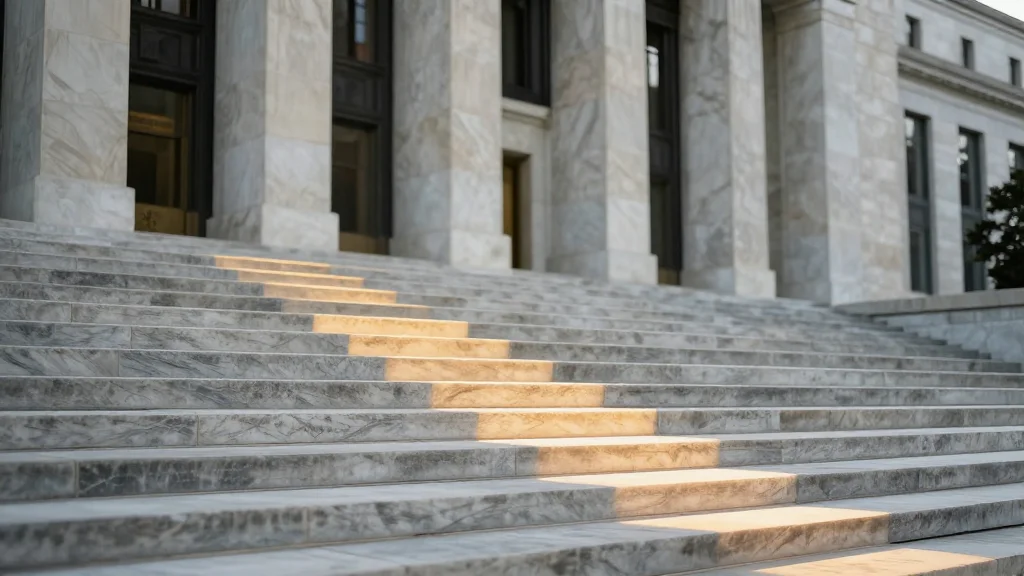
Looking Back at Jerome Powell's 8-Year Term as Federal Reserve Chair
Why It Matters
Powell’s continued presence helps preserve institutional credibility during a politically fraught transition, while the Fed’s policy stance on inflation will shape borrowing costs and growth for the U.S. economy.
Key Takeaways
- •Powell ends 8-year chairmanship, remains Fed governor.
- •Pandemic response cut rates to zero, paired with $6 trillion fiscal aid.
- •Inflation surged above 2% target, remains key challenge for new chair.
- •Political attacks tested Fed independence, credibility remains paramount.
- •Kevin Warsh expected to maintain consensus-driven policy.
Pulse Analysis
Jerome Powell’s eight‑year chairmanship has been defined by an unprecedented blend of crisis management and policy innovation. When COVID‑19 hit, the Fed slashed the federal funds rate to near‑zero and coordinated with Congress on an estimated $6 trillion fiscal package that buoyed consumer spending and accelerated the labor market’s rebound. However, the same stimulus fed price pressures, pushing inflation well above the Fed’s 2 % target and setting the stage for a delicate unwinding of accommodative policy. Powell’s willingness to act decisively, while maintaining a consensus‑oriented approach on the Federal Open Market Committee, earned him praise from insiders for stabilizing the economy during its most turbulent period in decades.
The political environment added another layer of complexity. Former President Donald Trump’s public assaults—ranging from personal insults to attempts at influencing appointments—tested the Fed’s statutory independence. Harker emphasized that credibility is the “coin of the realm” for the central bank; any erosion could impair its ability to anchor inflation expectations. Powell’s decision to remain on the Board as a governor signals a commitment to continuity and to shielding the institution from partisan pressures as the next chair assumes office.
Looking ahead, the Fed’s foremost challenge is taming inflation while avoiding a hard landing for growth. Incoming chair Kevin Warsh, a career Fed insider, is expected to preserve the consensus‑driven framework that has characterized recent policy cycles. Market participants will watch closely for signals on rate trajectory, balance‑sheet normalization, and the Fed’s response to lingering supply‑chain disruptions tied to geopolitical tensions. A steady hand at the helm will be crucial for maintaining investor confidence and ensuring that monetary policy supports a sustainable economic expansion.
Looking back at Jerome Powell's 8-year term as Federal Reserve Chair
Comments
Want to join the conversation?
Loading comments...