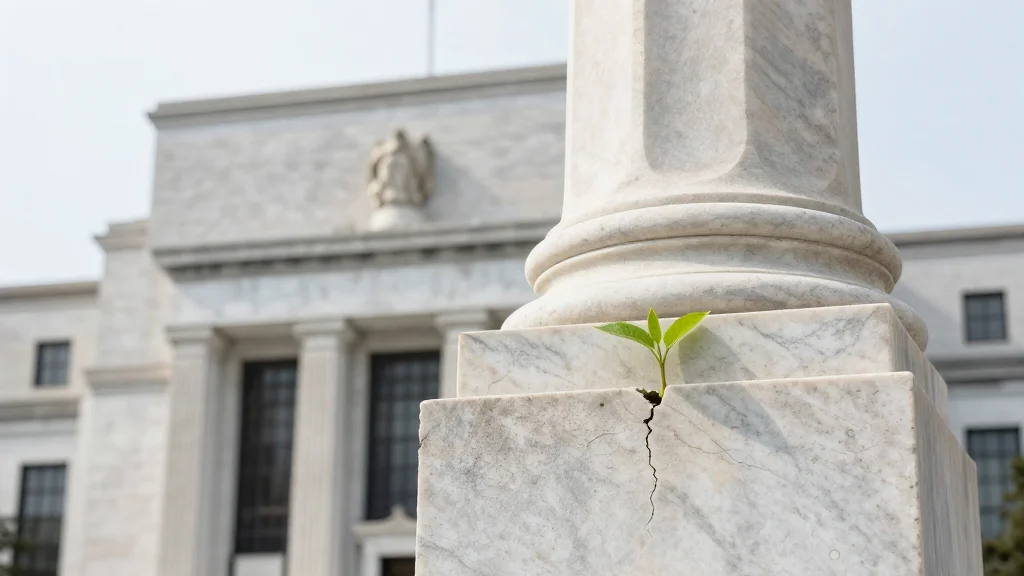
Powell’s Legacy as Fed Chair Is Fighting Inflation and Trump. He May Lose the Battle Against Both.
Why It Matters
Powell’s policy choices shaped the cost of borrowing for businesses and consumers, while his defense of Fed independence set a precedent for future monetary governance amid rising political interference.
Key Takeaways
- •Powell raised rates 525 basis points since 2021.
- •Inflation fell from 7.1% to 2.3% by 2025.
- •Trump allies pushed legislation to curb Fed autonomy.
- •Markets anticipate first rate cut in Q3 2026.
- •Powell’s departure could alter future central‑bank independence.
Pulse Analysis
Jerome Powell inherited an economy reeling from pandemic‑induced supply shocks and a historic rise in consumer prices. By mid‑2024, the Federal Reserve had tightened monetary policy aggressively, adding roughly 5.25 percentage points to the federal funds rate—the steepest tightening in three decades. This decisive action, combined with a resilient labor market, drove headline inflation from a 2021 peak of 7.1% down to 2.3% by early 2025, restoring confidence that the 2% target was achievable.
The success in lowering inflation, however, came at a cost. Higher borrowing rates strained corporate balance sheets and slowed housing activity, prompting markets and policymakers to debate the timing of the first rate cut. By mid‑2026, most analysts projected a modest easing in the third quarter, betting that the economy could absorb lower rates without reigniting price pressures. Simultaneously, Powell faced a coordinated political offensive led by former President Trump and congressional allies seeking to impose statutory limits on the Fed’s independence, arguing that monetary policy should be more directly accountable to elected officials.
Powell’s legacy will ultimately hinge on whether the Fed can preserve its autonomy while delivering price stability. If the upcoming legislative push succeeds, future chairs may find their toolkit constrained, potentially eroding the credibility built over decades. Conversely, a smooth transition to a new chair who maintains policy continuity could reinforce the principle that central banks operate best free from partisan influence, shaping the broader narrative of U.S. economic governance for years to come.
Powell’s legacy as Fed chair is fighting inflation and Trump. He may lose the battle against both.
Comments
Want to join the conversation?
Loading comments...