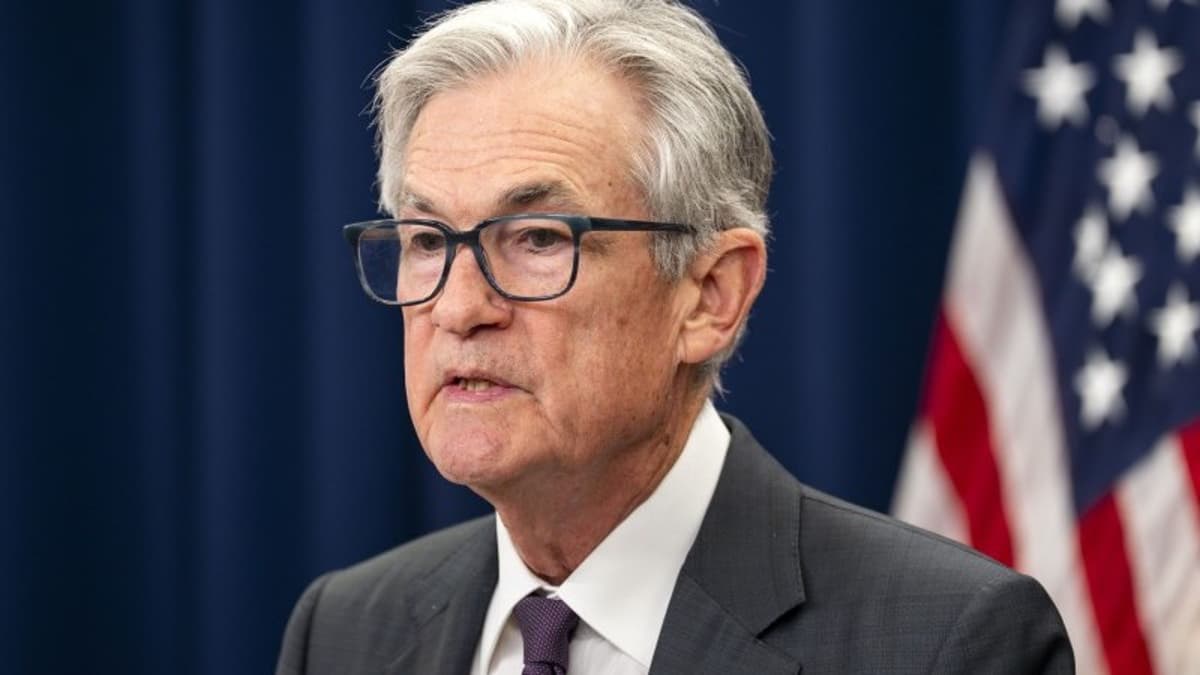
Rates Spark: It’s Jay’s Day
Why It Matters
Fed balance‑sheet tweaks directly influence U.S. liquidity and Treasury yields, while the ECB’s inflation‑driven rate outlook shapes euro‑zone financing costs and global market sentiment.
Key Takeaways
- •Fed's T‑bill holdings rose to $425 bn, easing repo pressure
- •Monthly T‑bill purchases cut from $40 bn to $25 bn
- •Kevin Warsh may accelerate $2 tn MBS runoff, pressuring yields
- •ECB's 1‑yr inflation expectations hit 4%, highest since Oct 2023
- •Markets price a third ECB hike, lifting year‑end forward rates
Pulse Analysis
The Federal Reserve’s recent balance‑sheet maneuver reflects a nuanced approach to liquidity management. After restarting its Treasury‑bill buying program in December, the Fed’s holdings surged to $425 bn, bolstering bank reserves that had slipped below $3 tn. By reducing the monthly purchase pace to $25 bn, the New York Fed signalled that repo strains have eased, yet the move also offers the chair an opportunity to address questions about the central bank’s comfort level with market liquidity.
A second layer of market sensitivity revolves around the prospective leadership of Kevin Warsh, whose stated goal is to shrink the Fed’s $2 tn mortgage‑backed‑security portfolio. At the current runoff rate of $10‑15 bn per month, any acceleration—whether through faster maturities or outright sales—could exert upward pressure on longer‑term Treasury yields. While the Fed has not outlined a concrete acceleration plan, investors are closely watching for signals, as a steeper yield curve would affect borrowing costs across the economy and reshape fixed‑income strategies.
Across the Atlantic, the European Central Bank grapples with rising inflation expectations amid volatile energy markets. The ECB’s consumer survey showed one‑year expectations climbing to 4% and three‑year expectations near 3%, prompting market participants to price in a third rate hike for 2026. This added tightening pressure, combined with resilient risk sentiment, keeps the short end of the euro‑zone yield curve dominant. As geopolitical tensions persist, the ECB’s communication strategy will be pivotal in anchoring expectations and maintaining credibility, influencing both euro‑denominated assets and global capital flows.
Rates Spark: It’s Jay’s day
Comments
Want to join the conversation?
Loading comments...