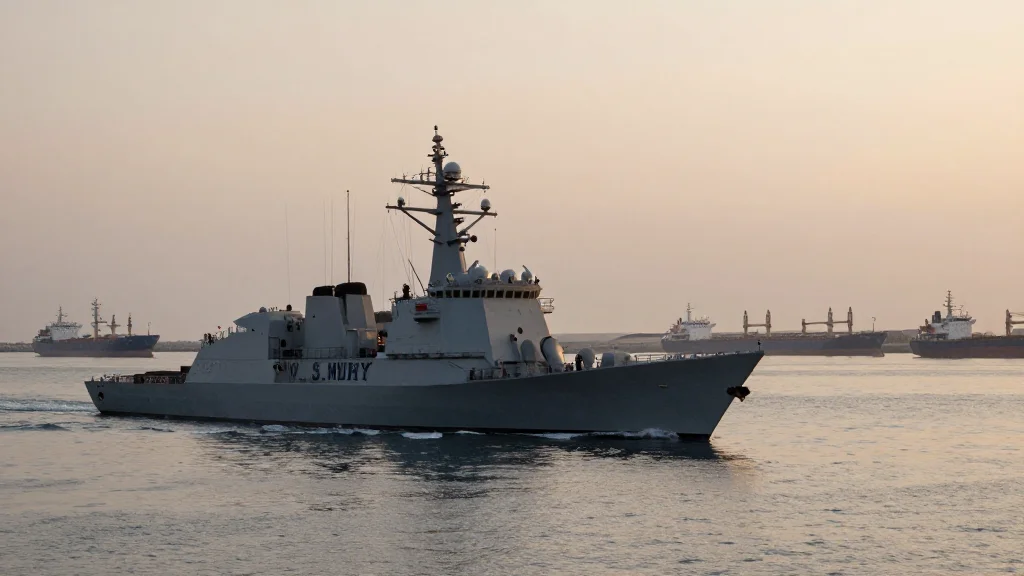
US CENTCOM Says Blockade of Iranian Ports Halts 90% of Sea Trade

Companies Mentioned
Why It Matters
The blockade directly targets a critical artery of global energy supply, meaning any disruption can ripple through U.S. inflation metrics, especially at the pump. A sustained choke point could also force refiners to source more expensive crude elsewhere, widening trade deficits. Moreover, the move underscores how geopolitical tools are being wielded to influence macro‑economic outcomes, signaling a shift in how the United States may leverage military power to shape market conditions. Beyond immediate price effects, the blockade tests the resilience of global shipping routes and the capacity of the U.S. Navy to enforce maritime law in contested waters. A prolonged operation could compel oil‑importing nations to diversify supply chains, potentially reshaping long‑term energy trade patterns and affecting U.S. strategic interests in the Middle East.
Key Takeaways
- •CENTCOM says blockade halted 90% of Iran's sea trade within 36 hours
- •More than 10,000 U.S. personnel, over a dozen warships, and dozens of aircraft deployed
- •Trump warned any ship near the blockade would be "immediately eliminated"
- •Kpler tracking shows at least three vessels may have crossed the Strait despite the blockade
- •Strait of Hormuz carries ~20% of world oil, raising concerns for U.S. inflation and trade balances
Pulse Analysis
The rapid implementation of the Iranian port blockade illustrates a new chapter in U.S. economic statecraft: using kinetic force to influence commodity markets. Historically, sanctions have been the primary lever, but a physical maritime interdiction carries immediate, visible effects on supply chains. By targeting the Strait of Hormuz—a chokepoint that moves roughly 20 % of global oil—the United States can exert pressure on oil prices faster than diplomatic negotiations typically allow. This could translate into higher gasoline prices at the pump within weeks, feeding into the Consumer Price Index and potentially prompting the Federal Reserve to reassess its inflation outlook.
However, the efficacy of the blockade hinges on enforcement credibility. Discrepancies between official statements and independent ship‑tracking data erode confidence in the operation’s totality. If vessels continue to slip through, the blockade may become a symbolic gesture rather than a decisive economic weapon. Moreover, the risk of escalation with Iran—and by extension, its regional allies—could destabilize the broader Middle East energy market, prompting a flight to alternative suppliers and further price volatility.
Looking ahead, the blockade’s durability will likely be tied to diplomatic progress. Should talks resume and a cease‑fire be negotiated, the U.S. may use the blockade as a bargaining chip, offering a phased lift in exchange for concessions on Iran’s nuclear program or regional behavior. Conversely, a protracted standoff could force global shippers to reroute around the Arabian Sea, increasing shipping costs and reshaping trade routes for years to come. The economic stakes for the United States are clear: a successful blockade could pressure Tehran while also feeding domestic inflation, whereas a failed one could undermine U.S. credibility and destabilize markets.
US CENTCOM Says Blockade of Iranian Ports Halts 90% of Sea Trade
Comments
Want to join the conversation?
Loading comments...