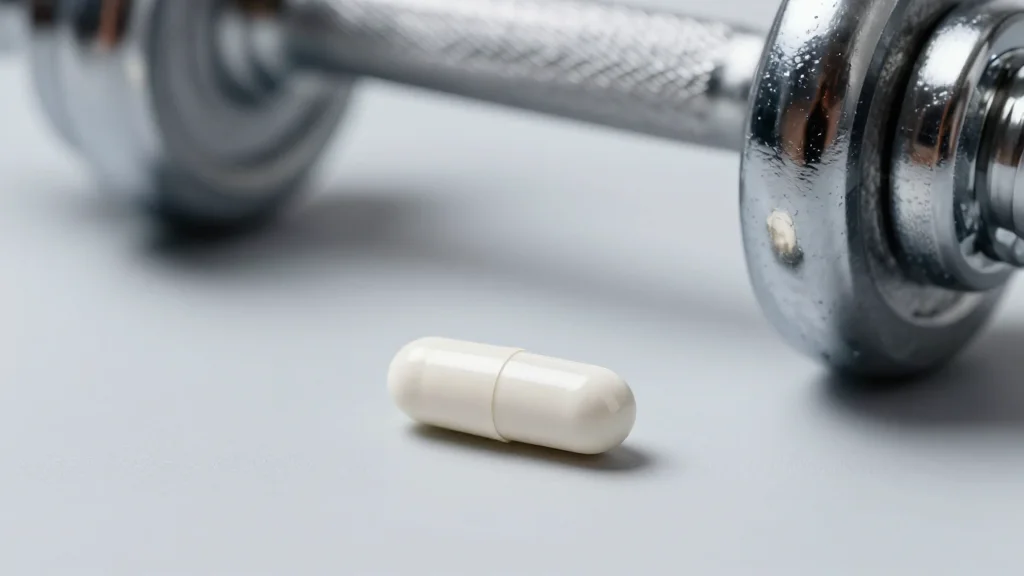
Clinical Trial Finds Rapamycin Undermines Exercise Gains in Older Adults

Why It Matters
The study challenges a core premise of the biohacking community—that pharmacological agents can replace or amplify traditional health practices. By demonstrating that rapamycin can negate the adaptive benefits of exercise, the research forces a reevaluation of how anti‑aging compounds are marketed and used. For investors, clinicians, and consumers, the findings highlight the need for rigorous human trials before scaling up off‑label use of longevity drugs. Beyond individual health, the results could influence policy discussions around supplement regulation and the ethical promotion of unproven anti‑aging therapies. If rapamycin’s drawbacks become widely recognized, we may see tighter oversight and a shift toward evidence‑based interventions that combine lifestyle and pharmacology responsibly.
Key Takeaways
- •13‑week randomized trial of 40 sedentary older adults in New Zealand
- •Rapamycin group showed weaker strength, more fatigue and a serious infection
- •Exercise stimulates mTOR; rapamycin suppresses the same pathway
- •Findings contradict the biohacking narrative that rapamycin enhances performance
- •Study published in the Journal of Cachexia, Sarcopenia and Muscle
Pulse Analysis
The rapamycin‑exercise trial arrives at a moment when the longevity market is saturated with hype‑driven products promising to extend life without lifestyle change. Historically, anti‑aging research has oscillated between pharmacological breakthroughs and the reaffirmation of classic interventions like diet and exercise. This new evidence tilts the pendulum back toward the latter, suggesting that the market may need to recalibrate its valuation models for mTOR inhibitors.
From an investment perspective, the data inject uncertainty into pipelines that rely on rapamycin analogues (rapalogs) for both age‑related disease treatment and performance enhancement. Funds that have backed companies such as Unity Biotechnology or Alkahest may now demand more granular endpoints—beyond lifespan extension—to justify continued capital infusion. Meanwhile, consumer‑facing brands that sell rapamycin kits or subscription services could face backlash if adverse outcomes become publicized, prompting a potential shift toward hybrid approaches that pair low‑dose rapamycin with structured exercise programs designed to mitigate mTOR suppression.
Looking forward, the key question is whether future trials can identify a therapeutic window where rapamycin’s autophagy‑inducing benefits are retained without compromising muscle adaptation. If researchers can decouple these pathways, a new class of selective mTOR modulators could emerge, preserving the drug’s longevity appeal while satisfying the performance expectations of biohackers. Until such data materialize, the prudent strategy for both investors and end‑users is to prioritize evidence‑based lifestyle interventions and treat rapamycin as an experimental adjunct rather than a standalone anti‑aging solution.
Clinical Trial Finds Rapamycin Undermines Exercise Gains in Older Adults
Comments
Want to join the conversation?
Loading comments...