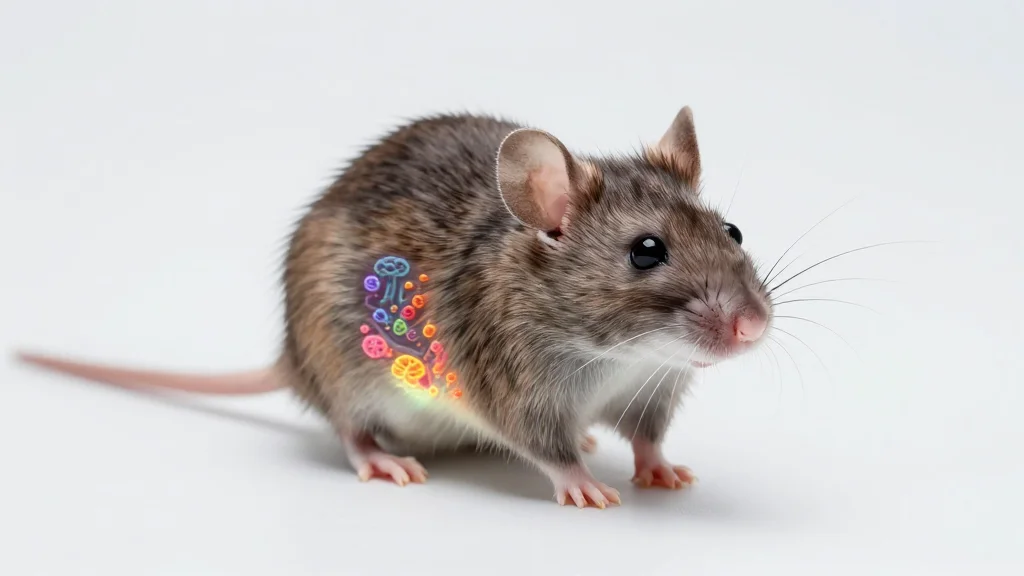
Gut Microbiome Reset Stops Liver Cancer in Aging Mice

Why It Matters
The study provides concrete evidence that the gut microbiome is not merely a passive indicator of aging but an active driver of organ‑specific disease. By demonstrating that a targeted microbiome reset can erase early tumor formation, the work bridges two fast‑growing fields—microbiome therapeutics and anti‑aging biohacking—offering a tangible pathway to intervene before disease manifests. For the broader biohacking community, the findings validate a shift from supplement‑based gut health hacks toward clinically grounded microbial reprogramming. If human trials confirm these effects, microbiome restoration could become a preventive modality comparable to vaccines, reshaping how clinicians and consumers approach age‑related cancers. The potential to combine FMT with existing longevity interventions could accelerate the development of comprehensive health‑span extension protocols, influencing investment, regulatory frameworks, and public perception of biohacking as a legitimate medical frontier.
Key Takeaways
- •Personalized fecal microbiota transplantation prevented liver cancer in 0 of 8 treated aged mice, versus 2 of 8 in controls.
- •Treated mice showed reduced inflammation, fibrosis, and mitochondrial decline, matching youthful molecular signatures.
- •MDM2 protein levels, a liver cancer marker, dropped to young‑mouse levels after microbiome reset.
- •Study presented at Digestive Disease Week 2026; researchers aim for first‑in‑human trials within a few years.
- •Findings suggest gut microbiome engineering could become a core component of anti‑aging and cancer‑prevention strategies.
Pulse Analysis
The University of Texas study arrives at a moment when the biohacking ecosystem is saturated with claims about gut health, yet few have solid preclinical data linking microbiome manipulation to disease outcomes. By using each mouse’s own stored microbiome, the researchers sidestepped the immunogenicity concerns that have hampered earlier FMT attempts, delivering a cleaner signal that the microbial community itself can modulate oncogenic pathways. This methodological rigor elevates the work from anecdotal to actionable, giving venture capitalists and biotech startups a clearer target: isolate the bacterial consortia responsible for MDM2 suppression and replicate them in a scalable, GMP‑compliant product.
Historically, anti‑aging research has focused on cellular senescence, telomere attrition, and metabolic pathways. The gut‑liver axis, however, has been underexplored despite its known role in systemic inflammation. This study reframes the microbiome as a lever that can simultaneously address multiple hallmarks of aging, potentially offering a single intervention with broad therapeutic reach. If human trials validate the mouse data, we could see a new class of “micro‑rejuvenation” therapies entering the market, prompting regulatory bodies to develop specific guidelines for microbiome‑based anti‑aging products.
Looking ahead, the key challenge will be translating a personalized, autologous approach into a feasible clinical model. The logistics of collecting, storing, and re‑administering a patient’s own microbiota are non‑trivial, especially at scale. Hybrid strategies—using defined microbial cocktails derived from the protective signatures identified in this study—may bridge the gap between bespoke therapy and mass adoption. For biohackers, the message is clear: the era of DIY probiotic blends may give way to clinically validated, precision‑engineered microbiome interventions that can truly alter the trajectory of age‑related disease.
Gut Microbiome Reset Stops Liver Cancer in Aging Mice
Comments
Want to join the conversation?
Loading comments...