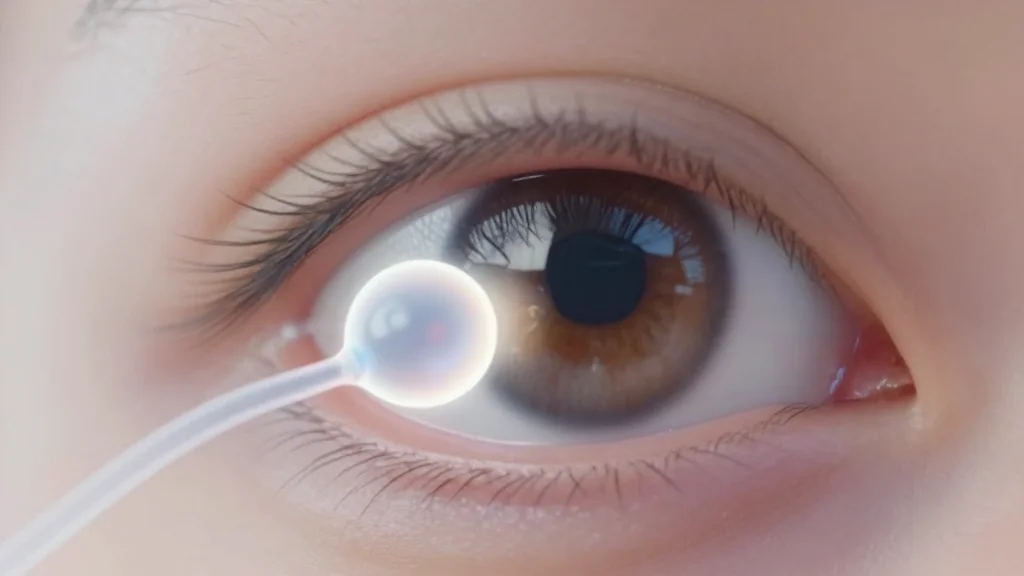
MitoCatch Boosts Mitochondrial Transplants, Offering New Hope for LHON Therapy

Why It Matters
MitoCatch tackles a core obstacle in mitochondrial medicine: delivering functional organelles to the right cells without triggering adverse immune reactions. By demonstrating a scalable, protein‑mediated targeting mechanism, the study provides a blueprint for precision biohacking approaches that could extend beyond rare genetic disorders to common age‑related conditions. If the technology proves safe in humans, it could catalyze a new wave of organelle‑based therapeutics, reshaping how researchers and commercial biohackers address cellular energy deficits. Beyond therapeutic applications, the platform may accelerate basic research into mitochondrial dynamics by allowing scientists to manipulate organelle distribution in vivo with unprecedented control. This could deepen our understanding of how mitochondria influence metabolism, signaling, and aging, informing both drug development and DIY bio‑enhancement strategies.
Key Takeaways
- •MitoCatch uses engineered protein binders to target mitochondria to LHON neurons
- •In mouse models, mitochondrial uptake rose 45% and neuronal survival improved 30%
- •The system retains full respiratory function of transplanted mitochondria
- •Authors disclose advisory and consulting roles, indicating commercial interest
- •Phase I clinical trial for LHON patients planned, with regulatory scrutiny expected
Pulse Analysis
The emergence of MitoCatch signals a shift from blunt‑force organelle delivery toward a more surgical approach, echoing trends seen in gene‑editing where precision is paramount. Historically, mitochondrial transplantation suffered from low efficiency and unpredictable biodistribution, limiting its clinical traction. By borrowing concepts from antibody‑drug conjugates—using a binding domain to home in on a target—researchers have effectively turned mitochondria into addressable cargo. This convergence of protein engineering and organelle therapy could lower the barrier for startups aiming to commercialize mitochondrial rejuvenation kits, a segment that has previously been dominated by academic labs.
From a market perspective, the technology aligns with the growing $10 billion anti‑aging sector, where investors are eager for interventions that address the root causes of cellular decline. MitoCatch’s modularity means it could be repurposed for metabolic diseases, neurodegeneration, and even performance‑enhancement niches that attract biohackers. However, the path to commercialization will be littered with challenges: scaling binder‑mitochondria conjugation, ensuring batch‑to‑batch consistency, and navigating a regulatory landscape that has yet to define standards for organelle‑based products. Companies that can solve these manufacturing puzzles early may secure a first‑mover advantage.
Looking ahead, the success of MitoCatch could inspire a broader ecosystem of organelle‑targeting platforms—potentially extending to peroxisomes, lysosomes, or even synthetic nanomachines. The key will be demonstrating not just short‑term functional rescue but durable, safe integration in human patients. If the upcoming Phase I trial confirms safety and efficacy, we may witness the birth of a new therapeutic class that blurs the line between biohacking and mainstream medicine, reshaping how we think about cellular repair.
MitoCatch Boosts Mitochondrial Transplants, Offering New Hope for LHON Therapy
Comments
Want to join the conversation?
Loading comments...