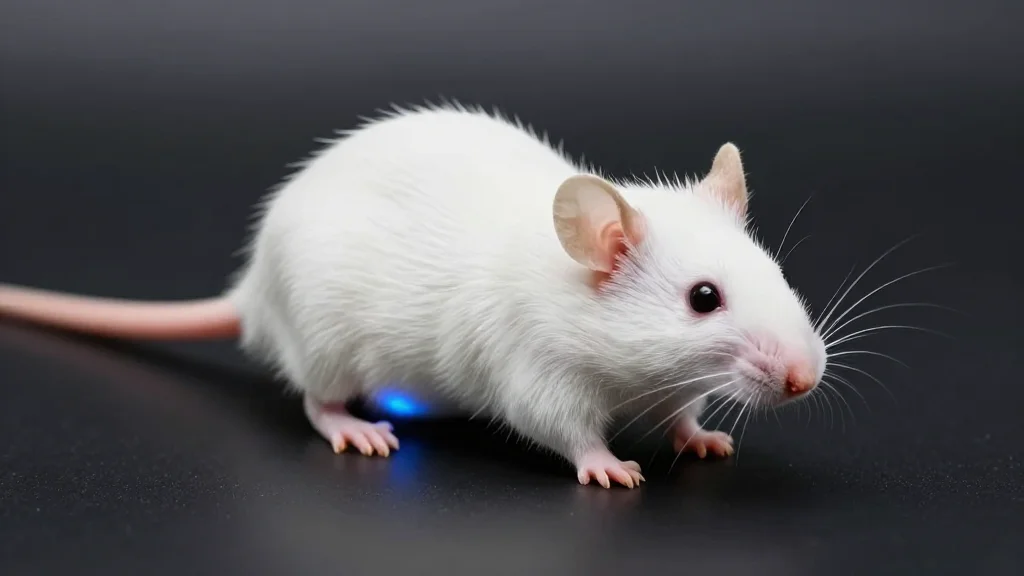
MRNA Liver Therapy Reverses Immune Aging in Mice, Study Shows

Why It Matters
Immune aging is a leading cause of morbidity in the elderly, contributing to higher infection rates, poorer vaccine efficacy, and reduced success of cancer immunotherapies. A method that can safely and temporarily restore thymic function could shift the paradigm from chronic immunosuppression to proactive immune rejuvenation. For the biohacking community, the ability to modulate a core aging pathway with a single, reversible injection offers a tangible tool to extend functional lifespan. Beyond individual health, widespread adoption of such a therapy could alleviate public health burdens associated with seasonal epidemics and age‑related cancers. By improving vaccine responsiveness in older populations, the approach may reduce hospitalizations and associated costs, while also enhancing the therapeutic window for checkpoint inhibitors, which currently show diminished efficacy in aged patients.
Key Takeaways
- •Liver‑targeted LNPs deliver mRNAs for DLL1, FLT3L and IL‑7 to aged mice
- •Treatment expands bone‑marrow lymphoid progenitors and naïve T‑cell pools
- •Vaccination efficacy improves and anti‑PD‑L1 therapy shows synergistic tumor control
- •No autoimmunity observed; immune activation is transient and self‑limiting
- •Next steps include primate studies and early‑phase human safety trials
Pulse Analysis
The study marks a convergence of two rapidly advancing fields: mRNA therapeutics and immune rejuvenation. While mRNA vaccines have demonstrated that large‑scale LNP delivery can be both safe and effective, applying the same technology to modulate endogenous signaling pathways is a novel twist that could unlock a suite of age‑targeted interventions. Historically, attempts to boost thymic output relied on protein cytokines, which suffered from short half‑lives and systemic toxicity. By encoding the factors directly in hepatocytes, the approach sidesteps these limitations and leverages the liver’s natural protein‑secretion capacity.
From a market perspective, the data could catalyze a wave of investment into “immune‑reset” biohacking products. Venture capital has already shown appetite for mRNA platforms beyond vaccines, and a clear pre‑clinical proof‑of‑concept may accelerate funding for startups aiming to commercialize age‑reversal therapies. However, translation to humans will face hurdles: the human thymus involutes more dramatically than in mice, and the biodistribution of LNPs in older adults may differ due to altered liver physiology. Regulatory scrutiny will focus on the risk‑benefit balance of transient immune activation versus potential off‑target effects.
If the forthcoming primate and human studies confirm safety and efficacy, the technology could become a modular platform—allowing biohackers and clinicians to swap in different mRNA cocktails to address a range of age‑related declines. This modularity aligns with the DIY biohacking culture, where users experiment with personalized regimens. Nonetheless, responsible deployment will require robust monitoring frameworks to prevent misuse and ensure that the promise of immune rejuvenation does not outpace the evidence base.
mRNA Liver Therapy Reverses Immune Aging in Mice, Study Shows
Comments
Want to join the conversation?
Loading comments...