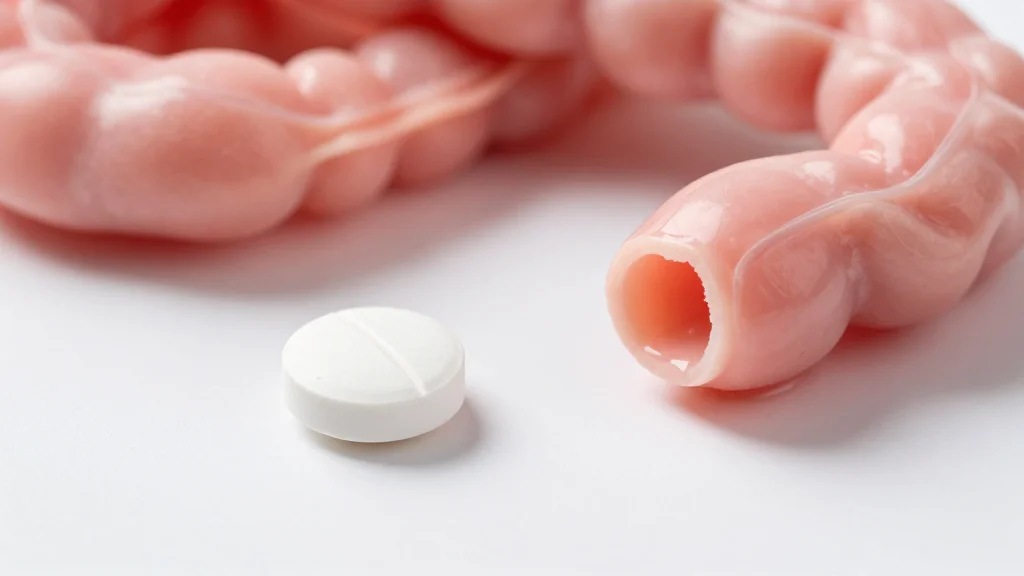
New Study Shows Metformin Targets Gut, Shifting Anti‑Aging Narrative

Why It Matters
Understanding that metformin acts primarily in the gut reframes its role in metabolic health and longevity. For biohackers, this insight could lead to more targeted dosing strategies, novel gut‑focused formulations, and a clearer rationale for combining metformin with other interventions like pre‑biotics or berberine. It also highlights the importance of the intestinal microbiome and mitochondrial function as leverage points for extending healthspan. If future human trials confirm the gut mechanism, pharmaceutical pipelines may shift toward gut‑restricted analogs, potentially offering the benefits of metformin with fewer gastrointestinal side effects. The discovery underscores how revisiting established drugs can unlock new therapeutic pathways, a core principle of the biohacking ethos.
Key Takeaways
- •Northwestern study published in *Nature Metabolism* shows metformin primarily targets intestinal cells.
- •Metformin reduces mitochondrial activity in gut epithelium, increasing glucose uptake from blood.
- •Quote: “Metformin essentially helps the intestine suck the glucose out of the bloodstream,” – Navdeep Chandel.
- •Lead author Zach Sebo says revisiting assumptions may deepen mechanistic understanding.
- •Findings suggest gut‑focused dosing or new gut‑restricted drugs could enhance longevity strategies.
Pulse Analysis
The gut‑centric model of metformin overturns a 60‑year narrative that placed the liver at the center of its glucose‑lowering action. This paradigm shift is more than academic; it aligns with a broader biohacking trend that seeks to modulate metabolic pathways at the tissue level rather than through systemic exposure. By anchoring metformin’s effect to intestinal mitochondria, the study provides a mechanistic bridge between the drug’s well‑documented metabolic benefits and its emerging reputation as an anti‑aging agent.
Historically, the longevity community has gravitated toward metformin because of epidemiological data linking its use to reduced age‑related disease incidence. The new mechanism suggests that the drug’s pleiotropic effects—improved insulin sensitivity, reduced inflammation, and altered microbiome composition—may all stem from a single gut‑based node. This could explain why metformin’s impact appears more pronounced in individuals with dysregulated gut health, a factor often overlooked in clinical trials.
Looking ahead, the biohacking market is likely to respond with a wave of gut‑targeted formulations, such as delayed‑release tablets or encapsulated powders designed to release metformin in the distal intestine. Companies may also explore synergistic combos with pre‑biotics, probiotics, or berberine to amplify the intestinal glucose sink. However, the path from mouse models to human application is fraught with variability; human gut physiology, microbiome diversity, and dosing tolerability will dictate whether the gut hypothesis translates into actionable protocols. Until robust clinical data emerge, the prudent approach for biohackers is to monitor ongoing trials while maintaining evidence‑based dosing practices.
New Study Shows Metformin Targets Gut, Shifting Anti‑Aging Narrative
Comments
Want to join the conversation?
Loading comments...