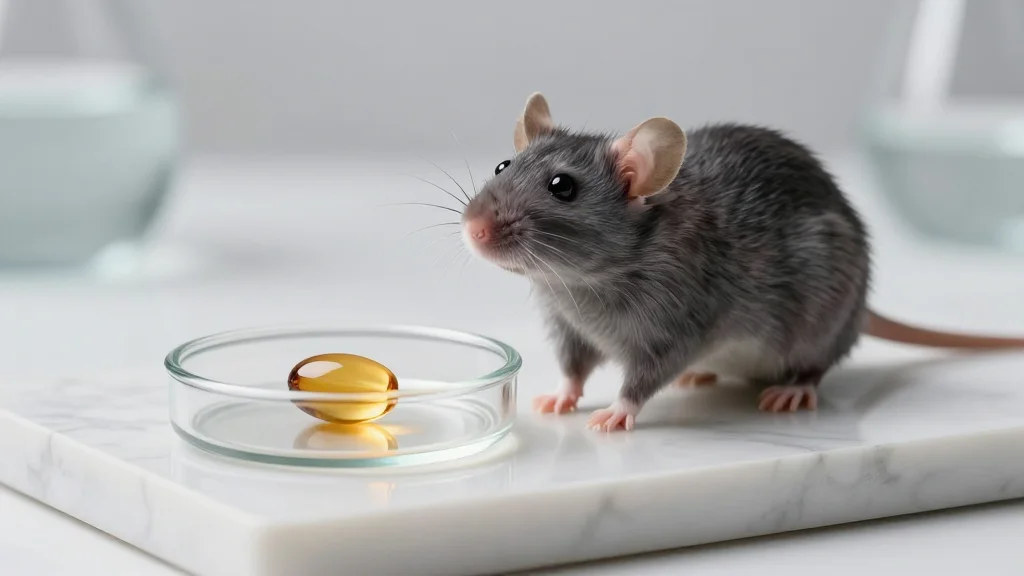
SRN‑901 Extends Mouse Lifespan by 33% in Preclinical Trial, Raising Longevity Hopes

Why It Matters
The SRN‑901 findings represent a tangible step toward clinically actionable anti‑aging therapies, moving beyond the speculative realm of supplements that dominate the biohacking community. By demonstrating a statistically significant lifespan extension in a realistic animal model, the study provides a benchmark for future geroprotectors and validates the use of AI‑driven multi‑omics in drug discovery. If human trials confirm safety and efficacy, the compound could catalyze a shift toward prescription‑grade longevity interventions, reshaping both the market and the ethical discourse around life extension. Moreover, the reduction in tumor incidence addresses a long‑standing safety concern that has limited the adoption of many anti‑aging candidates. A drug that simultaneously extends life, improves physical appearance, and lowers cancer risk could attract a broader demographic, from elite biohackers to mainstream consumers, potentially unlocking new investment streams and accelerating regulatory frameworks for geroprotective medicines.
Key Takeaways
- •SRN‑901 extended median remaining lifespan by 33% in naturally aging mice
- •Tumor incidence fell by 30% and visible aging markers slowed by 70%
- •AI‑driven multi‑omics platform identified key pathways for a multi‑target approach
- •Performance surpassed rapamycin, NMN and NR in direct comparisons
- •Human Phase I trials are planned for later 2026, marking the next regulatory step
Pulse Analysis
The SRN‑901 data arrive at a moment when the longevity sector is fragmented between DIY supplement users and pharmaceutical firms racing to legitimize anti‑aging interventions. Historically, rapamycin has been the gold standard for lifespan extension in rodents, but its side‑effect profile and dosing complexity have limited its appeal to the broader biohacking audience. SRN‑901’s oral delivery and multi‑pathway design could bridge that gap, offering a more user‑friendly and potentially safer alternative.
From a market perspective, the involvement of SinoGen—a company with deep ties to both Chinese and U.S. research institutions—signals a trans‑Pacific collaboration that could accelerate funding and regulatory navigation. The AI‑centric discovery pipeline also hints at a new competitive frontier: firms that can integrate large‑scale omics data with machine learning may outpace traditional target‑centric R&D, compressing timelines and reducing costs. This could intensify competition among biotech startups and established pharma players seeking a foothold in the anti‑aging space.
Looking ahead, the critical question is whether the preclinical promise translates into human benefit without unforeseen adverse effects. The upcoming Phase I trial will be a litmus test for the safety of multi‑target modulation in humans. Success could unlock a wave of clinical programs targeting the same network of pathways, potentially standardizing a new class of geroprotectors. Conversely, any safety setbacks could reinforce skepticism around AI‑designed therapeutics, slowing investment. Either outcome will shape the strategic decisions of biohackers, investors, and regulators as they navigate the evolving landscape of longevity science.
SRN‑901 Extends Mouse Lifespan by 33% in Preclinical Trial, Raising Longevity Hopes
Comments
Want to join the conversation?
Loading comments...