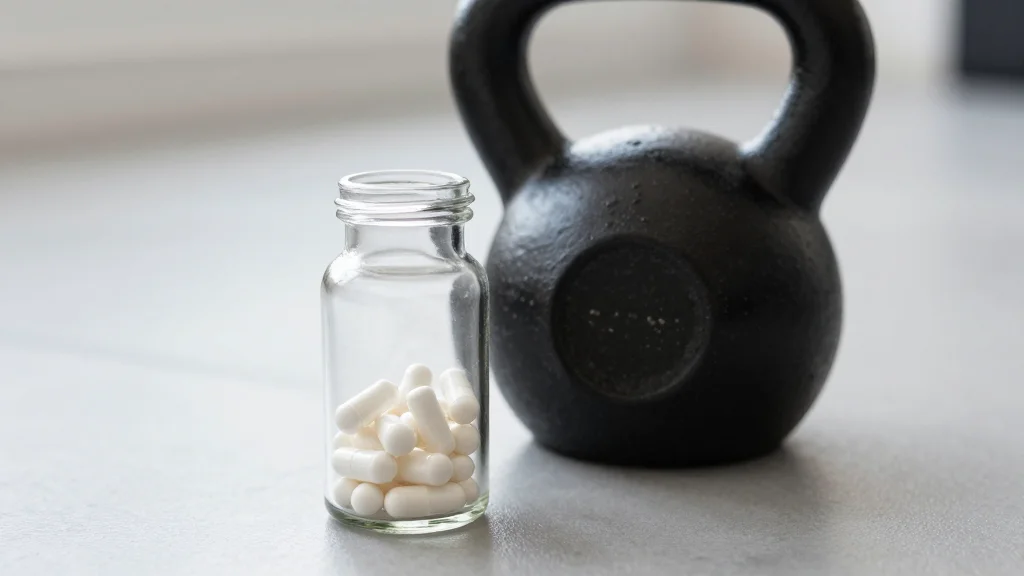
Study Finds Rapamycin May Undermine Exercise Benefits

Why It Matters
The interaction between rapamycin and exercise strikes at the core of biohacking philosophy, which seeks to combine pharmacology with lifestyle interventions for maximal health gains. If rapamycin indeed dampens exercise‑induced adaptations, biohackers may need to rethink dosing schedules, prioritize certain outcomes, or seek alternative compounds. Moreover, the study highlights a broader scientific principle: interventions that extend lifespan in isolation may not translate seamlessly when layered with other health practices. Beyond individual users, the finding could influence clinical research agendas, prompting investigators to explore combination therapies that respect both longevity pathways and metabolic health. As the anti‑aging market expands, regulators and healthcare providers will also need clearer guidance on the safety of concurrent drug‑exercise regimens.
Key Takeaways
- •Lifespan Research Institute study suggests rapamycin reduces exercise‑induced muscle and metabolic gains.
- •Exercise is a proven pro‑longevity intervention, while rapamycin is the leading small‑molecule longevity drug in animal studies.
- •The research reveals an intrinsic tug‑of‑war between rapamycin’s cellular effects and exercise signaling pathways.
- •Biohackers face a trade‑off between potential lifespan extension and short‑term performance benefits.
- •Human trials are planned for later 2026 to determine optimal dosing and timing strategies.
Pulse Analysis
The rapamycin‑exercise paradox reflects a recurring theme in longevity science: interventions that succeed in isolation can clash when combined. Historically, calorie restriction—a cornerstone of many anti‑aging protocols—has been shown to blunt the benefits of resistance training, prompting researchers to develop intermittent or moderate approaches. Rapamycin appears to be following a similar trajectory, where its mTOR‑inhibiting action, while beneficial for cellular maintenance, may suppress the anabolic signaling that exercise relies on.
From a market perspective, the finding could temper the rapid adoption of rapamycin among DIY biohackers, many of whom have embraced the drug based on animal data and anecdotal reports. Companies that sell rapamycin formulations may need to adjust their messaging, emphasizing responsible use and the importance of timing relative to workouts. Conversely, the data opens a niche for adjunctive compounds that could offset the blunted response—perhaps agents that selectively activate downstream pathways without triggering the same longevity mechanisms.
Looking ahead, the upcoming human trials will be pivotal. If researchers can identify a dosing window that preserves exercise benefits, rapamycin could retain its appeal as a cornerstone of the biohacker toolkit. If not, the community may shift toward alternative mTOR modulators or focus on non‑pharmacological longevity strategies. Either outcome will reshape how the biohacking ecosystem balances the dual goals of extending lifespan and enhancing day‑to‑day performance.
Study Finds Rapamycin May Undermine Exercise Benefits
Comments
Want to join the conversation?
Loading comments...