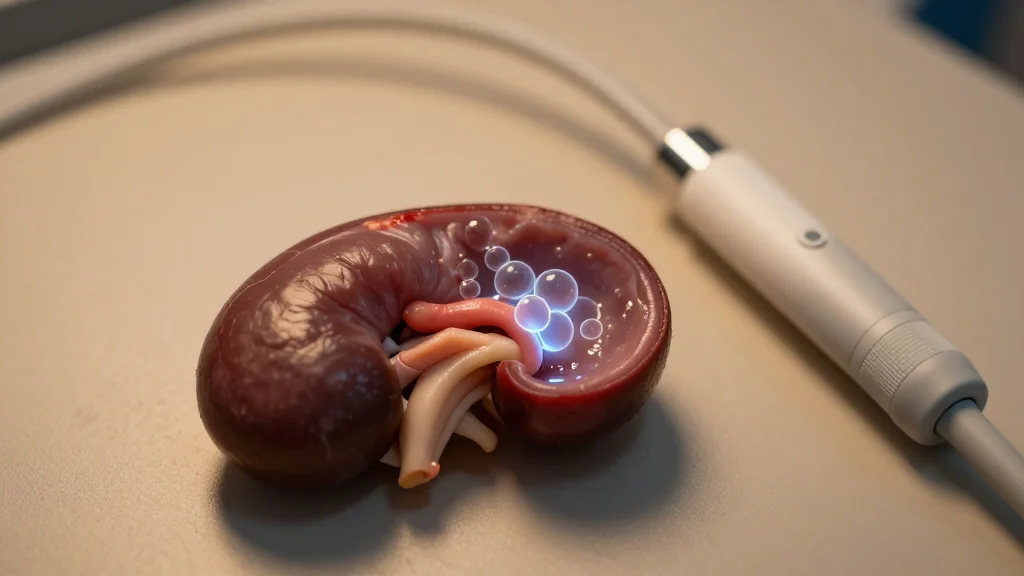
Targeted Microbubble Therapy Cuts Kidney Damage in Rat Model of Chemotherapy‑Induced AKI

Why It Matters
Kidney injury remains a leading cause of morbidity in patients receiving chemotherapy, and current protective strategies are largely supportive. A technology that delivers anti‑inflammatory drugs directly to inflamed renal tissue could reduce dose‑limiting toxicity, enabling more aggressive cancer treatment and improving survivorship. For the biohacking community, the ability to protect kidneys from environmental or pharmacologic stressors dovetails with broader goals of organ preservation and lifespan extension. Beyond oncology, the microbubble‑ultrasound platform could be repurposed for other inflammatory organ injuries, such as ischemia‑reperfusion damage after surgery or acute lung injury. Demonstrating efficacy in a well‑characterized AKI model lays groundwork for cross‑organ applications, potentially reshaping how biohackers approach systemic resilience.
Key Takeaways
- •E‑selectin‑targeted microbubbles combined with ultrasound lowered serum creatinine in cisplatin‑injured rats
- •Targeted delivery increased local methylprednisolone concentration while reducing systemic exposure
- •Histology showed reduced inflammatory infiltration and preserved tubular structure
- •Platform leverages existing ultrasound imaging technology, easing translational hurdles
- •Potential to enable safer high‑dose chemotherapy and support longevity‑focused organ‑preservation protocols
Pulse Analysis
The microbubble‑ultrasound approach represents a convergence of diagnostic imaging and therapeutic delivery that could redefine renal protection. Historically, attempts to shield kidneys from chemotoxicity have focused on hydration protocols or non‑specific antioxidants, both of which offer modest benefit. By exploiting E‑selectin as a molecular beacon, the researchers have introduced a level of spatial precision that mirrors the targeted‑therapy paradigm that transformed oncology over the past decade.
From a market perspective, the technology sits at the intersection of three rapidly expanding sectors: ultrasound‑guided interventions, nanomedicine‑style drug carriers, and the anti‑aging biohacking industry. Venture capital has already poured billions into microbubble platforms for cancer and cardiovascular uses; a successful renal application could unlock a new vertical of funding. However, the path to commercialization is fraught with regulatory complexity. The FDA treats combination products with heightened scrutiny, requiring parallel safety data for both the device (ultrasound parameters) and the drug payload. Early engagement with regulators and the development of standardized acoustic dosing protocols will be critical.
Looking ahead, the key question is scalability. Rat kidneys differ markedly from human kidneys in size, blood flow and endothelial expression patterns. If subsequent large‑animal studies confirm that E‑selectin expression remains a reliable target and that ultrasound can safely trigger microbubble rupture at therapeutic depths, the platform could be adapted for bedside use in oncology clinics. For biohackers, the prospect of a non‑invasive, image‑guided method to protect kidneys aligns with a broader shift toward precision bio‑interventions that minimize collateral damage while maximizing functional longevity.
Targeted Microbubble Therapy Cuts Kidney Damage in Rat Model of Chemotherapy‑Induced AKI
Comments
Want to join the conversation?
Loading comments...