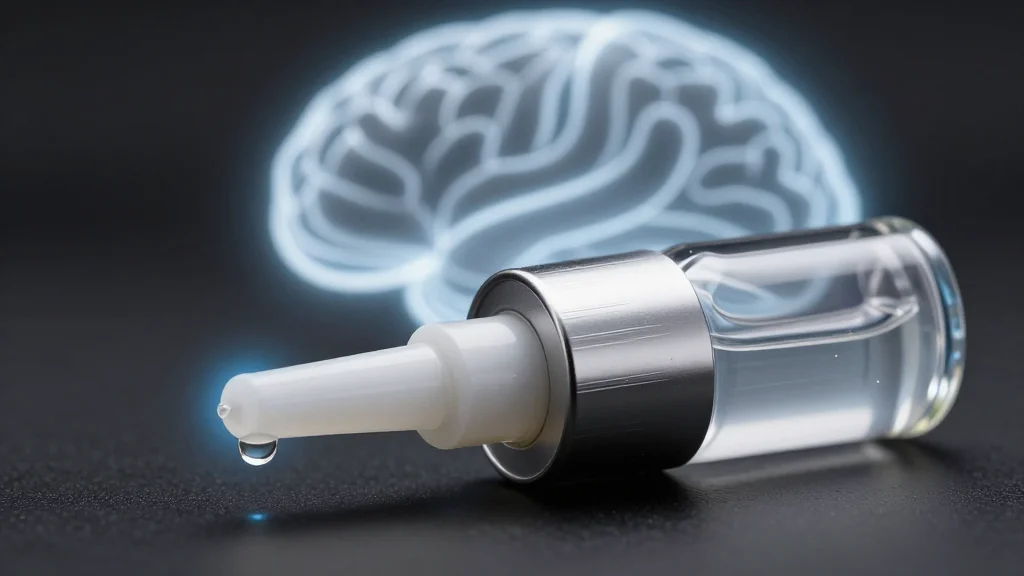
Texas A&M Nasal Spray Reverses Brain Aging in Preclinical Study

Why It Matters
Reversing neuroinflammation without surgery challenges the long‑standing view that brain aging is inevitable, opening a new therapeutic class for cognitive health. For the biohacking ecosystem, a validated, non‑invasive method to restore mitochondrial function and memory could accelerate adoption of precision‑medicine practices and shift investment toward EV‑based platforms. Moreover, the potential to curb dementia incidence would alleviate a growing economic burden on healthcare systems, making the technology relevant beyond individual enthusiasts. Beyond the immediate clinical promise, the study showcases how extracellular vesicles can serve as programmable delivery vehicles, a concept that may be extended to other organ systems. Success could spur a wave of similar nasal‑delivery approaches, redefining how biohackers and clinicians think about crossing the blood‑brain barrier.
Key Takeaways
- •Two‑dose EV nasal spray cut neuroinflammation by ~70% in aged mice
- •Memory performance improved 45% in maze tests, lasting months
- •Study led by Dr. Ashok Shetty at Texas A&M's Naresh K. Vashisht College of Medicine
- •Findings published in the Journal of Extracellular Vesicles
- •Phase I human safety trial planned for late 2026
Pulse Analysis
The Texas A&M breakthrough arrives at a moment when the biohacking market is hungry for interventions that combine scientific rigor with user-friendly delivery. Historically, cognitive enhancers have ranged from nutraceuticals with modest evidence to invasive neuromodulation devices. This nasal spray bridges that gap, offering a biologically grounded, minimally invasive solution that can be administered at home. Its reliance on extracellular vesicles—a platform still in its infancy—could catalyze a broader shift toward biologic nanocarriers in the anti‑aging space.
From a competitive standpoint, the therapy pits itself against both pharmaceutical anti‑inflammatory drugs and emerging gene‑editing approaches. While small‑molecule NSAIDs blunt inflammation, they lack specificity and carry systemic side effects. In contrast, EV‑mediated microRNA delivery targets the brain’s inflammatory circuitry directly, potentially delivering higher efficacy with fewer off‑target effects. However, scaling EV production to clinical‑grade volumes remains a technical hurdle that biotech firms will need to solve quickly to capture market share.
Looking ahead, the real test will be whether the preclinical promise translates into measurable cognitive benefits in humans. If Phase I trials confirm safety and Phase II demonstrates functional gains, investors are likely to pour capital into EV‑based neurotherapeutics, accelerating a pipeline that could include treatments for Parkinson’s, traumatic brain injury, and even mood disorders. For the biohacking community, the therapy could become a flagship product, legitimizing self‑directed cognitive optimization with peer‑reviewed science. The convergence of academic discovery, biotech manufacturing, and consumer demand may thus redefine how society approaches brain health in the coming decade.
Texas A&M Nasal Spray Reverses Brain Aging in Preclinical Study
Comments
Want to join the conversation?
Loading comments...