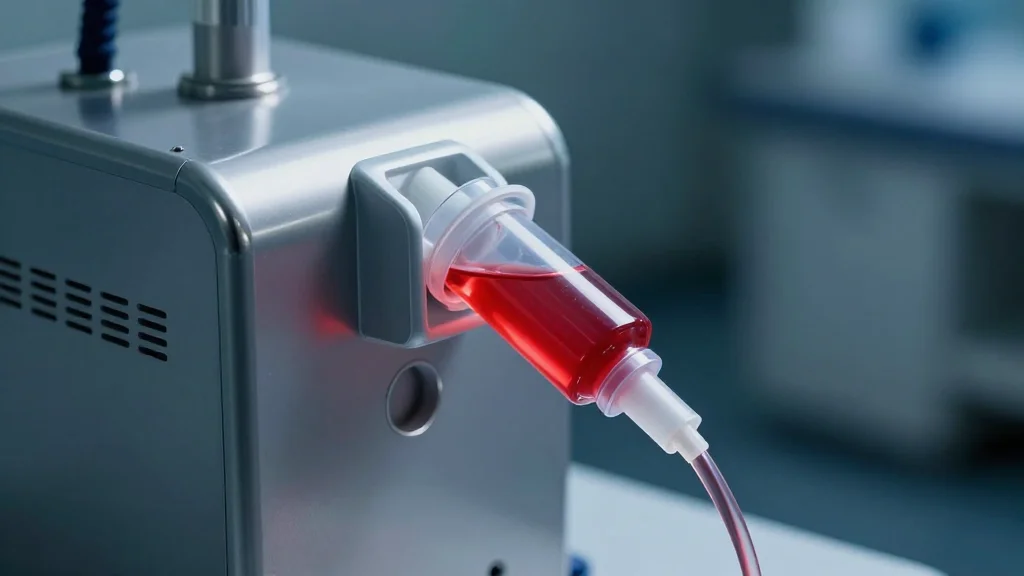
Therapeutic Plasma Exchange Shows Temporary 2.5‑Year Biological Age Reduction, Study Finds

Companies Mentioned
Why It Matters
Therapeutic plasma exchange sits at the intersection of mainstream gerontology and the underground biohacking movement, offering a tangible procedure that could be scaled if efficacy is proven. A reproducible, non‑genetic method to lower biological age would reshape preventive medicine, insurance models, and the market for longevity clinics. Even a modest, temporary reduction in biological age could influence how regulators view anti‑aging interventions, potentially prompting new guidelines for plasma‑based therapies. Conversely, premature hype could fuel a wave of unproven services, exposing consumers to unnecessary risks and diverting research funding.
Key Takeaways
- •A 2025 Aging Cell trial reported a ~2.5‑year mid‑term reduction in biological age after therapeutic plasma exchange
- •Effect disappeared by the study’s final assessment, according to lead geriatrician Andrea Maier
- •Study involved 42 participants receiving albumin, saline and optional IVIG infusions
- •Findings revive interest from biohackers but underscore need for larger, controlled trials
- •Potential to reshape anti‑aging market if future research confirms durable benefits
Pulse Analysis
The plasma‑exchange story illustrates a recurring pattern in the biohacking ecosystem: a provocative early‑stage result sparks a surge of commercial activity before the science catches up. Historically, interventions like NAD+ precursors and senolytics have followed a similar trajectory—initial academic buzz, rapid consumer adoption, and later regulatory scrutiny. The current study’s modest sample size and transient effect suggest that TPE is still in the hypothesis‑testing phase rather than ready for mass deployment.
From a market perspective, the allure of a procedure that can be performed in a clinic and marketed as a "reset" for aging is powerful. Investors are likely to watch upcoming Phase II trials closely, as a positive read‑out could unlock a multi‑billion‑dollar niche for specialized infusion centers. However, the scientific community remains cautious; the underlying mechanisms—whether removal of pro‑inflammatory cytokines, dilution of senescent factors, or simple volume‑replacement effects—are not yet delineated. Clarifying these pathways will be essential for designing combination therapies that could sustain the initial benefit.
Looking ahead, the biohacking community may pivot toward hybrid protocols that pair plasma exchange with other modalities such as metformin, rapamycin, or personalized peptide cocktails. If future trials demonstrate durable age‑reversal signals, we could see a new standard of care that blends clinical gerontology with DIY longevity, forcing regulators to rethink how experimental anti‑aging treatments are classified and reimbursed. Until then, the prudent stance is to treat TPE as an intriguing research tool rather than a proven health‑span extender.
Therapeutic Plasma Exchange Shows Temporary 2.5‑Year Biological Age Reduction, Study Finds
Comments
Want to join the conversation?
Loading comments...