
As a Run/Walker, Going Longer Than 13.1 in Training Helped Me Run Faster on Half Marathon Race Day
Monique LeBrun, a health‑and‑fitness editor, added a 14‑mile long run to her three‑day‑a‑week half‑marathon training plan, ultimately covering more than 18 miles in a single session. Using the run‑walk method and zone‑2 pacing, she completed the workout in just over four hours despite heat and hills. The extra mileage gave her the confidence and endurance to finish her first half marathon in 3:01:27, well ahead of her 3:30 target. Coach Andrea Dell’s advice to schedule the longest run two weeks before race day reinforced her taper strategy and mental preparation.

How Much Time Should You Spend in Zone 2 Each Week? Experts Break It Down
Zone 2 training—low‑intensity, aerobic work—remains the backbone of most running programs. Coaches Mireille Siné and Marnie Kunz recommend the 80/20 split, allocating roughly 80% of weekly volume to zone 2 and the remaining 20% to harder intervals or tempo work. For runners...

I Tried the Goop That Makes You Run Faster (But Possibly Poop Yourself). It Worked.
Runner’s World senior editor Theo Kahler tested Maurten’s Bicarb System, a sodium bicarbonate supplement designed to buffer exercise‑induced acidity. He mixed the hydrogel‑encapsulated tablets 90 minutes before a 3K race, experienced no gastrointestinal distress, and finished 22nd in 8:59. The...

7 Training Hacks to Fight Fatigue and Hold Your Pace
Runner’s World outlines seven evidence‑based hacks that help athletes push fatigue farther and maintain pace longer. Post‑run sauna sessions can improve time‑to‑exhaustion by about 12 percent, while brief daily plyometrics sharpen running economy. Mindfulness, targeted brain‑training, and strength work each add...

The Types of Workouts You Need to Train for a Marathon on Just 3 Runs a Week
Ray Peralta, DPT, proposes a three‑day‑a‑week marathon training plan that emphasizes purposeful quality workouts instead of the traditional five‑to‑six‑day schedule. The regimen centers on easy runs, a weekly long run, and a tempo or interval session, while supplementing the rest...
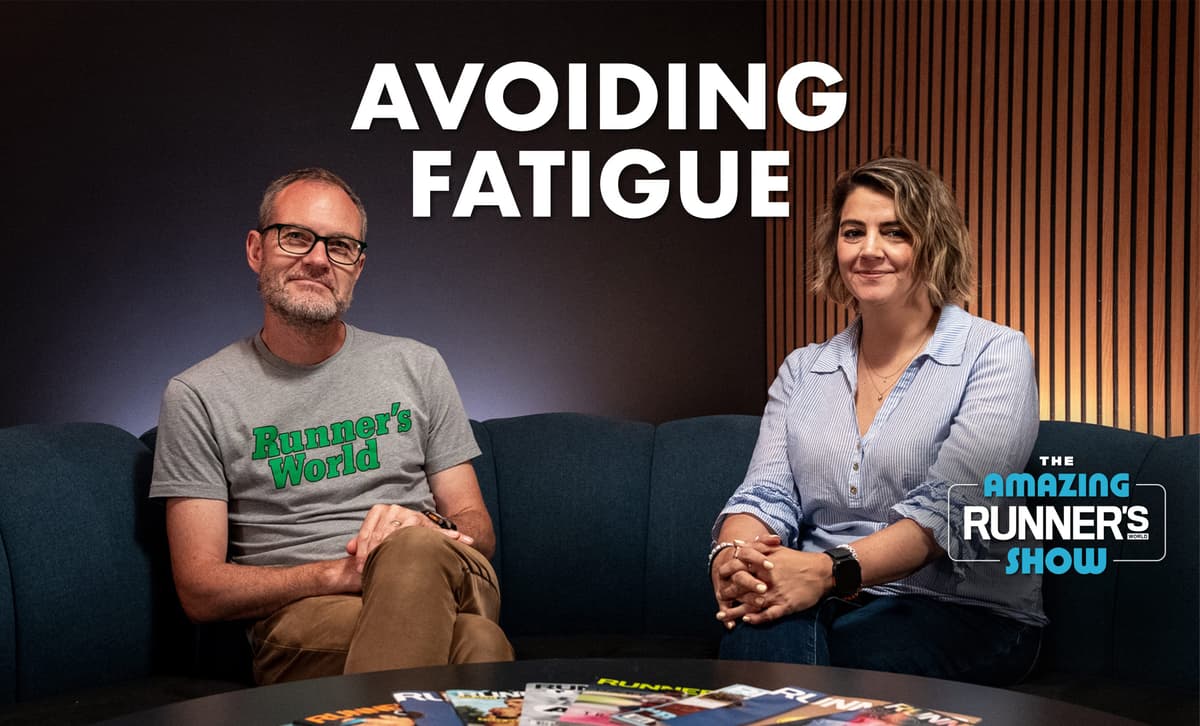
Why Your Long Runs Leave You Wiped—And How to Bounce Back Better
Long-distance runs often leave runners feeling drained for days due to depleted glycogen, hormonal shifts, and muscle micro‑damage. Jeff Dengate and Aly Ellis explain how strategic nutrition, hydration, and active recovery can blunt post‑run fatigue. They also stress the importance...

Can Yasso 800s Really Predict Your Marathon Time? Experts Weigh In
The Yasso 800 workout, popularized by Runner’s World, claims a runner’s 800‑meter time predicts marathon finish time. Experts say the correlation is weak, offering predictions within about 15 minutes but lacking scientific backing. Coaches recommend treating the workout as a general...
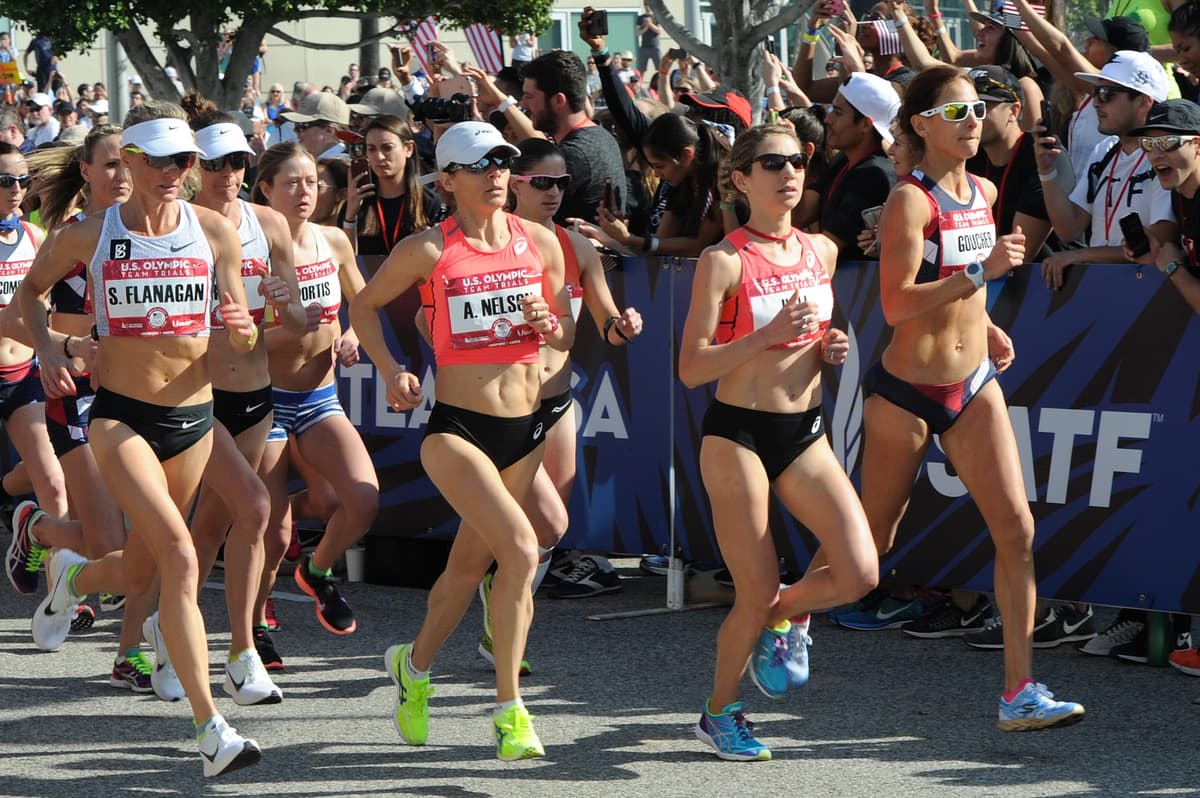
Improve Your Running Gait for a More Powerful Stride
Running gait— the leg’s cycle per step—varies among athletes, but certain patterns can sap power and raise injury risk. Experts from NYU Langone, Drexel, and Columbia outline five common gait categories: overstrider, collapser, bouncer, glute amnesiac, and weaver. Each pattern...

You Don’t Need to Overhaul Your Form to Better Your Runs. These Small Tweaks Lead to Bigger Results.
The article argues that runners don’t need a complete form overhaul to improve performance; instead, subtle adjustments can yield measurable gains in speed, efficiency, and consistency. It highlights low‑tech drills—relaxed hand positioning, a hammer‑swing arm drill, and metronome‑guided cadence work—as...

Can You Split Up Your Long Run?
Marathon coaches Kara Dudley and Meg Takacs warn that breaking a long run into separate sessions undermines the physiological adaptations gained from continuous time on the feet. They stress that the primary benefit of a long run is sustained effort,...

I Never Skip This Workout in a Half Marathon Build. Here’s How It Builds the Speed Endurance Race Day Demands.
Runner’s World author Kristine Kearns credits a recurring tempo‑long‑run workout for shaving minutes off her 2024 Philadelphia Half Marathon, where she posted a 1:46:16 finish. The session blends three easy miles, three tempo miles at roughly 7:40‑8:00 per mile, and...

Run Coaches Say These 3 Signs Mean You’re Ready to Increase Your Training Paces
Run coaches warn that most athletes run speed workouts too fast, limiting gains and raising injury risk. Kai Ng and John Mott explain that runners should match training paces to current fitness, using consistent pace hits, solid recovery runs, and...

The Workouts Behind Some of the World’s Fastest Marathoners—And How to Add Them to Your Schedule
Renato Canova, the coach behind elite marathoners Amanal Petros (2:04:03) and Emile Cairess (2:07:29), emphasizes a blend of high mileage and early race‑pace intensity. His four‑phase system starts with easy runs, hill sprints and strides, then progressively adds marathon‑pace volume, often reaching...

3 Nerve-Flossing Moves to Help Runners Ease Common Pain Points
Nerve flossing, also known as nerve gliding or neurodynamic techniques, is gaining popularity among runners as a way to improve nerve mobility and alleviate pain from sciatic, tibial and peroneal entrapments. Physical therapists describe the method as gentle, repetitive movements—either...

What to Know About Gray Zone Training and How It Can Help—Or Harm—Your Running
The gray zone, also called zone 3, sits at roughly 75‑80% of max heart rate and feels like a moderate effort (RPE 5‑6). When used sparingly, it builds an aerobic base, improves fatigue resistance, and acclimates marathoners to race‑pace intensity without...