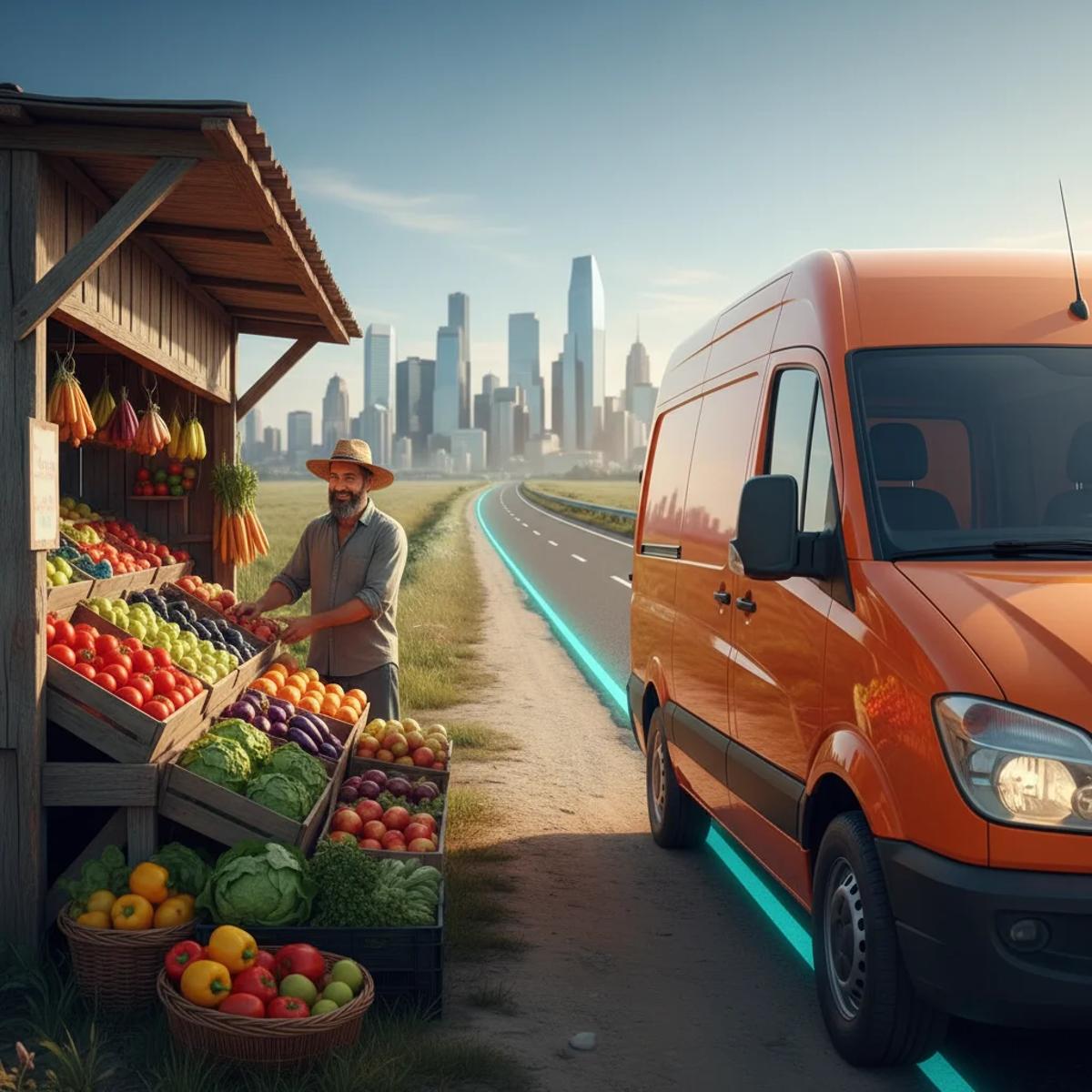
How Shiprocket Became the Bridge Between Bharatpreneurs and National Markets
Companies Mentioned
Why It Matters
The ability to provide metro‑grade logistics and financing to tier‑III sellers removes a longstanding barrier to scale, accelerating inclusive growth in India’s digital economy. This operational parity expands the addressable market for ecommerce, driving revenue and employment outside traditional hubs.
Key Takeaways
- •Shiprocket unifies logistics, payments, and order management for MSMEs.
- •Bharatpreneurs achieve metro‑level delivery speeds without heavy tech investment.
- •Integrated platform enables five‑fold order spikes with minimal overhead.
- •Fast working capital via Shiprocket Capital reduces cash‑flow gaps.
- •Operational parity drives ecommerce growth beyond metropolitan hubs.
Pulse Analysis
India’s regional entrepreneurs—often called Bharatpreneurs—have long faced a logistics bottleneck that kept their products confined to local markets. While internet penetration and digital payments have surged, fragmented courier services, opaque tracking, and costly integrations made nationwide fulfillment a premium reserved for metro‑based firms. These constraints forced small‑town sellers to rely on middlemen or limit growth, despite strong demand for their unique products across the country.
Shiprocket’s end‑to‑end platform directly addresses those pain points by aggregating multiple courier partners, automating rate comparison, and providing a single dashboard for order, payment, and return management. The addition of Shiprocket Capital, which disburses working capital within 48‑72 hours, further removes cash‑flow friction for bootstrapped brands. Real‑world examples—Sam & Marshall’s rapid capital infusion, Suroskie Beauty’s conversion lift from 30% to over 50%, and Bikanervala’s predictive RTO technology—demonstrate how the suite enables five‑fold order spikes, higher fulfillment accuracy, and lower delivery‑related costs without proportional staffing increases.
The broader implication is a shift from a metro‑centric ecommerce ecosystem to a truly pan‑India model where location no longer dictates service quality. As AI‑driven routing and self‑service tools become standard, more MSMEs can compete on speed, reliability, and price, expanding the digital economy’s reach into tier‑II and tier‑III cities. This operational leveling not only fuels revenue growth for individual brands but also supports regional employment and supply‑chain diversification, positioning India’s ecommerce future as more inclusive and resilient.
How Shiprocket became the bridge between Bharatpreneurs and national markets


Comments
Want to join the conversation?
Loading comments...