The Unexpected Place Stromboli Actually Originated (No, It Wasn't Italy)
Why It Matters
The story highlights how Italian‑American adaptations create enduring regional brands and generate new product extensions, underscoring the economic impact of immigrant culinary innovation.
Key Takeaways
- •Stromboli created 1950 in Essington, Pennsylvania
- •Inventor Nazzareno Romano was Italian immigrant stonemason
- •Named after 1950 film “Stromboli” starring Ingrid Bergman
- •Family-run Romano’s now fourth generation, serving Delaware County
- •“Special Hot” won Herr’s chip flavor contest, 2024
Pulse Analysis
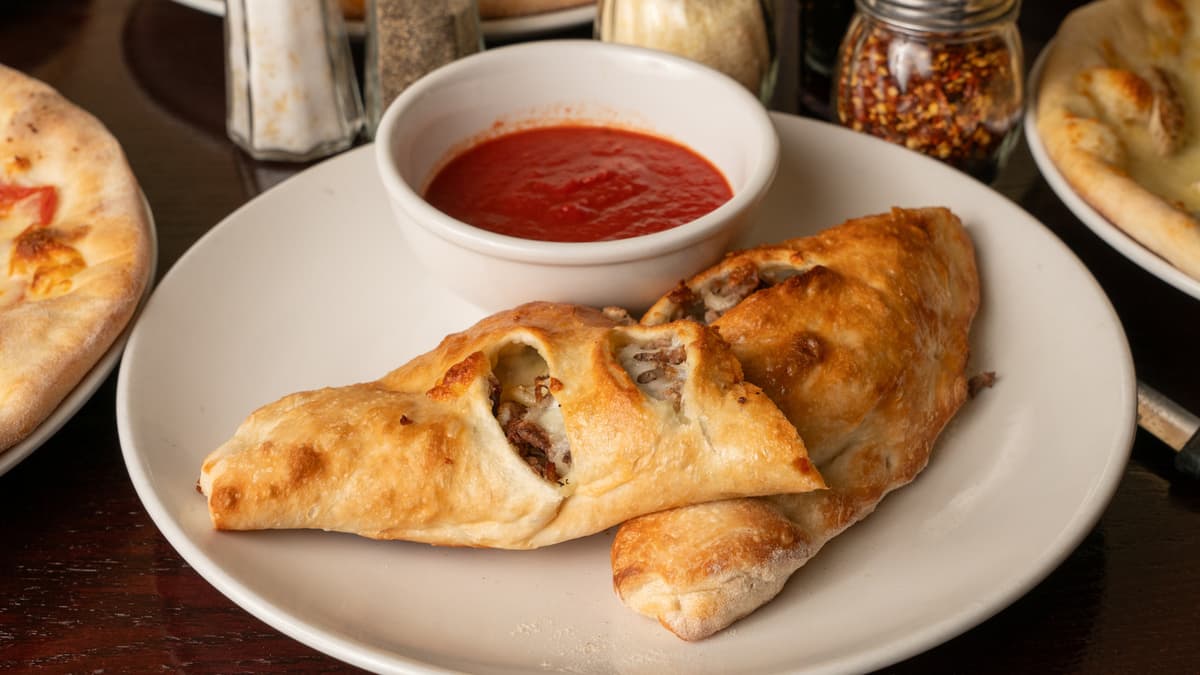
Italian‑American cuisine thrives on reinterpretation, turning classic Old‑World dishes into uniquely U.S. staples. The stromboli exemplifies this process: a Pennsylvania‑born roll that blends Italian cheeses, cured meats, and tomato sauce into a portable, baked sandwich. Its 1950 debut at Romano’s Pizzeria coincided with post‑war prosperity, when abundant, inexpensive meat allowed immigrants to expand traditional recipes. By naming the creation after Roberto Rossellini’s film, Romano tapped popular culture, cementing the dish in the American imagination while distancing it from its Italian roots.
The longevity of Romano’s family business illustrates the power of localized food heritage. Four generations have preserved the original concept while diversifying flavors—from classic pepperoni to modern buffalo chicken—catering to evolving palates in Delaware County and Philadelphia. This continuity fosters brand loyalty, turning a single pizzeria into a regional culinary landmark. Moreover, the restaurant’s ability to leverage its signature “Special Hot” stromboli into a winning entry for Herr’s 2024 "Flavored by Philly" contest demonstrates how legacy dishes can fuel cross‑category product innovation, extending revenue streams beyond the restaurant itself.
Beyond nostalgia, the stromboli’s story signals broader trends in the food industry: immigrant‑driven menu innovation, regional branding, and strategic partnerships that translate iconic dishes into packaged goods. As consumers increasingly seek authentic yet convenient flavors, brands that anchor products in genuine local histories—like Romano’s stromboli—gain a competitive edge. The success of the chip collaboration suggests that other heritage eateries could explore similar extensions, turning beloved menu items into snack‑sized experiences that reach national shelves while reinforcing cultural identity.


Comments
Want to join the conversation?
Loading comments...