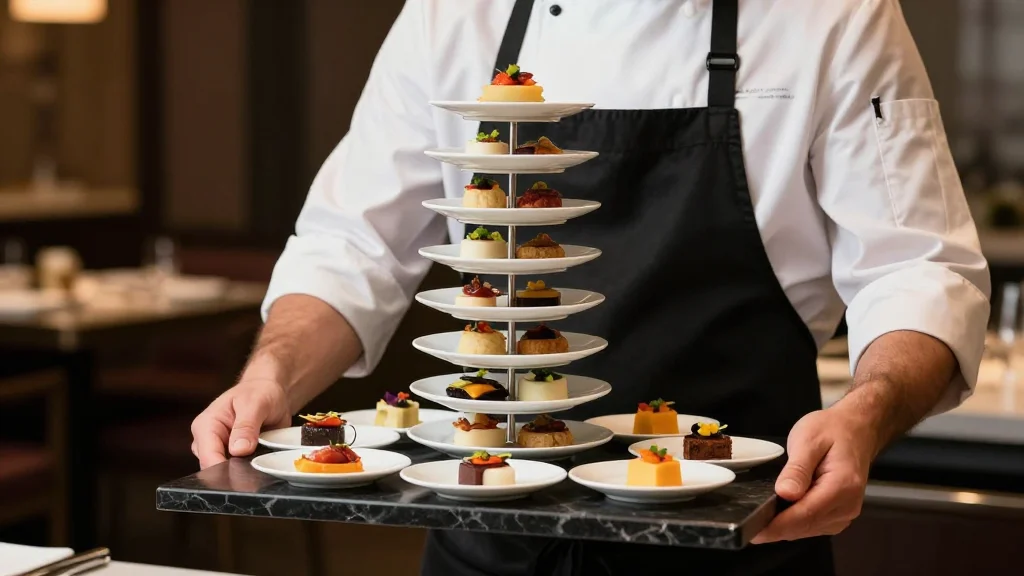
U.S. Chef Breaks Guinness Record, Eats 28 Michelin-Starred Meals in One Day

Companies Mentioned
Why It Matters
The record underscores the growing intersection between haute cuisine and viral culture, where prestigious culinary institutions are drawn into high‑visibility challenges that can reshape public perception. It also raises health and ethical considerations about the commodification of fine‑dining experiences for record‑setting purposes, prompting industry stakeholders to balance tradition with modern promotional strategies. For consumers, the event may democratize access to Michelin‑starred dishes, albeit through a sensational lens, while for restaurateurs it offers a novel avenue to showcase their menus to a global audience. The long‑term impact will depend on whether such stunts become a recurring marketing tool or remain an outlier in the fine‑dining narrative.
Key Takeaways
- •U.S. chef set a Guinness World Record by eating 28 Michelin‑starred meals in 24 hours.
- •Guinness officials verified each dish to ensure compliance with Michelin standards.
- •The chef’s identity and exact restaurant list were not disclosed in the source.
- •Industry reaction is split between admiration for the endurance and concern over culinary integrity.
- •The record may inspire future marketing collaborations between Michelin restaurants and extreme‑eating challenges.
Pulse Analysis
The record reflects a broader trend where elite culinary brands are leveraging spectacle to stay relevant in a media‑driven market. Historically, Michelin stars have signaled meticulous craftsmanship and restrained service; this event flips that script by turning the dining experience into a marathon. While the publicity can boost visibility, it also risks diluting the perceived value of the star system if the focus shifts from quality to quantity.
From a competitive standpoint, the feat could trigger a wave of similar challenges, prompting restaurants to either embrace the exposure or distance themselves to protect their brand ethos. The balance will likely hinge on how each establishment frames its participation—whether as a celebration of culinary artistry or as a gimmick. In the short term, the story fuels social media buzz, but the lasting effect will depend on whether the fine‑dining sector can translate that attention into sustained patronage without compromising its core principles.
Looking forward, regulators and health professionals may need to establish clearer guidelines for extreme eating events involving high‑fat, high‑calorie dishes. As the line between entertainment and gastronomy blurs, the industry must navigate consumer expectations, safety concerns, and the preservation of culinary heritage.
U.S. Chef Breaks Guinness Record, Eats 28 Michelin-Starred Meals in One Day
Comments
Want to join the conversation?
Loading comments...