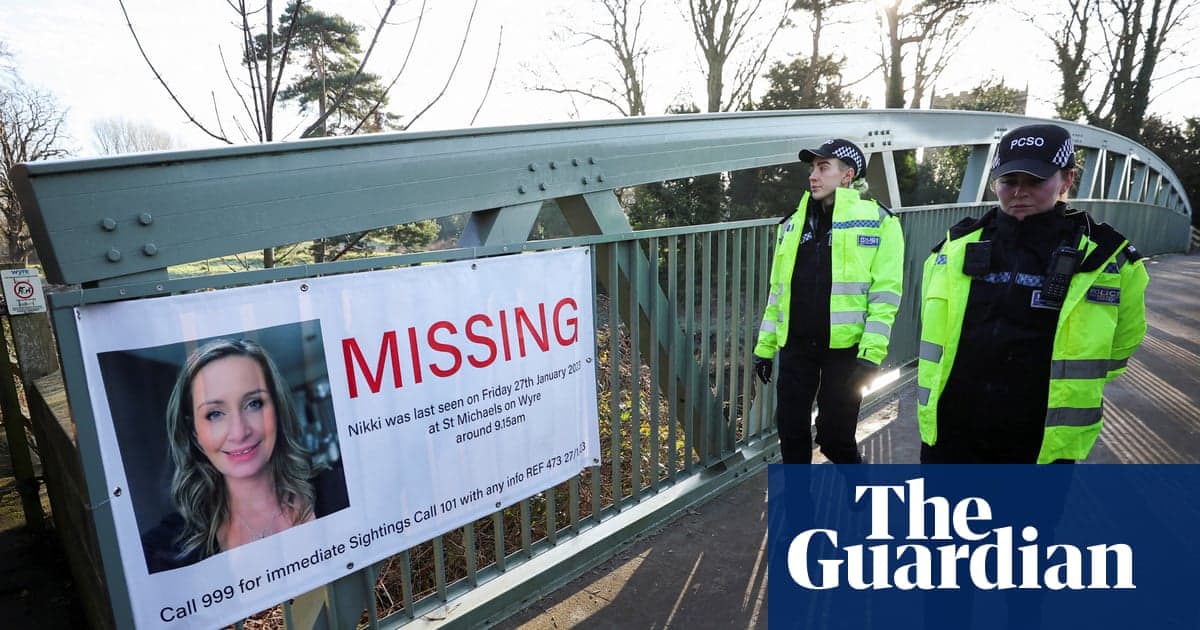
Police and Media Launch Charter to ‘Reset’ Relations After Nicola Bulley Case
Companies Mentioned
Why It Matters
Improved police‑media coordination can limit speculation, protect investigative integrity, and restore public trust in law‑enforcement communications.
Key Takeaways
- •Police-media charter launched to improve communication
- •Bulley case generated 6,500 articles, 270 M TikTok views
- •Early police silence fueled conspiracy theories
- •Charter mandates phone contacts and timely press releases
- •Family liaison officers will support media interactions
Pulse Analysis
The policing‑media charter emerges from a stark lesson: the Nicola Bulley case demonstrated how a lack of proactive communication can amplify rumors and erode confidence in both institutions. By committing to regular, meaningful interaction, the charter seeks to fill the information vacuum that previously allowed fringe narratives to dominate public discourse. This shift reflects broader industry pressures, including the lingering impact of the 2011 Leveson inquiry, which heightened caution among police forces when dealing with journalists.
At its core, the charter establishes concrete operational standards. Every force must list a dedicated press‑office phone number, issue press releases for matters of national significance, and provide rapid updates on ongoing investigations. Family liaison officers will also facilitate direct media access for relatives, ensuring personal stories are conveyed accurately. These measures aim to pre‑empt the viral spread of unverified claims on platforms like TikTok, where the Bulley hashtag alone amassed hundreds of millions of views.
Beyond immediate crisis management, the charter signals a cultural reset in the UK’s public‑information ecosystem. By normalising transparent dialogue, police can protect investigative integrity while the media gains reliable sources, fostering a healthier news environment. Stakeholders such as the College of Policing and the Society of Editors view the initiative as a template for future collaborations, potentially influencing how other public agencies handle media relations in high‑stakes scenarios. The long‑term benefit may be a more informed public and reduced reliance on speculation‑driven narratives.


Comments
Want to join the conversation?
Loading comments...