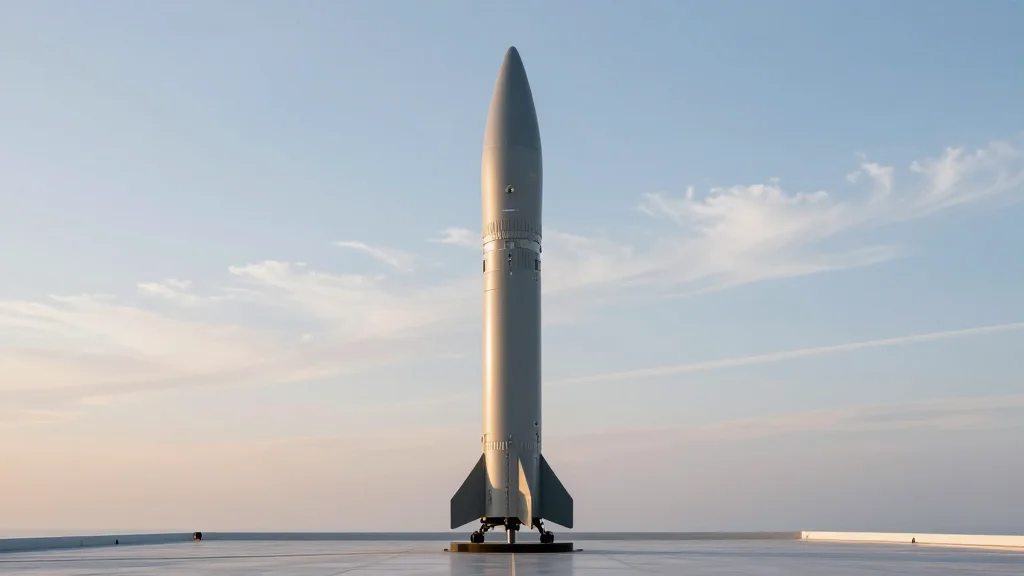
First Sentinel Flight Test Expected in 2027, Says Northrop Grumman
Northrop Grumman announced that the U.S. Air Force’s next‑generation ICBM, Sentinel, will undergo its first pad‑launch test in 2027, a year earlier than the Government Accountability Office’s March 2028 estimate. The company says every missile component has been built and individually tested, and the program is now moving to full‑system integration. Sentinel is slated to replace the 50‑year‑old Minuteman III fleet, which has been the backbone of America’s land‑based nuclear deterrent. The White House’s FY2027 budget request earmarks $4.6 billion for the effort.
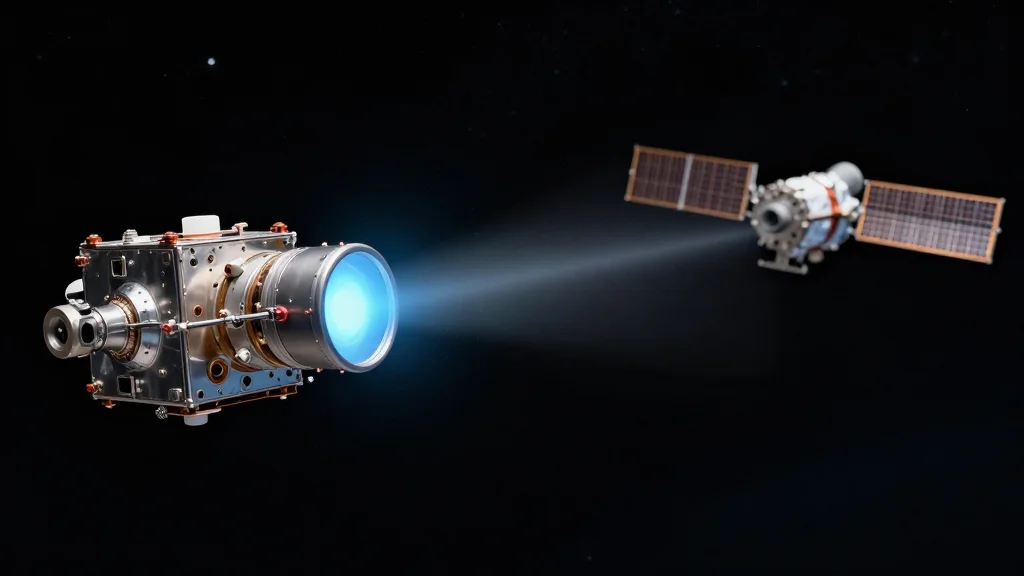
ThinkOrbital Preps for First On-Orbit X-Ray Scans
ThinkOrbital is preparing its ThinkX system to conduct the first on‑orbit X‑ray scans, capable of imaging spacecraft from distances up to 10 km. The demonstration will launch the receiver in July aboard Argo Space’s water‑propelled satellite, with the X‑ray source slated...
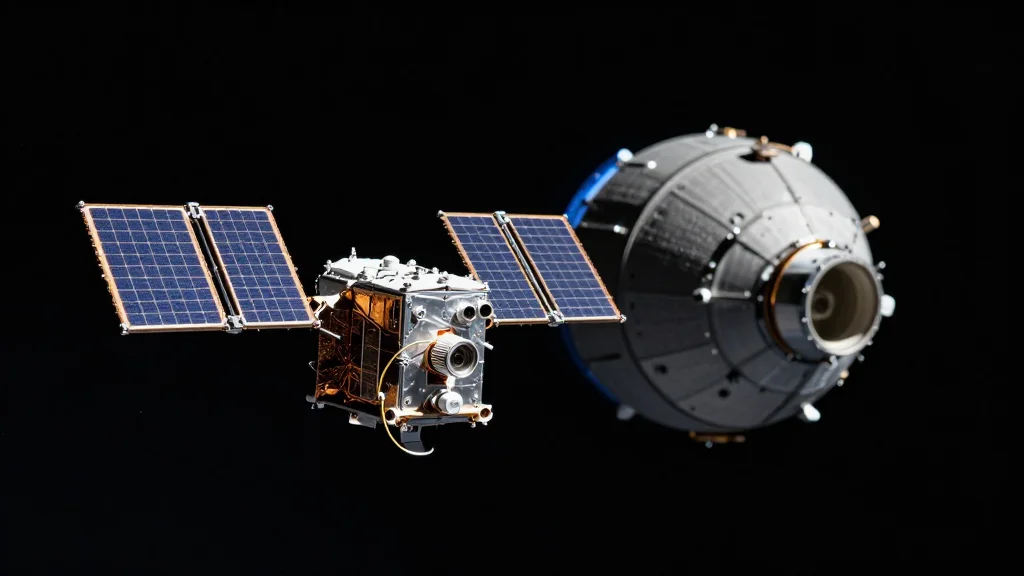
NASA Readies Mission to Reverse the Swift Observatory’s Skyfall
NASA is preparing a June launch of a robotic spacecraft, nicknamed LINK, to rendezvous with and re‑boost the aging Neil Gehrels Swift Observatory before it succumbs to atmospheric drag. The $30 million contract was awarded to Arizona‑based Katalyst Space Technologies, marking its...

Stellerian, Readying for First Demo, Seeks to Cut Out Ground Stations with Space Domain Awareness Software
Los Angeles‑based startup Stellerian is building ATLAS, software that turns a satellite’s star‑tracker and onboard computer into a space‑domain‑awareness sensor. By processing images in orbit, ATLAS can detect objects at signal‑to‑noise ratios as low as 1.5, eliminating the need to downlink...

Acquisition Reform ‘Necessary’ but ‘Not Sufficient,’ U.S. Space Force Official Says
Space Force Brig. Gen. Nick Hague warned that while accelerating acquisition is essential, it alone cannot close capability gaps. He called for broader reforms that integrate requirements definition, gap identification, and rapid, combat‑credible delivery. Hague also highlighted the service’s need...
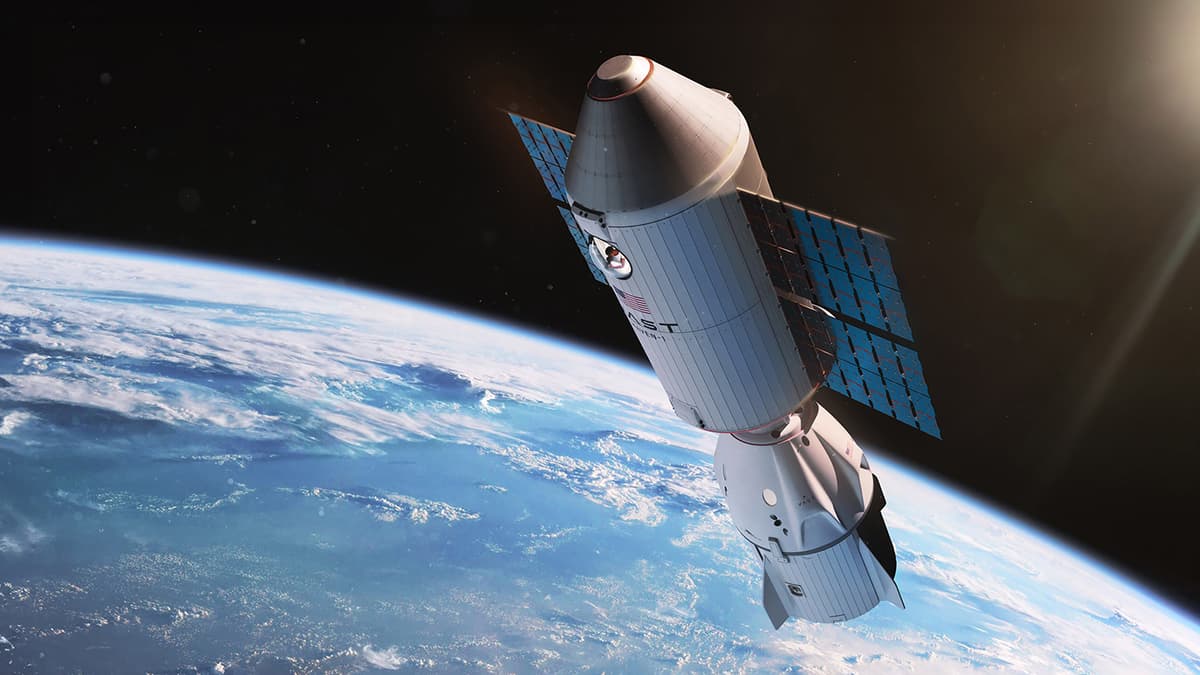
Proposed Fiscal 2027 Funding Could Support Two Commercial Space Stations, Developers Say
The House Appropriations Committee’s Commerce‑Justice‑Science bill earmarks $400 million for NASA’s Commercial Low‑Earth‑Orbit Destinations (CLD) program, a $100 million increase over the White House request for fiscal 2026. Executives from Vast and Starlab Space say the expanded budget can support two separate...
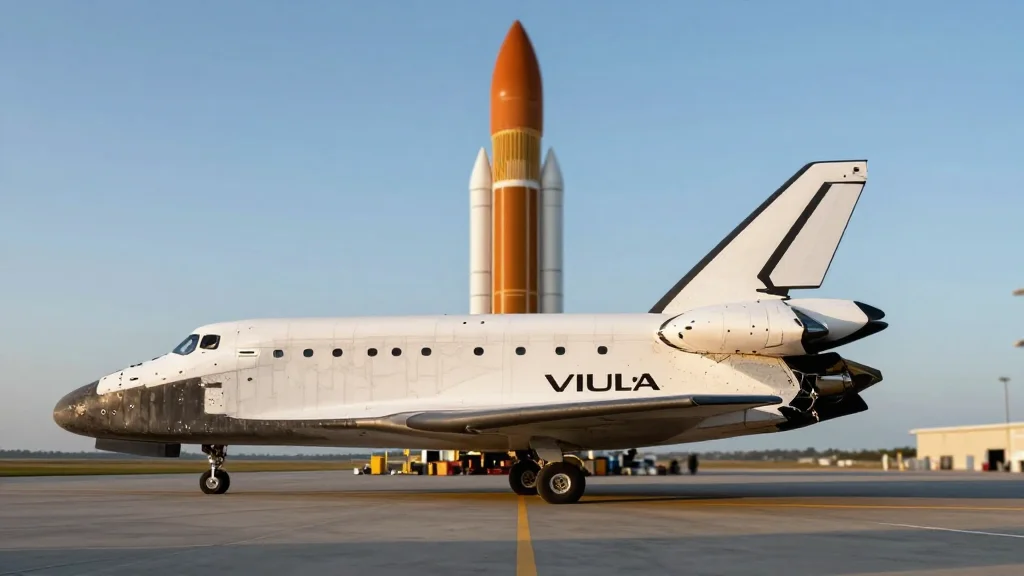
After NASA Contract Change, Sierra Space Seeks Path Forward for Dream Chaser
NASA has altered its contract with Sierra Space, removing the obligation to use Dream Chaser for a set number of ISS cargo flights as the station phases out. Sierra now targets a free‑flyer demonstration in late 2026, launching on a...

NASA, Lockheed Martin Say Artemis III Advancing, Facing Milestones This Year
NASA and its contractors are accelerating Artemis III preparations, targeting component stacking within the next two months. The Space Launch System’s core stage and solid rocket boosters are already positioned at Kennedy Space Center, and Lockheed Martin plans to deliver the Orion...

The Small Changes to Dragonfly’s Rotors that Could Make a Big Difference
NASA’s Dragonfly rotorcraft will perform a powered‑flight transition on Titan in 2034, spinning its four rotors while still descending through the moon’s dense atmosphere. To counter cross‑winds and yaw instability, engineers increased each rotor’s blade count to three, shortened the...
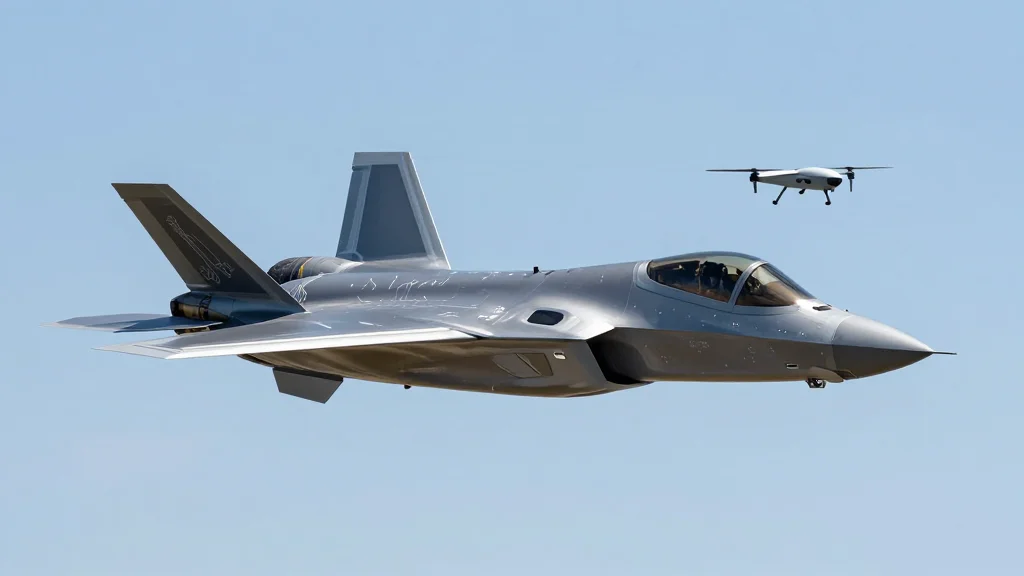
U.S. Air Force’s First Chief Modernization Officer Talks CCAs, Mass Production
Lt. Gen. Christopher Niemi was confirmed as the Air Force’s first chief modernization officer, a role that consolidates modernization efforts across the service. He told the Senate Armed Services Committee he is "bullish" on the Collaborative Combat Aircraft (CCA) program,...
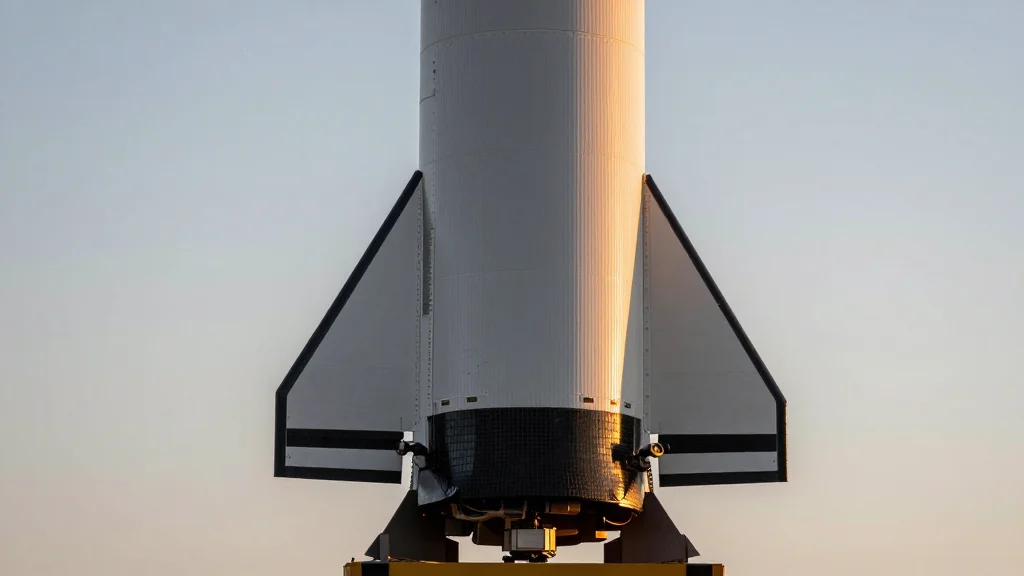
SpaceX Will Reuse Cargo Dragon a Sixth Time on Upcoming Launch to ISS
SpaceX’s Cargo Dragon will launch its sixth mission, CRS‑34, carrying roughly 3,000 kg of scientific cargo to the International Space Station. The launch is slated for 7:16 p.m. ET Tuesday from Cape Canaveral, with a Wednesday backup if the window is scrubbed....
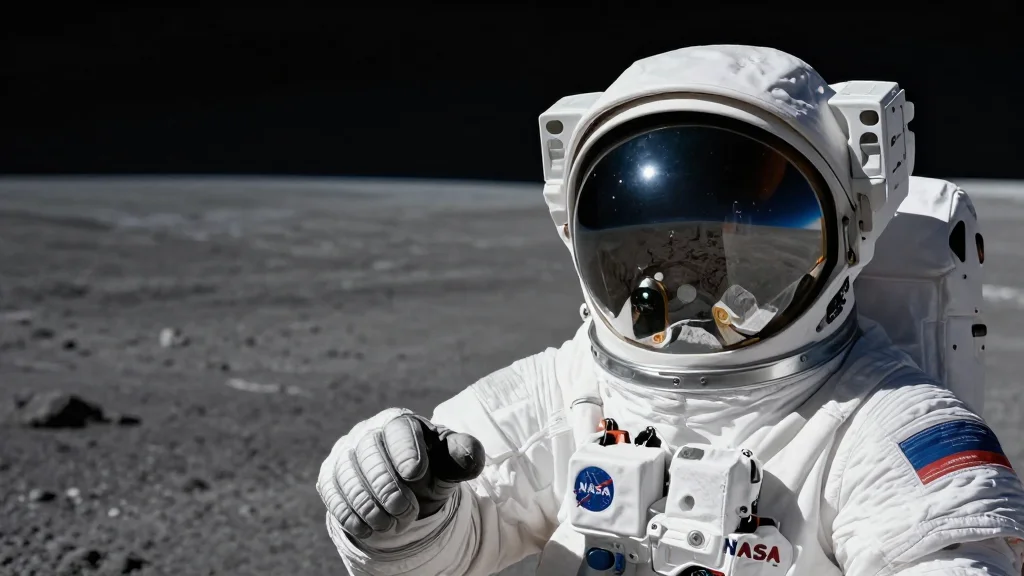
Axiom Readies for Yearlong Spacesuit Qualification Testing
NASA’s Artemis program relies on Axiom Space to deliver its next‑generation xEMU lunar suits. Axiom has secured a $228.5 million task order to build four suits for Artemis IV and is beginning a year‑long qualification campaign that includes vibration, thermal‑vacuum and lander‑interface...

Wisk Assesses ‘Flyability’ of Key Markets Based on Weather
Wisk is deploying a "flyability matrix" to score how weather impacts electric air‑taxi operations in each city. The tool estimates lost flight hours from fog, storms, temperature, visibility and other factors, producing seasonal scores such as a 90% winter rating...
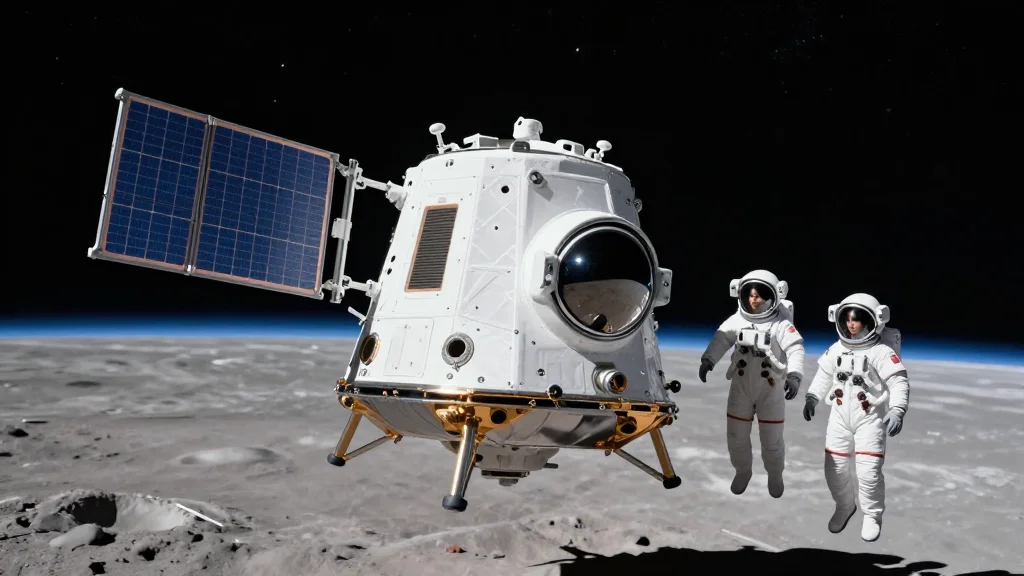
OPINION: Why the Moon May Matter Before It Pays
Robert A. Edgell argues that lunar gateways cannot succeed on engineering alone; they need robust governance, financing, and risk‑sharing frameworks. He frames gateways as part of a broader cislunar infrastructure that will serve science, industry, and inter‑mission coordination. The author...
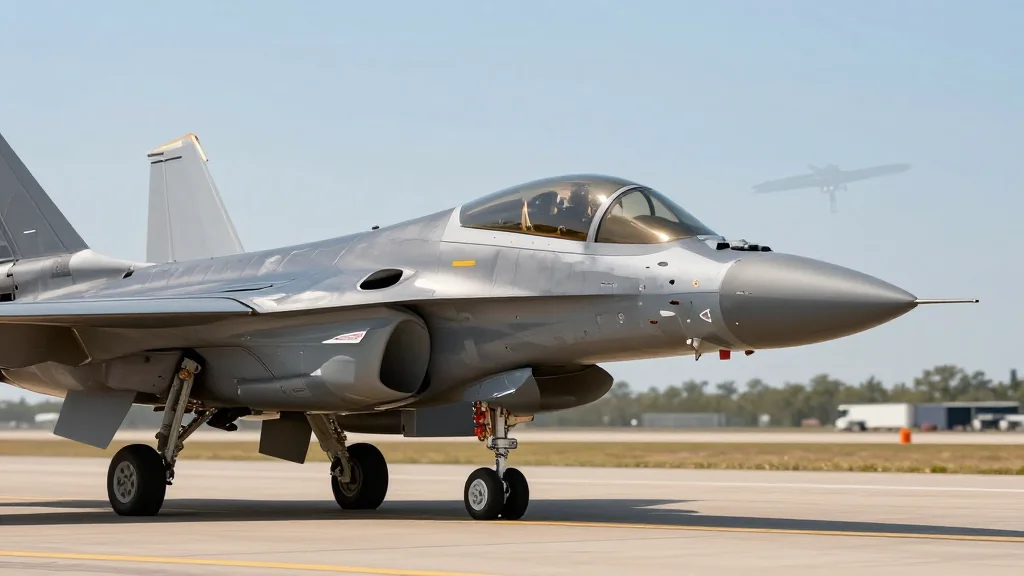
U.S. Air Force, Space Force Make ‘Explicit Shift’ in RDT&E Funding, Experts Say
The U.S. Air Force and Space Force’s FY2027 budget request shifts RDT&E dollars away from early‑stage research toward operational system development. Applied research in the Air Force faces a $338 million cut, while the Space Force trims advanced component development by...