
Gleaning Information From Noise
Physicists Andreas Dechant has introduced a finite‑frequency fluctuation‑response inequality (FRI) that sets a universal upper bound on a system's linear response using its measured noise spectrum. The inequality holds for general Markovian systems, whether they are in thermal equilibrium or driven far from it, and defines a dimensionless response efficiency between 0 and 1. When dynamics are linear, the bound becomes an equality, allowing direct comparison of sensors, circuits, and active materials without fitting models. This work extends the classic fluctuation‑dissipation theorem into the nonequilibrium regime, offering a practical diagnostic tool for experimentalists.

An Improved Method for Space-Based Gravitational-Wave Measurements
Researchers at the University of Maryland have unveiled an enhanced time‑delay interferometry technique that synchronizes spacecraft clocks using an optical frequency comb, achieving sub‑nanosecond precision. The method reduces laser and clock noise below LISA’s detection threshold and simplifies the hardware...

Cleaner Signals From X-Ray Pulses
Researchers at RIKEN SPring‑8, led by Taito Osaka, have introduced a background‑free intensity autocorrelation technique for femtosecond x‑ray laser pulses. By crossing two pulse replicas in a diamond crystal, the method separates the autocorrelation signal from stray light, delivering attosecond‑level...
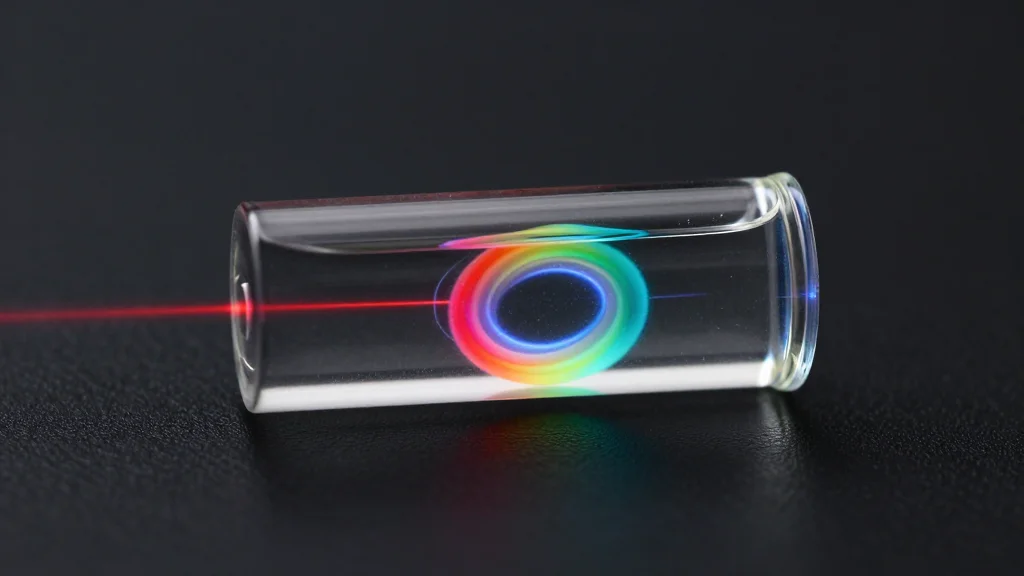
Liquid Crystals Offer On-Demand Skyrmions
Researchers at the University of Science and Technology of China demonstrated a new pretwisting technique that enables on-demand creation of skyrmion loops in liquid crystals using laser light, an electric field, or heat. By patterning opposing surfaces of a 10‑µm‑thick...
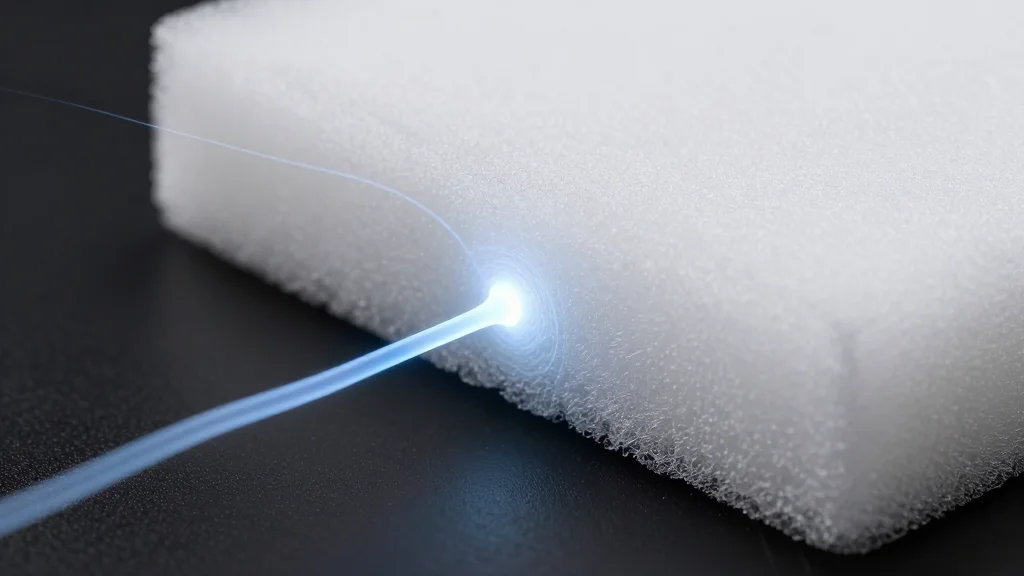
Void-Filled Material Stops Intense Electron Beam
Researchers at Shenzhen Technology University showed that ultra‑intense relativistic electron beams lose energy far more efficiently in ultra‑low‑density porous foam (5 mg cm⁻³) than in denser foam (200 mg cm⁻³). Simulations attribute the “anomalous‑stopping” to strong magnetic fields generated by currents in the solid...
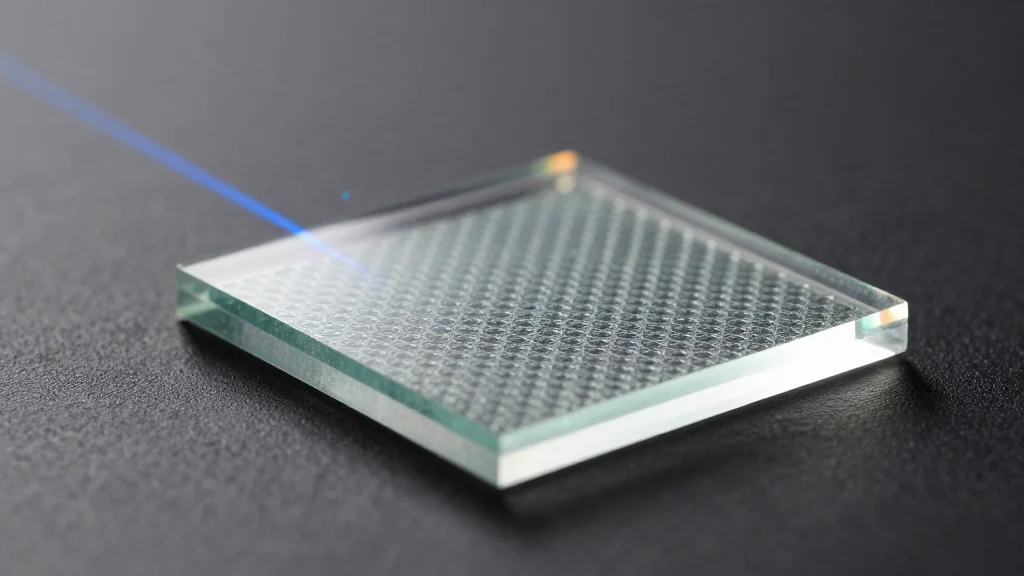
Surprising Scattering in Stealthy Structures
Physicists led by Mikael Rechtsman at Penn State have experimentally demonstrated that stealthy hyperuniform photonic crystals scatter light within the wavelength band previously predicted to be transparent. By fabricating a millimeter‑scale slab with millions of sub‑micron holes and introducing controlled...

How to Spot a Milestone From a Mile Away
Researchers at the University of Virginia introduced the embedding disruptiveness measure (EDM), a machine‑learning‑based citation metric that outperforms the older consolidation‑disruption (CD) index. EDM evaluates papers by comparing their “past” and “future” citation vectors, rewarding works that shift scholarly direction...
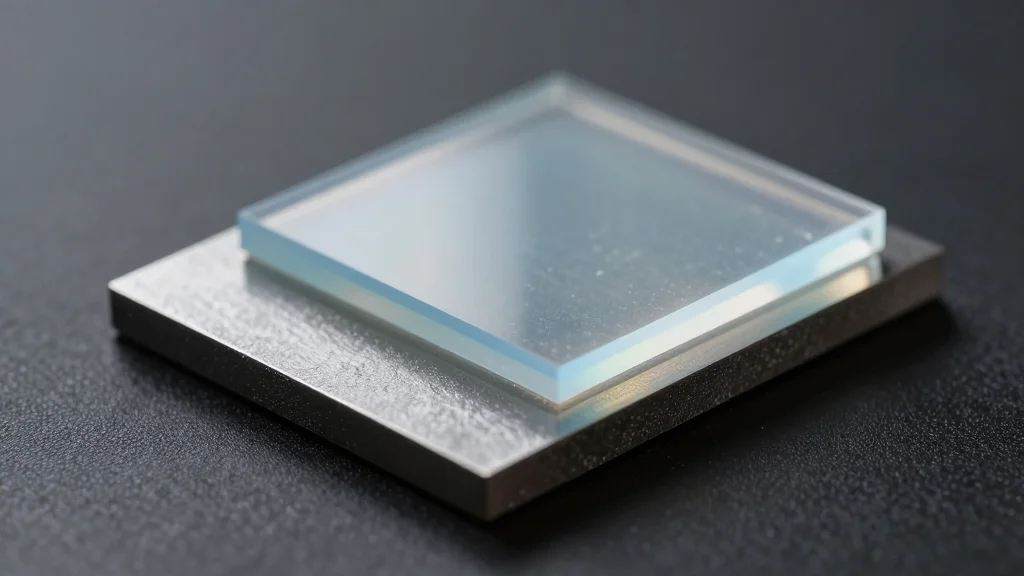
Spreading the Altermagnetic Love
Researchers at the Eastern Institute of Technology in Ningbo have theoretically shown that altermagnetism can be transferred to a nonmagnetic material through proximity to an altermagnet. By modeling a V₂Se₂O altermagnet layer beneath a PbO semiconductor, they observed spin‑dependent band...
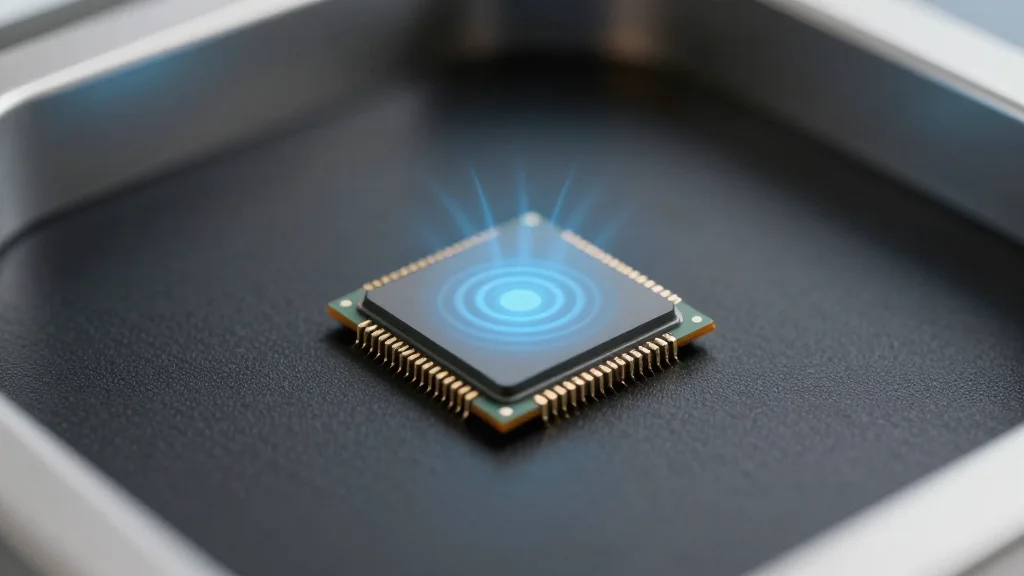
Quantum Error Correction Faces Another Hurdle
Google Quantum AI researchers have identified correlated phase‑error bursts in superconducting qubits that persist far longer than previously observed bit‑flip errors. The study shows that quasiparticles generated by ionizing radiation can suppress the superconducting gap, causing phase decoherence even in gap‑engineered...
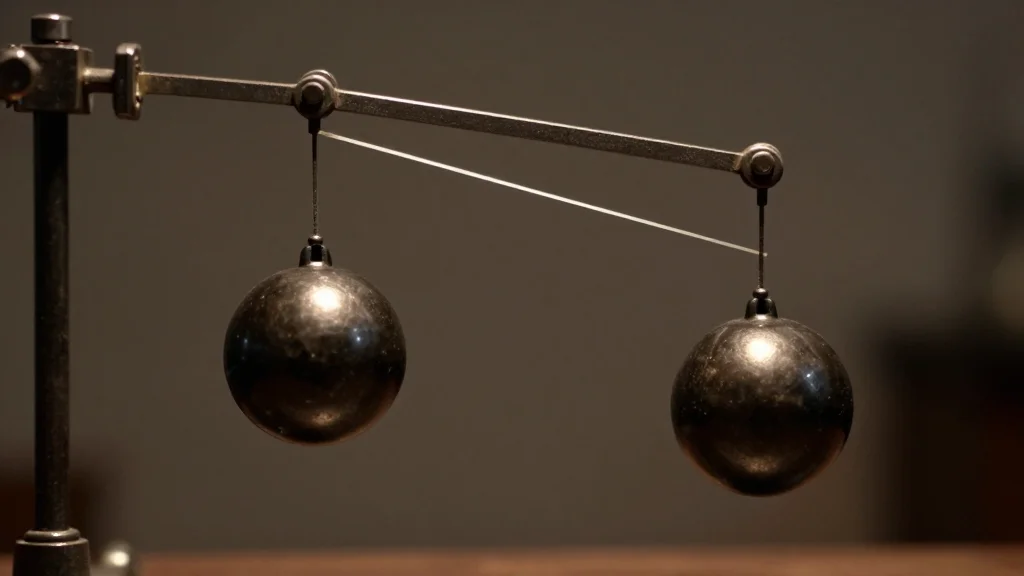
Gravitational Constant’s Value Still Up in the Air
A team at the National Institute of Standards and Technology (NIST) replicated a classic torsion‑balance experiment to re‑measure the gravitational constant G. Their result, 6.67387×10⁻¹¹ m³ kg⁻¹ s⁻² with a 57 ppm uncertainty, aligns with the CODATA world average but sits 250 ppm below the 2014 BIPM...
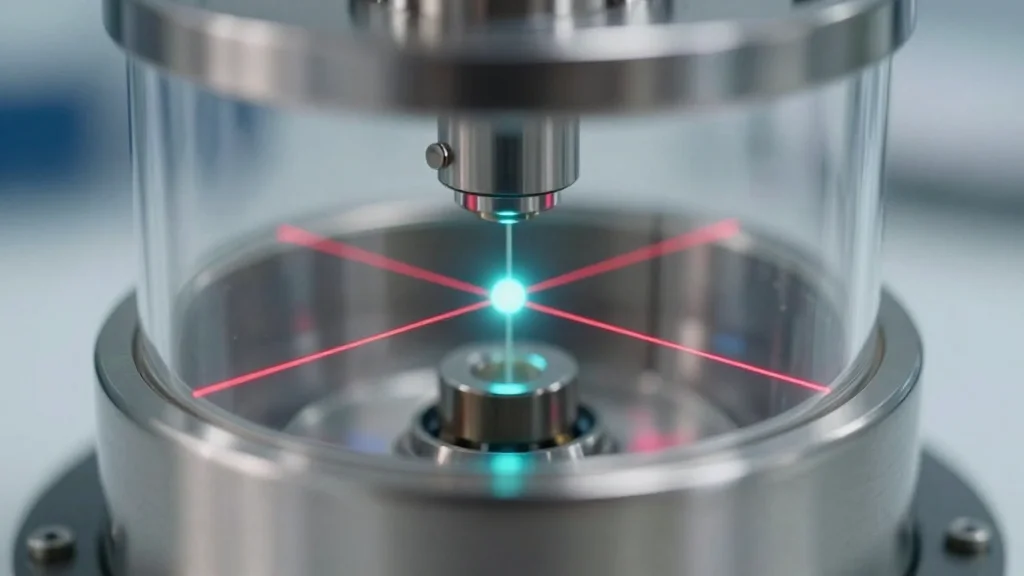
Reliable Quantum Computation of Molecular Energies
Researchers at Quantinuum demonstrated a quantum computation of hydrogen's ground‑state energy using just 23 trapped‑ion qubits. By integrating continuous, real‑time error correction with partially fault‑tolerant gate implementations, the team achieved results that closely align with classical benchmarks, albeit at lower...
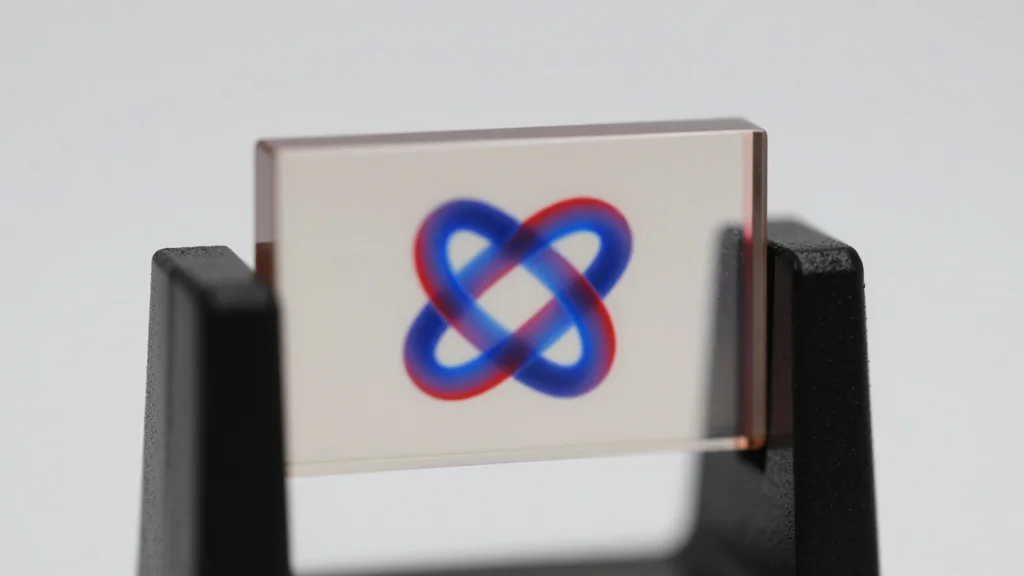
Hopfions at the Breaking Point
Physicists have demonstrated that knot‑like magnetic quasiparticles called hopfions can be deliberately split using spin‑orbit torque. In simulations, a current‑induced torque in a two‑layer magnetic/heavy‑metal stack overcame the topological protection of an H=4 hopfion, tearing it into lower‑H hopfions. The...

When the Environment Writes the Rules of Quantum Dynamics
Researchers at the University of Maryland demonstrated that the crystal environment dictates which nuclear‑spin transitions hydrogen molecules can undergo. By embedding H₂ in CO₂, N₂O and NO₂ crystals, they showed that quadrupolar symmetry allows only magnetic‑quantum‑number‑conserving transitions, while dipolar and...
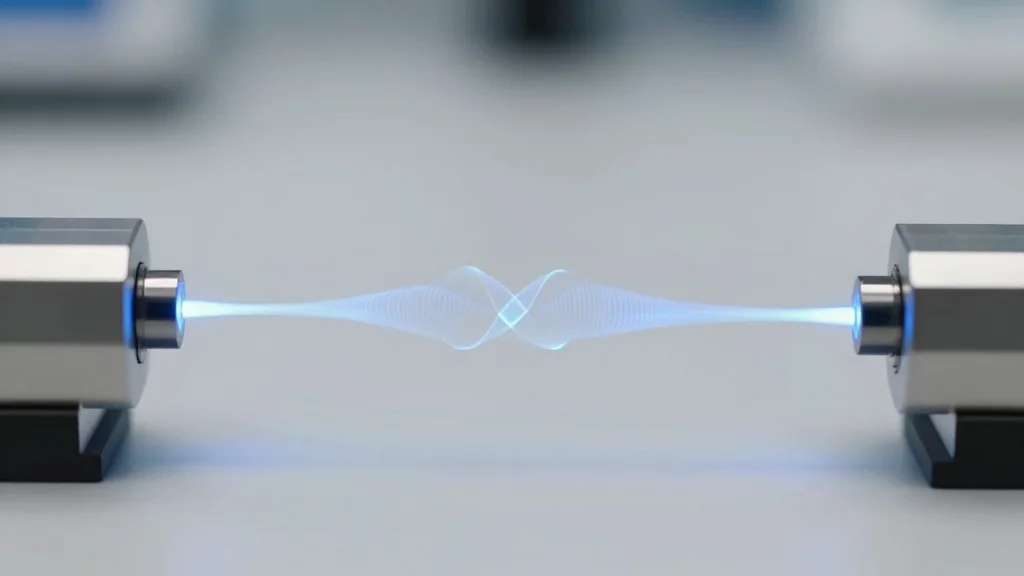
Verifying Entanglement with Limited Data
Researchers at KAIST have unveiled a practical method for confirming quantum entanglement using only a handful of measurement settings. By converting incomplete data into a suite of entanglement witnesses—some generated through a mirroring operation and others via numerical optimization—the team...

Rapid Eye Movements Enhance Information Acquisition
Researchers at the University of Glasgow have introduced a quantitative model that explains how tiny, involuntary eye movements—known as drift—prevent retinal adaptation during steady fixation. The model links the spatial characteristics of a visual stimulus to the diffusion‑driven motion of...