
Transition Finance Needs ‘Realism’, Not Reliance on Private Capital Alone, Says Prudential Chair
Prudential chair Shriti Vadera warned that relying solely on private capital will not close the climate‑financing gap for emerging economies. She highlighted that emerging markets need roughly $1.3 trillion a year in transition finance, yet only about $200 billion currently flows into the sector. Vadera called for standardised, securitised structures to make risk‑bearing equity investable, while stressing that public policy tools such as carbon pricing remain essential for hard‑to‑abate industries. The panel also underscored the importance of domestic savings mobilisation and stronger local green‑finance systems, citing China’s $7 trillion green‑loan market as a model.
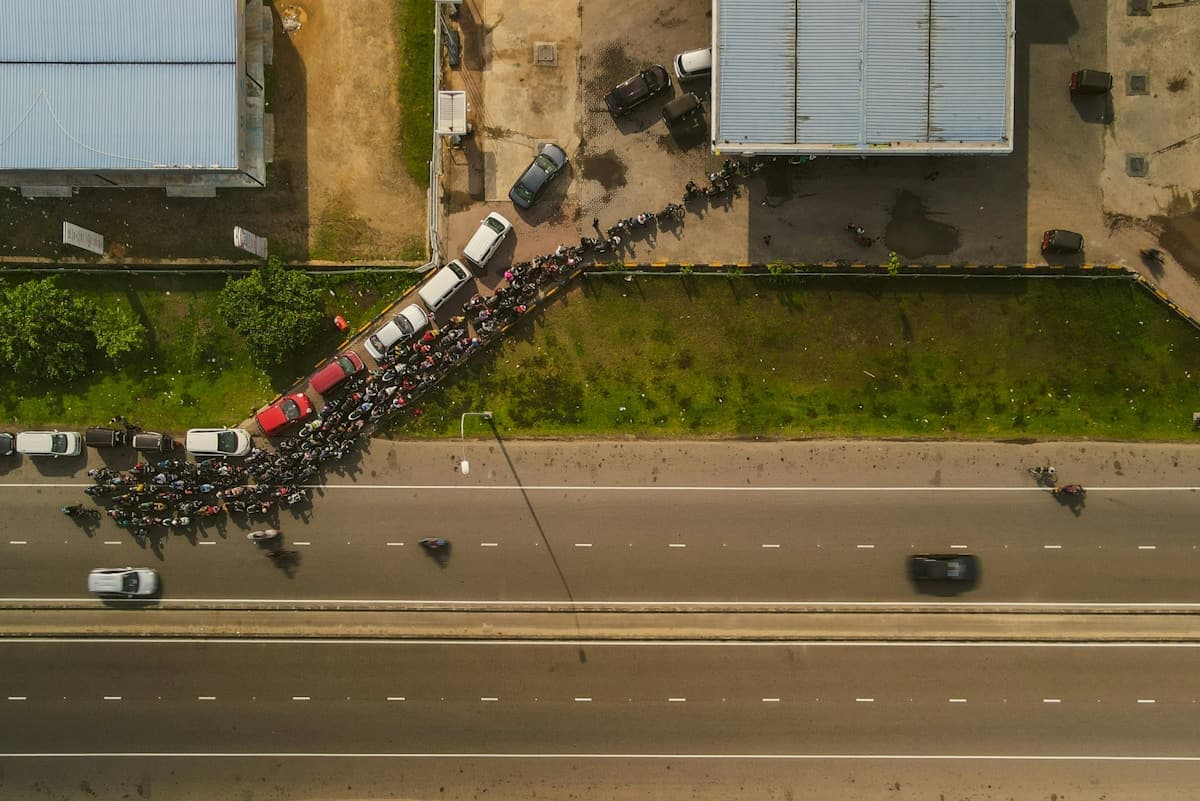
Fossil Fuel Investments Are a Fiduciary Risk
The Iran war has underscored fossil‑fuel exposure as a geopolitical liability for investors, especially in Africa where oil price spikes depress local currencies and strain public finances. Trustees, directors and asset managers face fiduciary pressure to manage this volatility, as...

Singapore Partners with Nuclear Fusion Firm CFS in Push for Future Clean Energy Industry
Singapore has inked a five‑year partnership between its research agency A*STAR and Commonwealth Fusion Systems (CFS) to accelerate commercial fusion development. The collaboration builds on earlier work supplying components for MIT’s SPARC project, a $1 billion demonstration slated for net‑energy gain...
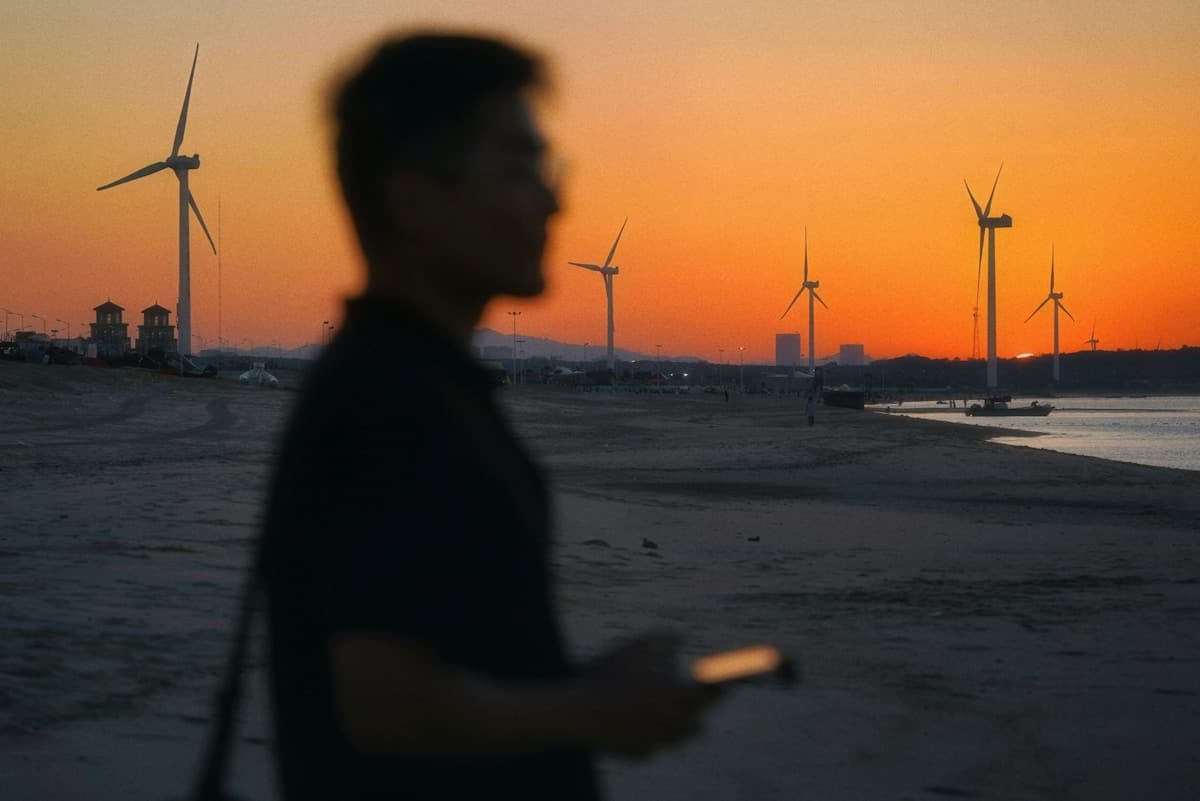
Europe Is Losing the Energy Security Battle to China
The Iran war has forced Europe to spend an extra $28 billion on fossil‑fuel imports, highlighting a widening energy‑security gap with China. China already derives about 30% of its energy from electricity and controls key clean‑energy supply chains, while the EU...

Rockefeller Foundation, Temasek Trust Go Nuclear with New Philanthropic Coalition
The Rockefeller Foundation and Singapore’s Temasek Trust announced the Global Coalition for Nuclear Philanthropy (GCNP) at the Philanthropy Asia Summit, uniting several U.S.-based foundations to channel capital into nuclear energy. Current climate‑philanthropy support for nuclear sits at just 0.2%, highlighting...

Why the Iran War Won’t Mean More Coal Use in China
The Iran conflict pushed global oil prices above $100 a barrel and doubled LNG costs in Asia, prompting analysts to warn that coal could appear cheaper by comparison. In China, however, the government‑set coal price range of ¥570‑¥770 (about $80‑$108)...
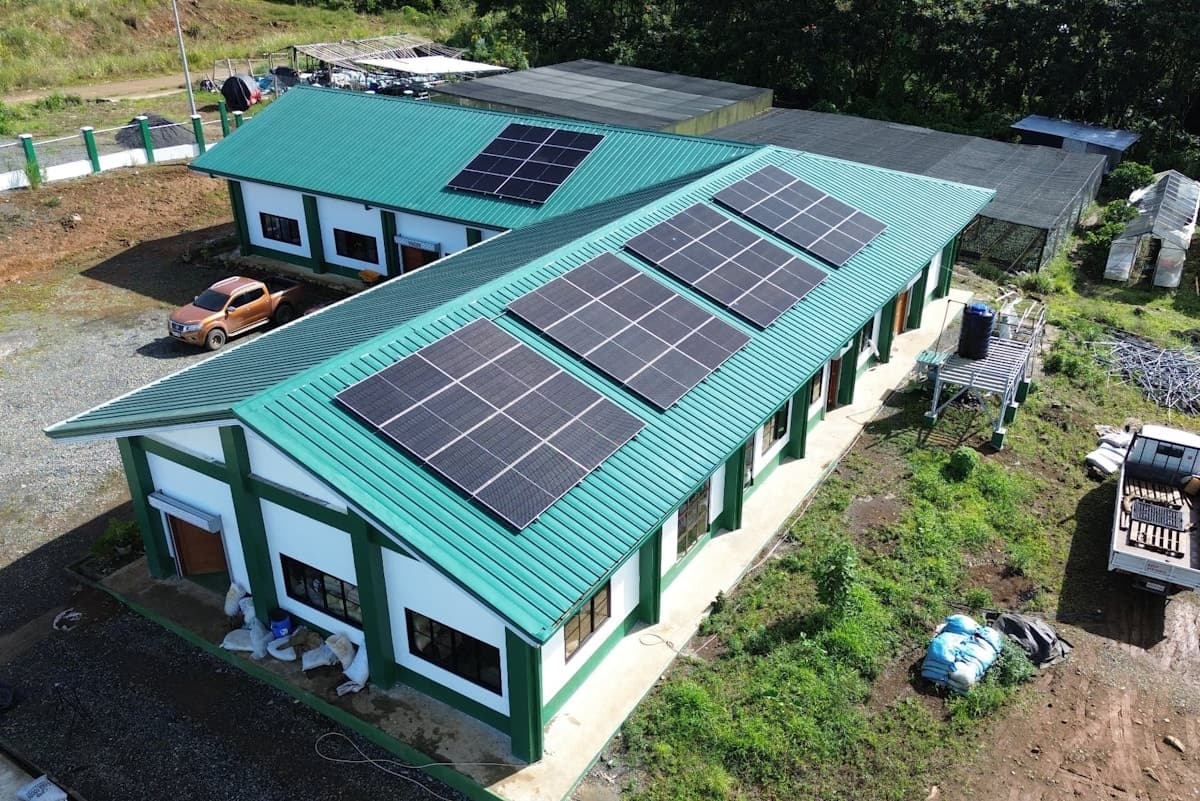
Philanthropy Asia Alliance’s Clean Energy Initiative Pledges $2.6m for Developing Southeast Asian Communities
The Just Energy Transition Community (JETC), a coalition led by the Singapore‑based Philanthropy Asia Alliance, has pledged US $2.6 million to fund clean‑energy projects for farming and fishing villages in the Philippines and Indonesia. The money will finance solar installations, renewable‑energy systems...

Waste-to-Energy ‘Safe’ for Filipinos Amid Health, Pollution Fears: Environment Official
Two fatal landfill slides in Cebu and Rizal this year exposed the Philippines' reliance on aging, poorly regulated dumps, killing at least 36 people. In response, the government cleared its first large‑scale waste‑to‑energy (WTE) project in New Clark City, a...

Japan Launches Programme to Cut Data Centre Emissions as AI Power Demand Surges
Japan’s environment ministry, together with the communications ministry, launched a government‑backed programme to fund low‑carbon data‑centre technologies. Applicants can receive up to ¥300 million ($2 million) annually in commissions or ¥250 million ($1.6 million) in subsidies, with a combined ceiling of ¥500 million ($3.2 million) over...
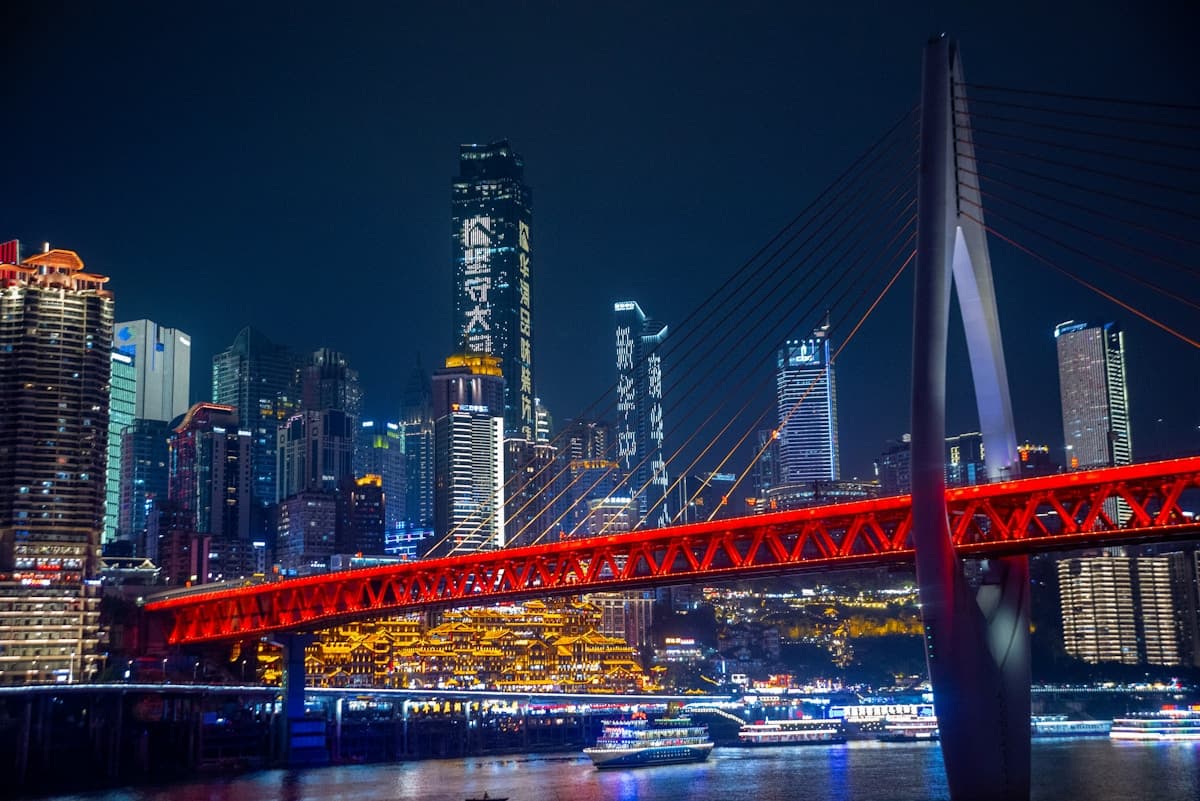
China’s New Hydrogen Push Could Be a Step Towards Cleaner Steel
China’s latest five‑year plan adds a pilot programme that rewards five city clusters for meeting hydrogen targets, earmarking about CNY 8 billion (≈US$1.2 billion) in subsidies. The policy expands hydrogen’s role beyond fuel‑cell vehicles to industrial uses, especially low‑carbon steelmaking. It aims to...
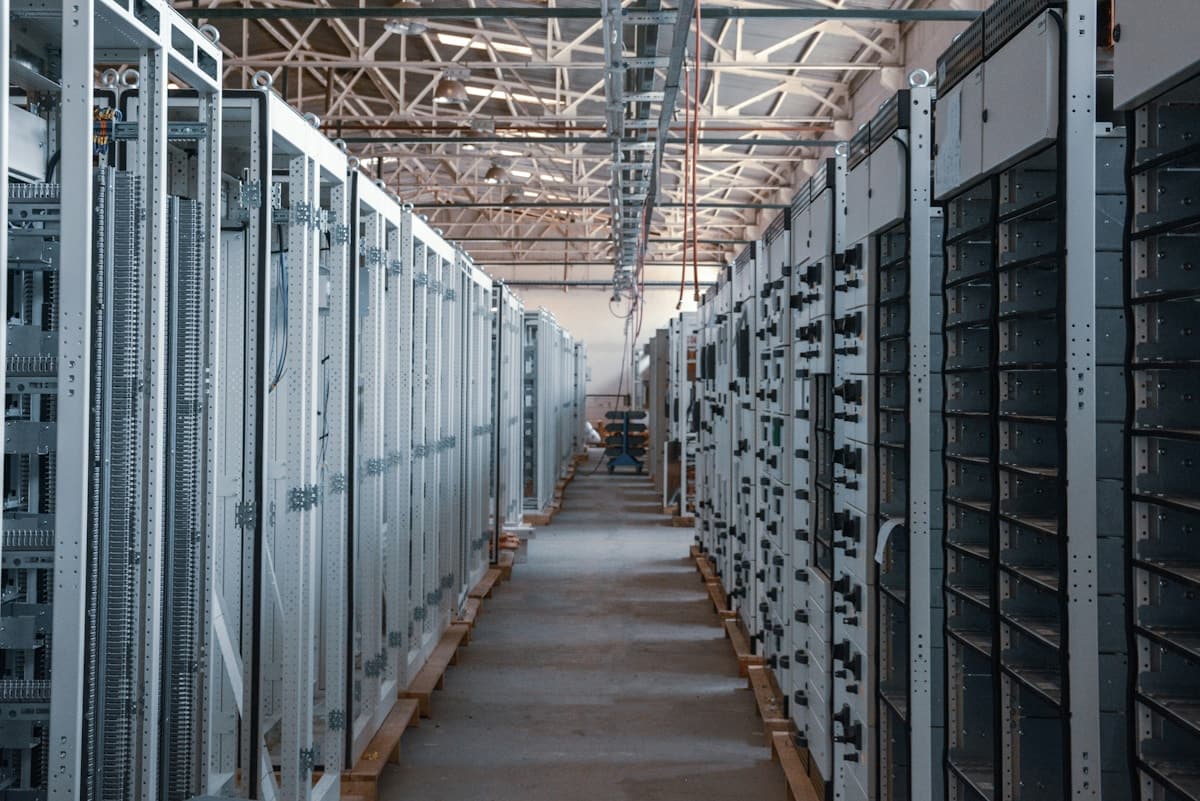
Bridge Data Centres Completes Pilot Using EcoCeres’ Waste-Based Biodiesel as Backup Power
Bridge Data Centres (BDC) completed a pilot in Asia‑Pacific using hydrotreated vegetable oil (HVO) from EcoCeres as a backup fuel for its data centre generators. The waste‑based biofuel matched diesel performance while cutting greenhouse‑gas emissions by up to 90 percent....

Geothermal Is No Longer an Underdog Technology, but a Strategic Advantage for the Philippines
The Philippines turned to geothermal power in the 1970s out of necessity and now boasts the world’s largest geothermal portfolio, exceeding 1,000 MW. First Gen Geothermal Renewables, inheriting Energy Development Corporation’s assets, leverages that base to offer 24/7 renewable baseload amid rising...
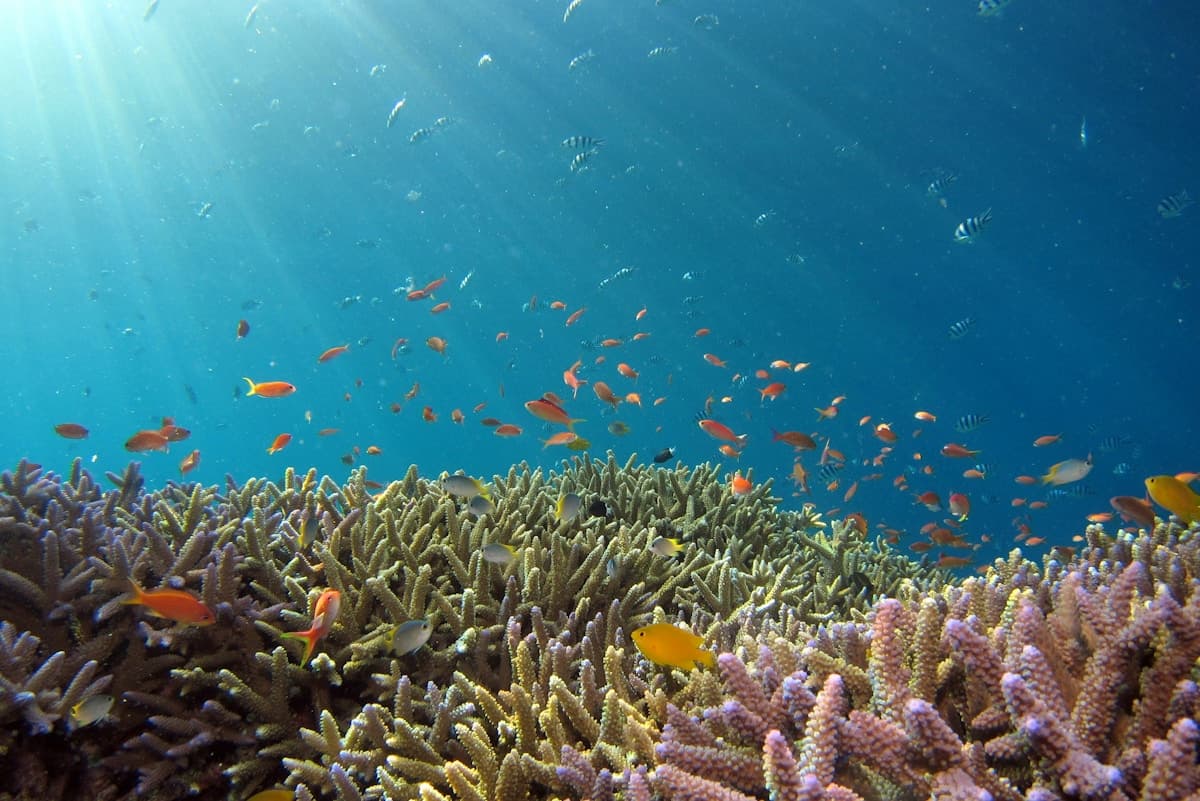
Japan Warns Okinawa LNG Plant Could Harm Coral Reefs, Raises Risk of Future Shutdown
Japan’s environment ministry warned Okinawa Electric that its planned 130 MW LNG-fired power plant, slated to start in fiscal 2032, could damage nearby coral reefs and add carbon emissions unless linked to the retirement of older fossil‑fuel units. The ministry called...
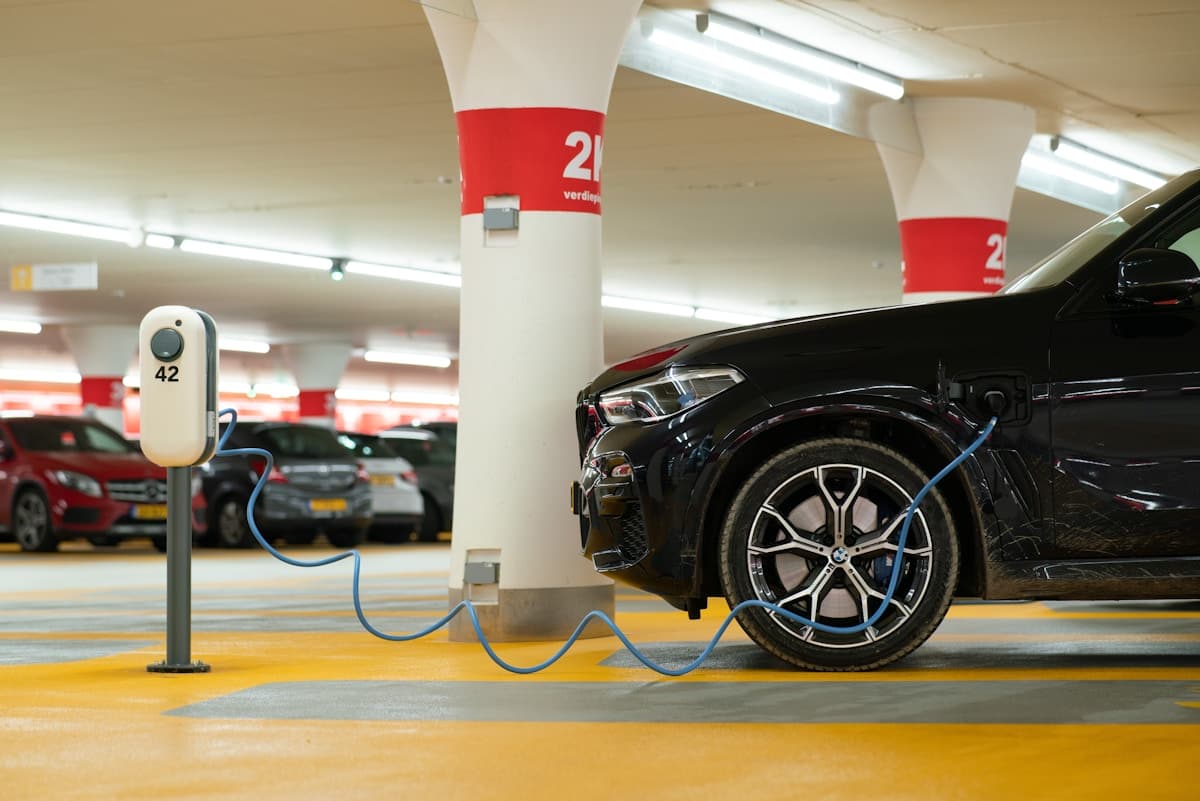
The Energy Crisis Is Reshaping Asia’s Energy Transition Pathway
Asia‑Pacific’s long‑standing gamble on liquefied natural gas (LNG) as a transition fuel is being questioned after recent price spikes triggered blackouts and fiscal strain across the region. While LNG imports now account for roughly 70% of global shipments, battery storage...
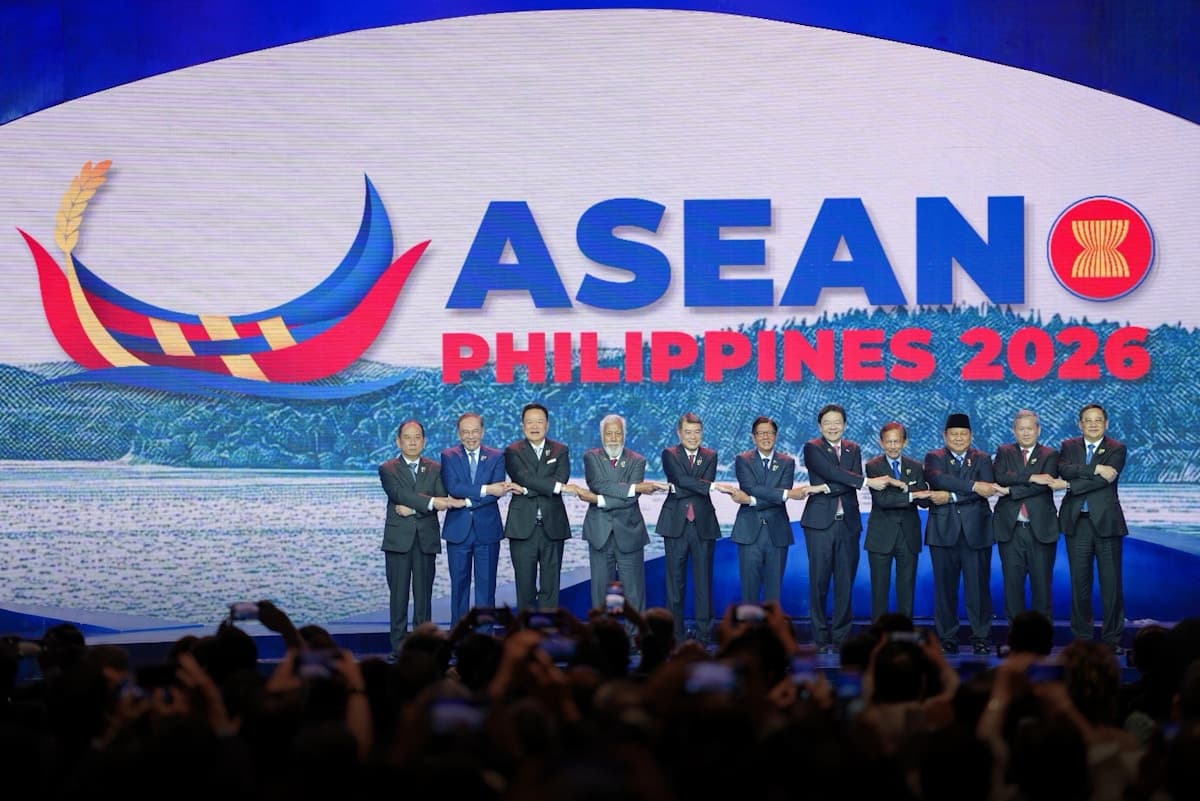
Beyond Green Extractivism: Asean's Security Depends on Justice
At the ASEAN summit in Cebu, leaders confronted a stark paradox: while the region’s energy plan touts a "Just and Inclusive Energy Transition," its infrastructure still prioritises natural‑gas pipelines and joint oil stockpiles. The ongoing Strait of Hormuz crisis has...