
AI’s Energy Appetite Is Outpacing Deployment of AI-Based Climate Solutions: IEA
The International Energy Agency warns that AI’s electricity appetite is outpacing the sector’s use of AI to improve energy efficiency. AI‑focused data centres are projected to double global electricity demand from 485 TWh in 2025 to 950 TWh by 2030, while adoption of AI tools in the energy industry remains fragmented due to skill gaps, data silos and weak policy support. Capital spending by the five largest tech firms already exceeds $400 billion and is expected to rise 75 % in 2026, surpassing total global oil‑and‑gas investment. The IEA estimates AI could save 13 exajoules of energy by 2035 if deployment scales, but without coordinated action grid strain and higher electricity prices may follow.
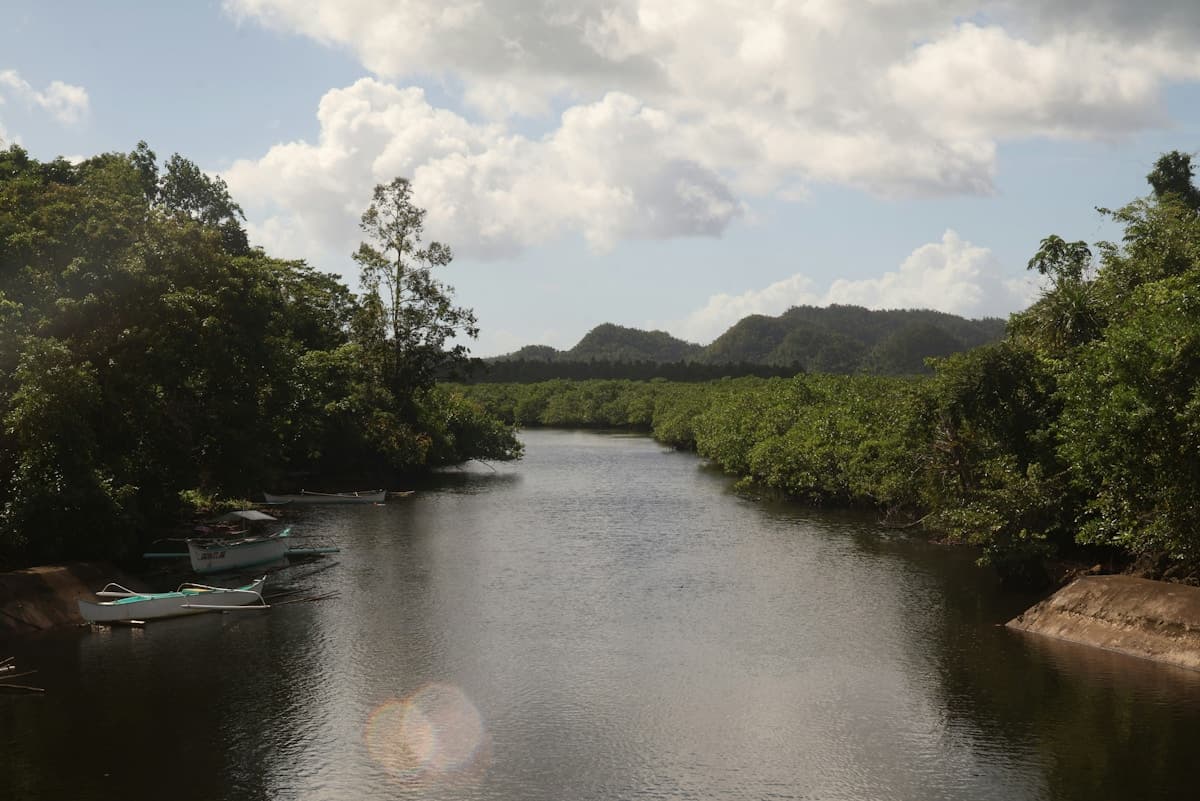
ICVCM Approves Another Carbon Credit Standard, Mangrove Restoration Rules as High Integrity
The Integrity Council for the Voluntary Carbon Market (ICVCM) granted its high‑integrity Core Carbon Principles (CCP) label to version 1.1 of the Global Carbon Council Standard and to Isometric’s Mangrove Restoration Protocol, the first methodology focused on mangrove ecosystem recovery. The...
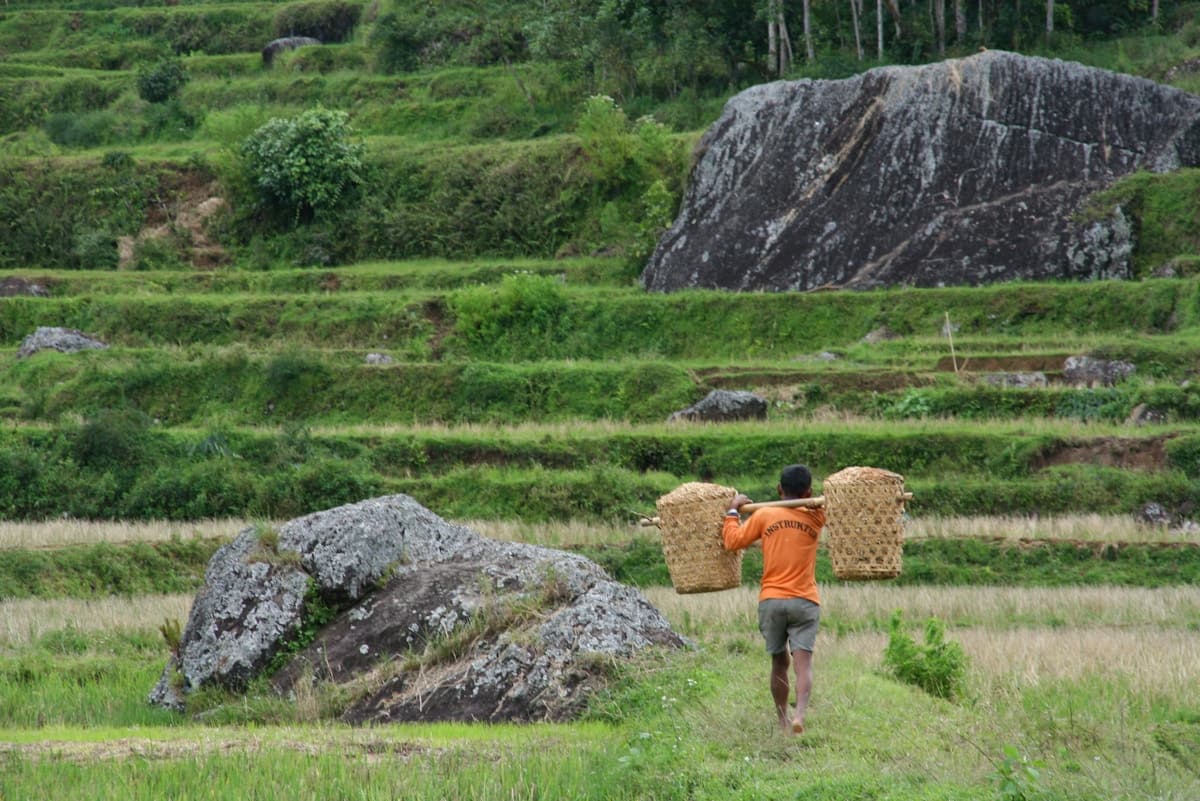
How Asean Can Reduce Its Heavy Dependence on Imported Agricultural Inputs
ASEAN’s agriculture relies heavily on imported fertilizers, pesticides and seeds, exposing the region to price spikes and geopolitical shocks. China, the Middle East and Russia dominate fertilizer imports, while China supplies most pesticides and the US/EU control high‑value seeds. The...
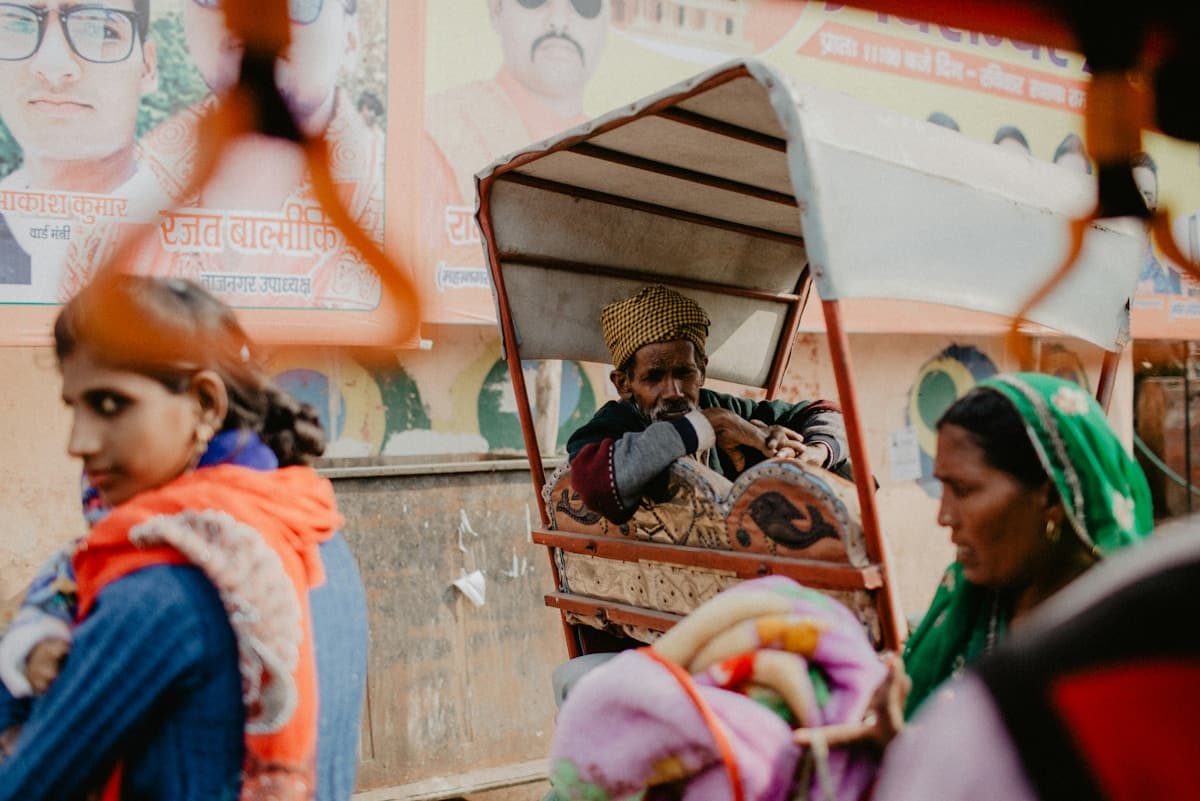
Extreme Heat Reshapes Travel in Asia, Nearly Half of Travellers Changing Plans: Survey
Extreme heat and erratic weather are reshaping travel behavior across Asia‑Pacific, according to Booking.com’s latest research. Seventy‑nine percent of regional travellers now factor extreme‑weather risk into destination and timing choices, and 44% have cancelled or altered trips in the past...
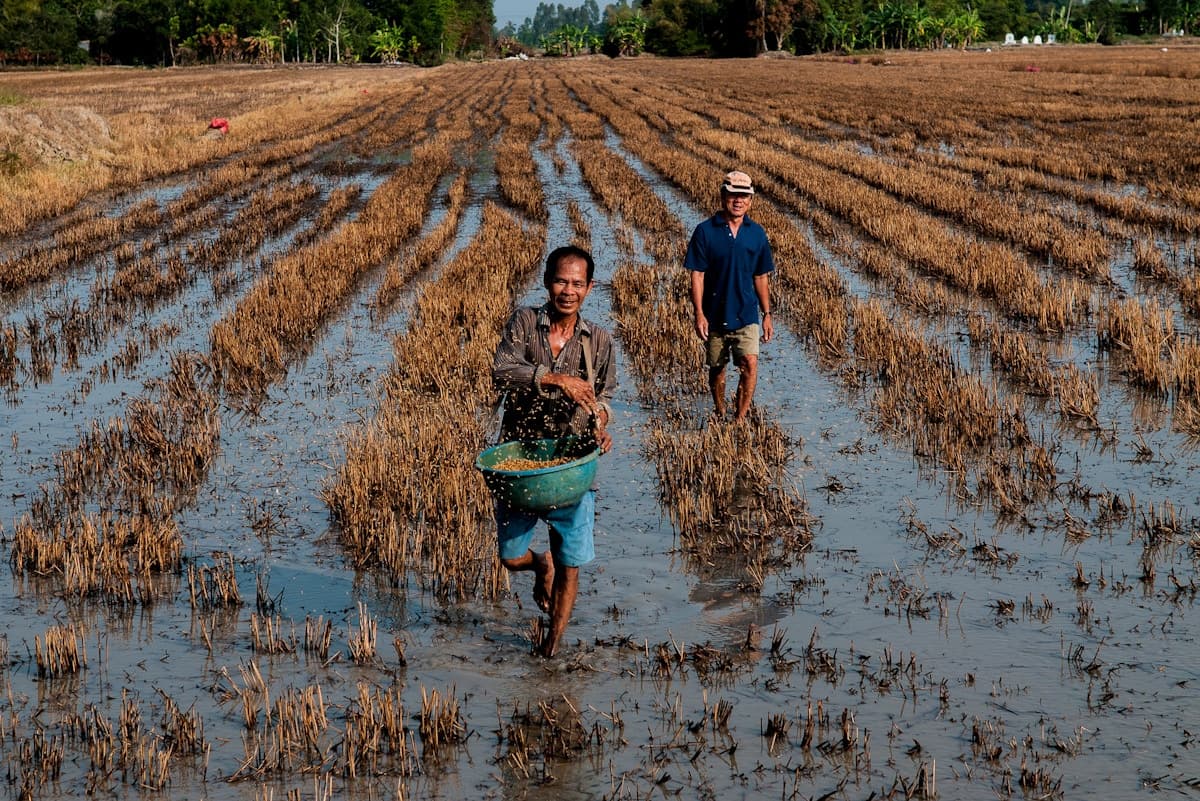
The World’s Great Deltas Are Sinking, Threatening Global Food Supplies
A new Nature study reveals that 40 of the world’s largest river deltas are losing elevation, with 19 sinking faster than global sea‑level rise. In the Mekong Delta, sediment delivery has dropped by more than 90% because of 745 dams...

Philippines Urges Southeast Asian Neighbours to Accelerate Renewable Energy, Stabilise Food Security at Asean Summit
At the 48th ASEAN summit in Cebu, Philippine President Ferdinand Marcos Jr. called on Southeast Asian leaders to accelerate renewable‑energy deployment and strengthen food‑security mechanisms. He highlighted the Philippines’ own rollout of 250 MW of solar and a 450 MWh battery system,...

ESG Funds Outperform Peers and Benchmark over Longer Term, South Korean Study Finds
Sustinvest’s new report shows South Korean ESG mutual funds outperformed non‑ESG peers and the KOSPI benchmark, especially over one‑ and three‑year horizons. The 188 funds studied hold KRW 9.6 trillion (≈US $6.9 billion) in assets, with active equity ESG funds delivering 37.2% returns in...
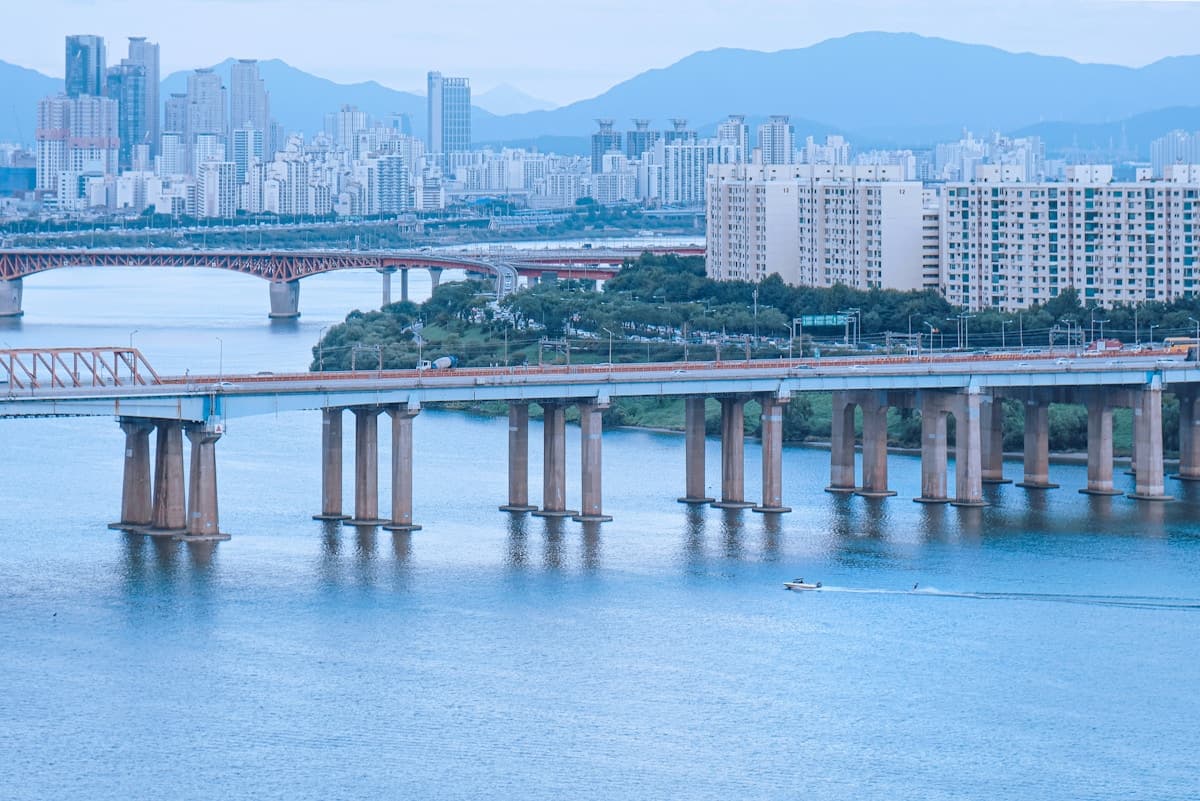
South Korean Power Firms Unable to Project Long-Term Coal Losses Amid 2040 Phaseout Push: Report
South Korean state‑run power generators reported they cannot produce long‑term financial forecasts for their coal‑fired assets beyond 2030, citing uncertainty over fuel costs, utilization rates and carbon‑permit allocations. The five utilities—KOEN, KOSPO, EWP, WP and KOMIPO—are unable to estimate profitability,...

Indonesia’s Crocodile Attacks Rise as Wetlands Are Cleared for Mining, Oil Palm
A wave of estuarine crocodile attacks has swept Bangka Island, with the latest fatality marking the 21st death in five years. Researchers link the surge to extensive wetland destruction caused by illegal tin mining and the conversion of swamps into...
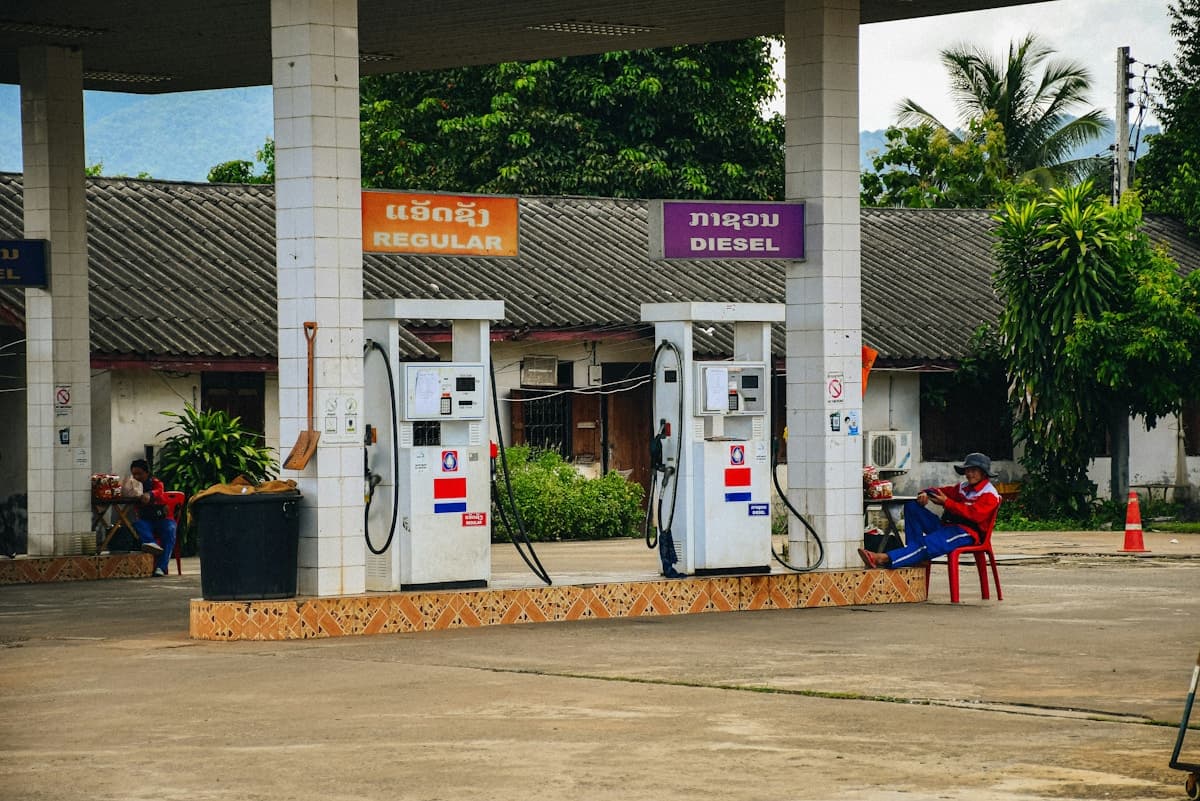
Asean’s Next Generation of Biofuels Needs Resilience Beyond Blending
ASEAN is scaling first‑generation biodiesel and bioethanol to cut diesel and gasoline imports, with Indonesia targeting 14.2 bn L of biodiesel and Thailand using over 1 bn L each of ethanol and biodiesel in 2025. While these blends improve energy security, rising oil‑linked input...

South Korean Chipmakers Emerge in Ranking of Companies with Biggest Global AI Revenue Growth
South Korean chipmakers SK Hynix and Samsung Electronics ranked among the fastest‑growing AI‑revenue companies in 2024‑2025, driven by surging demand for high‑bandwidth memory (HBM) chips. SK Hynix more than doubled its AI‑linked revenue to $70.4 billion, while Samsung’s AI‑related sales rose...
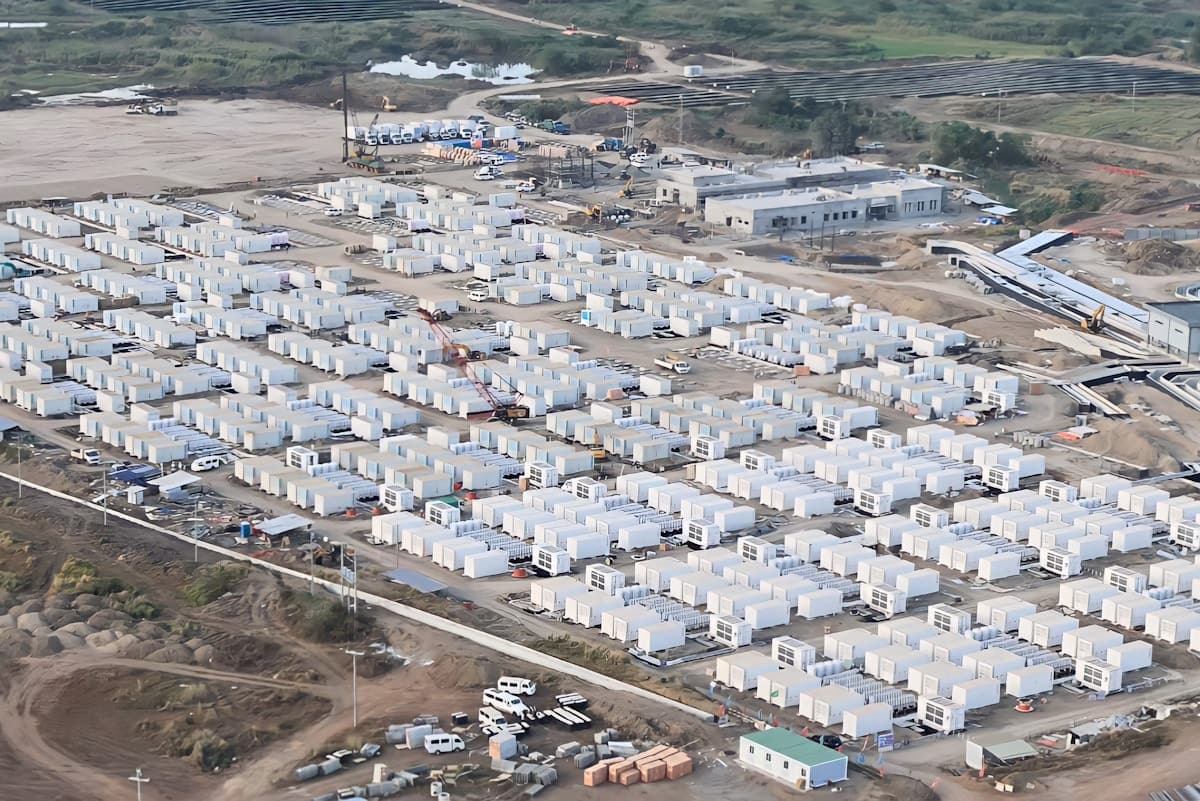
Philippines Could Cut $28 Million in Fossil Fuel Imports by Meeting 2030 Solar Target, Says Report
A Zero Carbon Analytics report estimates that hitting the Philippines' 9.5 GW solar goal by 2030 could shave roughly $28 million off coal and gas import bills. The avoided spending breaks down to about $23.6 million in LNG costs and $4.5 million in coal...
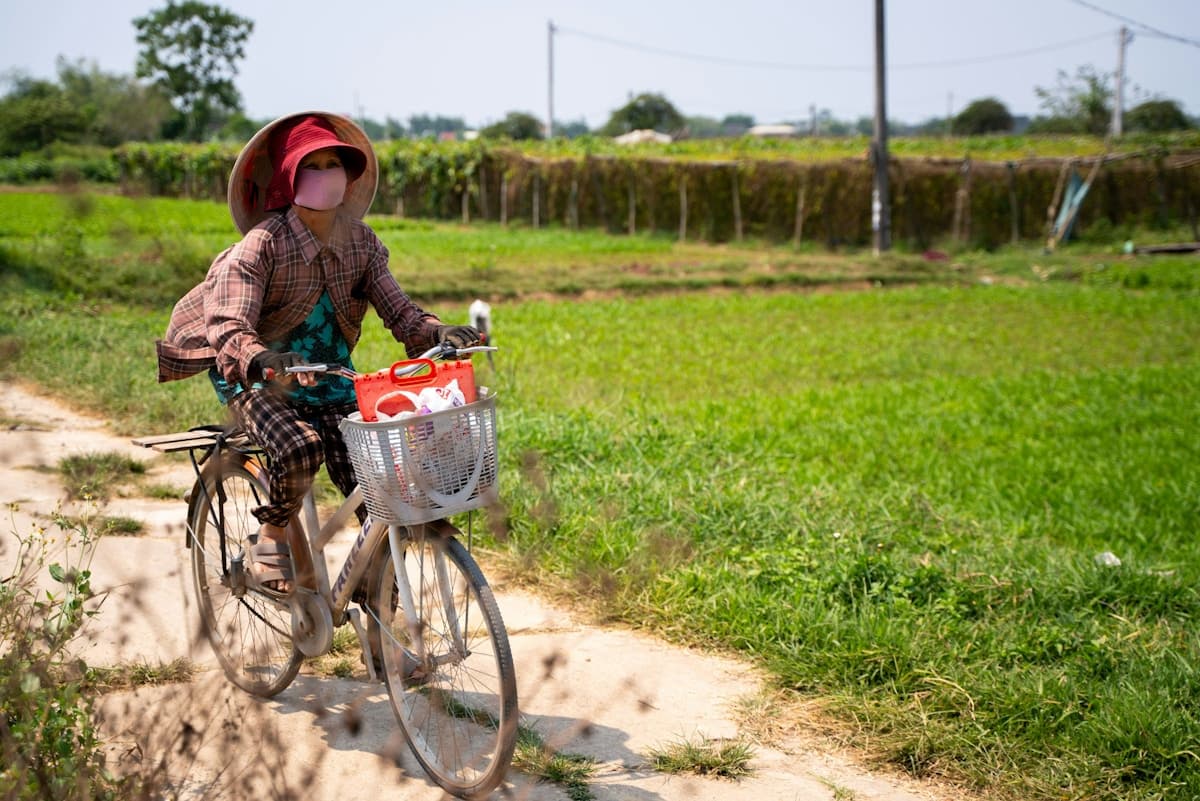
Vietnam’s Race to Go Nuclear Leaves Villagers in Limbo
Vietnam is fast‑tracking its first nuclear plant, Ninh Thuan 1, with a target operational date of late 2031. The government plans to relocate about 477 households—roughly 2,000 residents—from Vinh Tuong, where snail farms have already been shut down, but no concrete compensation package has...

China’s Bird Tourism Boom Sparks Calls for Regulation
China’s grassroots “hide‑in‑bird‑pond” tourism has exploded, with more than 250 ponds now operating in 24 provinces. The model, pioneered in Yunnan’s Baihualing village, has lifted local per‑capita incomes from about $430 in 2008 to over $1,700 and generated roughly $1.1 million...
Malaysia Must End Fossil Fuel Subsidies for Economic and Energy Security
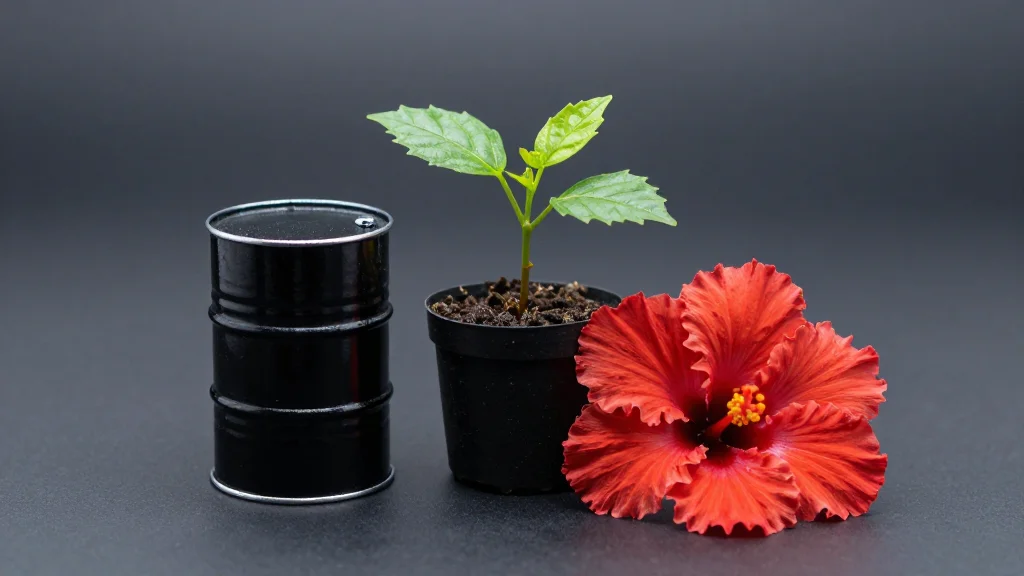
Malaysia's fossil fuel subsidies, once used to stabilise prices, now cost about RM52 bn (US$13 bn) in fuel plus RM8 bn (US$2 bn) for electricity, representing over 4% of GDP. The blanket approach distorts markets, favors wealthier consumers, and crowds out spending on health,...

Taiwan Weighs Stricter Air Pollution Rules that Could Force Factory Shutdowns
Taiwan lawmakers have introduced draft amendments that would shorten air‑pollution permit validity to two years and require renewal reviews within two months, with non‑compliance potentially forcing factories to shut down. The proposal also empowers local governments to revise permit conditions...

World Bank Resurrects Industrial Policy: Ball Is in Southeast Asia’s Court
The World Bank has reversed its long‑standing opposition to industrial policy, declaring it a core component of national development strategies in its 2026 report. It cites three transformative trends—global value chains, green industrial policies, and AI—that require countries to upgrade...

Global Steelmakers Can Do Much More to Green Their Processes
SteelWatch’s new scorecard evaluated 18 leading steelmakers on 21 climate‑related indicators and found none scored above 50 out of 100, exposing a stark "transition readiness gap." While most firms have 2050 net‑zero targets, the majority still rely on coal‑fired blast...

Underground Pollution Is Threatening the Philippines’ Corals
Groundwater flowing through the Philippines' porous volcanic terrain—known as submarine groundwater discharge (SGD)—is delivering untreated wastewater nutrients and contaminants directly to coastal reefs. With only about 30% of the country’s wastewater treated, SGD nutrient loads can surpass river inputs, fueling...

Eco-Business' Podcast Series Wins at WAN-IFRA Asian Digital Media Awards
Eco‑Business’s eight‑episode podcast series “On the frontlines,” launched in early 2025, won the WAN‑IFRA Asian Digital Media Awards 2026 “Best Use of Audio” in the small‑and‑medium media category. The series examines how Asian chief sustainability officers are pressured to prove...

New Japan Methodology Targets Carbon Market Gap in AI-Driven Efficiency
Japanese climate‑tech startup Linkhola launched an AI‑driven carbon‑credit methodology that turns energy savings from smart HVAC systems into tradable credits. The approach quantifies reductions by comparing electricity use before and after AI control, targeting both new and existing buildings worldwide....
How Southeast Asia’s Power Grids Are Wired Could Hinder Its Clean Energy Shift: Study
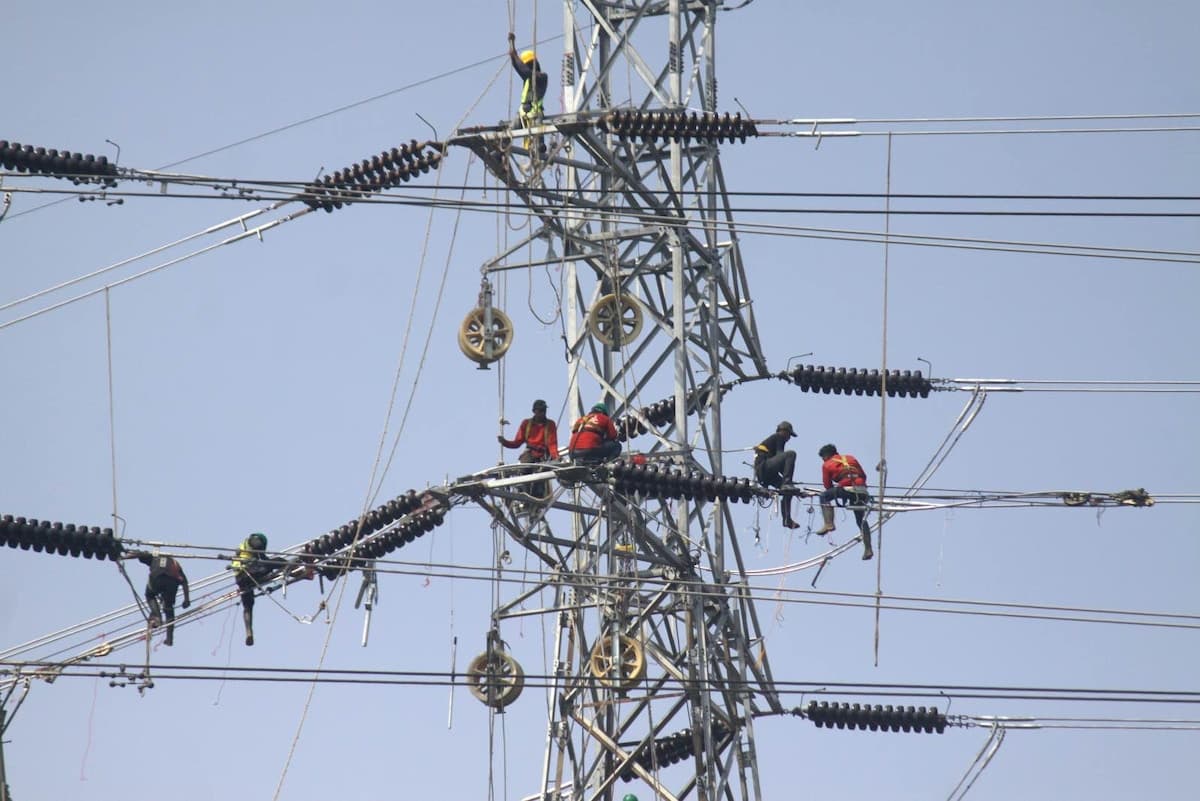
A new Agora Energiewende study warns that Southeast Asia’s vertically integrated utilities, which own generation, transmission and distribution, could stall the region’s rapid clean‑energy transition. The analysis highlights that these utilities have little incentive to connect rooftop solar or other...
Indonesia Ends Nationwide EV Tax Breaks, Shifts Control to Regions
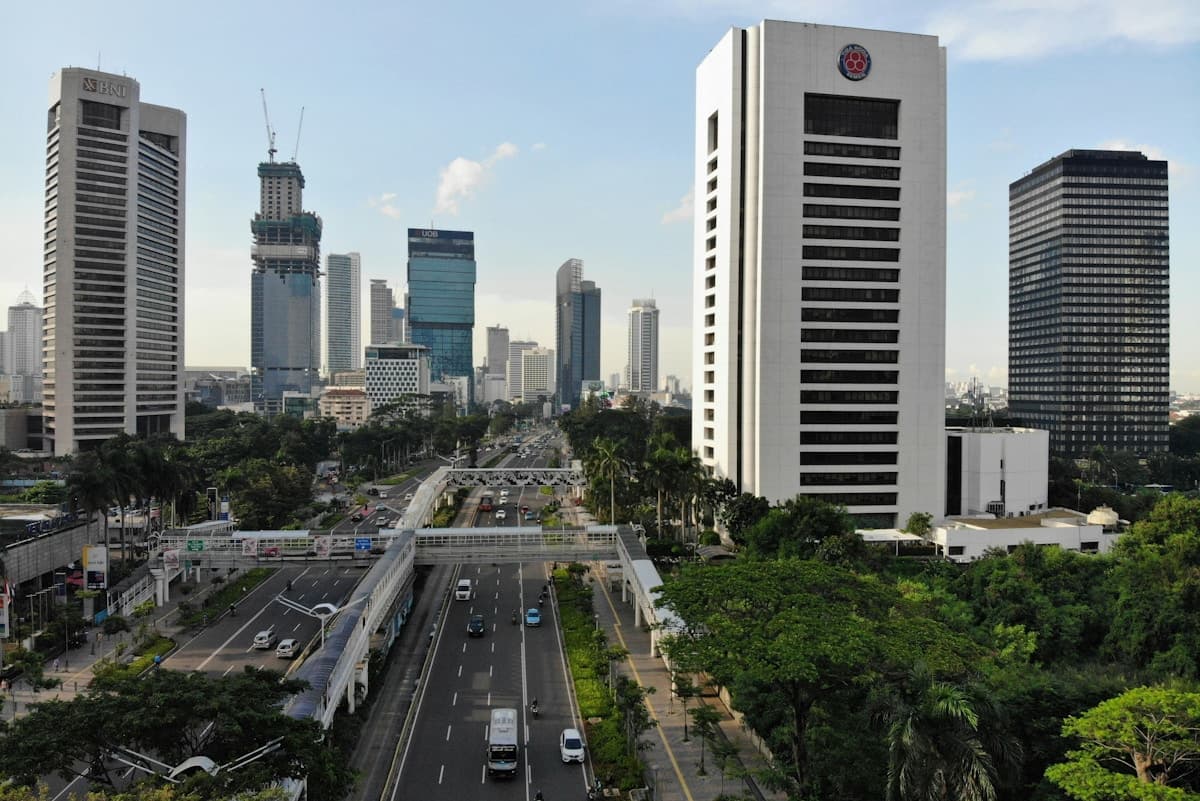
Indonesia has ended its nationwide zero‑tax incentive for electric vehicles, moving tax authority to provincial governments. Under the new framework, EVs will be subject to the standard Motor Vehicle Tax and title‑transfer fee, with rates set locally. The shift creates...
Mahakumbh 2025 Holds Lessons in Solving India’s Waste Crisis
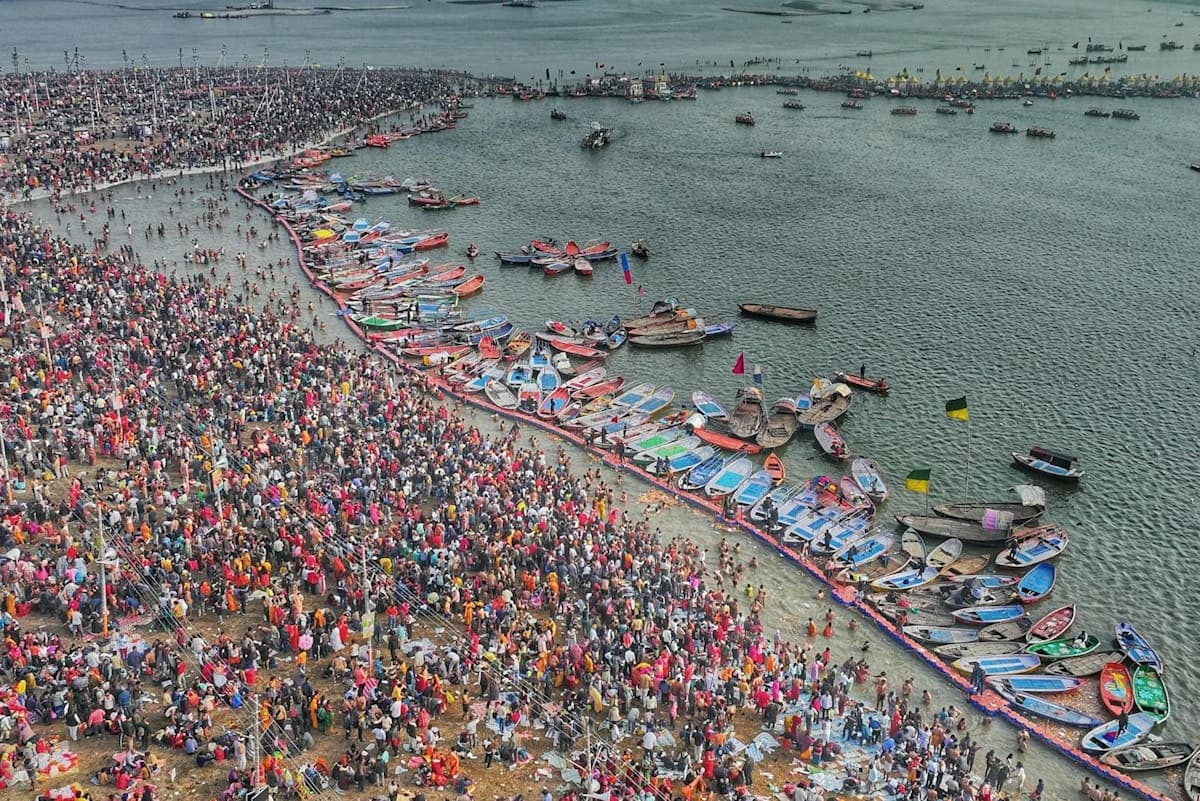
Mahakumbh 2025, the world’s largest human gathering, hosted roughly 660 million pilgrims over six weeks and produced about 400 metric tons of solid waste. The Uttar Pradesh government deployed a temporary megacity with 15,000 sanitation workers, 10 sewage‑treatment plants and a bio‑CNG facility...

UN Shipping Talks More than a Climate Deal but ‘a Test of Global Cooperation’s Survival’: Advocates
Negotiators at the IMO’s interim talks in London are wrestling with a proposed Net‑Zero Framework that would put a global carbon price on shipping, which accounts for roughly 3% of worldwide greenhouse‑gas emissions. The outcome is being framed as a...

Japan Firms Least Confident on Net Zero Among G7, BSI Survey Shows
A British Standards Institution survey of 7,068 business leaders finds Japanese firms are the least confident among G7 economies about achieving net‑zero emissions. Only 69% of Japanese respondents say they are committed to their national target and just 43% believe...
Fossil Fuel Subsidies, High Costs Slow Energy Transition in Rural Indonesia
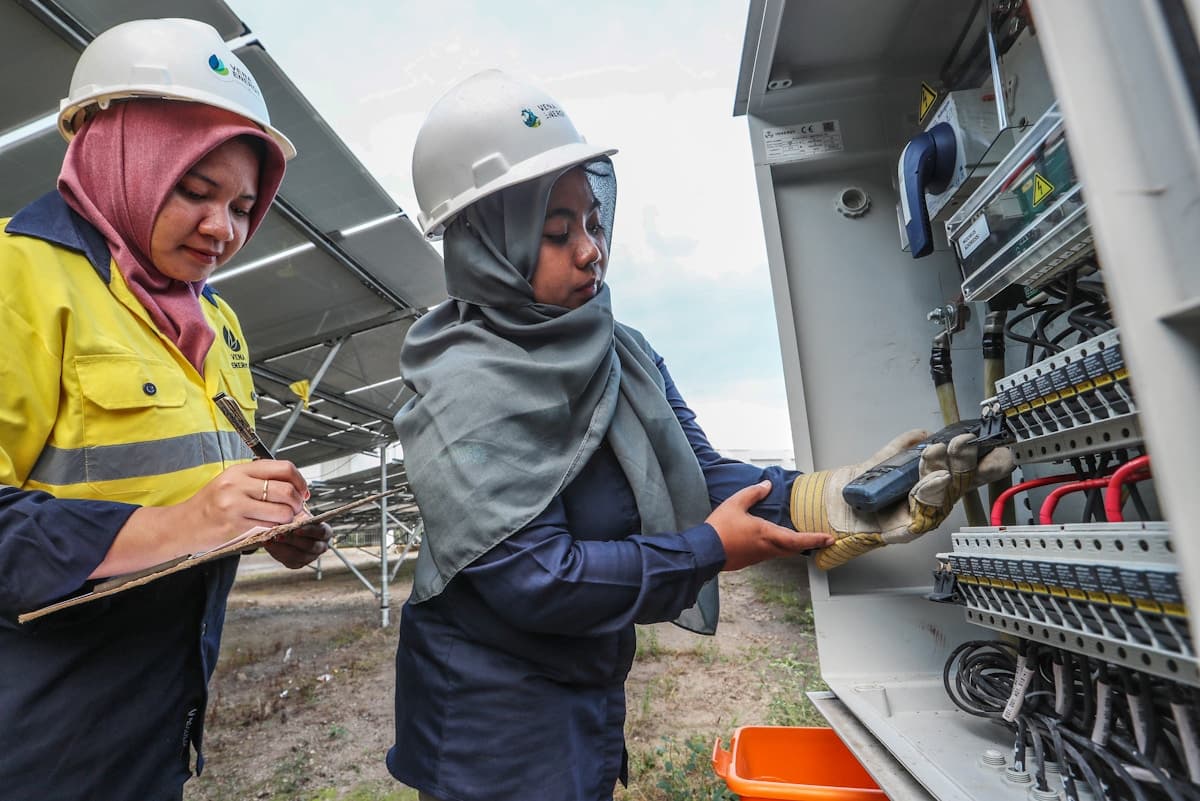
Indonesia’s Village Energy Transition Readiness Index shows solar adoption among households fell 26% between 2021 and 2024, while solar‑powered street lighting rose 20%. The decline is linked to high upfront costs, weak incentives and persistent fossil‑fuel subsidies. Regional gaps persist,...
Cities Can Unlock More Private Investments for Urban Climate Action: Report
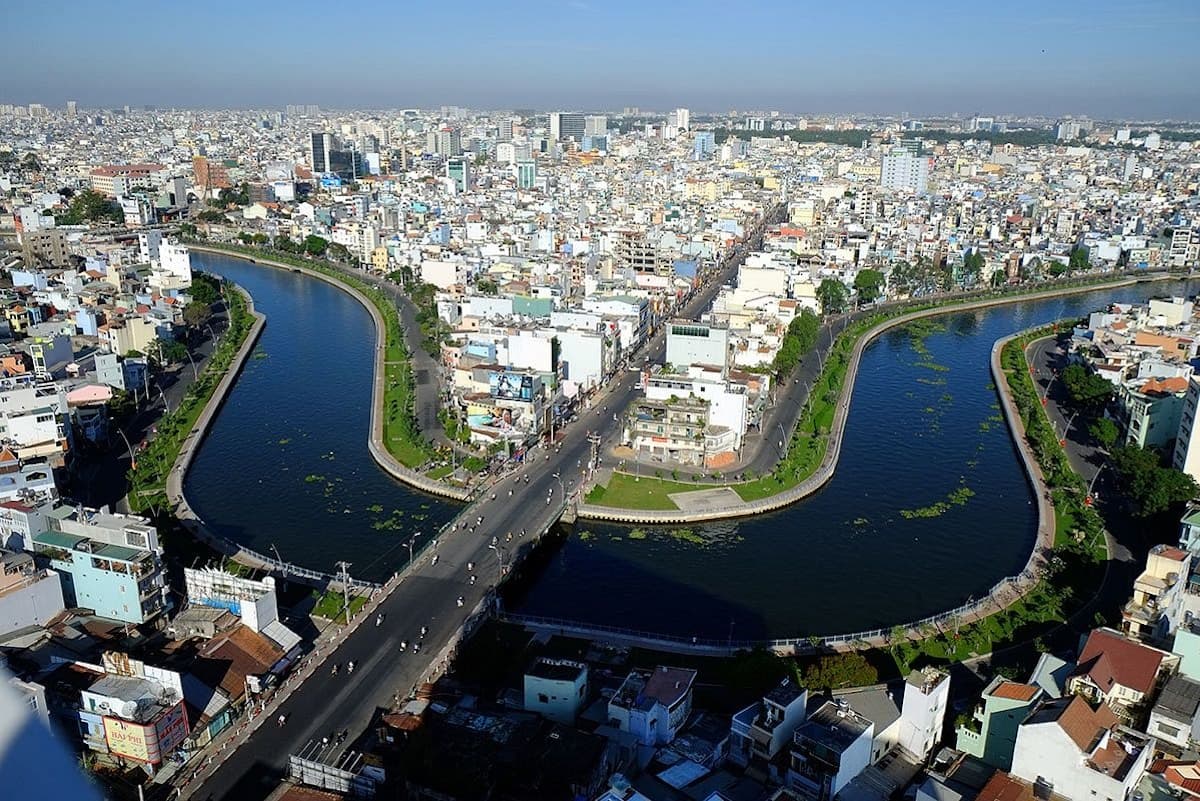
C40 Cities released a new report outlining how city planners can attract private capital for climate‑adaptation projects. The guidance stresses aligning planning with finance, creating clear adaptation pipelines, and engaging investors early to improve bankability. It also recommends blended‑finance tools...
Fossil Fuels Do Not Guarantee Energy Security: COP31 Presidency
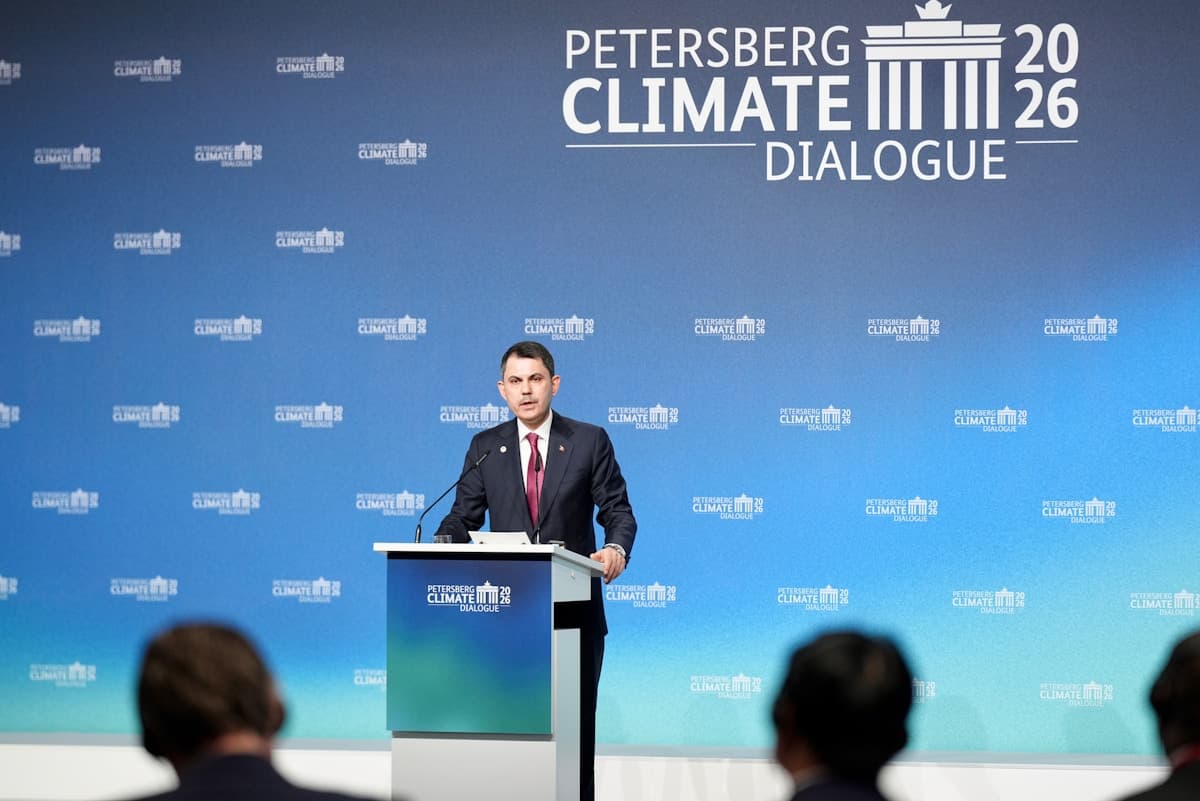
At the Petersberg Climate Dialogue in Berlin, COP31 president‑designate Murat Kurum warned that reliance on fossil fuels no longer guarantees energy security and called for an accelerated shift to diversified renewable systems. He highlighted Turkey’s decade‑long success, citing a three‑fold...

Chinese Firms No Less Green than Europeans, Says Leading Local Expert
Chinese renewable energy firms are subject to environmental rules as strict as Europe’s, according to Weiquan Wang of the China Renewable Energy Industries Association. Developers must gather one to two years of data and complete comprehensive environmental impact assessments before...
Malaysia Launches Its First Carbon Market Policy, Puts Carbon Tax on Hold
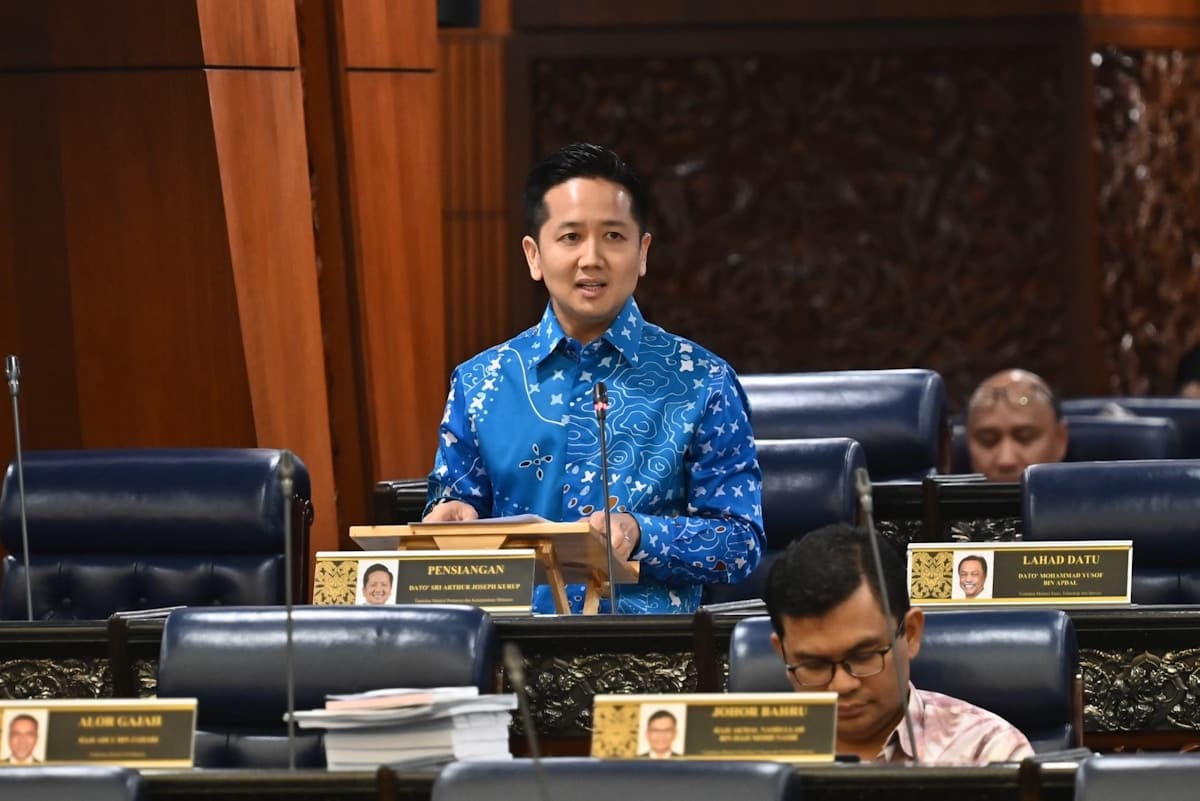
Malaysia has published its first National Carbon Market Policy (NCMP), outlining a framework for domestic decarbonisation and participation in international compliance markets under Article 6 of the Paris Agreement. The government has put the planned carbon tax for hard‑to‑abate sectors on...

Is Green Living a Myth? Why Individual Action Won't Save the Planet
Environmental social scientist Michael Maniates argues that the popular "green living" narrative—promoting individual consumer choices as climate solutions—is a myth. He points out that most environmental impact stems from industrial systems and supply chains, with 90‑95% of a product’s footprint...
Is Green Living Is a Myth? Why Individual Action Won't Save the Planet
Environmental social scientist Michael Maniates argues that the popular narrative of "green living"—individual consumer choices driving climate solutions—is a myth. Drawing on decades of research, he explains that personal actions like buying eco‑products or swapping lightbulbs account for a tiny fraction...

AI Access May Not Always Be Unlimited as ESG Risks Mount – Are Businesses Ready?
Companies are betting heavily on artificial intelligence under the assumption that access will remain limitless and cheap, but mounting ESG risks could curtail availability and drive up costs. The article urges boards and investors to treat AI access as a...

South Korea to Unveil Green Transition Roadmap Amid Lagging Renewables
South Korea will unveil its "Green Great Transformation Strategy" in June, laying out a roadmap to hit 100 GW of renewable capacity and at least a 20% share of renewables in the power mix by 2030, with a carbon‑neutral target for...

Whose Water Is AI Drinking in India?
Tech giants and Indian conglomerates have pledged $167.5 bn to build AI data centres across India. These facilities, concentrated in Mumbai, Bengaluru, Chennai, Hyderabad and Delhi‑NCR, consume massive water volumes—about 150 bn litres in 2025 and projected to exceed 350 bn litres by...
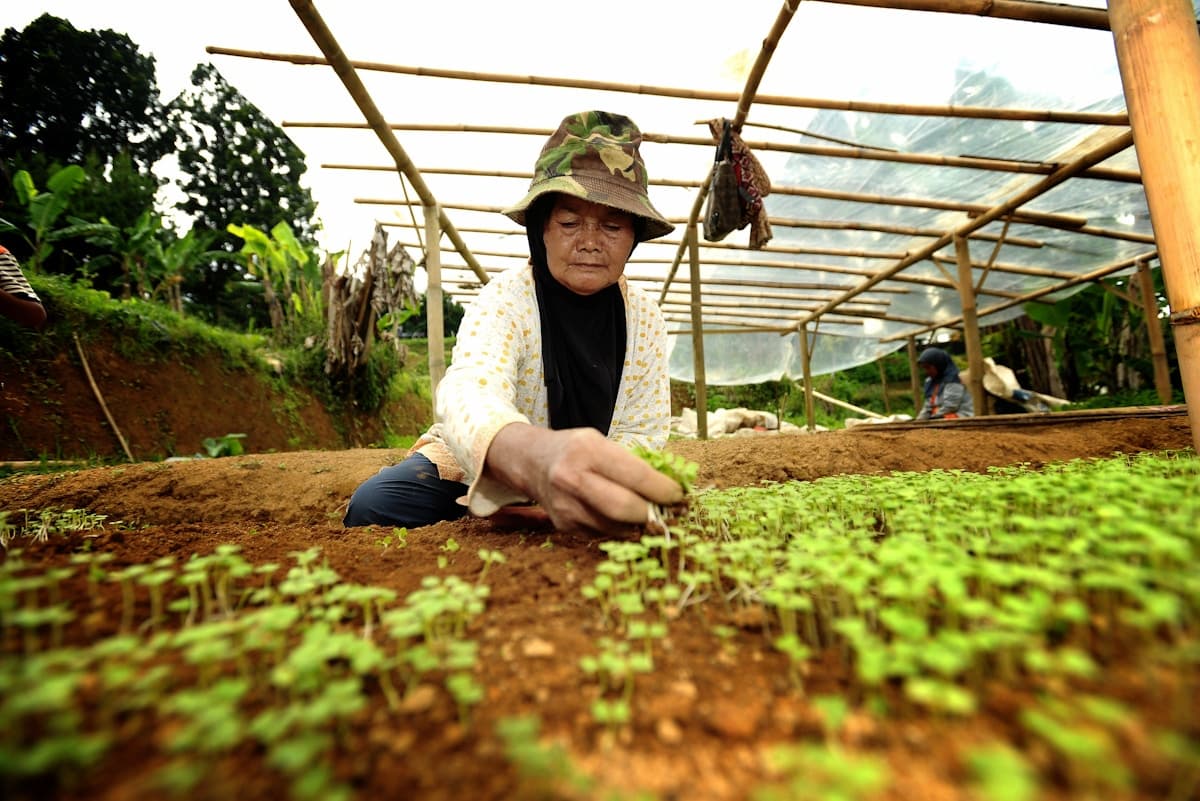
Are Southeast Asia’s Organic Farmers More Resilient to Fertiliser Price Spikes?
Fertiliser price spikes triggered by the Iran‑Hormuz crisis are squeezing Southeast Asian growers, but organic farms are feeling the shock less acutely because they rely on compost and manure. Yet organic agriculture remains marginal—less than 0.5% of regional cropland—and scaling...
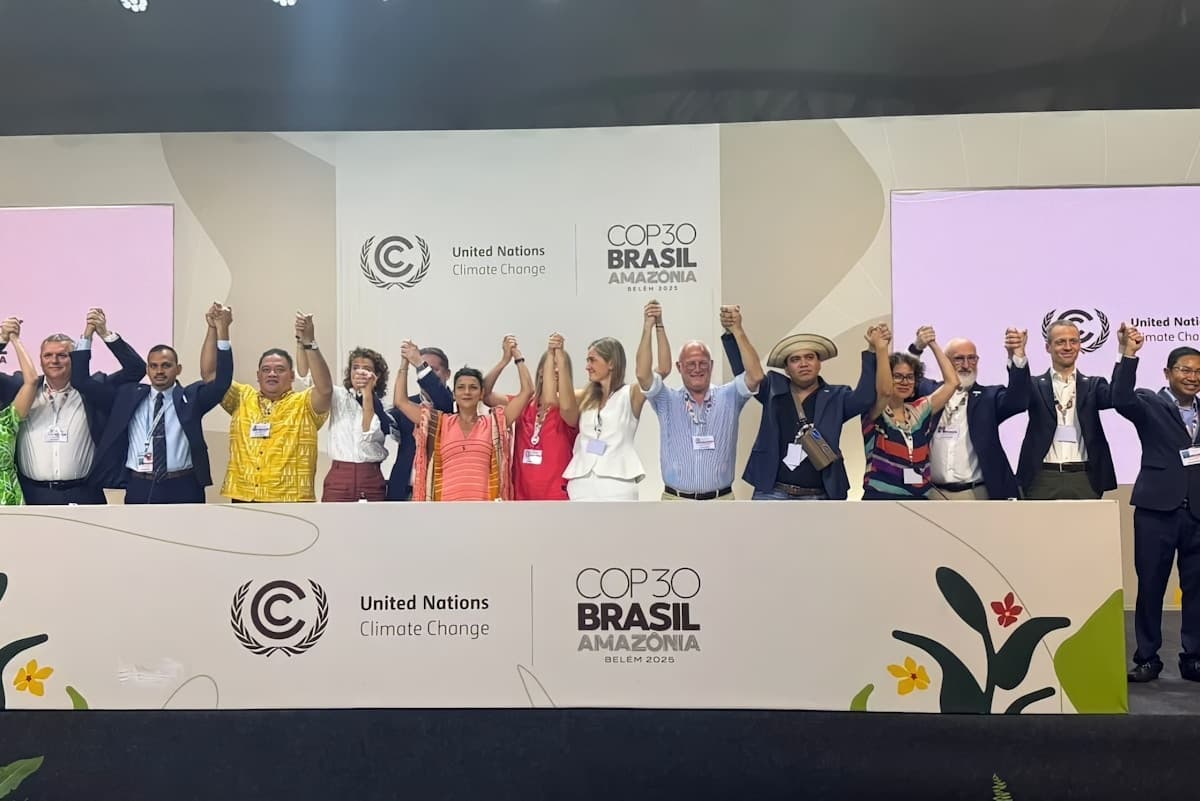
Southeast Asia Must Pursue Energy Sovereignty, Not Just Security, Says Civil Society
Civil society leaders are urging Southeast Asian nations to move beyond mere energy security and pursue energy sovereignty by relying on domestically generated renewables. The call comes ahead of the First Conference on Transitioning Away From Fossil Fuels in Colombia,...

Silence Is a Climate Risk – Brands Urged to Trumpet Sustainability Progress by ‘Greenshouting’
A new "greenshouting" communications guide, launched by Creatives for Climate and B Lab, urges brands to break the silence around sustainability and replace the emerging trend of "greenhushing" with open, accurate storytelling. The guide outlines four practical "dials"—simplicity, abundance, culture...
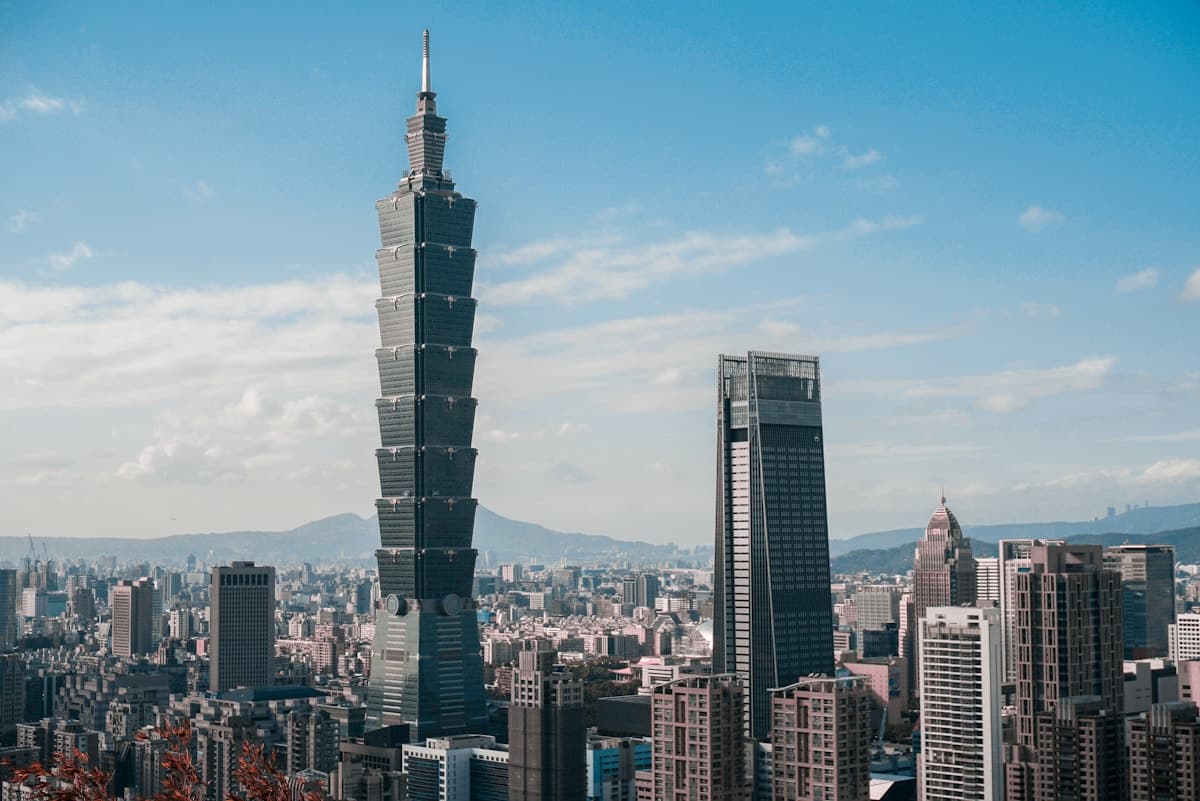
Taiwan May Miss 2030 Renewable Target as Gas Capacity Grows, Minister Says
Taiwan’s renewable share sits at just 15% of electricity, far short of the 30% goal for 2030. Economy Minister Kung Ming‑hsin warned the target may be missed as new natural‑gas plants dilute the renewable mix. The government is refocusing on...

Water Stress Increases Downside Risk to Credit Ratings of Lower-Income Countries: AIIB
A new AIIB study finds that a ten‑percentage‑point rise in water stress lowers sovereign credit ratings of lower‑middle‑income countries by nearly one notch, while upper‑middle‑income nations experience a smaller downgrade. Advanced economies see limited impact. The report argues that underpriced...

Japan’s Greenhouse Gas Emissions Fall Below 1 Billion Tonnes for First Time
Japan’s greenhouse‑gas output slipped 1.9% in 2024, falling to about 994 million tonnes of CO₂e – the first time it has dropped below the billion‑tonne threshold. The decline marks a 25% cut from the 2013 peak and represents the third consecutive...

'Resilience Is Not a Buzzword': Palm Oil Leaders Call for Industry Reset Amid Global Shocks
Palm oil leaders on Eco‑Business’s new Resilience podcast warned that geopolitical and climate shocks are exposing fragilities in the sector’s sustainability model. The ongoing Middle East conflict has driven up fertilizer prices and created shortages, threatening a critical planting season....
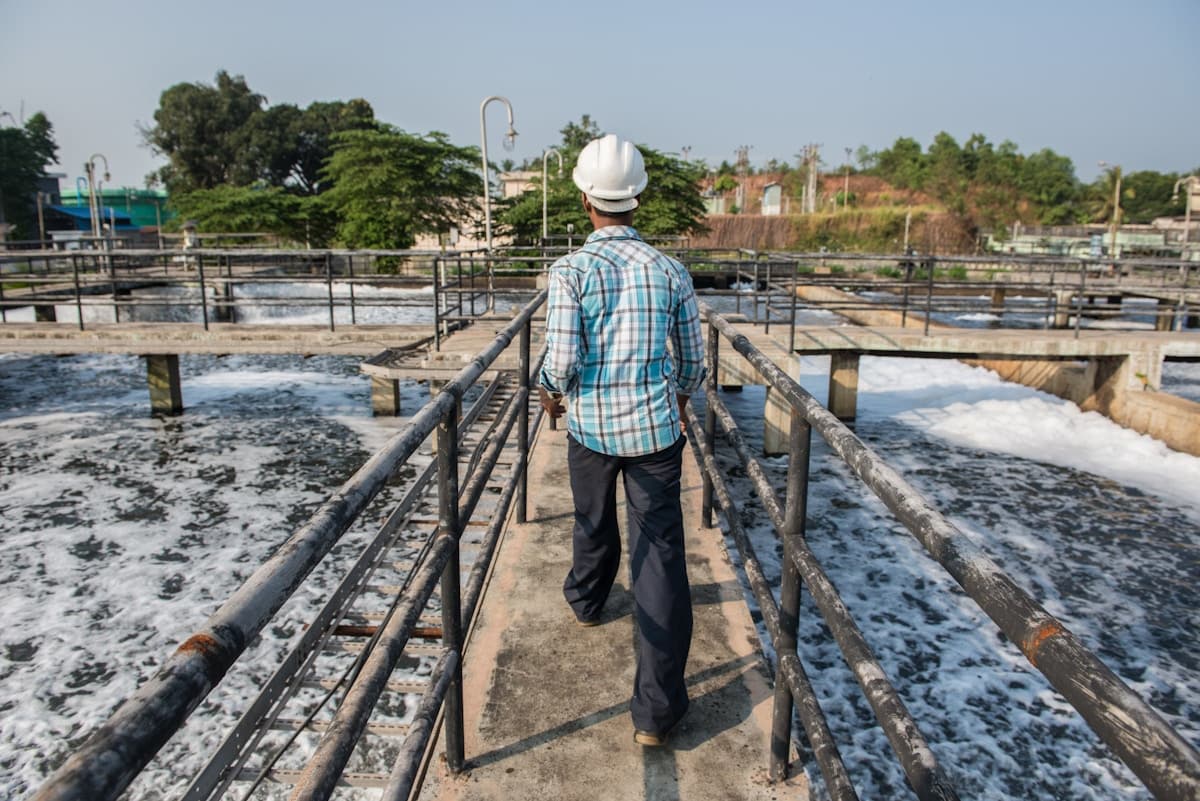
Indian Wastewater Rife with Drug Resistance Genes
Researchers examined 447 wastewater samples from Delhi, Mumbai, Kolkata and Chennai, uncovering abundant antimicrobial‑resistance (AMR) genes that were strikingly similar across the four metros. The Nature Communications study highlights sewage as a critical hotspot where resistant bacteria proliferate and exchange...

‘Godzilla El Niño’ Threat Looms as Indonesia’s Fire Season Starts Early
Indonesia’s 2026 fire season is accelerating, with burned area already at 32,637 ha—about 20 times the size recorded at the same time last year. The surge coincides with a 50‑80% probability of a weak to moderate El Niño and a 25% chance...

What Do China’s Provincial Plans Signal for Carbon Emissions?
China’s 2026 provincial work reports reaffirm a green‑development agenda that is tightly coupled with economic growth. The plans spotlight expanding battery storage, scaling hydrogen and nuclear projects, and integrating solar‑wind power with AI‑driven industrial zones. Zero‑carbon parks are slated for...

Andy Yap to Lead Advisory Firm Climate Smart Ventures
Climate Smart Ventures (CSV) announced Andy Yap as its new chief executive officer, effective March 1, 2026. Yap, a former managing director at CSV and veteran of banking and sustainable finance, will steer the firm’s strategy and deal execution as it pivots...
Philippines Digital Boom Fuels Disinformation Targeting Indigenous Peoples: Study
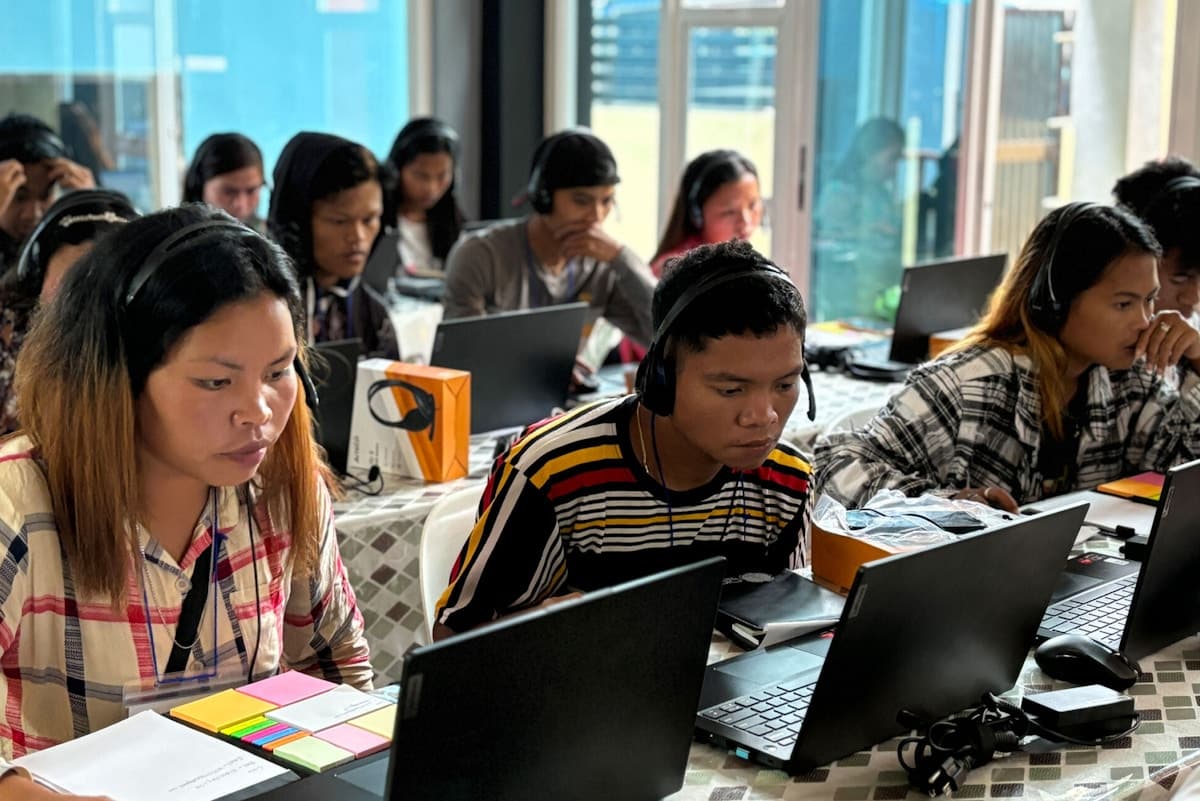
The Asia Centre’s new report warns that the Philippines’ rapid digitalisation is amplifying climate‑related disinformation targeting Indigenous Peoples. With 78% of the population online and digital media now generating 42% of the country’s $6.5 billion media revenue, smear campaigns and red‑tagging...
‘Microplastic Storm’ Unfolding in Homes, Hospitals and Even the Sky, Report Warns
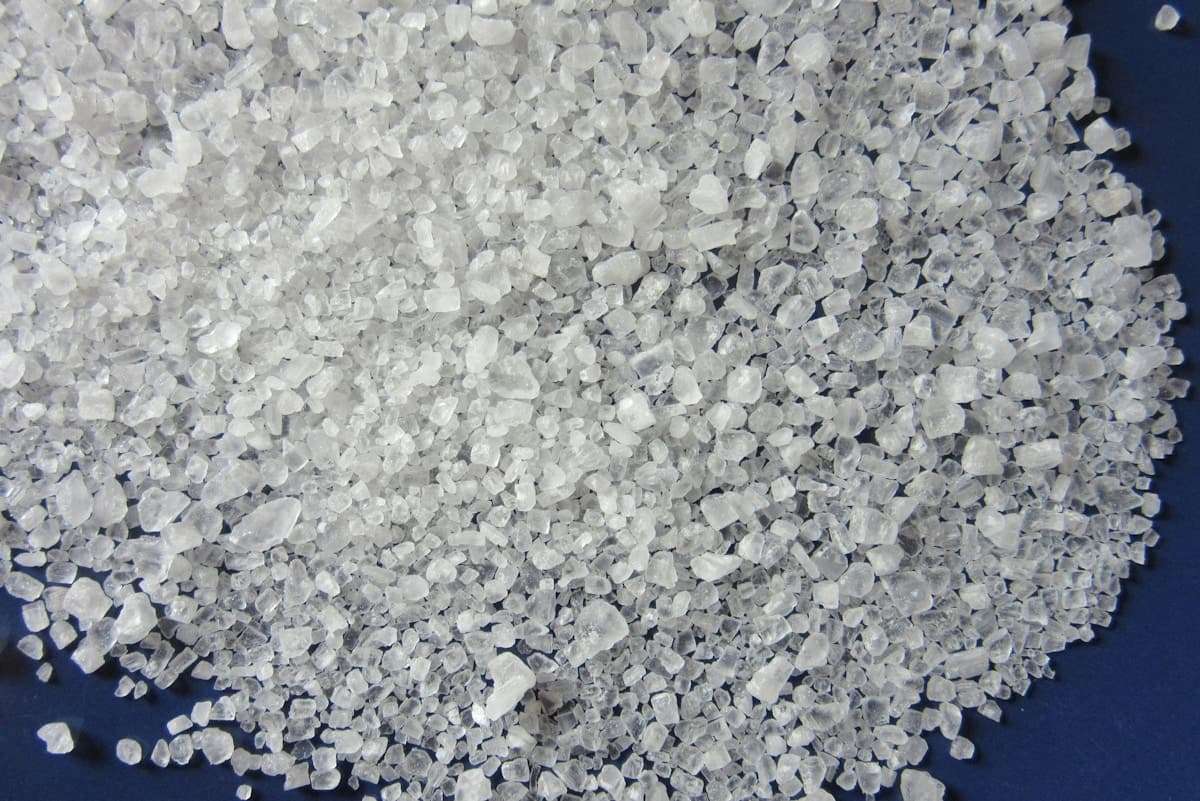
A new report funded by the Plastic Soup and Flotilla Foundations, based on analysis of more than 350 peer‑reviewed studies, finds that microplastic exposure is continuous and pervasive across homes, hospitals, schools and even the sky. Researchers identified five exposure...

Protesters March 700 Kilometres to Save Sacred Groves From Solar Development
Villagers from Jaisalmer district began a 700‑km foot march toward Jaipur to demand protection for their sacred groves, orans, and traditional pasture lands threatened by large‑scale solar‑power projects. The protest highlights that the state has earmarked over 44,000 hectares for...